
Film
The Holy Girl
Argentinian director Lucrecia Martel's debut explores the collision between teenage sexual awakening and Catholic devotion through a girl who, after a sexual assault, reinterprets her trauma as a divine calling. It's unsettling and precise—watchful, controlled, with a tone that refuses easy judgment. For those drawn to art cinema that sits with moral complexity without resolving it.
Should you watch it?
Watch it if you like films that stay in the awkward, humid space between devotion and desire, where meaning goes unspoken and the camera lingers on the edges of a crowded provincial town.
Skip it if you need propulsion and clear plot turns, since this drifts through long stretches of murmured conversation, ambient noise and held silences.
What it asks of you: Roughly one hundred and six minutes of patient, murky watching, where you piece together motives from glances and overheard fragments rather than being walked through them.
Not sure? Find tonight's pick in a minute.
If you liked this
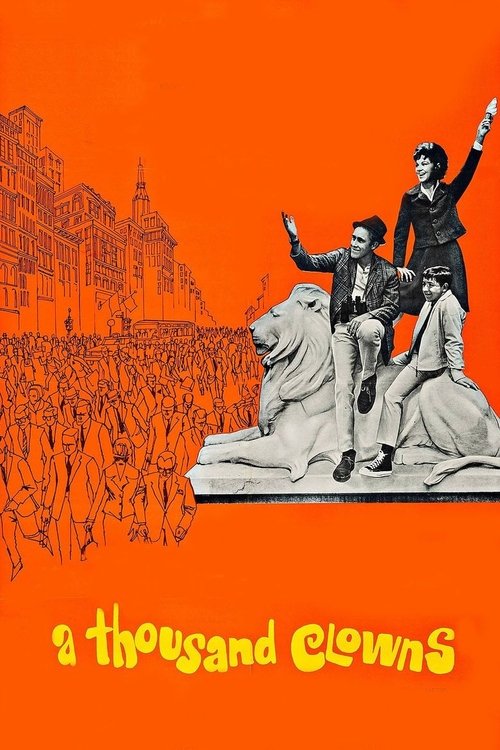
A Thousand Clowns1965
Murray Schsgal's adaptation about a man raising his nephew without conventional rules captures that same tension between freedom and structure, responsibility and desire. Funny and tender but morally ambiguous about whether anyone's really okay.
But It's from 1965 and moves at a different pace—lighter in tone, which might feel discordant if you want The Holy Girl's strangeness maintained throughout.
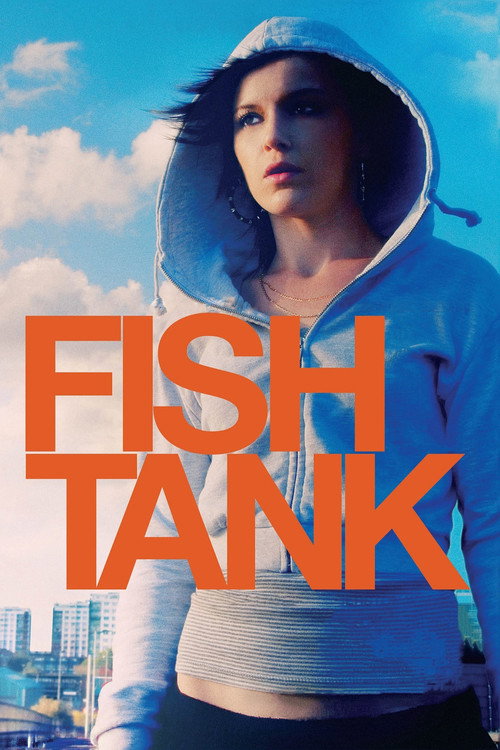
Fish Tank2009
Andrea Arnold's film about a young British woman fixated on a man in her neighborhood mirrors Amalia's obsession and delusion, but earthier and wilder. It has that same refusal to look away or to make the protagonist simply sympathetic.
But It's rawer and more explicitly angry, sometimes to the point of aggressive. The ambiguity here feels more like punishment than philosophy.
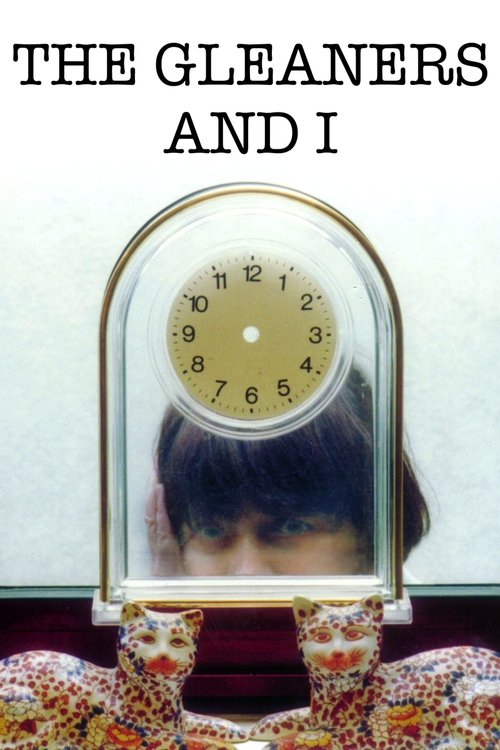
The Gleaners and I2000
Agnès Varda's documentary observes people gathering leftover food with the same non-judgmental, attentive gaze Martel brings to Amalia. It's meditative and strange without being narrative—cinema as pure looking.
But There's no plot, no dramatic structure. If you need story momentum, you'll find yourself adrift.
Not sure tonight? Get a pick in a minute, starting from The Holy Girl
The wildcard
Something you would not have found on your own.
Come and See1985
Both films use a young protagonist's consciousness as the lens for exploring how the world crushes innocence, and both refuse to make that process comprehensible or redemptive.
Elem Klimov's Belarusian war film is about a boy's initiation into horror—the way trauma rewrites your understanding of the world and your place in it. Like The Holy Girl, it's interested in how a young person's interior life gets shattered by something external, and it holds that shattering without flinching.
But It's genuinely disturbing—one of the most difficult films ever made. It's not ambiguous in tone the way Martel is; it's anguished. If you want philosophical distance, you won't find it here.

More like this (7)
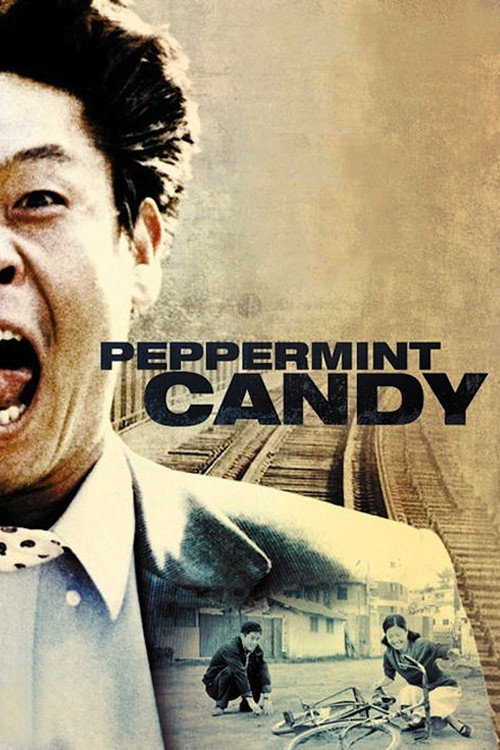
Peppermint Candy2000
Lee Chang-dong's film about a woman's life told backward shares The Holy Girl's interest in how trauma shapes identity, and in the gap between what we think about ourselves and what's actually true. Hypnotic and devastating.
But It's Korean cinema, subtitled, and runs nearly two hours of mounting dread. Some find it punishing rather than illuminating.
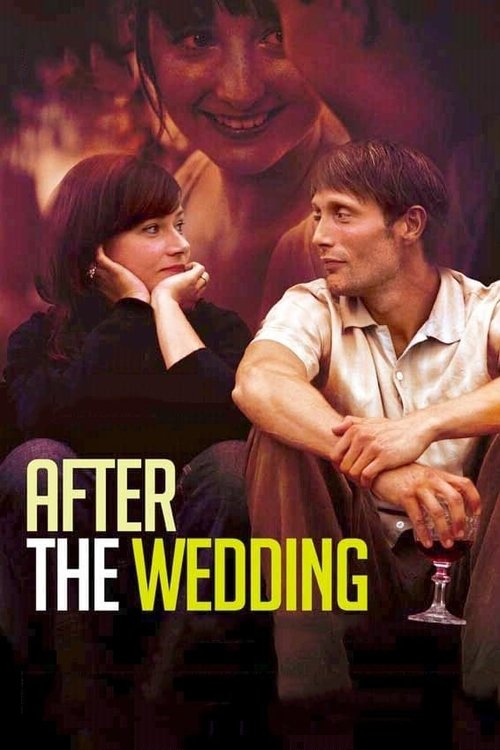
After the Wedding2006
Susanne Bier's Danish film shares Martel's interest in how self-deception and good intentions can mask selfishness. It's more conventionally structured but equally interested in moral ambiguity and what people tell themselves.
But It's middlebrow European cinema—solid, intelligent, but sometimes feels like it's explaining its own intelligence to you.
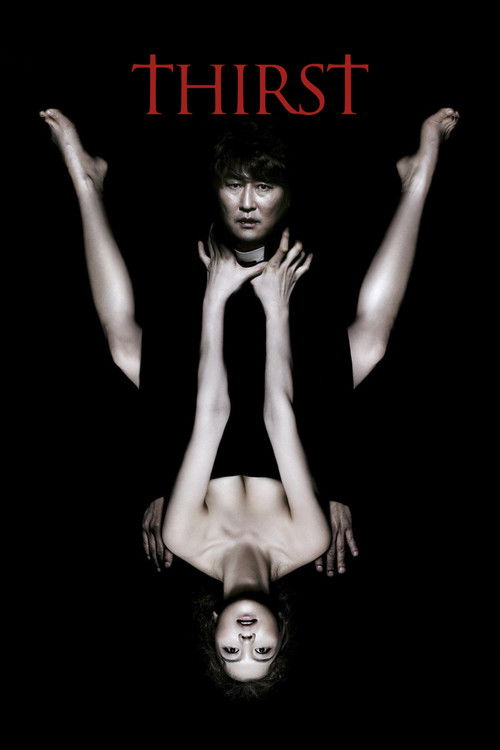
Thirst2009
Park Chan-wook's vampire film is about a priest whose faith crumbles when desire enters his body. Like Martel's work, it's fascinated by the body as a site of conflict between doctrine and instinct, shot with unsettling precision.
But It's South Korean, formally experimental, sometimes graphic, and ultimately more horror than drama. The tone can feel campy if you're expecting psychological realism.
Possession1981
Andrzej Żuławski's film about a marriage falling apart is hallucinatory and baroque, but underneath is real interest in obsession and the stories we tell about our bodies and desires. Visually overwhelming in a way that matches psychological chaos.
But It's alienating by design—the performances are operatic, the editing disorienting. Some find it pretentious; others find it liberating.

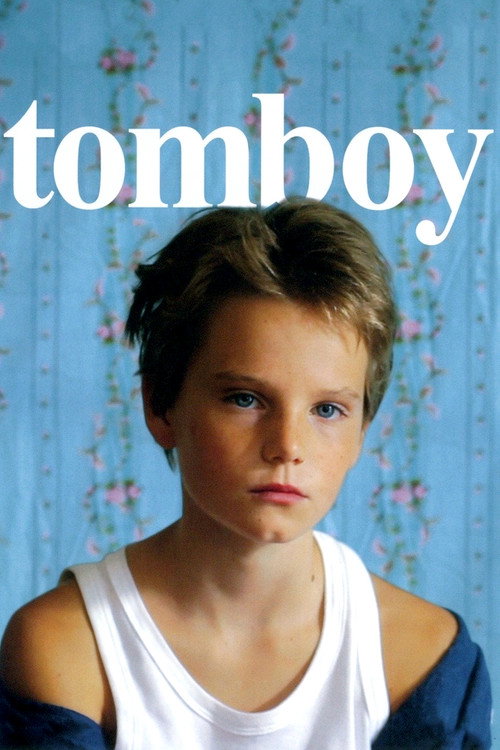
Tomboy2011
Céline Sciamma's film about a child whose gender identity disrupts a summer community is quieter than Martel's work but shares the same attentiveness to how young people navigate identity and desire without adult comprehension.
But It's deliberately gentle and observational, which can read as underdone. There's no dramatic crescendo, and some want more narrative propulsion.
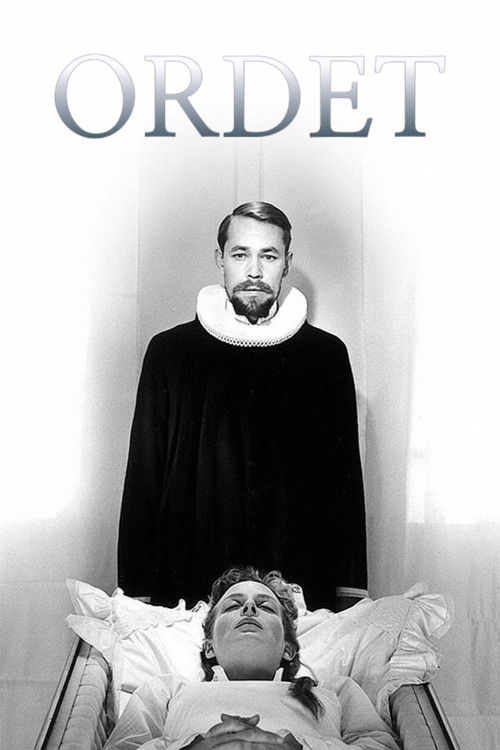
Ordet1955
Both examine how religious conviction in young women can become entangled with desire, and how that entanglement looks from the outside—not as sin or pathology, but as genuine philosophical collision.
Carl Theodor Dreyer's Danish drama about faith, family, and a young woman's breakdown is a century away from Martel stylistically—classical, religious, austere—yet both films are fascinated by the gap between what faith demands and what the body wants. Shot in black and white with the clarity of a medieval painting.
But It's from 1955 and moves like a play. There's almost no camera movement, minimal cutting. It demands patience and silence from the viewer.
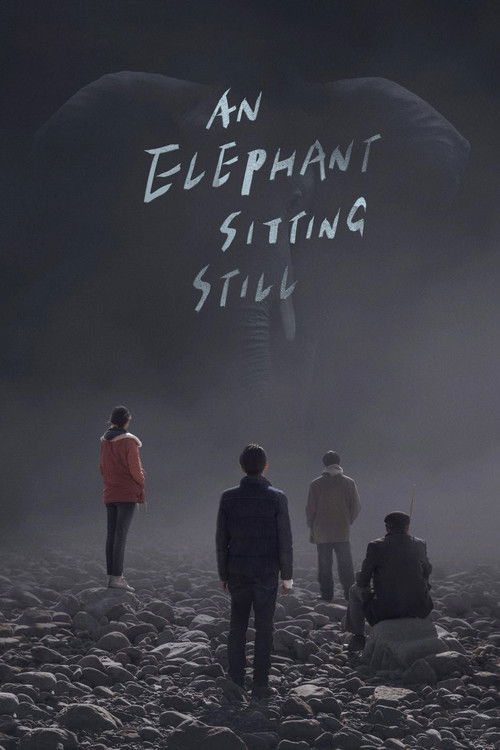
An Elephant Sitting Still2018
Both films trust the viewer to recognize moral complexity without the film explaining it. Both are more interested in observing how people rationalize their own behavior than in condemning them.
Hu Bo's Chinese debut follows four characters across a single day in a declining industrial city, observing how disappointment and humiliation accumulate quietly. It has Martel's refusal to explain or judge, her attention to how shame operates. Nearly four hours long but never feels slow.
But It's Mandarin-language, subtitled, depressive, and you need to sit through most of it before the emotional logic becomes clear. Some find that withholding frustrating rather than moving.
People
Cast
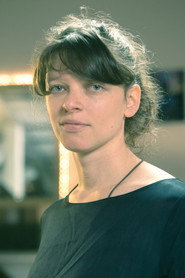 María AlchéAmalia
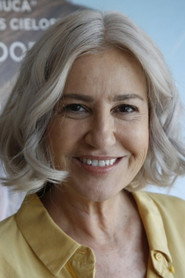 Mercedes MoránHelena
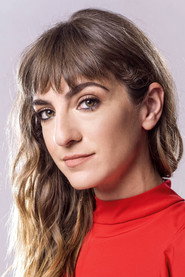 Julieta ZylberbergJosefina
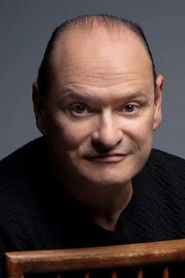 Carlos BellosoDr. Jano
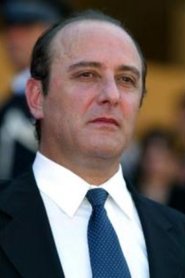 Alejandro UrdapilletaFreddy
 Mía MaestroInés
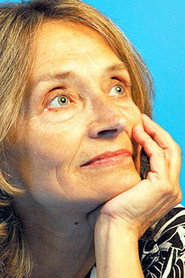 Marta LubosMirta
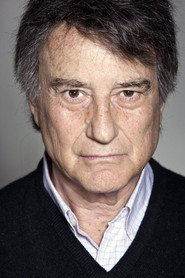 Arturo GoetzDr. Vesalio
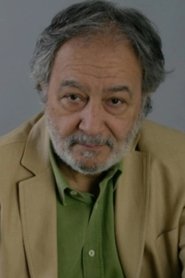 Alejo MangoDr. Cuesta
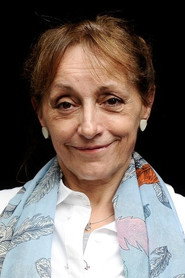 Mónica VillaMadre de Josefina
 Leandro StivelmanJulián
- Manuel SchallerThermin Player
Directing
- Fabiana TiscorniaAssistant Director
- Florencia BlancoAssistant Director
- Natalia SmirnoffAssistant Director
- Carola JalifeContinuity
- Lucrecia MartelDirector
Writing
- Lucrecia MartelScreenplay
Production
- Cesare PetrilloAssociate Producer
- Gianni RomoliAssociate Producer
- Tilde CorsiAssociate Producer
- Vieri RazziniAssociate Producer
- Natalia SmirnoffCasting
- Nicolas LevinCasting
- Agustín AlmodóvarCo-Producer
- Alfredo GhirardoCo-Producer
- Álvaro UrtizbereaCo-Producer
- Nora KohenCo-Producer
- Esther GarcíaExecutive Producer
- Pedro AlmodóvarExecutive Producer
- Lita StanticProducer
- Gustavo GuidoProduction Assistant
- Matias MosteirinProduction Director
- Marta PargaProduction Manager
- Marta PargaProduction Supervisor