
Film
A Thousand Clowns
A Thousand Clowns is a warm, witty 1965 comedy-drama about a perpetually broke, delightfully unorthodox man and his nephew navigating the collision between freedom and responsibility. Jason Robards embodies anarchic charm as Murray, a character who refuses to grow up even when his livelihood depends on it. It's for anyone who's ever wondered if nonconformity was worth its price.
Should you watch it?
Watch it if you love comic misfits whose refusal to play along is more charming than sensible, and you enjoy talky, witty character studies where the jokes carry real ache underneath.
Skip it if you need a plot that moves briskly, since this is mostly talk and mood, and its rebel charm can feel stagey and self-pleased when it wears thin.
What it asks of you: It runs under two hours and is mostly talk in small rooms, so it rewards patience and close listening more than it rewards eye-catching action.
Not sure? Find tonight's pick in a minute.
If you liked this
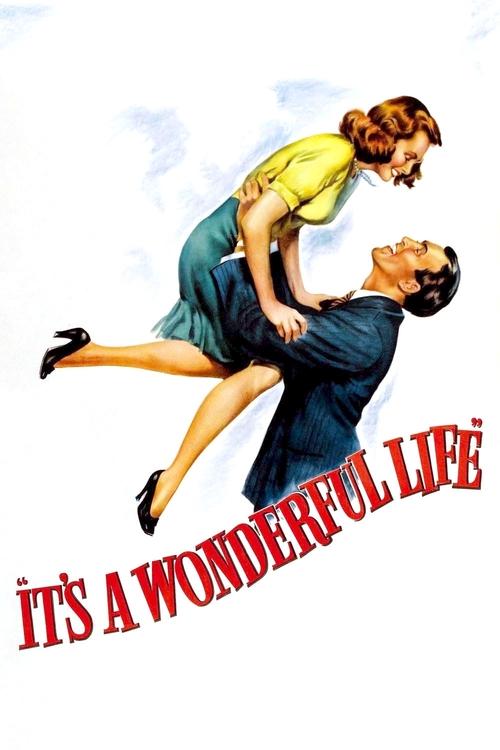
It's a Wonderful Life1946
Like Murray, George Bailey faces a choice between personal dreams and social obligation, though played as tragedy rather than comedy. Both explore what we owe the world versus what the world owes us.
But The sentimentality can feel dated, and the ending resolves ambiguities that A Thousand Clowns deliberately leaves messy.
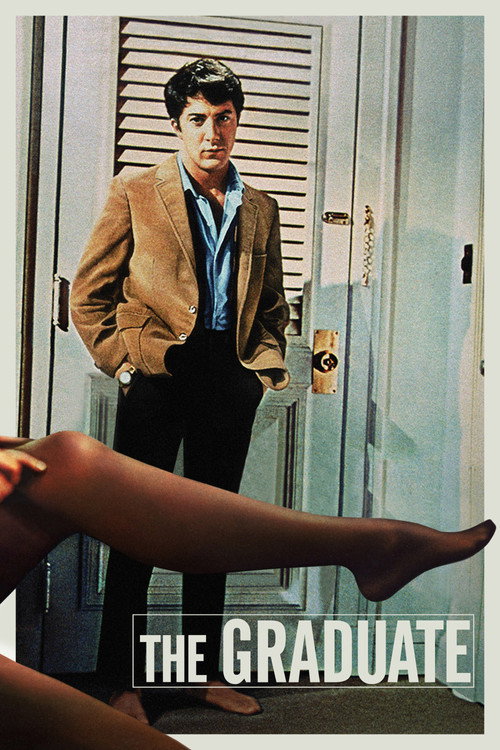
The Graduate1967
Benjamin Braddock is Murray's spiritual cousin—a young man refusing the conventional path society has laid out. Both films are genuinely funny about the gap between adult expectations and the desire for authentic living.
But It's more famous and more cynical, which some prefer but others find colder than Clowns' genuine warmth.
Singin' in the Rain1952
Gene Kelly's Don Lockwood shares Murray's infectious joy and refusal to be crushed by circumstance. Both films argue for the value of spontaneity, play, and finding magic in ordinary moments.
But It's pure escapism with no real stakes, whereas Clowns is genuinely concerned with consequences.

Not sure tonight? Get a pick in a minute, starting from A Thousand Clowns
The wildcard
Something you would not have found on your own.
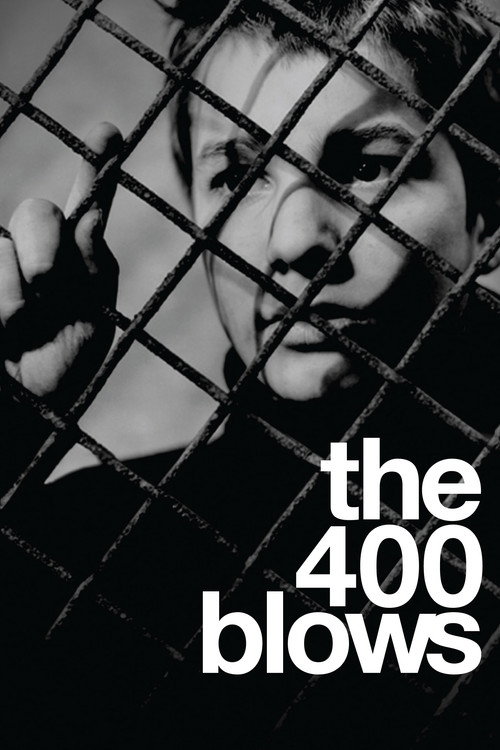
The 400 Blows1959
Both films trust children to be moral agents, and both suggest that the worst thing adults can do is force conformity in the name of care.
A child's-eye view of an adult world that doesn't understand him, and an adult (his teacher) who briefly does. Like Clowns, it takes childhood freedom and adult responsibility with equal seriousness, and it refuses to choose between them.
But It's a French New Wave film from the late 1950s—formally restless, ambiguous, and melancholy in ways that may feel distant from Clowns' Broadway warmth.
More like this (8)
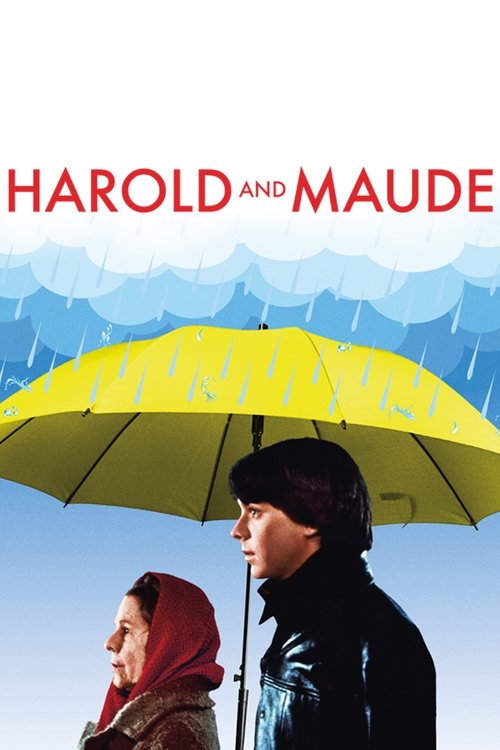
Harold and Maude1971
Two outsiders finding each other across generational lines. Harold and Maude has the same blend of dark comedy and genuine tenderness, the same argument about whether it's better to live differently or just live at all.
But It's stranger and darker—Maude's eccentricity comes from a different place than Murray's, and not everyone wants their romance that weird.
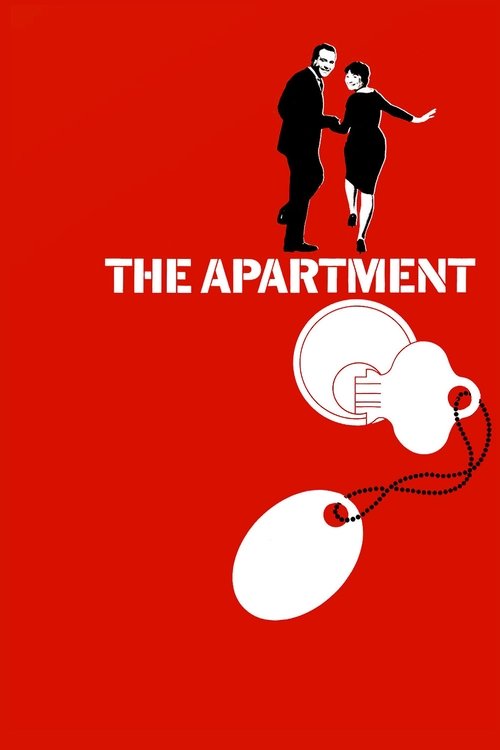
The Apartment1960
C.C. Baxter must choose between ambition and integrity, just as Murray must choose between freedom and custody. Both films respect the cost of either choice and refuse easy answers.
But It's a romantic comedy more concerned with plot mechanics than with the philosophy underlying Clowns' central conflict.
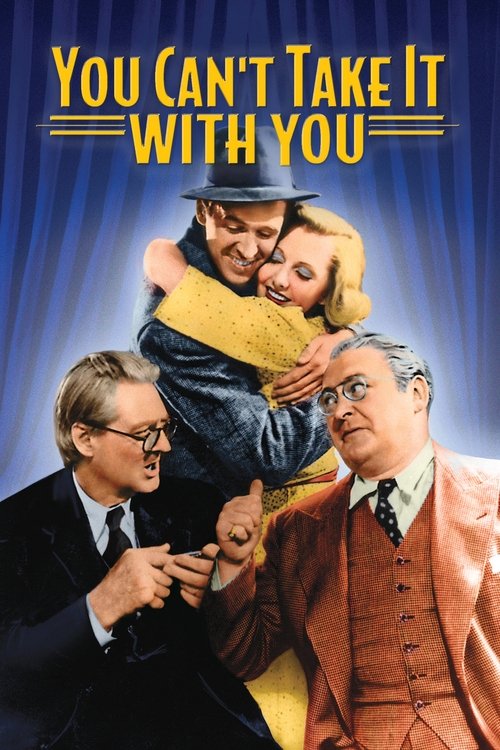
You Can't Take It with You1938
A celebration of eccentricity and family bonds in the face of societal pressure. Grandpa Vanderhof is a spiritual ancestor to Murray—both believe the point of life is living it, not conforming to it.
But It's capra-corn by design, and its faith that goodness will win feels quaint compared to Clowns' genuine uncertainty.
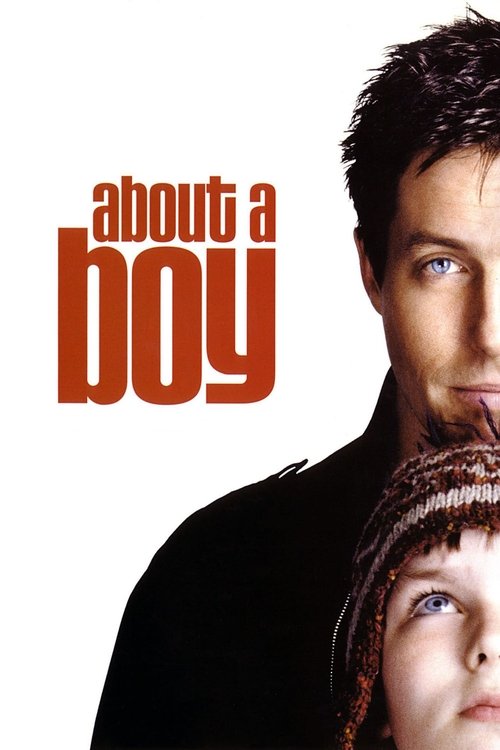
About a Boy2002
An adult learning to care for a child and being changed by it. Both films are funny about parenting without pretending it's simple, and both earn their sentimentality.
But It's lighter and more contemporary, which means it has less of Clowns' existential weight.
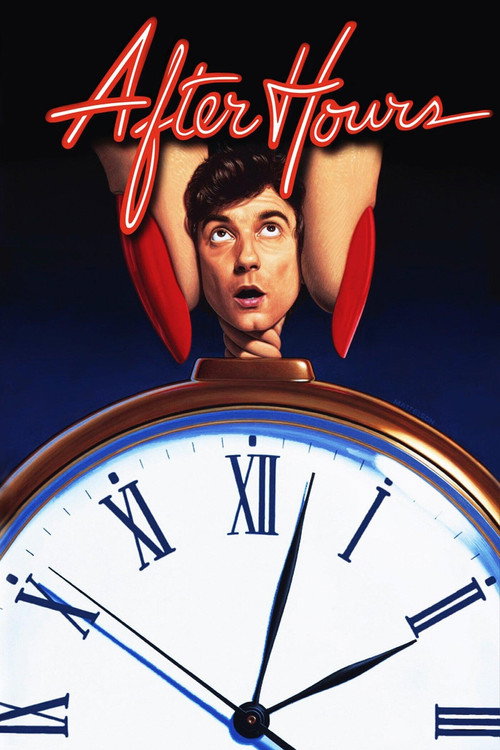
After Hours1985
Scorsese's fever dream of an ordinary man encountering New York's chaotic underbelly. Shares Clowns' sense that nonconformity can be beautiful and terrifying at once, and that the system might crush both equally.
But It's surreal and nightmarish where Clowns is grounded and warm—a very different emotional experience.
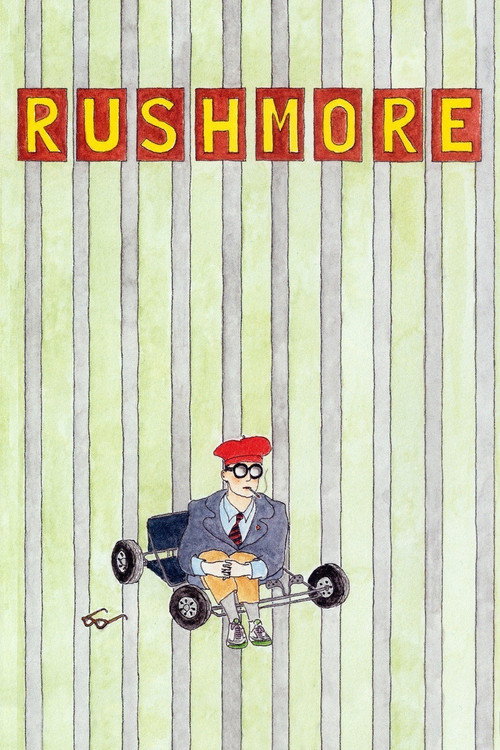
Rushmore1998
Max Fischer and Murray are both people who refuse to play by the rules, and both films ask whether that's a strength or a liability. It's funny about the gap between self-image and reality.
But It's much colder and more self-aware about its protagonist's delusions; less sympathetic to the nonconformist's perspective.
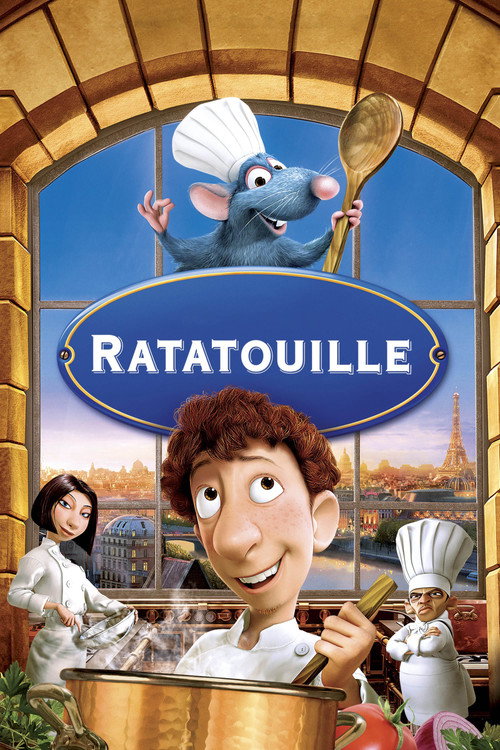
Ratatouille2007
Both celebrate the eccentric outsider without naïveté, and both suggest that nonconformity requires sacrifice but is still worth it.
An animated comedy about pursuing passion in a world built for people like you. Remy the rat and Murray share a fundamental belief that living authentically matters more than fitting in, and that the system's rules are not inevitable.
But It's a Pixar family film—bright, loud, and designed to please everyone. It may feel too whimsical compared to Clowns' humanistic arguments.
Stalker1979
Both are ultimately about whether you can preserve your authentic self while living in the world, and both suggest the answer is impossibly difficult.
Tarkovsky's science-fiction meditation on desire and freedom. A man guides two others through a forbidden zone toward a room that might grant wishes, but the real question is whether getting what you want means anything if you've become someone else in pursuit of it.
But It's glacially paced, philosophically abstract, and Russian. The opposite of Clowns in tone and style—meditative rather than comic, formal rather than warm.

People
Cast
 Jason RobardsMurray
 Barry GordonNick
 Barbara HarrisSandra
 Martin BalsamArnold
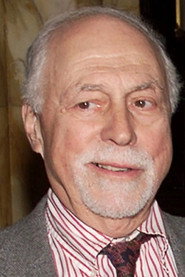 Gene SaksLeo
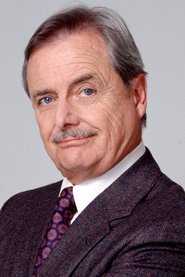 William DanielsAlbert Amundsen
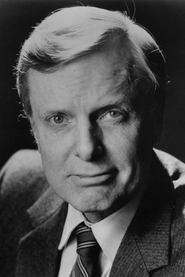 John McMartinThe Man in the Office
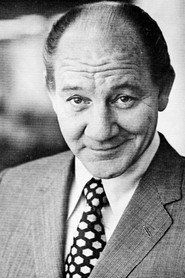 Philip BrunsThe Man in the Restaurant
Directing
- Dan EriksenAssistant Director
- Fred CoeDirector
Writing
- Herb GardnerScreenplay
- Herb GardnerTheatre Play
Production
- Herb GardnerAssociate Producer
- Ralph RosenblumAssociate Producer
- Fred CoeProducer
- Henry SpitzProduction Manager
Recommended by
Harry and Tonto, A Whale of a Tale, EXPO: Magic of the White City, Sea Sorrow, The Horse Boy, Echo in the Canyon, Trouble the Water, School of Babel, Concerning Violence, Ginger & Rosa, Postcards from America, I Am Love, Complaints of a Dutiful Daughter, For Colored Girls, The Holy Girl, Jacquot, The Cheerleaders, Wandering Stars, You're a Big Boy Now, WMD: Weapons of Mass Deception, The Cherry Orchard, Grass: A Nation's Battle for Life, A Kiss Before Christmas, Eros + Massacre, Love with the Proper Stranger, WR: Mysteries of the Organism