
Film
Jacquot
Agnès Varda's portrait of her late husband Jacques Demy as a young man, tracing his journey from provincial France to the film world. Shot with Varda's characteristic warmth and visual poetry, it's a love letter masquerading as biography—personal, lyrical, sometimes playful. For those who love cinema as subject and medium alike.
If you liked this
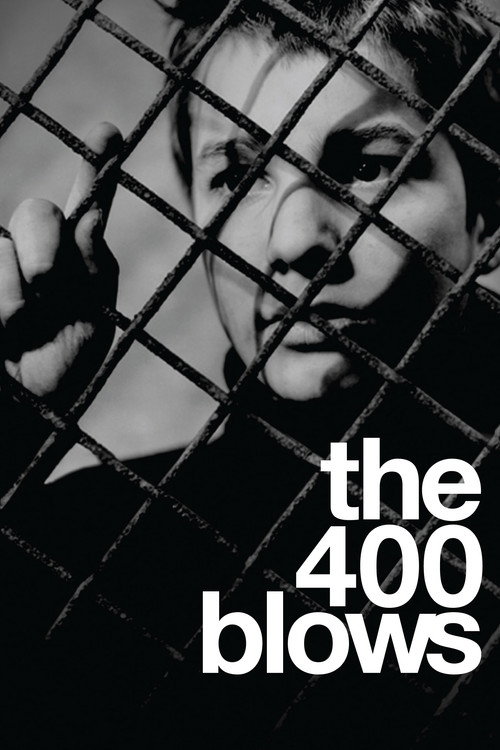
The 400 Blows1959
Truffaut's defining work about a young man discovering himself through cinema and the city. Both films follow the restless energy of youth and feature that same tender-eyed fascination with how people become who they are.
But It's a period French New Wave film—if grainy black-and-white and philosophical pacing exhaust you, this won't change your mind.
Singin' in the Rain1952
Pure cinema joy about the magic of moviemaking itself. Varda channels this same spirit: the delight of watching someone fall in love with the possibility of film, shot with colour and movement that celebrates what cameras can do.
But The theatrical exuberance might feel dated if you prefer contemporary naturalism, and the second half dips in energy.

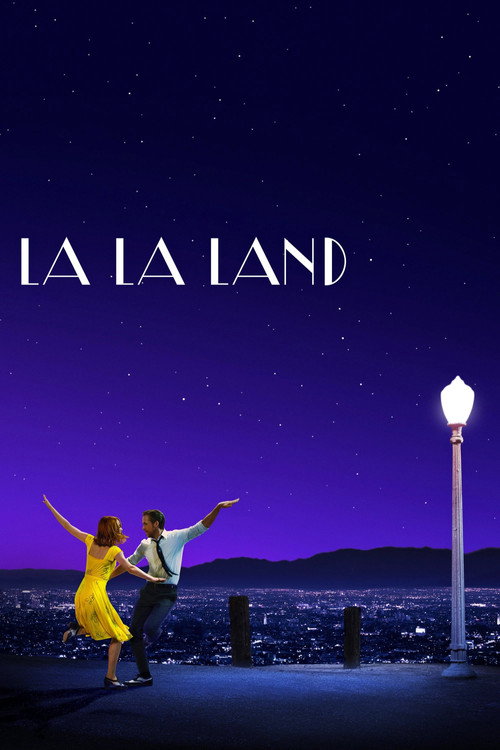
La La Land2016
A modern film about an artist chasing dreams in a city that doesn't quite understand them, told through visual and musical language. Same DNA as Jacquot—the belief that cinema can capture longing and becoming.
But Divisive on whether it earns its earnestness; some find it saccharine rather than sincere.
Not sure tonight? Get a pick in a minute, starting from Jacquot
The wildcard
Something you would not have found on your own.
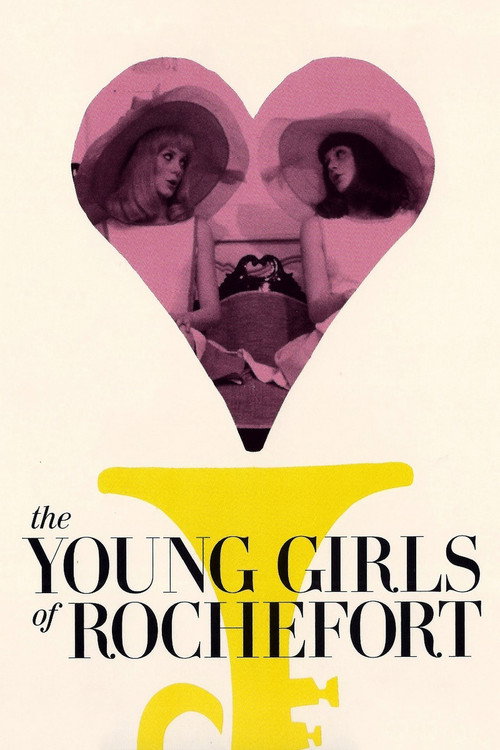
The Young Girls of Rochefort1967
It is literally the creative work of the man at the film's centre, and Varda shot it with her actual cinematographer.
Jacques Demy's own masterpiece—a musical romance shot in Varda's favourite colour-saturated style. Watching Varda's portrait of young Demy, then seeing his own film, closes a circle: you understand what he was chasing from the start.
But It's a full musical with dancing and songs; if that sounds precious rather than joyful to you, the spectacle won't convert you.
More like this (8)
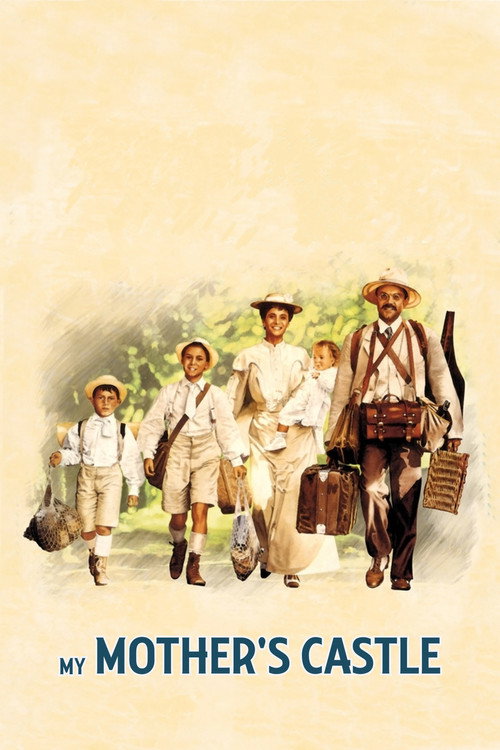
My Mother's Castle1990
Also about a young Frenchman's formative years in a luminous provincial setting. Yves Robert's film has the same painterly attention to memory and childhood wonder that makes Varda's work so distinctive.
But Gentle and episodic rather than dramatically propulsive—some viewers want more narrative drive.
Contempt1963
Godard's meta-reflection on cinema and creation, with extraordinary colour and architecture. It shares Jacquot's fascination with how filmmaking reshapes a life, and asks what the cost of that passion actually is.
But Godard can feel mannered and distant; this is cinema about cinema, not for everyone's evening.

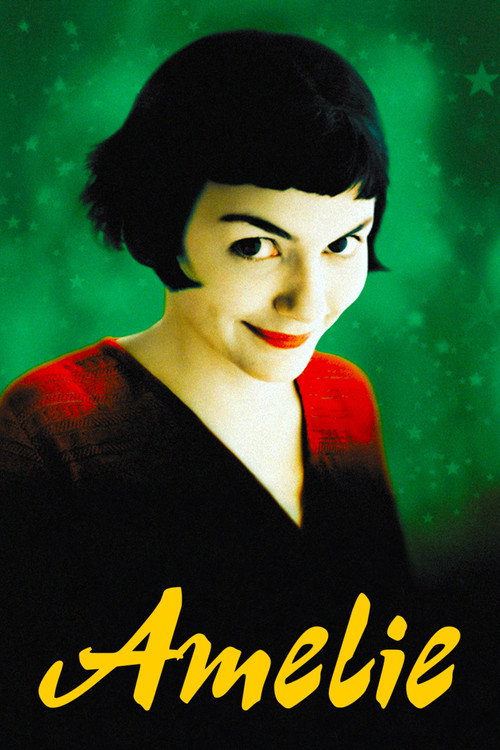
Amélie2001
French cinema celebrated as a visual artform, with that same enchanted eye for colour, whimsy, and the poetry hidden in ordinary moments. Jeunet's Paris is closer to Varda's than you'd expect.
But The quirk is very studied; some find it calculated rather than felt, which lands differently than Varda's genuine warmth.
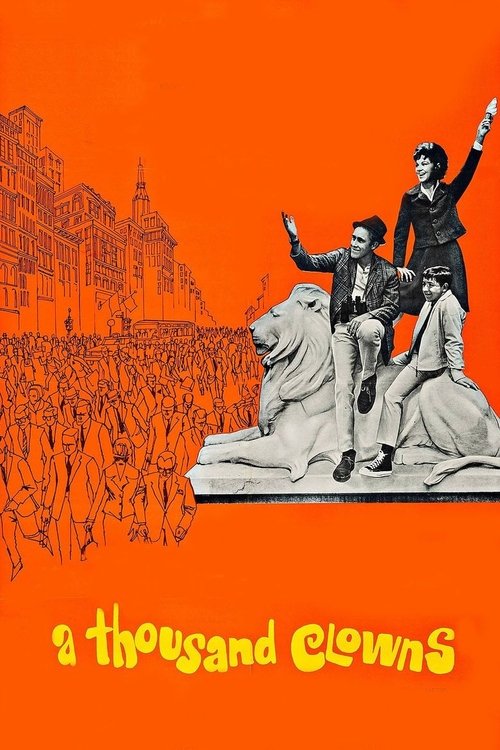
A Thousand Clowns1965
An older man mentoring a younger one in the art of living authentically, with humour and grace. Captures that same sense that choosing art over convention is both noble and complicated.
But American comedy-drama sensibility; the tone is broader and less visually lyrical than what Varda does.
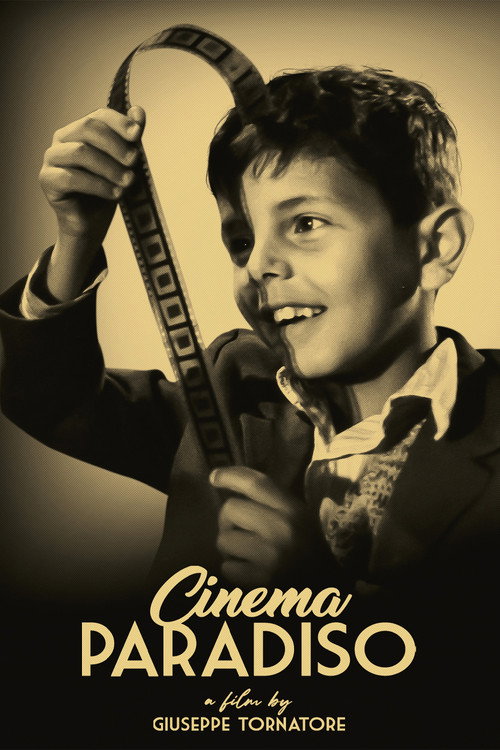
Cinema Paradiso1988
A love letter to cinema itself, about a young man's awakening through film. Reaches for similar emotional stakes about how movies shape us, though it's more sentimentally direct.
But Can feel heavy-handed in its nostalgia; less subtle than Varda's approach to the same material.
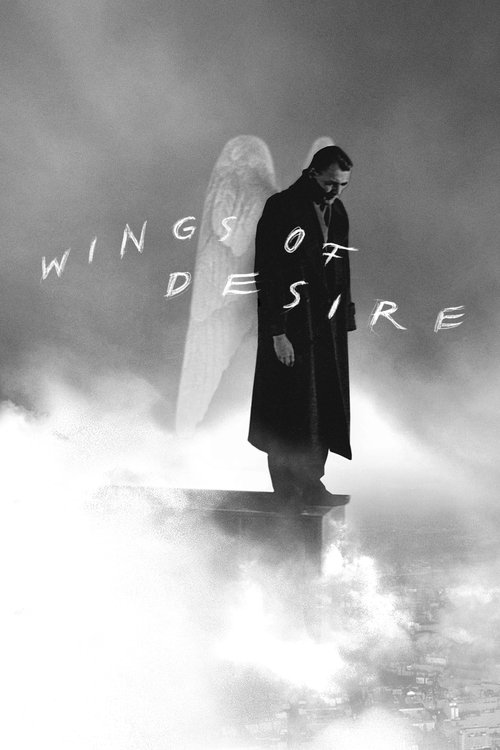
Wings of Desire1987
Wenders' meditation on art, observation, and becoming human. Philosophical and visually stunning, it shares Jacquot's sense that cinema is a way of loving the world more carefully.
But Slow, abstract, and elliptical; if you want plot momentum, you're looking elsewhere.
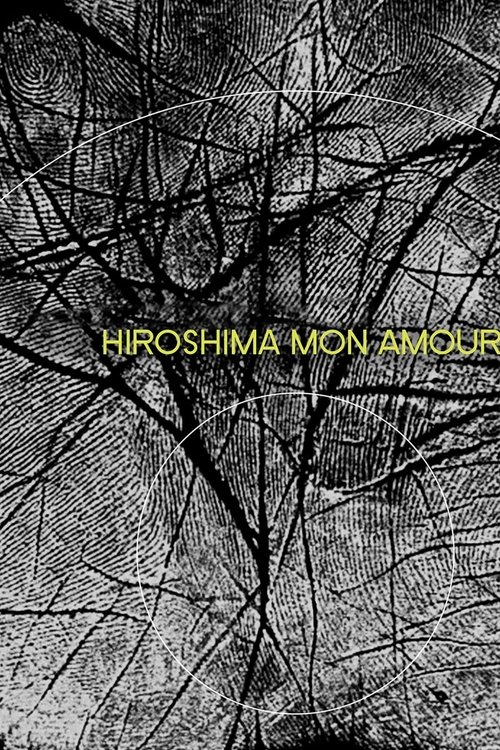
Hiroshima Mon Amour1959
Both emerged from the same French New Wave moment and share a conviction that film's grammar—cuts, colour, duration—is inseparable from what it means.
Resnais and Duras's formal experiment about memory, cinema, and how we construct meaning from fragments. Where Jacquot is personal and warmly biographical, this is austere and theoretical—but both are trying to show that cinema is a way of thinking.
But Avant-garde in form and deliberately difficult; some viewers find it impenetrable rather than rewarding.
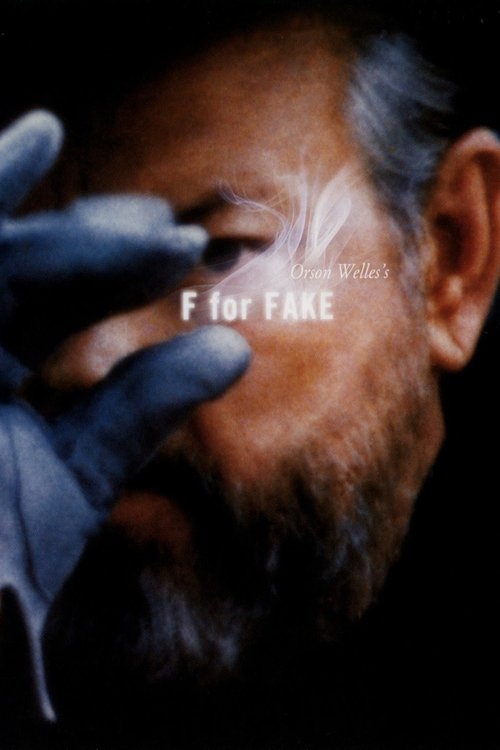
F for Fake1973
Both are films about becoming an artist told entirely through the language of cinema, trusting the medium itself to do the storytelling rather than leaning on plot.
Welles's essay-film about authorship, illusion, and cinema itself. Non-narrative, playful, and visually dazzling. It's about the possibility and mischief of filmmaking in the most formal way possible.
But Structurally dense and sometimes self-indulgent; requires patience and rewards concentration, which isn't for everyone.
People
Cast
- Philippe MaronJacquot 1
- Edouard JoubeaudJacquot 2
- Laurent MonnierJacquot 3
 Brigitte De VillepoixMarilou
 Daniel DubletRaymond
- Clément DelarocheYvon 1
- Rody AvertyYvon 2
- Hélène PorsQueen 1
- Marie-Sidonie BenoistQueen 2
- Jérémie BernardYannick 1
- Cédric MichaudYannick 2
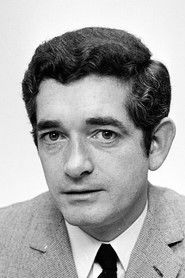 Jacques DemyJacques Demy (uncredited)
Directing
- Agnès VardaDirector
Writing
- Jacques DemyAuthor
- Agnès VardaWriter