
Film
A Whale of a Tale
- Slow-burning
A Whale of a Tale examines the dolphin hunting conflict in Taiji, Japan with rare nuance, following activists and fishermen as they navigate tradition, survival, and environmental ethics. Rather than simple condemnation, the film presents human complexity on both sides—how economic pressure, cultural identity, and genuine moral conviction can coexist in deadlock. It's a model of how to film a contentious issue without flattening it.
If you liked this
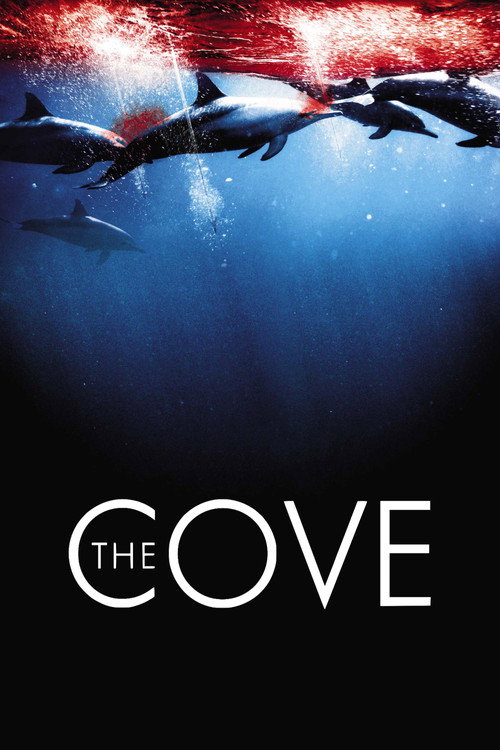
The Cove2009
The essential predecessor: urgent, visually stunning activism documentary that brought international attention to Taiji's dolphin hunts. If you care about this issue, you need to see what sparked the global outcry.
But Heavily weighted toward one perspective, and some sequences of animal death are genuinely distressing. It's advocacy rather than inquiry.
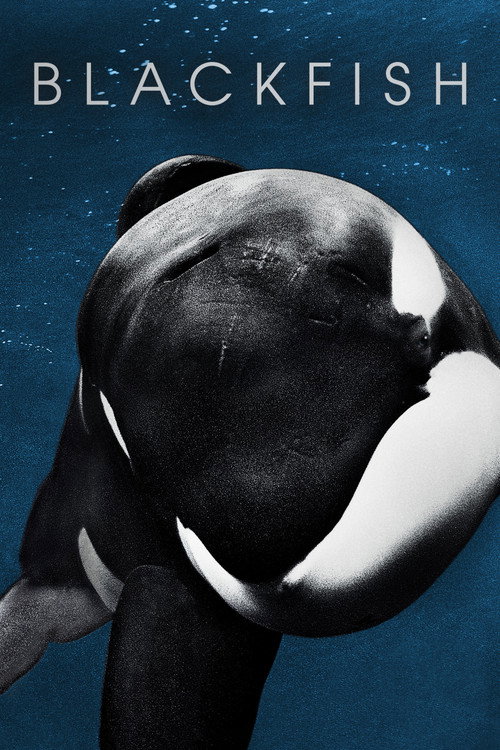
Blackfish2013
Another environmental documentary that builds its case methodically, following institutional blindspots and personal awakenings. It shares The Cove's investigative rigor but with more structural sophistication about how complicity spreads.
But The framing becomes increasingly polemical as it proceeds. Once you see where it's headed, the architecture feels a touch predetermined.
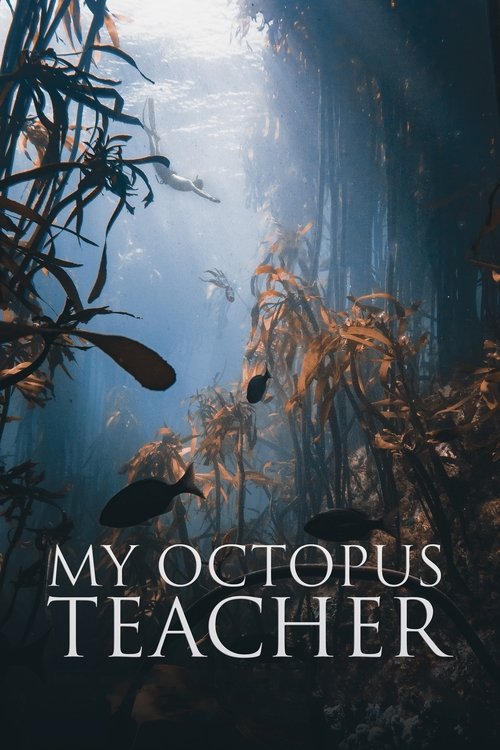
My Octopus Teacher2020
A contemplative film about human-animal connection that unfolds slowly, letting observation and emotion breathe. It proves a documentary can be philosophically serious without being preachy, and visually ravishing without being exploitative.
But The personal stakes are modest—a filmmaker learning about a cephalopod—and some may find the meditation frustratingly gentle given what's at risk ecologically.
Not sure tonight? Get a pick in a minute, starting from A Whale of a Tale
The wildcard
Something you would not have found on your own.
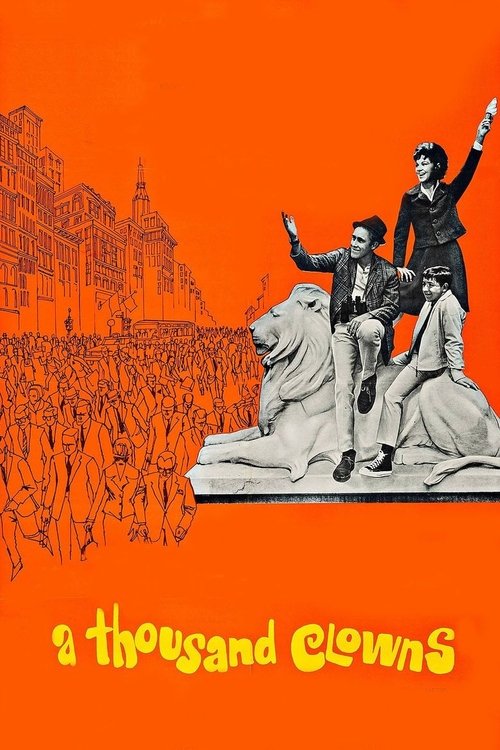
A Thousand Clowns1965
Both films refuse to resolve the tension between individual conviction and structural reality. They trust the viewer to sit in discomfort rather than offering catharsis.
Seems unconnected: scrappy New York comedy about a man resisting conformity. But watch how it actually works—it's about someone whose values cost him everything, and whether a life lived by principle but outside systems has dignity or just futility. The film never decides, and that's the point.
But Broad '60s comedy tone doesn't age seamlessly. The whimsy can feel like it's dodging the real stakes rather than honoring them. Tonal inconsistency will frustrate some viewers.
More like this (8)
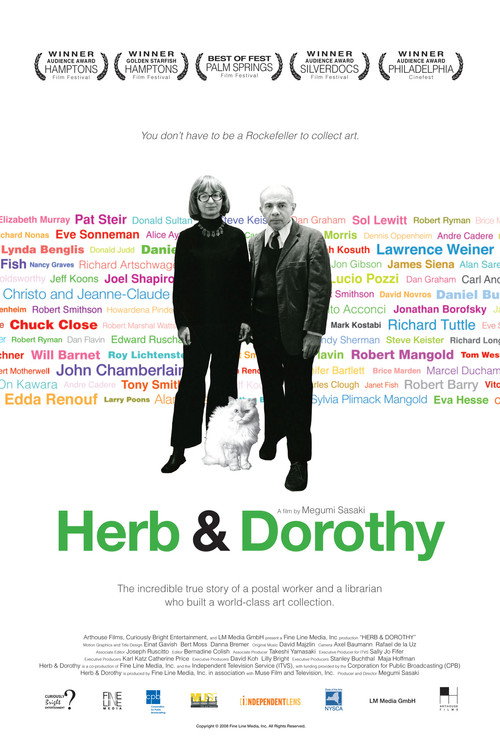
Herb & Dorothy2009
Also by Megumi Sasaki. A portrait of two art collectors whose quiet convictions shaped museums and artists' lives. It's about how unspectacular people with vision can alter what matters, and it shares A Whale of a Tale's faith in nuance over certainty.
But Art world documentary, so if that world bores you, the specific subject won't rescue it. Pacing is deliberate; some find it meandering.
The Act of Killing2012
A documentary that sits with moral complexity in an almost unbearable way, asking perpetrators to confront what they've done. Like A Whale of a Tale, it refuses to turn its subjects into cartoons, even when their actions are monstrous.
But Extremely long, often uneasy to watch, and the methodology—having killers reenact their crimes—can feel manipulative even when it's not. Emotionally exhausting.

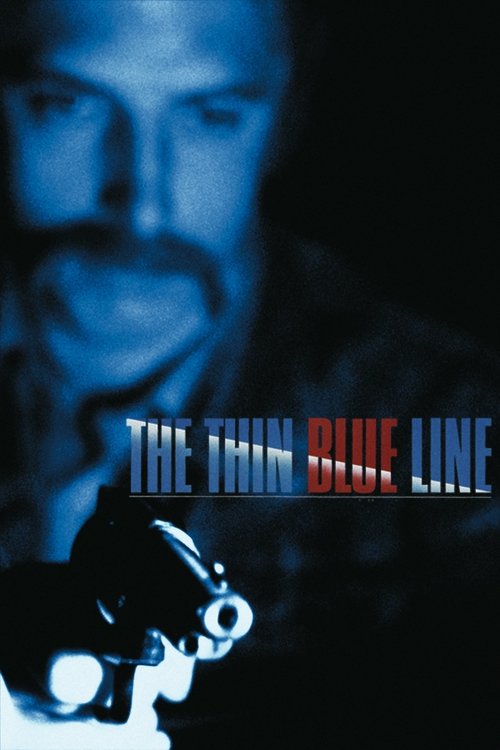
The Thin Blue Line1988
Errol Morris's masterpiece about wrongful conviction. It reconstructs a crime with Rashomon-like multiplicity, showing how perspective and power shape what we call truth—relevant to any documentary about contested facts and lived experience.
But Crime doc structure can feel dated now. Some viewers find the famous Philip Glass score intrusive rather than supportive.
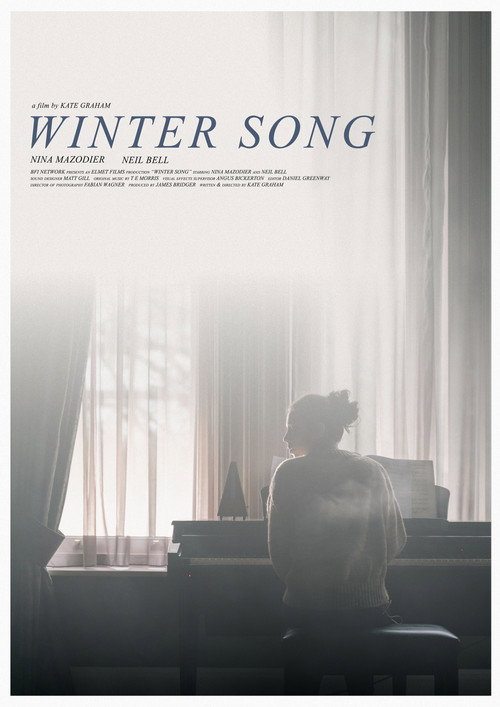
Winter Song2023
Documentary about Japanese fisheries and climate change that takes working communities seriously without sentimentalizing them. It observes economic desperation and environmental collapse as entangled problems, not opposing forces to choose between.
But Slow observational style with minimal narration. If you need strong narrative momentum, this will feel like it's avoiding the point.
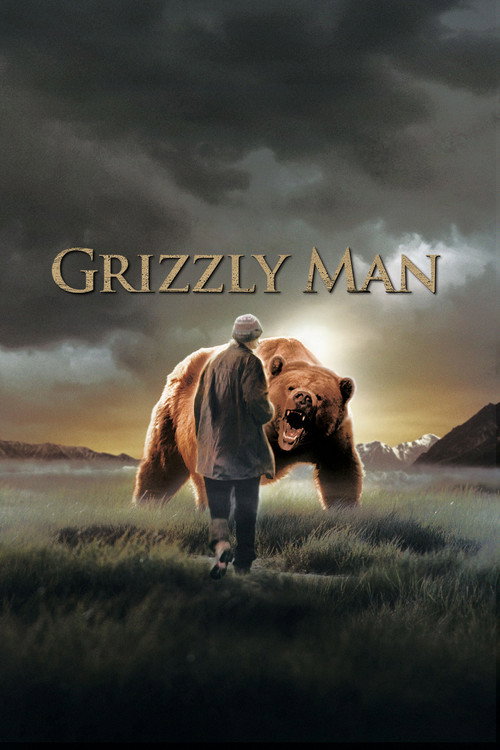
Grizzly Man2005
Werner Herzog examines a man killed by the bears he loved, refusing easy conclusions about idealism, obsession, and nature's indifference. It's about how conviction can be both beautiful and self-destructive, which haunts every environmental cause.
But Herzog's voiceover can be portentous, and the film circles its subject rather than advancing linearly. Some find his style precious.
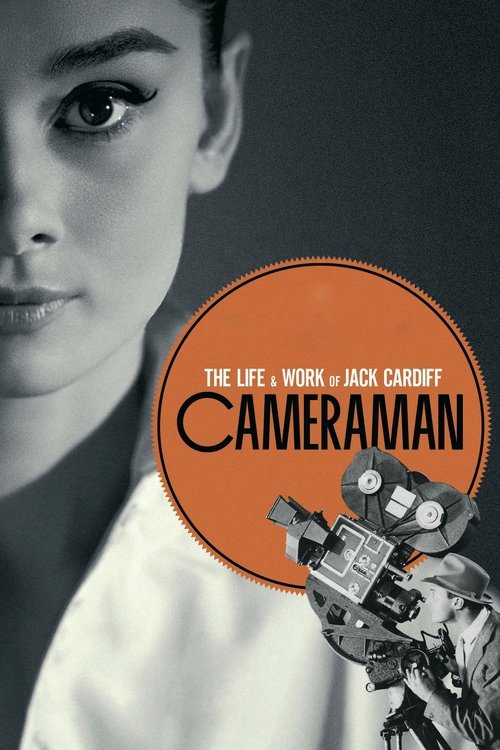
Cameraman: The Life and Work of Jack Cardiff2010
Documentary about how cinema captures the world. A Whale of a Tale is also a film about seeing—what we're shown, what we choose to look at. This explores the ethics and aesthetics of that choice through a cinematographer's 50-year career.
But Highly technical and film-history focused. Unless you're interested in color grading and camera movement, the subject may feel narrowly specialized.
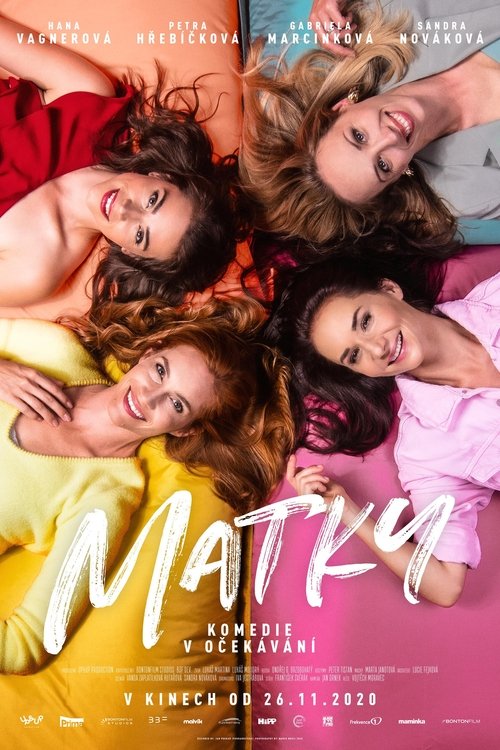
Mothers2021
Both examine how global forces collide with local identity through the eyes of people caught between. Both refuse the activist's moral certainty.
A Kazakh documentary following women in a village facing climate collapse and economic devastation, shot in long observational takes. Like A Whale of a Tale, it centers ordinary people navigating impossible pressures—tradition, survival, dignity—with no moral purity on offer anywhere.
But Extremely slow; almost plotless by conventional standards. Requires patience and comfort with ambiguity. Not a film that delivers satisfying answers.
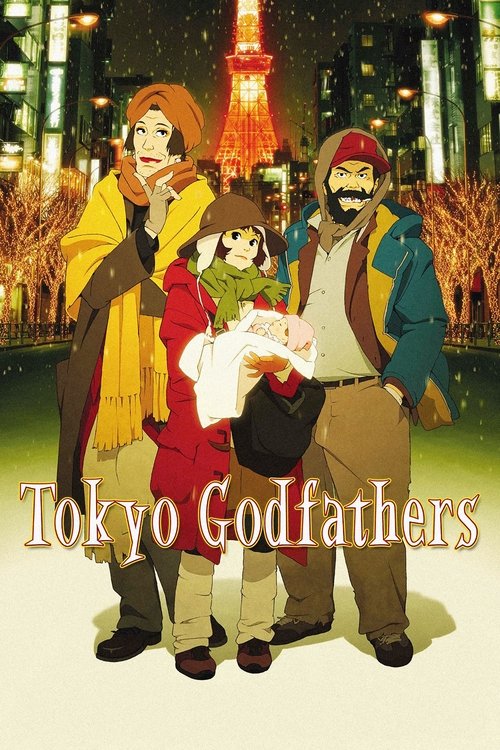
Tokyo Godfathers2003
Both dramatize the possibility of real conversation between people whose interests seem fundamentally opposed. Both ask whether empathy survives conflict.
Satoshi Kon animated film about three homeless people trying to return a baby to her parents. Unexpectedly warm and philosophically generous. It's a film about human connection across difference and mistrust—which is precisely what A Whale of a Tale is also trying to achieve.
But Animated and frequently comedic, which might undermine the seriousness you're seeking. The plot hinges on coincidence, which some find structurally lazy.
People
Directing
- Megumi SasakiDirector
Production
- Masahiro HandaExecutive Producer