
Film
Cameraman: The Life and Work of Jack Cardiff
A portrait of Jack Cardiff, the cinematographer who lit some of cinema's most visually stunning films across seven decades. Scorsese, Douglas, and Bacall testify to his genius with color and composition. It's a love letter to craft, to the lost art of Technicolor, and to a man who shaped how we see.
Should you watch it?
Watch it if you love how images are made, and want to hear working filmmakers talk about lighting, colour and the craft of the camera rather than the stars in front of it.
Skip it if you want a sharp, investigative documentary with hard questions; this reads as an affectionate tribute, so the praise runs warm and the critical edge is thin.
What it asks of you: Slow and mostly talk, about an hour and a half of interviews over film clips, rewarding close attention to frames rather than plot.
Not sure? Find tonight's pick in a minute.
If you liked this
The Red Shoes1948
Cardiff's masterpiece—a film that moves like ballet, painted in Technicolor so vivid it feels impossible. Powell and Pressburger crafted pure cinema here, and Cardiff's camera is as essential as any actor.
But Its artificiality can feel remote. The emotional core matters less than the visual spell, which won't move everyone equally.

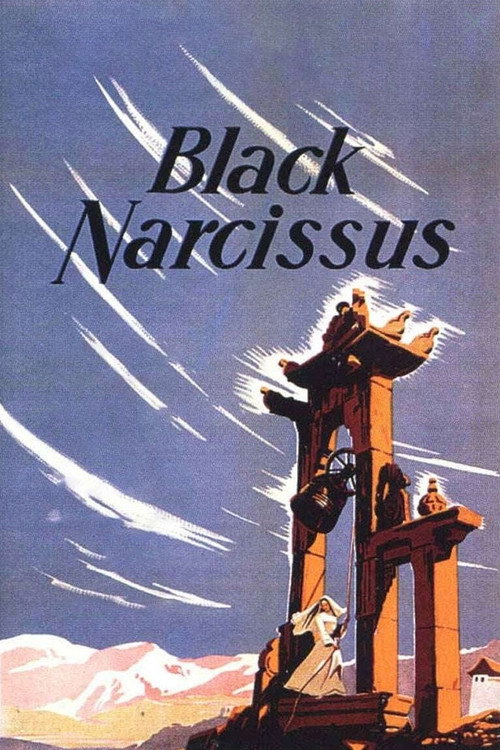
Black Narcissus1947
Cardiff won his first Oscar for this—a convent thriller that explodes in color on a mountaintop. It's technically dazzling and genuinely tense, a perfect showcase for what he could do with light and hue.
But The plot is slight by design. If you need psychological realism or naturalistic acting, the melodrama might feel overwrought.
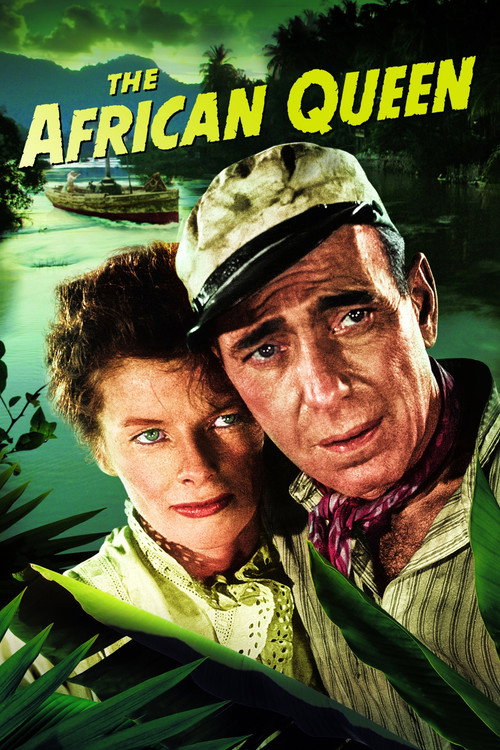
The African Queen1952
Bogart and Bacall in the jungle, and Cardiff makes the landscape a character. It's adventure cinema that actually works—funny, thrilling, and shot with such clarity you forget you're watching a studio picture.
But It's a studio film dressed as location shooting, which some find phony. The gender politics are dated enough to distract.
Not sure tonight? Get a pick in a minute, starting from Cameraman: The Life and Work of Jack Cardiff
The wildcard
Something you would not have found on your own.
Contempt1963
Both films are arguments about cinema's soul—Cardiff's shot through visual rapture, Godard's through skepticism. Each is incomplete without the other.
Godard's film-within-a-film uses Technicolor to explore cinema itself—what it captures, what it misses, how we see. It's about the death of old cinema, lit and framed like a coffin made of light. Cardiff didn't shoot it, but it's a conversation with everything he believed color could mean.
But It's deliberately difficult. Long static shots, philosophical dialogue, and a plot that dissolves. Godard doesn't want you comfortable.

More like this (8)
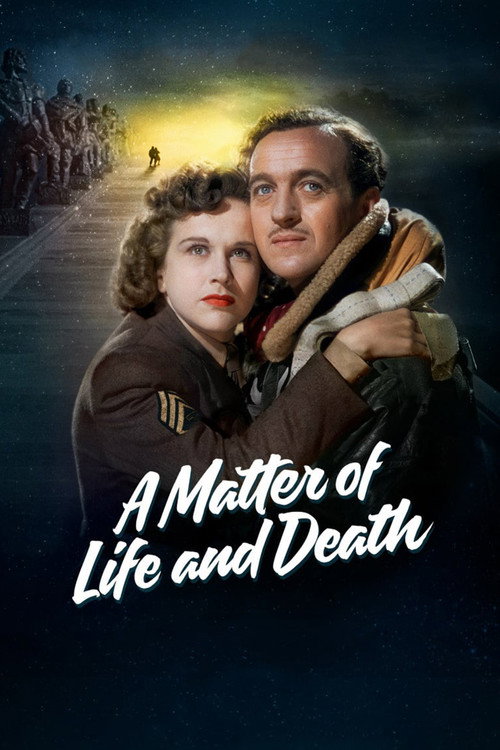
A Matter of Life and Death1946
A wounded pilot talks to an afterlife bureaucrat. Cardiff shot it partly in color, partly in black-and-white, and that choice alone justifies watching. It's visually audacious in ways that still feel modern.
But The whimsy doesn't work for everyone. Some find it precious; others find it soppy.
Singin' in the Rain1952
Not Cardiff's film, but watch it for what Technicolor does to Gene Kelly's physicality and Donald O'Connor's face. This shows you what Cardiff understood: color isn't decoration, it's information.
But If you've outgrown musicals, nothing here will convince you. It's unapologetically joyful in a way that can feel thin.

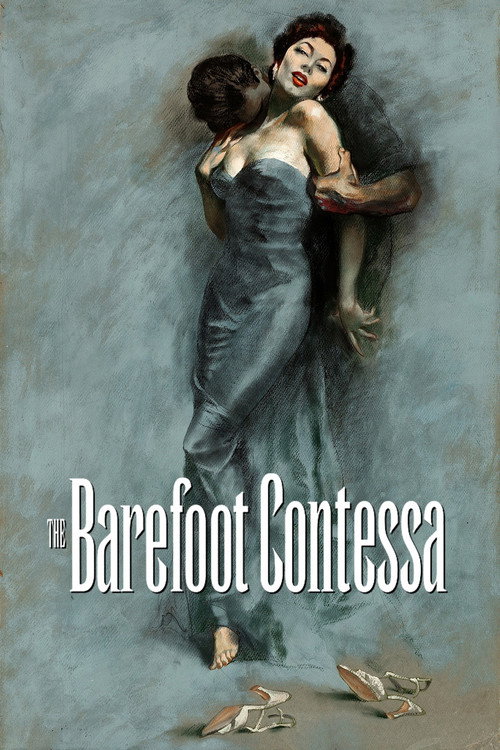
The Barefoot Contessa1954
Ava Gardner in a dress that looks like it was lit by angels. Cardiff's work here—the way he photographs women, the texture of fabrics and skin—is criminally underrated and remains seductive.
But The story is gossip-column stuff, and it shows. The narrative feels dated and thin, though the images endure.
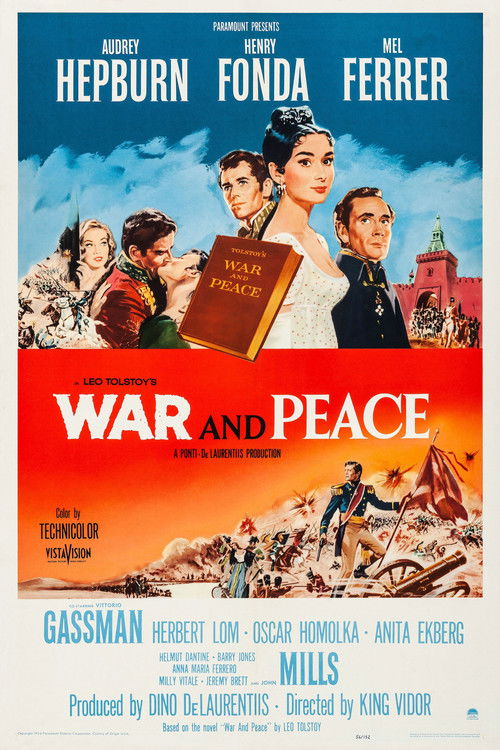
War and Peace1956
King Vidor directing Tolstoy with Cardiff lighting it. The battle scenes are operatic. It's ambitious in a way modern cinema rarely attempts—sprawling, costly, unashamed of its own scale.
But Nearly three and a half hours and the pacing reflects its era. Character depth takes a backseat to spectacle, which works if you're in the mood.
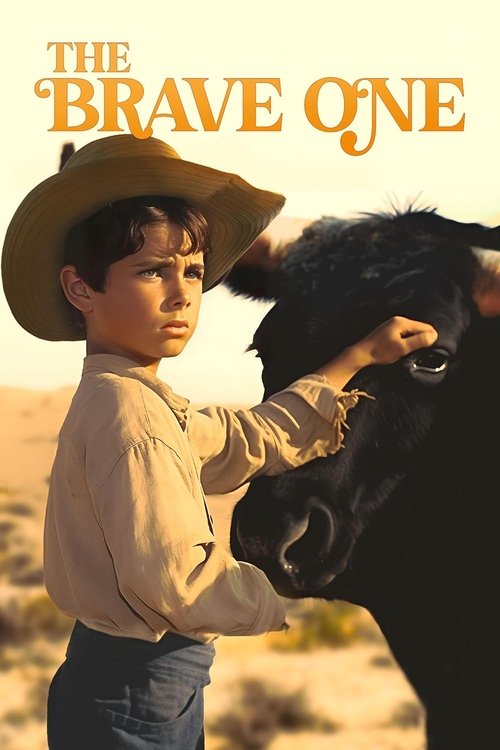
The Brave One1956
A boy and his bull in Mexico, shot in VistaVision and color. It's simple and emotionally direct—Cardiff proving he could make you care about a child and an animal without flourish.
But Simplicity reads as slight to some. It's a children's film for adults, which narrows its appeal.
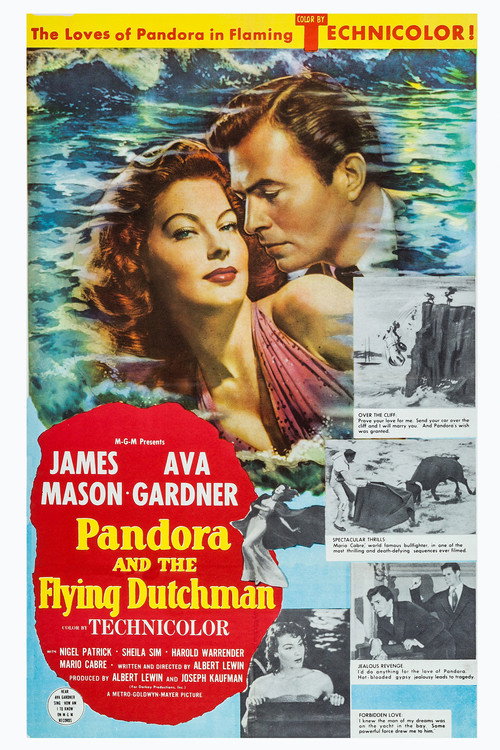
Pandora and the Flying Dutchman1951
A dreamlike fantasy with Ava Gardner and James Mason on a Spanish coast. Cardiff shot it with such saturated color that it feels less like a film than a moving painting. Gloriously strange.
But The plot is gossamer-thin and the dialogue overwrought. If you need narrative momentum, this will test your patience severely.
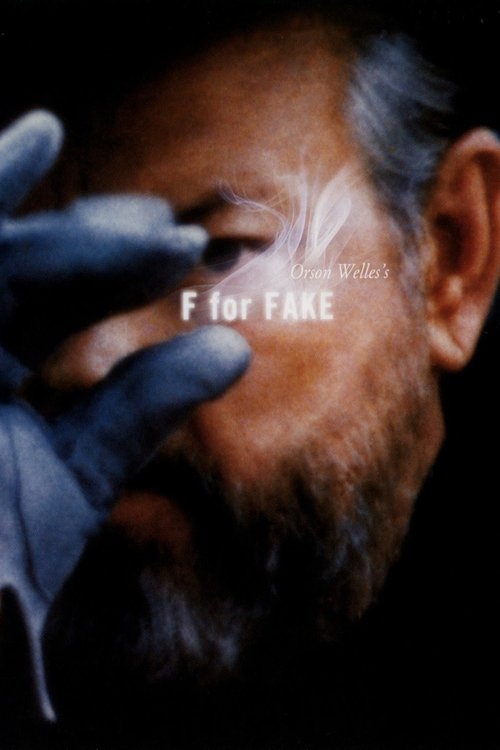
F for Fake1973
Both are late-career artists making documentaries about their own medium's power. Both suggest that technique—how you see—matters more than what you're seeing.
Welles made a documentary about fakery and authenticity, jumping between Picasso, Michelangelo, and a con artist. It's a film about cinema's power to lie, and therefore to reveal truth. At 86 minutes, it moves like Cardiff's documentary itself—intimate, essayistic, alive.
But It's fragmented and playful, which some mistake for shallow. The essay form demands patience and a willingness to follow tangents.
Sans Soleil1983
Both films are elegies for cinema—Cardiff for the beauty it can hold, Marker for the truth it cannot quite capture. Both argue that style is substance.
Chris Marker's essay film is a visual and intellectual journey through memory, image, and cinema itself. It's shot documentary-style, but edited and mounted like a visual poem. Twenty years after Cardiff's film, it asks the same question: what does it mean to see?
But There's no plot. It requires active attention. The voiceover can feel cold, and the formal experiments may frustrate those who want narrative.

People
Cast
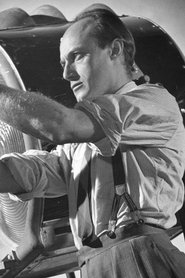 Jack CardiffSelf
 Martin ScorseseSelf – Interviewee
 Kirk DouglasSelf – Interviewee
 Lauren BacallSelf – Interviewee
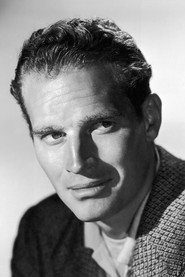 Charlton HestonSelf – Interviewee
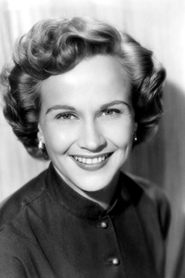 Kim HunterSelf – Interviewee
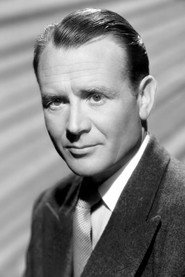 John MillsSelf – Interviewee
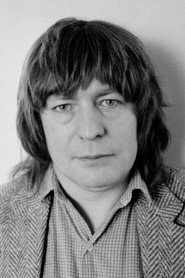 Alan ParkerSelf – Interviewee
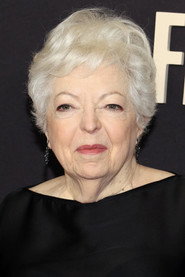 Thelma SchoonmakerSelf – Interviewee
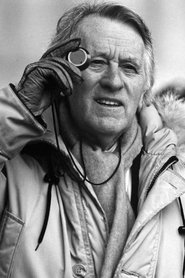 Freddie FrancisSelf – Interviewee
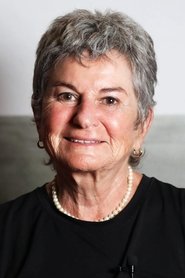 Raffaella De LaurentiisSelf – Interviewee
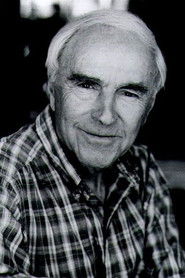 Richard FleischerSelf – Interviewee
Directing
- Craig McCallDirector
Production
- Sean BroughtonAssociate Producer
- Craig McCallProducer
Recommended by
A Private War, A Whale of a Tale, Godard Mon Amour, The Burning Field, Hell on Earth: The Story of Hellraiser III