
Film
The Burning Field
- Very dark
- Slow-burning
The Burning Field is a documentary portrait of four young Ghanaians working in Agbogbloshie, one of the world's largest electronic waste dumps. Shot with intimate access and without preaching, it shows what daily life actually looks like in an environmental catastrophe—the ingenuity, humor, and exhaustion of people living inside a problem the Global North created and exported.
If you liked this
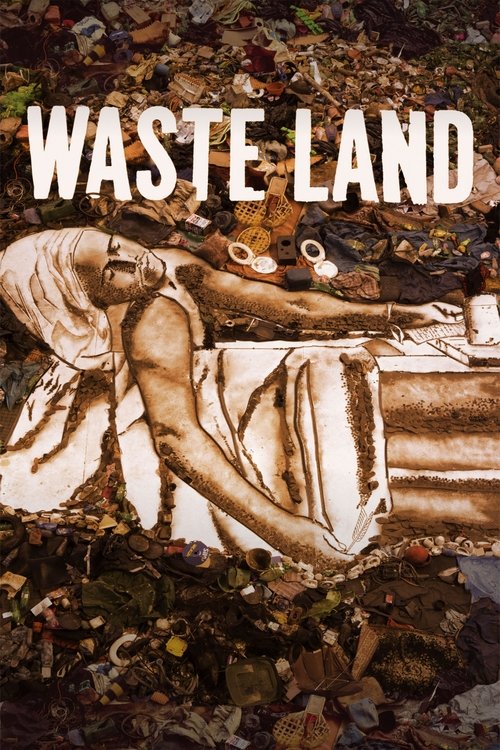
Waste Land2010
A documentary following artists and catadores (waste pickers) at a Rio landfill. Like The Burning Field, it finds dignity and creative resilience in people whose labor we'd rather not think about, and refuses easy sentiment.
But The art-world angle might feel like it's searching for redemption in the wrong places. Some viewers find it patronizing despite good intentions.
The True Cost2015
An investigation into the human and environmental toll of fast fashion. It connects the dots between what we buy and where it ends up, using real stories rather than statistics to make the connection impossible to ignore.
But It's essentially an extended argument. If you came for nuance rather than provocation, you'll feel the film's agenda pushing.

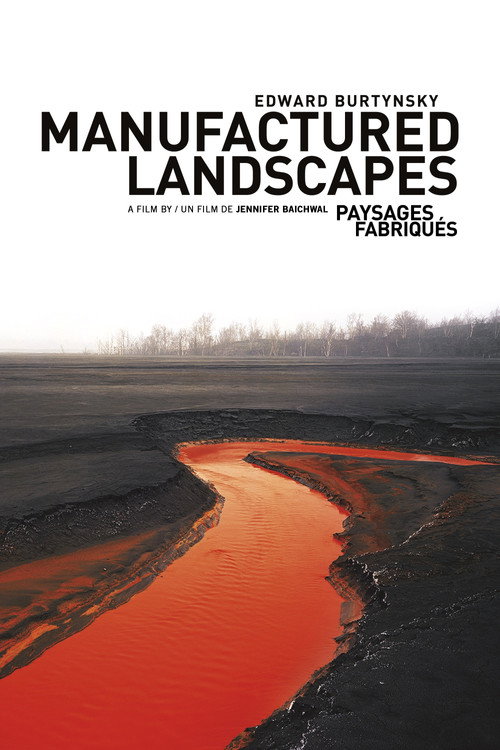
Manufactured Landscapes2006
Edward Burtynsky's stunning photography becomes a film about industrial landscapes and their scale. Like The Burning Field, it makes you reckon with infrastructure most people never see, but through beauty rather than despair.
But More contemplative than narrative. If you need character or plot momentum, this meditative pace will feel glacial.
Not sure tonight? Get a pick in a minute, starting from The Burning Field
The wildcard
Something you would not have found on your own.
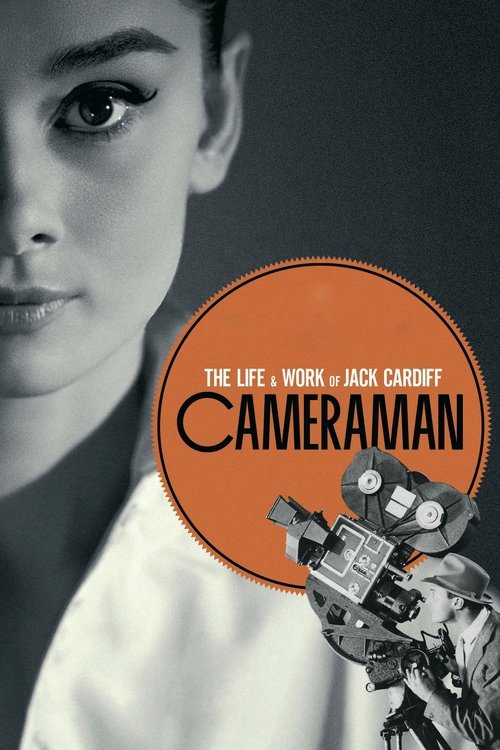
Cameraman: The Life and Work of Jack Cardiff2010
Both argue that *how* you look at something—with care, with attention, with skill—is a form of resistance and dignity.
A documentary about a cinematographer who shot some of cinema's most beautiful films. The connection: both are about seeing—how framing, composition, and the act of looking itself can transform what we pay attention to. Cardiff made the invisible visible; so does The Burning Field.
But It's cinema-lover niche. If you're not interested in how images are made, you'll feel the film is about technique rather than meaning.
More like this (4)
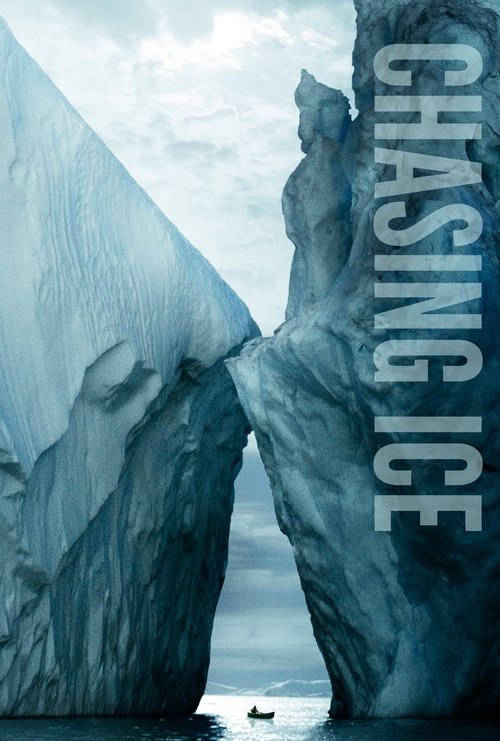
Chasing Ice2012
Time-lapse photography of glacial collapse by a climate scientist. It's urgently watchable—you can see change happening in real time—and avoids the doom-and-gloom cliché by letting the images speak.
But The score is manipulative. Some scenes feel designed to extract emotion rather than earned by what's on screen.
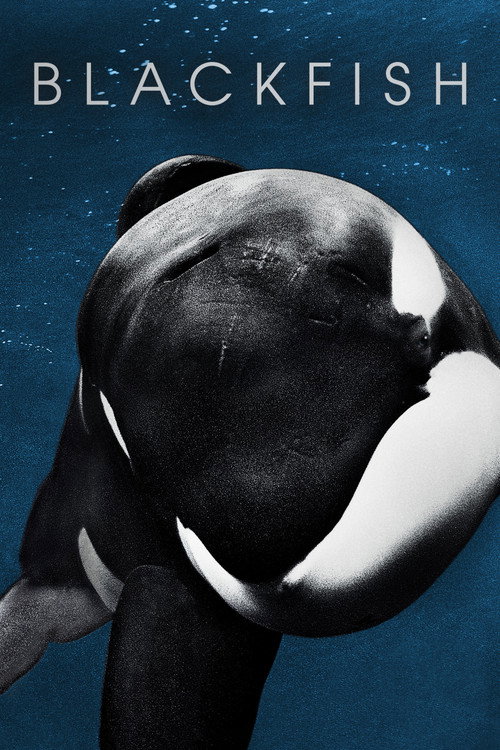
Blackfish2013
An investigation into SeaWorld that becomes a film about exploitation, confinement, and what we owe the creatures we use for entertainment. Direct, propulsive, impossible to look away from.
But Once you know the argument, rewatching feels like repetition. It's persuasion, not exploration.
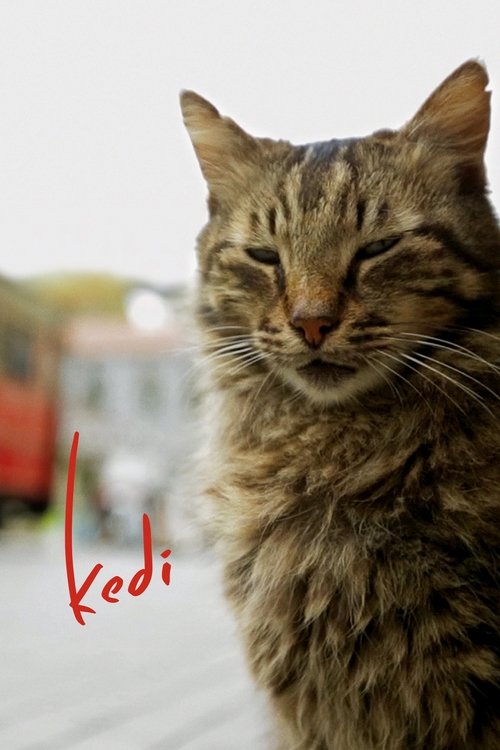
Kedi2017
A documentary about street cats in Istanbul. It's warm and digressive, more interested in intimacy than argument. A reminder that documentaries don't have to prove a point to move you.
But Whimsical to the point of weightlessness. After The Burning Field, this might feel like cotton candy.
The Act of Killing2012
Both films make visible what the powerful want hidden. Both ask uncomfortable questions about complicity: who benefits from not seeing this?
A documentary where death-squad leaders in Indonesia recreate their murders as entertainment. Horrifying and brilliant—it shows how people justify atrocity through narrative, and how cinema itself can be weaponized or redirected.
But Profoundly disturbing. You'll need emotional reserves. Some people find the approach—getting killers to perform—exploitative rather than illuminating.

People
Directing
- Justin WeinrichDirector