
Film
The Barefoot Contessa
A 1954 Hollywood tragedy about a washed-up director who resurrects his career through a stunning, free-spirited woman discovered in a Madrid nightclub. Ava Gardner is magnetic as Maria Vargas, caught between artistic ambition and the corrupting machinery of stardom. Humphrey Bogart anchors the film as a man clinging to relevance. It's a cynical, gorgeous look at desire, exploitation, and the cost of fame.
Should you watch it?
Watch it if you enjoy sharp, wordy dialogue about movies and money, and a romance that grows out of character rather than contrivance.
Skip it if you want brisk pacing or a lighter touch, since it runs over two hours and its cynicism about Hollywood and glamour rarely lets up.
What it asks of you: It sits with long conversations and slow-building resentment, so it wants patience and close listening more than momentum.
Not sure? Find tonight's pick in a minute.
If you liked this
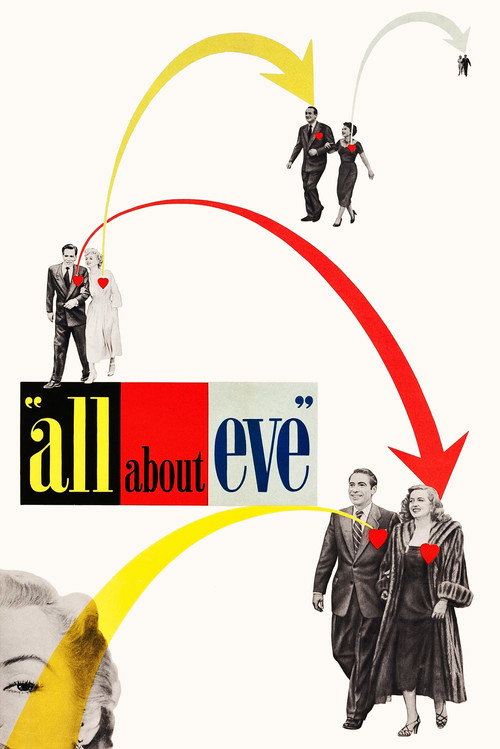
All About Eve1950
Bette Davis and a brilliant ensemble dissect Hollywood ambition and the parasitic relationships that sustain it. Sharp, acidic dialogue and a structure that reveals character through motivation. A masterpiece about the machinery that chews people up.
But The pace is deliberate and the film privileges talk over action. If you need constant movement, this will feel stagey.
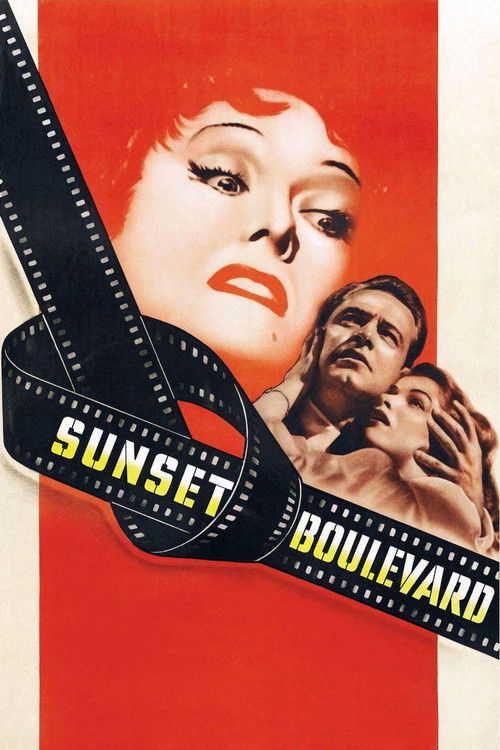
Sunset Boulevard1950
Billy Wilder's bleaker vision of Hollywood decay: a struggling screenwriter entangled with a delusional silent film star. Gloria Swanson is unforgettable. The darkness here is complete, the cynicism earned, the ending genuinely tragic.
But It's a bleak film about delusion and exploitation. There's no comfort in it, and the protagonist is not someone you root for.
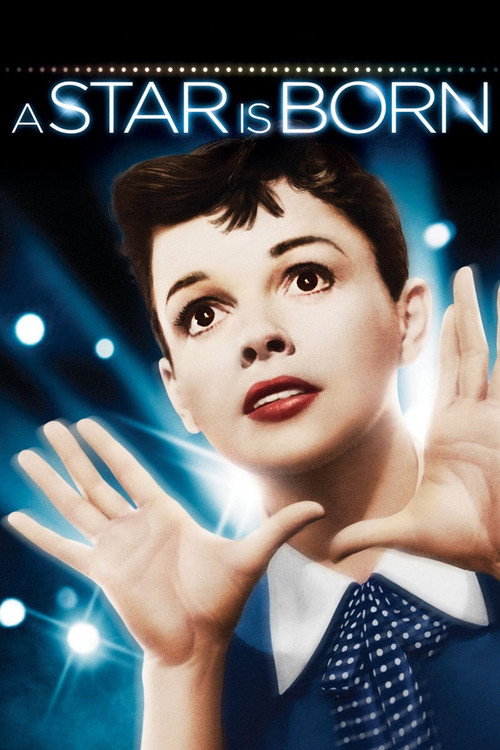
A Star Is Born1954
Released the same year as Contessa. Judy Garland and James Mason in a story about ascent and descent, ambition and self-destruction. The musical numbers are integrated into the narrative rather than breaking it. Devastating and beautiful.
But It's nearly three hours long, and the second half pivots into genuine tragedy. The entertainment value of the first half gives way to something much harder to watch.
Not sure tonight? Get a pick in a minute, starting from The Barefoot Contessa
The wildcard
Something you would not have found on your own.
The Killing1956
Both are about beautiful or talented people whose desires lead them into exploitation and tragedy. Both use multiple perspectives to show how each character has a private narrative that collides with everyone else's. Both understand that need is the engine of plot.
Kubrick's debut uses nonlinear structure to show a heist from multiple perspectives, with each character revealed as flawed and desperate. It has the same DNA as Contessa—people motivated by desire, undone by circumstance. But it's a thriller, not a tragedy, and the style is radically different. Urgent and unsentimental.
But The print quality is poor, the sound is thin, and it's shot in low-budget black and white. It looks like a 1956 B-movie. The narrative jumps can feel confusing on first viewing.

More like this (8)
The Killers1946
Bogart in noir mode, hunting for answers about a dead man. Ava Gardner is luminous and dangerous. The film unfolds in fragments, each revealing new layers of desire and betrayal. Tightly constructed and genuinely thrilling.
But It's from 1946 and looks it. The pacing is different from modern films—slower in setup, punchy in payoff. Some will find it dated.

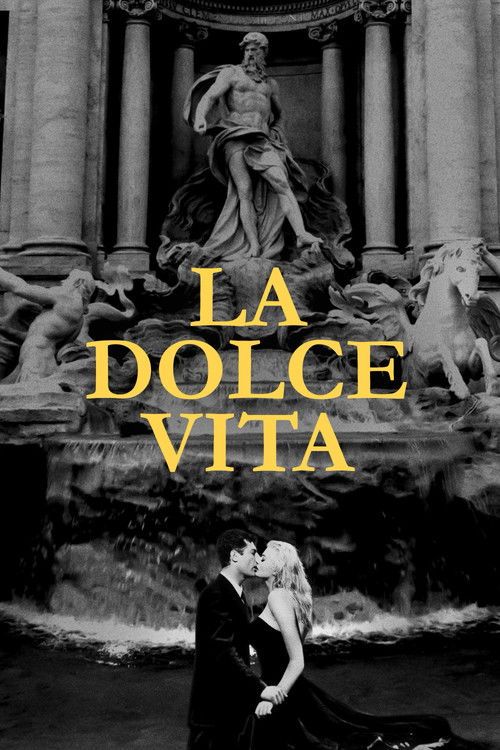
La Dolce Vita1960
Fellini's epic about Rome's beautiful people living in the wreckage of meaning. It has the same fascination with glamour and corruption, the same eye for the grotesque beneath the glittering surface. Visually rapturous and morally searching.
But It's 3+ hours, not in English, and the narrative drifts rather than drives. It's about atmosphere and observation more than plot. Patience required.
Singin' in the Rain1952
Gene Kelly, Donald O'Connor, and Debbie Reynolds in what might be the most joyful Hollywood musical ever made. It's also genuinely clever about the transition from silent films to talkies and the phoniness that comes with it. Entertainment that doesn't compromise on substance.
But It's primarily a musical, and if big song-and-dance numbers feel forced to you, the film's pleasures will mostly pass you by.

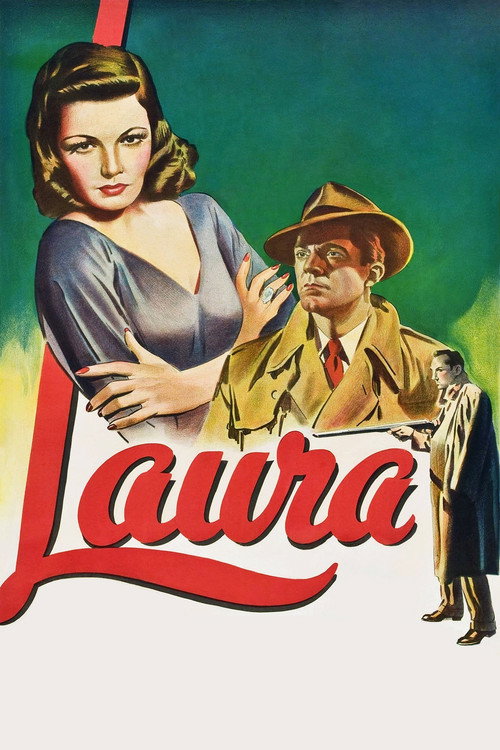
Laura1944
Otto Preminger's noir classic about obsession and the danger of projecting fantasy onto a real person. Gene Tierney is mysteriously beautiful, and the detective's investigation doubles as a meditation on desire. Elegant and unsettling.
But The plot hinges on mid-century attitudes toward women that will feel troubling. The pacing is slow by modern standards.
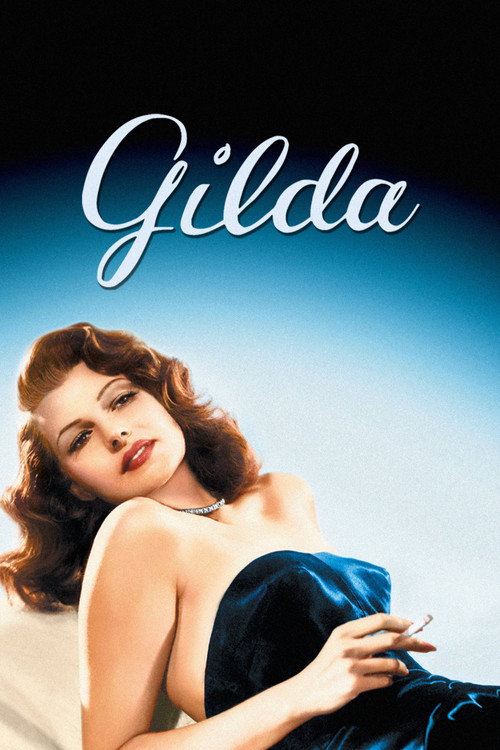
Gilda1946
Rita Hayworth as the most dangerously seductive woman in cinema, leaving destruction in her wake. Glenn Ford matches her perfectly in a dance of desire and resentment. It's about how men project power onto women they claim to hate.
But It's a long buildup to its payoff. Some will find it theatrical or dated. The sexual dynamics, while intentional, might feel uncomfortable.
The Red Shoes1948
Powell and Pressburger's film about a ballet dancer caught between art and love, duty and desire. Visually extraordinary. A genuine tragedy about the cost of perfection and the men who exploit it. The climax is devastating.
But It's operatic and theatrical. The middle section is a long ballet sequence that, while beautiful, is testing if you're not invested in dance. The ending is very dark.

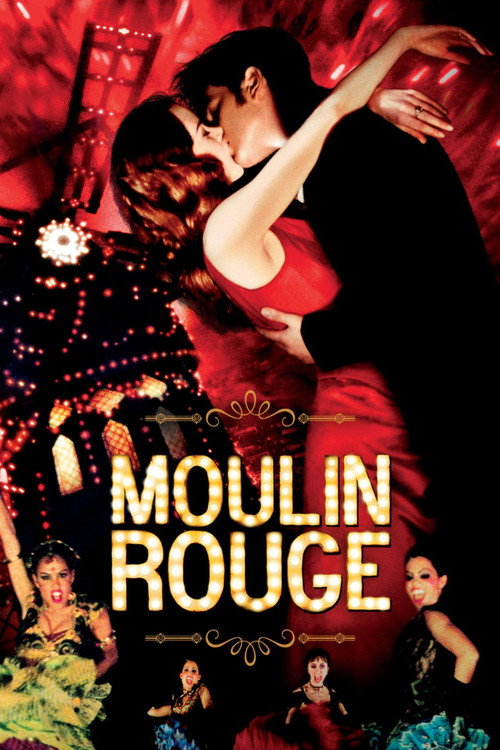
Moulin Rouge!2001
Both films foreground visual beauty while using it to critique beauty itself. Both have a woman at the center who is desired, manipulated, and destroyed by the men around her, even as she seems to hold all the power. Both understand that glamour and exploitation are the same thing filmed from different angles.
Baz Luhrmann's camp-maximalist musical about a doomed love affair in 1890s Paris. Ewan McGregor and Nicole Kidman, with production design that's intentionally overwrought. It's about artistic ambition, selling your body for survival, and the collision between idealism and commerce. It swings for the fences.
But It's aggressively theatrical and visually chaotic. The tonal shifts are jarring. Many people find it exhausting rather than moving. It's also set in a brothel, which some will reject immediately.
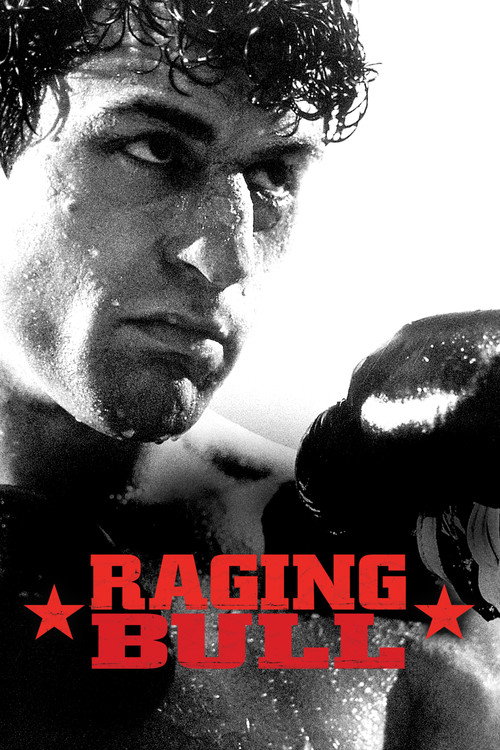
Raging Bull1980
Both are about talent and ego intertwined so completely that you can't separate the gift from the poison. Both use visual style to make the internal external. Both are films that understand that some people are built to fail, and that this isn't tragic—it's inevitable. Both are love letters to damaged men.
Scorsese's black-and-white film about boxer Jake LaMotta, a man whose rage and jealousy destroy everything he touches. Robert De Niro is raw and terrible and mesmerizing. It has the same tragic structure as Contessa—a gifted man whose nature guarantees his own destruction—but it's brutal where Contessa is elegiac. The filmmaking is virtuosic.
But It's violent, misogynistic, and about a man you actively dislike. Black and white in 1980 felt like a provocation. It's repetitive by design, which some experience as tedious. The central character is abhorrent.
People
Cast
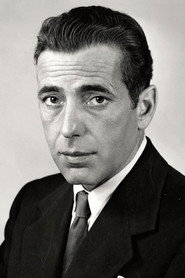 Humphrey BogartHarry Dawes
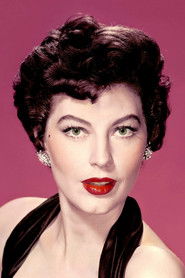 Ava GardnerMaria Vargas
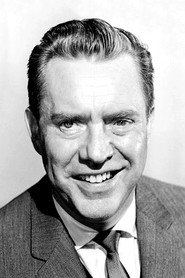 Edmond O'BrienOscar Muldoon
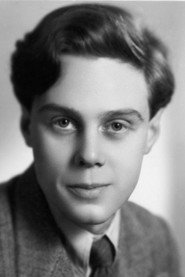 Marius GoringAlberto Bravano
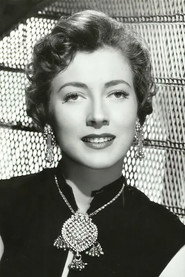 Valentina CorteseEleanora Torlato-Favrini
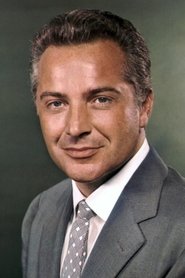 Rossano BrazziCount Vincenzo Torlato-Favrini
- Elizabeth SellarsJerry
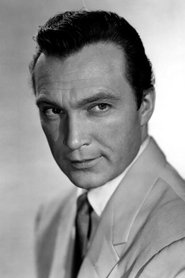 Warren StevensKirk Edwards
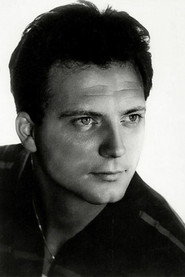 Franco InterlenghiPedro Vargas
 Mari AldonMyrna
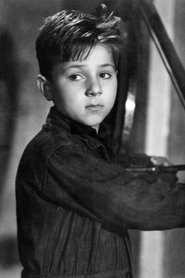 Enzo StaiolaBusboy
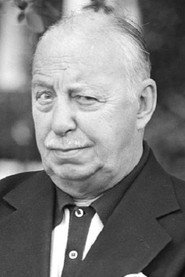 Bill FraserJ. Montague Brown
Directing
- Bernard VorhausAssistant Director
- Jean-Pierre MockyAssistant Director Trainee
- Joseph L. MankiewiczDirector
Writing
- Joseph L. MankiewiczWriter
Production
- Angelo RizzoliAssociate Producer
- Robert HaggiagAssociate Producer
- Forrest E. JohnstonProduction Manager
- Franco MagliProduction Manager
- Michał WaszyńskiProduction Manager
Recommended by
What Price Hollywood?, The Rose Tattoo, Marlene, Two Weeks in Another Town, The Sun Also Rises, Nigella Bites, Pandora and the Flying Dutchman, Cameraman: The Life and Work of Jack Cardiff, On Our Merry Way, Rope of Sand, Tender Is the Night, The Actress, The Snows of Kilimanjaro, The Loves of Carmen, The Macomber Affair, Secret Beyond the Door, Mogambo, Interlude, The Letter, Young Man with a Horn, White Cargo, Susana, Two Fat Ladies, The Music Lovers, Humoresque, The Story of Three Loves, The Story of Gilbert and Sullivan, Elephant Walk, The King's Thief, Cass Timberlane, Flame of the Islands, Song Without End, Milk Street Television, Carnival, I Can Get It for You Wholesale, The Left Hand of God, The Devil Is a Woman, Return to Paradise, Farmhouse Rules, The Lovers of Montparnasse, The Pioneer Woman, Valerie's Home Cooking, Flame and the Flesh, The Magnificent Matador, Indiscretion of an American Wife, The Son of Captain Blood