
Film
What Price Hollywood?
A Depression-era Hollywood drama about a waitress who catches a director's eye and rockets to stardom while he spirals into alcoholism and ruin. Sharp and unsentimental, it moves with real speed through the machinery of fame, asking what it costs to dream and who pays. Early Constance Bennett—brittle, funny, alive.
Should you watch it?
Watch it if you relish cynical backstage dramas about fame's glittering machinery, where a wisecracking heroine's climb is judged through a wry, unsentimental lens.
Skip it if you want the polished, buttoned-up studio gloss of later Hollywood pictures; this is loose, talky, and its comedy and melodrama sometimes sit awkwardly together.
What it asks of you: Roughly ninety minutes of brisk, dialogue-heavy scenes at a 1930s studio pace, shifting between giddy and melancholy as it goes.
Not sure? Find tonight's pick in a minute.
If you liked this
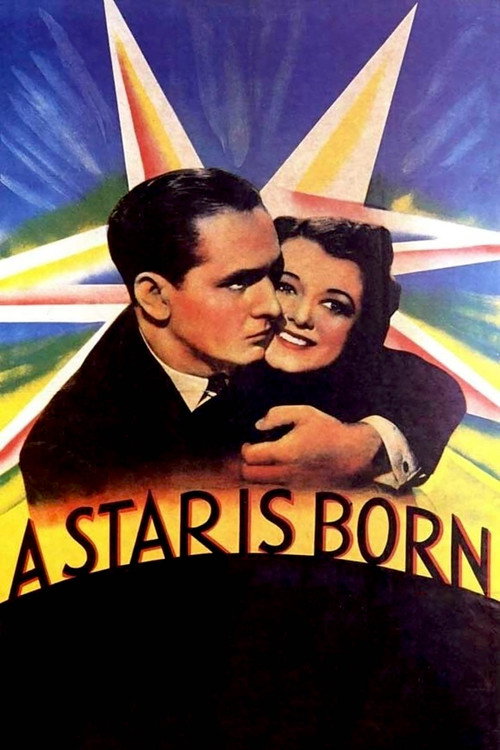
A Star Is Born1937
The gold standard for Hollywood-devours-its-own narratives. Janet Gaynor rises as Fredric March falls, and the film earns every ounce of tragedy with wit and style intact. A template *What Price Hollywood?* helped write.
But The melodrama occasionally tips toward soap-opera rhythms, and the ending requires you to accept some large moral gestures as redemptive.
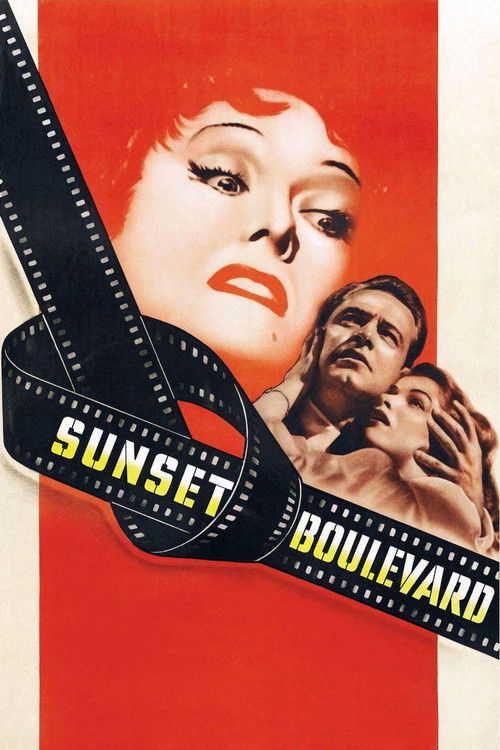
Sunset Boulevard1950
Billy Wilder's masterpiece about a failed screenwriter tangled with a faded silent star. Darker, more poisonous, and formally dazzling—it shows what the genre became when cynicism deepened into vision.
But Deliberately bleak and baroque. If you want hope or warmth, this will feel like being trapped in a crypt with a narcissist.
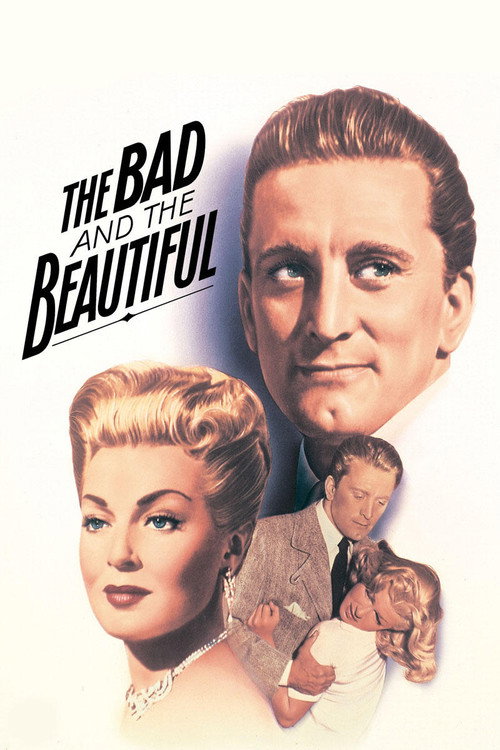
The Bad and the Beautiful1952
Kirk Douglas as a ruthless producer destroying everyone who loves him. Gorgeous, vengeful, and bursting with insider detail—it's *What Price Hollywood?* filtered through pure Hollywood spite and glamour.
But The structure (three parallel stories told in flashback) can feel fragmented if you're not engaged, and the moralizing wraps up neatly in a way the best versions resist.
Not sure tonight? Get a pick in a minute, starting from What Price Hollywood?
The wildcard
Something you would not have found on your own.
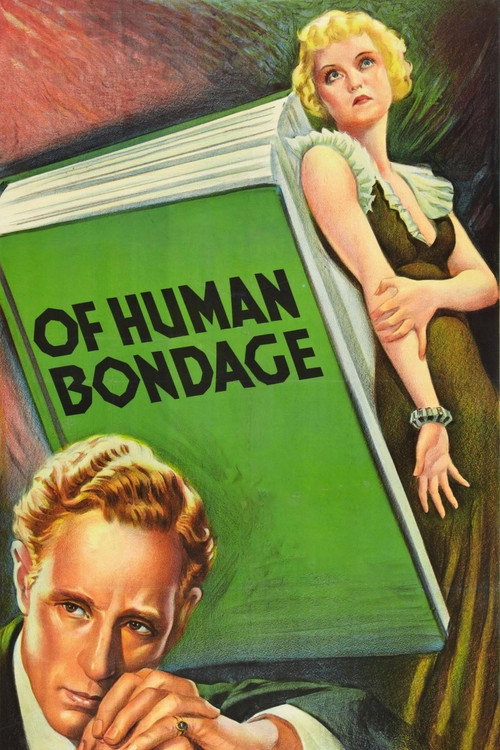
Of Human Bondage1934
Both films are about talented people destroyed by proximity to someone they love and cannot have. Both ask whether the destroyer or the destroyed is more tragic.
Bette Davis as a callous, magnetic woman who destroys the decent man who loves her, while Paul Muni dissolves in devotion. It's the same moral engine as *What Price Hollywood?*—ambition, desire, and cruelty—but the roles are reversed and the form is a darker, fiercer tragedy.
But Davis is deliberately unsympathetic, and the film never softens what she is. If you need a protagonist to root for, this will feel punishing.
More like this (8)
Singin' in the Rain1952
The flipside: a film about the transition from silent to sound cinema, made by people who adored it. Joyous, ingenious, and incidentally capturing the same era and machinery with very different hearts.
But If you're allergic to optimism or dance numbers, the relentless cheerfulness may feel like enforced fun rather than earned bliss.

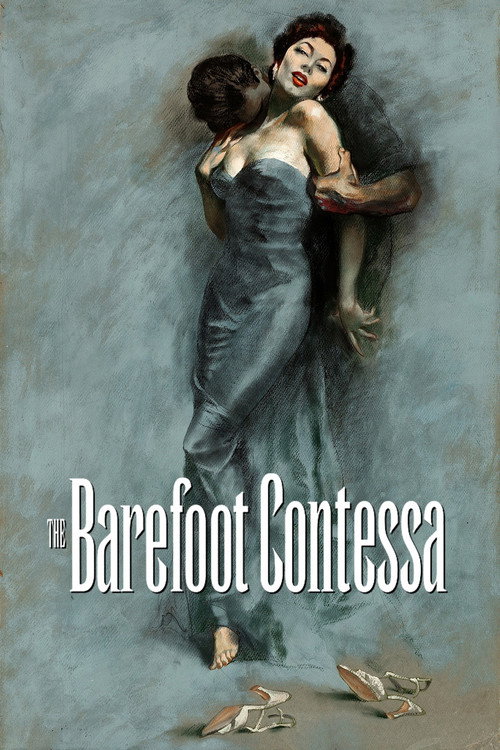
The Barefoot Contessa1954
Ava Gardner as a dancer pulled into the Hollywood and European elite, destroyed by forces she can't name. Elegant, sad, and gorgeously shot—it asks what fame costs a woman specifically.
But Paced like a long martini. If you need plot momentum or emotional clarity, it will feel frustratingly oblique.
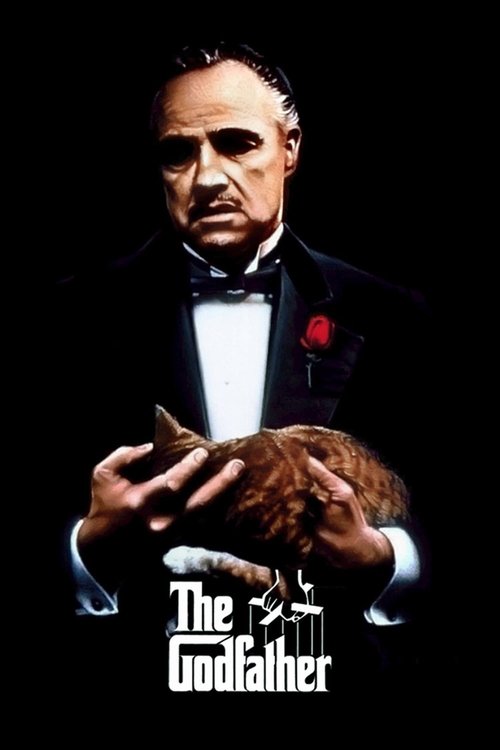
The Godfather1972
A different machine, same principle: ambition, loyalty, corruption, and the cost of power. The structure and moral architecture are vastly more complex, but the engine runs on the same fuel.
But Three and a half hours, and absolutely demands your attention. Not a film that lets you half-watch it.
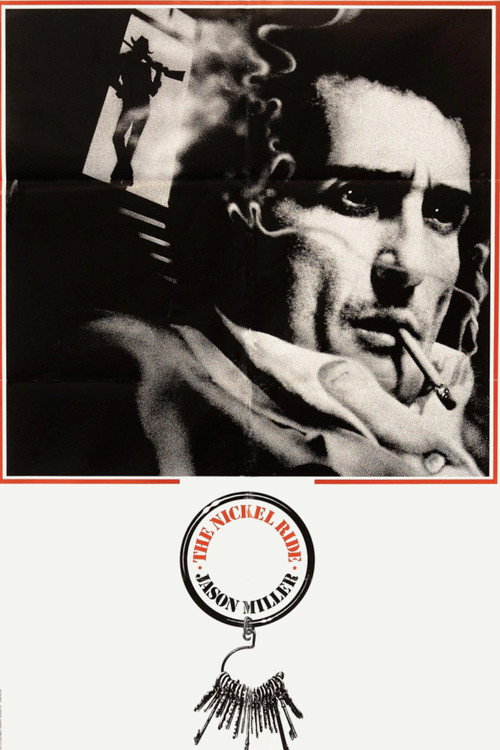
The Nickel Ride1975
Jason Miller as a small-time operator in LA's underworld, watching his world collapse. Grimy, tender, and precise—it's the same moral trajectory as *What Price Hollywood?* wearing a different jacket.
But Genuinely obscure, deliberately unglamorous, and structurally quiet. It will test your patience if you want conventional drama.
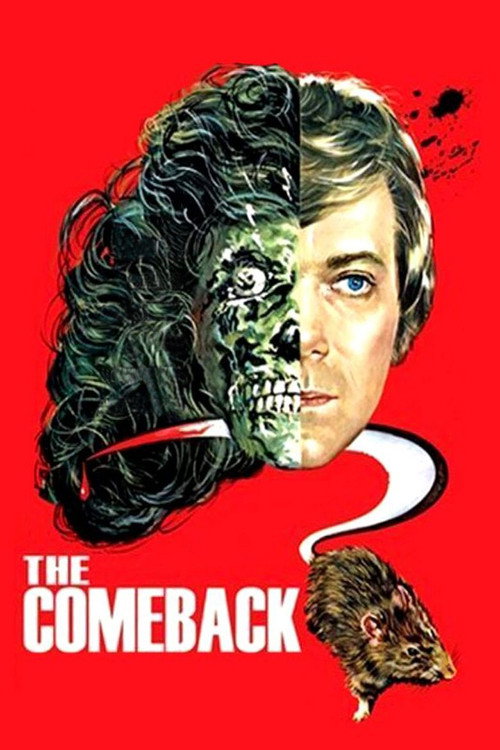
The Comeback1978
Jack Jones and Bill Irwin in a low-budget nightmare about fame and performance. Weird, dark, and deeply strange—it picks at the same wounds from a different angle, through a funhouse mirror.
But Genuinely hard to find and harder to love. The experimental approach to form will alienate most viewers within minutes.
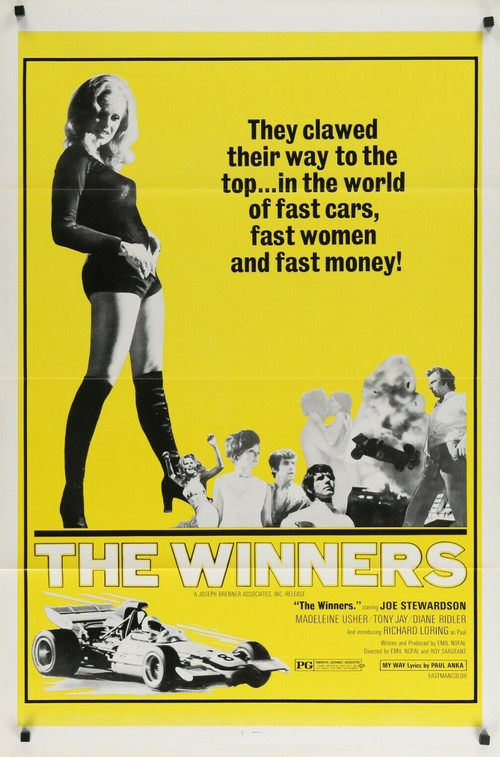
The Winners1972
An ensemble film about ambition in the entertainment world, made with real wit and sorrow. Captures the same texture of desperate hope and institutional cruelty.
But Lacks the clarity and thrust of stronger examples. Diffuse, sometimes unfocused, and likely to feel like a curio rather than a discovery.
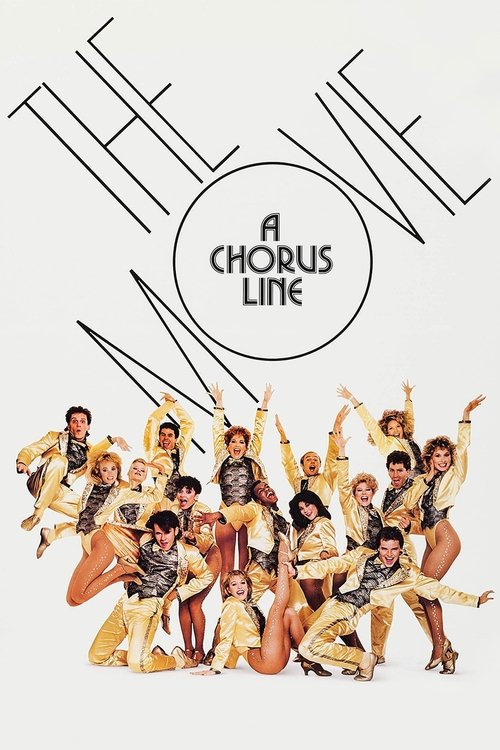
A Chorus Line1985
Same world (theatre, show business), opposite emotional register. *What Price Hollywood?* is the poison; this is the antidote. Watching them together tells you something true about ambition.
A movie musical about dancers auditioning for a Broadway show—hungry, vulnerable, giving everything for a moment of recognition. The tone is celebratory rather than cautionary, but the machinery of selection and rejection is identical, and the stakes feel absolutely real.
But Depends almost entirely on your tolerance for musical theatre. If song-and-dance numbers make you wince, no amount of emotional honesty will save it.
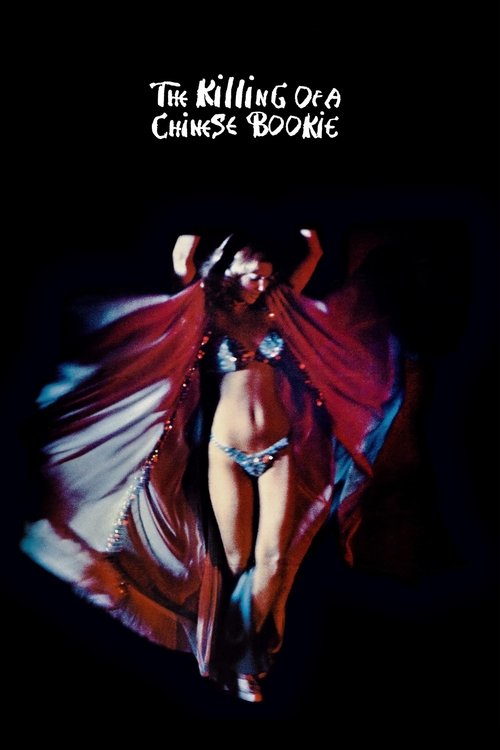
The Killing of a Chinese Bookie1976
Both are American films about men watching their power erode in a specific place (Hollywood, LA nightclubs). But where *What Price Hollywood?* is sharp and constructed, this one is messy and lived-in—it's the same tragedy photographed in a different light.
John Cassavetes as Cosmo, a club owner and small-time hustler trying to stay afloat in LA. Shambolic, intimate, gorgeously shot in black and white—it's about a man watching his carefully constructed world disintegrate, the same arc as *What Price Hollywood?* but lived in real time, with no glamour, no plot, just survival.
But Deliberate, slow, and structurally loose. Cassavetes makes films for people who love cinema as much as story. If you want narrative clarity or a third act that resolves things, this is not your film.
People
Cast
 Constance BennettMary Evans
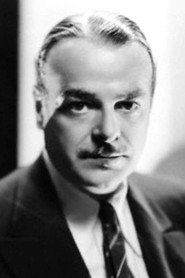 Lowell ShermanMaximilian 'Max' Carey
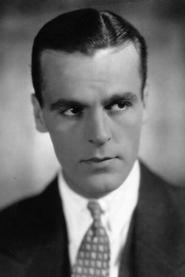 Neil HamiltonLonny Borden
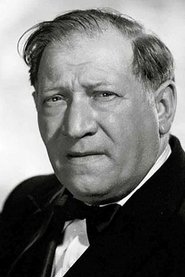 Gregory RatoffJulius Saxe
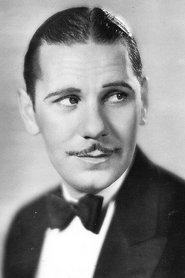 Brooks BenedictMuto
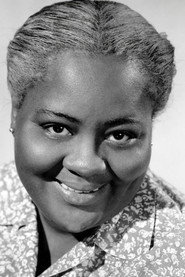 Louise BeaversMary's Maid Bonita
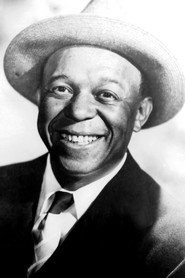 Eddie 'Rochester' AndersonMax's Butler James (uncredited)
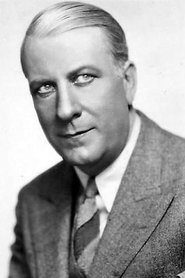 King BaggotDepartment Head (uncredited)
- Gerald BarryJohn Reed (uncredited)
- Veda BucklandBaby Jackie's Nursemaid Nana (uncredited)
- Nicholas CarusoChef at Brown Derby (uncredited)
 Lita ChevretActress Filming on Movie Set (uncredited)
Directing
- Edward KillyAssistant Director
- James HartnettAssistant Director
- George CukorDirector
- Trudy WellmanScript Supervisor
Writing
- Robert Presnell Sr.Adaptation
- Allen RivkinScreenplay
- Ben MarksonScreenplay
- Jane MurfinScreenplay
- Adela Rogers St. JohnsStory
- Louis StevensStory
- Gene FowlerWriter
- Rowland BrownWriter
Production
- Pandro S. BermanAssociate Producer
- David O. SelznickExecutive Producer