
Film
The Comeback
Other titles called The Comeback: the 2005 series (HBO), the 2023 film.
A washed-up singer retreats to a creepy mansion to craft a comeback album, only to find his ex-wife murdered and himself the likely next target. This is a slow-burn seventies thriller that trades jump-scares for dread, building unease through isolation, paranoia, and the growing certainty that something very wrong is happening. It's for people who love the patient, shadowy horror of that era—when atmosphere mattered more than gore.
If you liked this
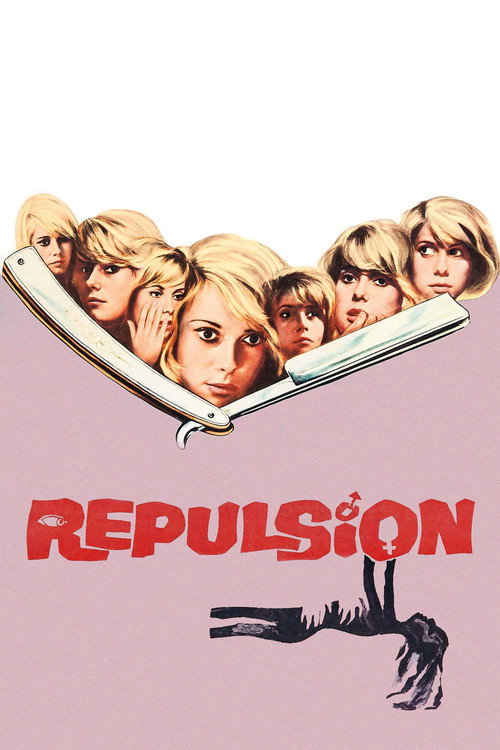
Repulsion1965
Polanski's masterpiece traps you inside a woman's fractured mind as her apartment becomes a maze of hallucination and terror. Like The Comeback, it uses confined spaces and creeping psychological breakdown to generate genuine horror without relying on plot mechanics.
But It moves very slowly, and some of the imagery—particularly around sexuality and decay—feels deliberately ugly in ways that may alienate rather than frighten.
Suspiria1977
Dario Argento's visual masterpiece saturates every frame in color and dread. A woman arrives at a sinister dance academy; like The Comeback, we're watching someone slowly realize the walls around them are closing in and help won't come.
But The plot is deliberately thin and the dubbing can feel distant. If you need logic to drive your story, this will frustrate you.

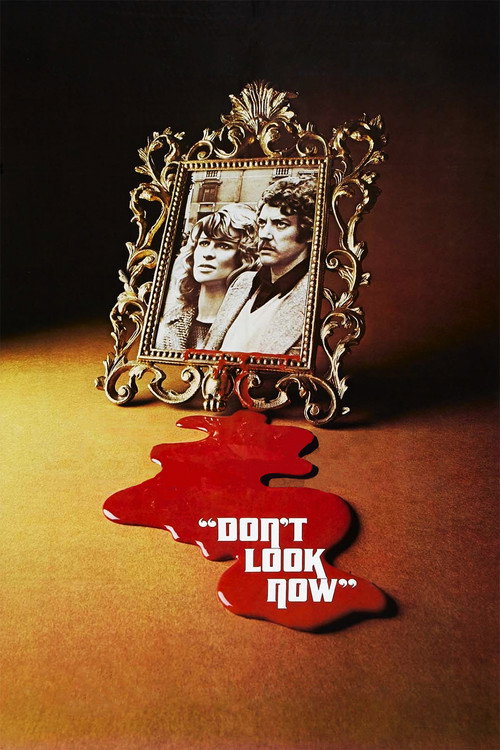
Don't Look Now1973
A couple grieving their daughter encounters two mysterious old women in Venice. It builds paranoia and unease through atmosphere and editing, then delivers a gut-punch ending. Both films understand that fear is mostly about what you don't quite see.
But It's deeply sad underneath the thriller machinery, and the pacing is unhurried in ways that modern audiences sometimes find slow.
Not sure tonight? Get a pick in a minute, starting from The Comeback
The wildcard
Something you would not have found on your own.
Possession1981
Both use physical spaces and confinement as metaphors for psychological breakdown; both suggest that guilt and innocence are less important than the paranoia that destroys everyone it touches.
Andrzej Żuławski's fever-dream horror about a marriage collapsing into violence and madness in divided Berlin. It's chaos where The Comeback is control—but both films are built on paranoia, betrayal, and the terror of sharing space with someone whose mind has become a stranger. The raw emotional violence is unforgettable.
But It's deliberately chaotic, features graphic violence, and the dialogue sometimes feels unmoored from normal conversation. Some call it a masterpiece; others find it unbearable to watch.

More like this (8)
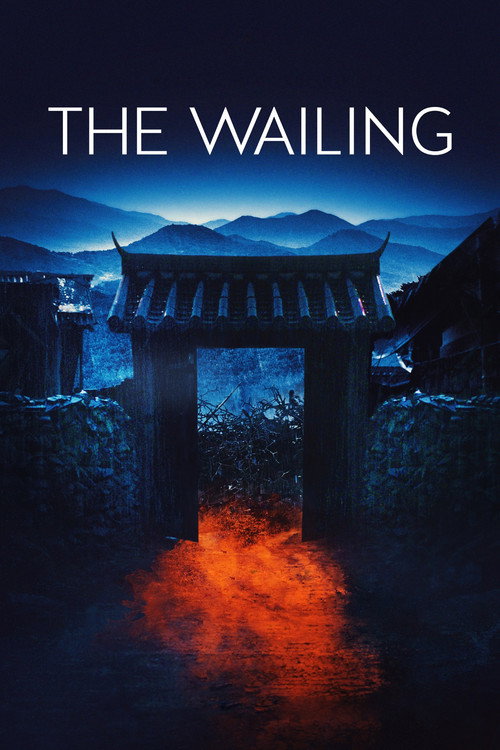
The Wailing2016
A Korean thriller where a village spiral into suspicion and violence after a mysterious stranger's arrival. Like The Comeback, it's built on paranoia, isolation, and the question of who is really guilty—and whether certainty even matters.
But It's nearly three hours, densely layered, and deliberately ambiguous about what actually happened. Viewers seeking clarity will leave angry.
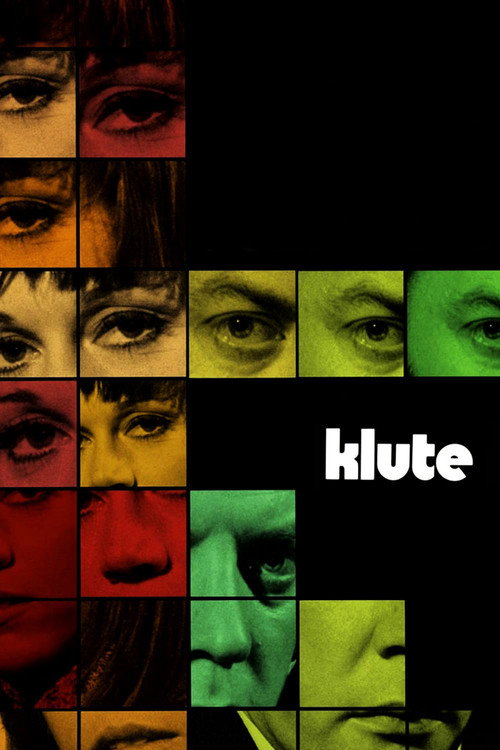
Klute1971
A detective and a call girl become entangled in a missing-persons case that spirals into psychological danger. It shares The Comeback's deliberate pacing and its interest in how people unravel when trapped by circumstances beyond their control.
But The thriller plot is secondary to character study and atmosphere. If you want propulsive action, you're watching the wrong film.
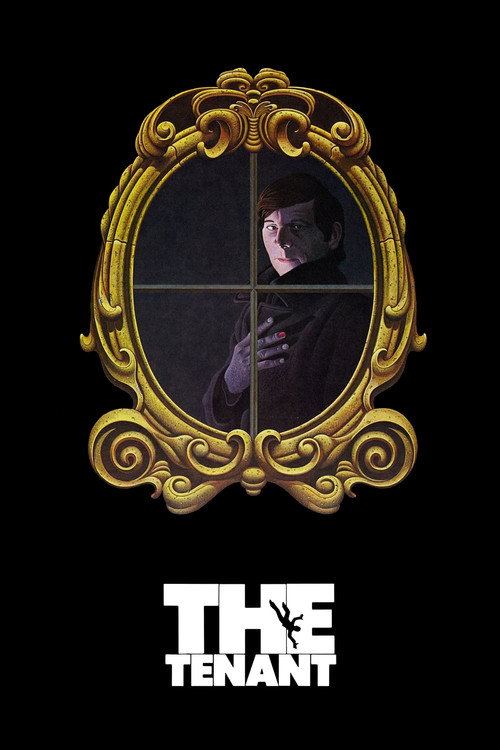
The Tenant1976
Polanski again: a man rents an apartment and gradually realizes the building itself—or its inhabitants—are conspiring against him. The paranoia and claustrophobia mirror The Comeback's sense of inescapable dread.
But It's genuinely unsettling in ways that feel more like psychological torment than entertainment. Some find it bleak rather than thrilling.
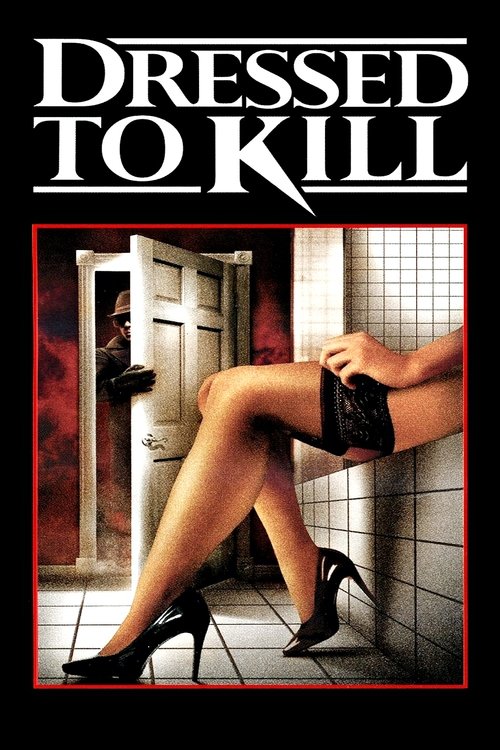
Dressed to Kill1980
De Palma's slick thriller about a woman murdered and a call girl hunted by the killer. It channels seventies paranoia and has the same DNA as The Comeback—sexual danger, false certainty about guilt, murder as the engine of narrative momentum.
But It's occasionally exploitative, and the twist relies on material that many find distasteful.
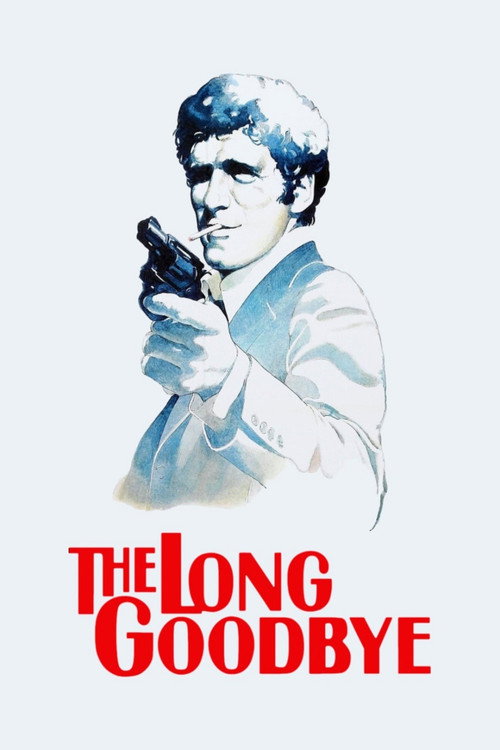
The Long Goodbye1973
Altman's revisionist take on noir follows a detective through a Los Angeles that feels hostile and incomprehensible. It shares The Comeback's refusal to comfort the audience, and its belief that the world is fundamentally indifferent and dangerous.
But It's anti-climactic and philosophically bleak. If you want a detective story, this will feel like a waste of your time.
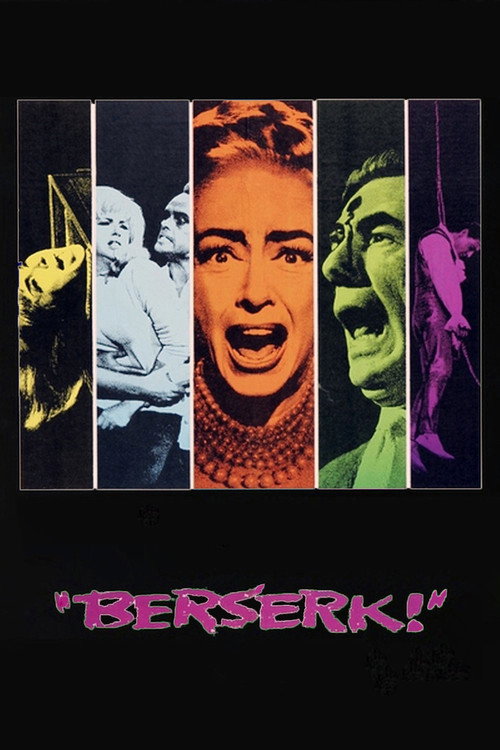
Berserk!1967
Joan Crawford stars in a thriller set in a circus where murders occur around a trapeze artist. It's camp and lurid in ways The Comeback isn't, but both traffic in paranoia and the claustrophobia of a contained, dangerous world.
But It's dated and occasionally laughable, and Crawford's presence can overshadow the plot rather than anchor it.
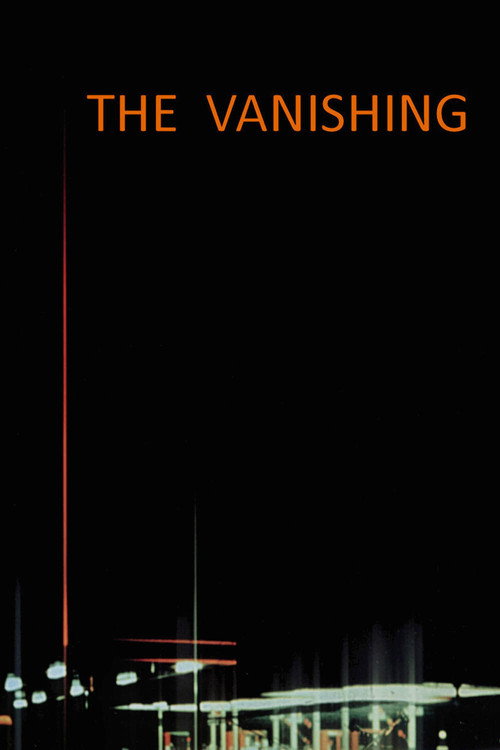
The Vanishing1988
Both films understand that the real horror isn't violence—it's the certainty that you will never feel safe again, and the knowledge that you might deserve your fate.
George Sluizer's Dutch thriller about a man obsessed with discovering what happened to his vanished girlfriend. It's not a police procedural—it's a study of how the need to know can destroy you. Where The Comeback traps its protagonist in a place, this traps him in a question.
But The ending is deliberately unsatisfying and bleak in ways audiences often resent. It suggests that some answers aren't worth the cost of knowing them.
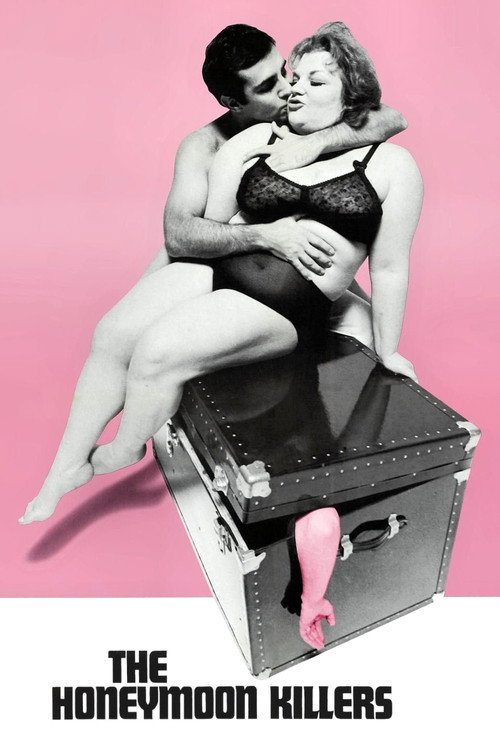
The Honeymoon Killers1970
Both films suggest that evil isn't theatrical or obvious—it hides in plain sight, in ordinary people and ordinary spaces. Both trust the audience to be disturbed by what's human rather than what's monstrous.
Leonard Kastle's only film: a black-and-white true-crime love story about two lonely people who become a murder team. It's shot like a documentary and shot in the style of cheap European cinema of the sixties. Where The Comeback is atmospheric paranoia, this is cold, unglamorous evil unfolding in real time. Utterly original.
But It has almost no music, no stylization, and the murders are presented matter-of-factly rather than dramatically. It feels less like a thriller and more like watching a crime unfold in real time, which some find unbearably depressing.
People
Cast
 Jack JonesNick Cooper
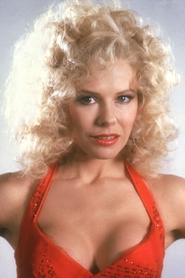 Pamela StephensonLinda Everett
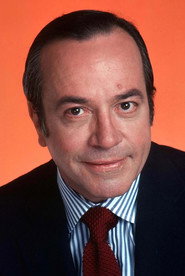 David DoyleWebster Jones
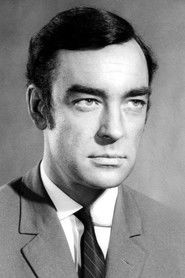 Richard JohnsonPsychiatrist
 Holly PalanceGail
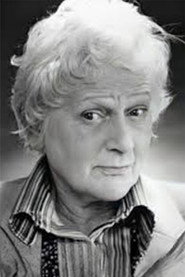 Sheila KeithMrs. B
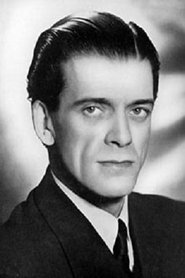 Bill OwenMr. B
- Peter TurnerHarry Cunningham
 June ChadwickNurse
- Patrick BrockDr Paulsen
- Jeff SilkPolice Officer
Directing
- Pete WalkerDirector
- Brian LawrenceFirst Assistant Director
- Glynn PurcellSecond Assistant Director
Writing
- Murray SmithScreenplay
Production
- Pete WalkerProducer
- Ginger CorbettProduction Assistant
- Denis Johnson JrProduction Manager