
Film
Dressed to Kill
Brian De Palma's 1980 thriller is a stylish, shocking descent into obsession and murder. It mimics Hitchcock's precision while pushing further into provocation—slick cinematography, elegant killings, and a plot twist that divides viewers sharply. For those who love suspense with real edge and don't mind moral murkiness.
Should you watch it?
Watch it if you love a stylish, sensual thriller built on De Palma's virtuoso camera work, long unbroken movements and split-second suspense, where the set pieces matter more than the logic.
Skip it if you find graphic violence and sexual content hard to sit through, or you want a tidy, carefully plotted mystery where every clue clicks into place without a jolt.
What it asks of you: Around 105 minutes, with a slow, lush build broken by sharp, brutal eruptions. You'll need to let the style carry you, and it is mostly dark in mood.
Not sure? Find tonight's pick in a minute.
If you liked this
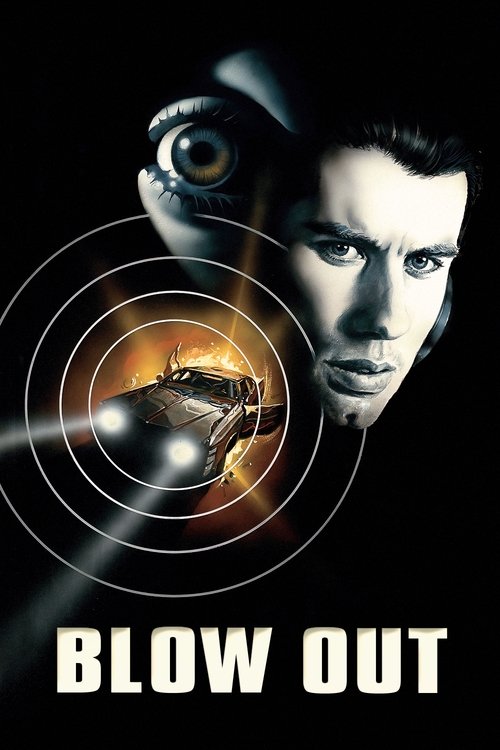
Blow Out1981
De Palma at peak control: a sound engineer witnesses a political assassination and becomes hunted. Visceral, gorgeously shot, with tension that builds until it suffocates you. John Travolta's best performance.
But The final act is brutally cynical about justice and heroism—not a film that offers comfort or resolution.
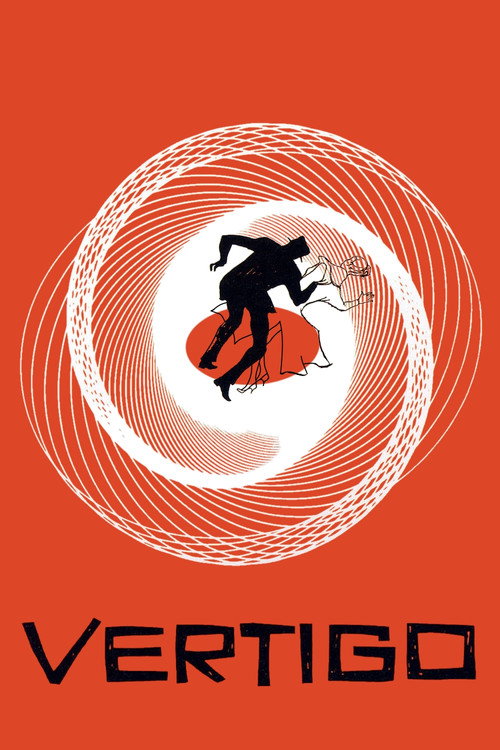
Vertigo1958
The Hitchcock template De Palma reveres: obsession, murder, and a protagonist pulled into moral quicksand by forces they can't control. Perfect pacing, perfect unease, perfect craft.
But It's 2 hours 28 minutes and asks a lot of patience, especially in the first half. Some find it glacial.
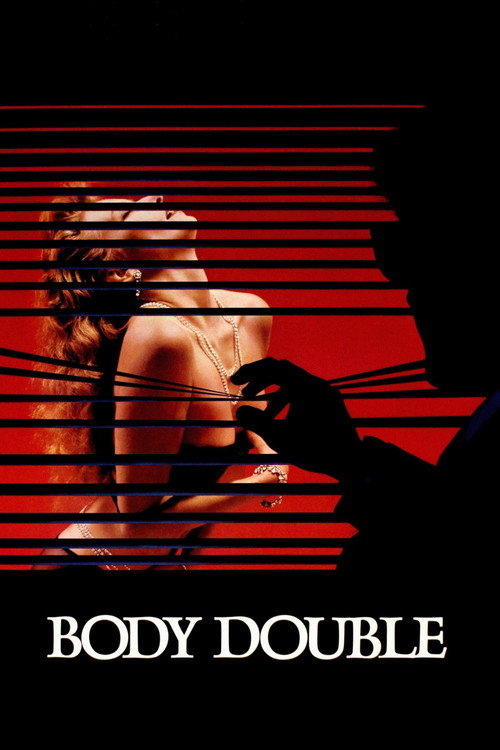
Body Double1984
De Palma doubles down on his Hitchcock obsession with a deliberately trashy, delirious thriller about voyeurism and mistaken identity. Audacious, ridiculous, genuinely gripping.
But It's deeply unserious about sexual violence—if you need your thrillers morally sober, this will alienate you.
Not sure tonight? Get a pick in a minute, starting from Dressed to Kill
The wildcard
Something you would not have found on your own.
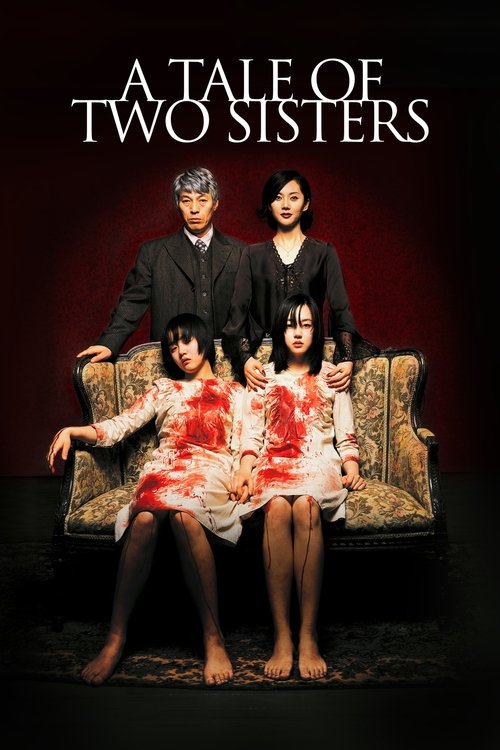
A Tale of Two Sisters2003
Both films use style and misdirection to explore psychological fracture and the murderous potential hidden in the domestic sphere—but where De Palma remains cool and detached, A Tale of Two Sisters drowns in grief.
A Korean horror film that looks like a painting and operates in pure nightmare logic. Family trauma and domestic horror rendered as abstract, beautiful dread. The visual language is De Palma-adjacent but emotionally devastated.
But The plot refuses to clarify itself. If you need narrative certainty, this will frustrate you. It demands interpretation, not answers.
More like this (7)
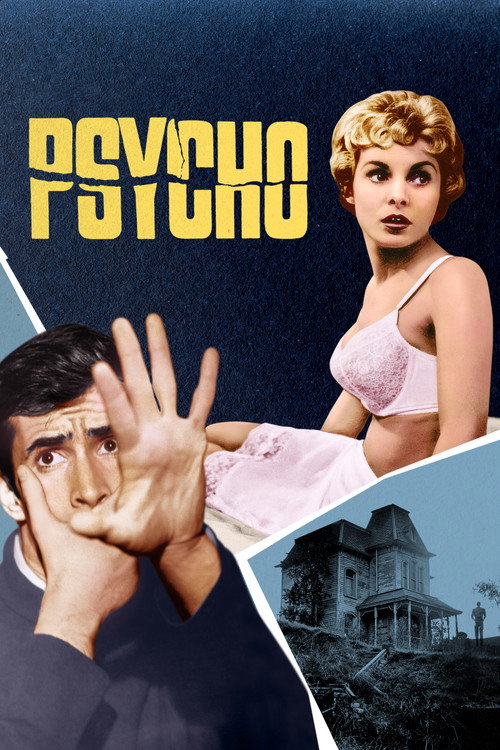
Psycho1960
Hitchcock's masterwork and the film that taught De Palma how to construct murder as ballet. The shower scene is cinema's most perfect moment of shock and technique in concert.
But The second half devolves into exposition that feels very 1960. The reveal, once shocking, now reads as dated.
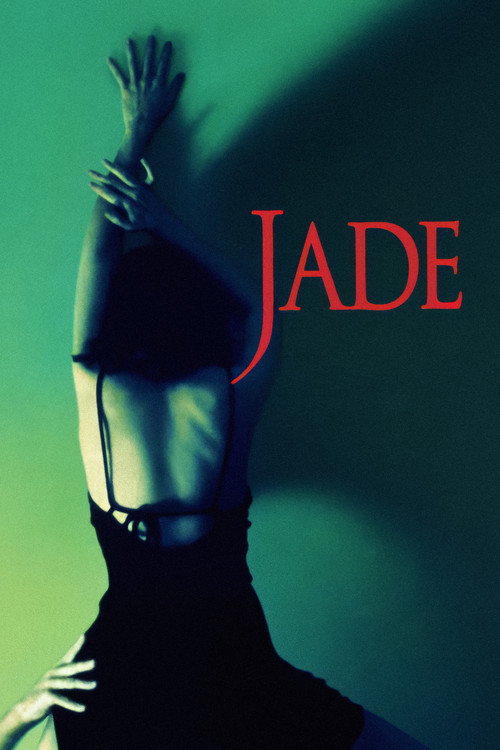
Jade1995
William Friedkin's sleek erotic thriller about infidelity, blackmail, and moral compromise in San Francisco high society. Propulsive and genuinely dirty in a way modern thrillers avoid.
But The plot mechanics creak loudly and the final act collapses into incoherence. It knows it's trashy and leans in, which won't suit everyone.
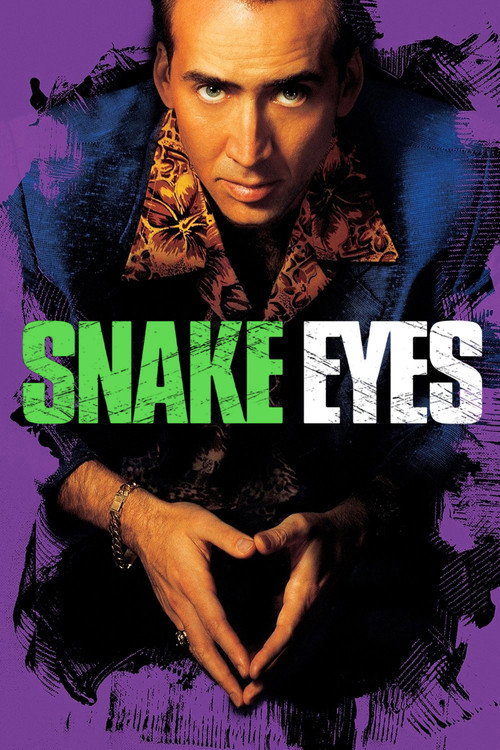
Snake Eyes1998
De Palma's own companion piece: a single long take following a corrupt cop through an assassination at a boxing match, then unraveling backwards. Technically dazzling, morally rotten.
But The gimmick wears thin, and once you see the construction, the film's emotional stakes evaporate.
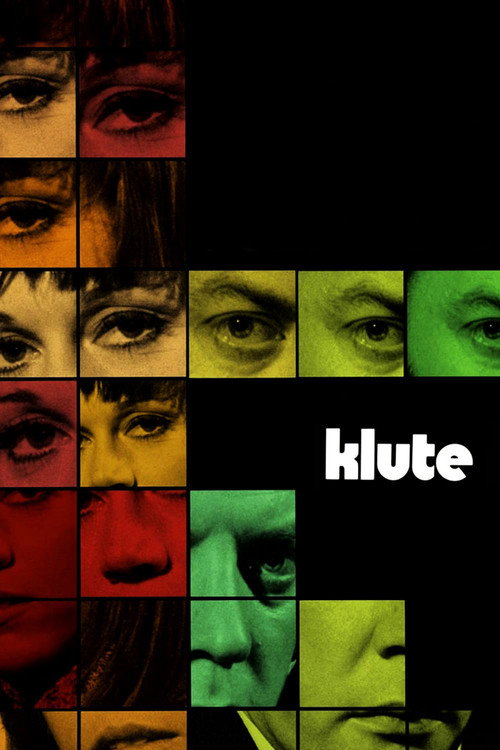
Klute1971
A detective thriller about a missing man and a high-end call girl that actually cares about character and psychology. Pakula creates unease without spectacle—the opposite of De Palma's approach, but equally effective.
But It's quiet and deliberate. If you want propulsive thrills, this will feel like watching someone investigate.
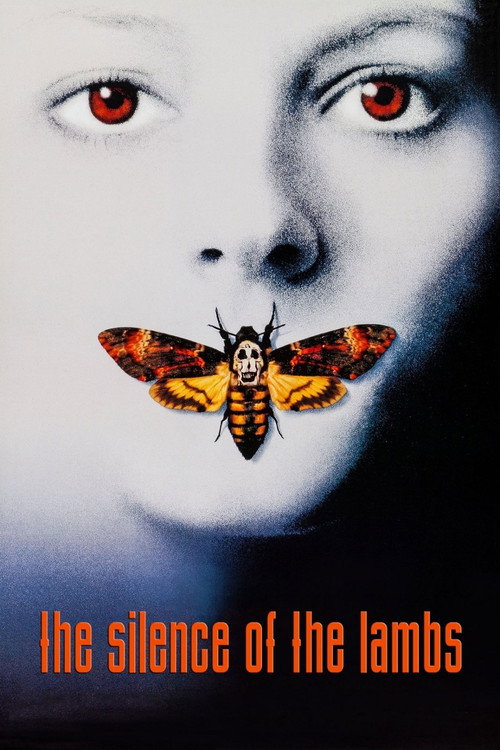
The Silence of the Lambs1991
A masterclass in psychological tension: an FBI trainee hunts a serial killer with the help of a brilliant, cannibalistic psychiatrist. Perfectly paced, perfectly acted, genuinely terrifying.
But The shock value has faded with repetition. It's been quoted and referenced so much it no longer feels dangerous.
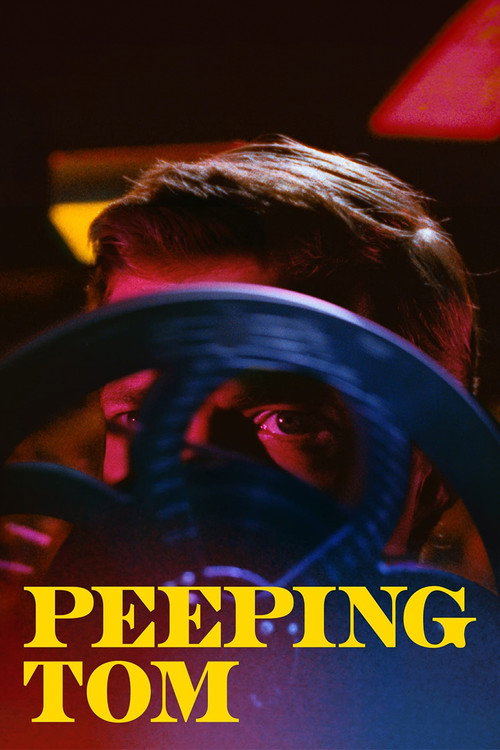
Peeping Tom1960
A British thriller about a cameraman who films his murders. It's the artistic ancestor of every voyeuristic thriller to follow. Genuinely unsettling and structurally innovative.
But It's abrupt, austere, and withholding. You're kept at a distance from almost everyone. Some find it cold rather than suspenseful.
Possession1981
Both are formally audacious thrillers built on murderous obsession, but Possession trades De Palma's sleek control for surrealist mania—same darkness, entirely different temperature.
Andrzej Żuławski's deranged, operatic nightmare about a marriage imploding in Cold War Berlin. It's technically a thriller, but it abandons plot for pure emotional chaos—visceral, unhinged, unforgettable.
But It's almost incomprehensibly weird. The pacing is jagged, the tone careens between registers, and it ends in abject misery. Not for patient-with-incoherence audiences.

People
Cast
 Nancy AllenLiz Blake
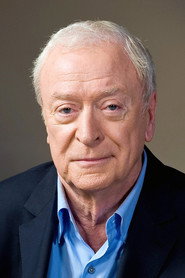 Michael CaineDoctor Robert Elliott
 Angie DickinsonKate Miller
 Keith GordonPeter Miller
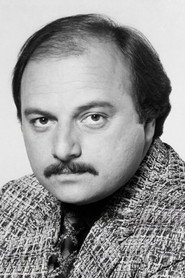 Dennis FranzDetective Marino
 David MarguliesDr. Levy
 Ken BakerWarren Lockman
 Susanna ClemmBetty Luce
 Brandon MaggartCleveland Sam
- Amalie CollierCleaning Woman
 Mary DavenportWoman in Restaurant
 Anneka Di LorenzoNurse
Directing
- Michael RauchAssistant Director
- Paula MazurAssistant Director Trainee
- Brian De PalmaDirector
- Martha PinsonScript Supervisor
- William EustaceSecond Assistant Director
- Robert RothbardSecond Second Assistant Director
Writing
- Brian De PalmaWriter
Production
- Fred C. CarusoAssociate Producer
- Vic RamosCasting
- Samuel Z. ArkoffExecutive Producer
- Edward CrocittoLocation Coordinator
- Jeffrey SilverLocation Manager
- George LittoProducer
- Fred C. CarusoProduction Manager
Recommended by
Blow Out, Cruising, Basic Instinct, Klute, Body Double, In the Cut, The Bird with the Crystal Plumage, Sisters, American Gigolo, The Comeback, The Toolbox Murders, Jade, White of the Eye, The Fury, He Knows You're Alone, Happy Birthday to Me, Obsession, Terror Train, Maniac, Fear City, Pieces, Don't Answer the Phone!, Pretty Maids All in a Row, Maniac Cop, The New York Ripper, Crimes of Passion, Final Analysis, Curtains, Psycho II, Sweet Revenge, Psycho III, Stage Fright, Deception, Night School, Christmas Evil, Grip of the Strangler, Tattoo, Angel, Leatherface: The Texas Chainsaw Massacre III