
Film
Sisters
Other titles called Sisters: the 1991 series (NBC), the 2015 film.
De Palma's 1973 debut is a twisty psychological thriller about a journalist who witnesses a murder that may not have happened. It's visually baroque, structurally clever, and sustained by genuine unease rather than jump scares. For anyone who loves a puzzle where the camera itself becomes unreliable.
Should you watch it?
Watch it if you enjoy lean, mid-century-style thrillers where a sharp, nervous investigation matters more than gore, and where the uneasy feeling of being the only person who saw something carries the film.
Skip it if you want a brisk, modern horror pace; this one takes its time setting up its characters, and its scares arrive in a fairly old-fashioned, low-key style that may feel slow.
What it asks of you: Ninety-three minutes of patient build-up, with the tension mostly in conversation, close framing and rising doubt rather than constant shocks, so it rewards steady attention.
Not sure? Find tonight's pick in a minute.
If you liked this
Psycho1960
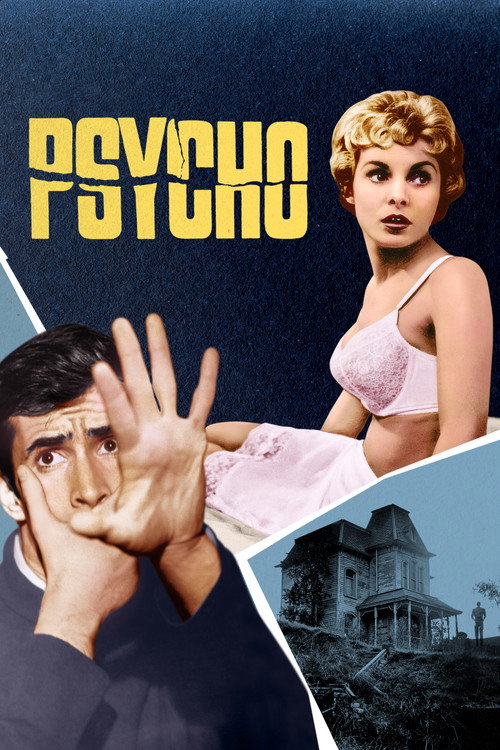
Hitchcock's template for the modern thriller: a shocking murder early on, a mystery that deepens, and a final revelation that recontextualises everything. The DNA of *Sisters* runs directly from here.
But Sixty-plus years means the cultural impact has dulled some surprises. The shower scene is famous to the point of cliché now.
Vertigo1958
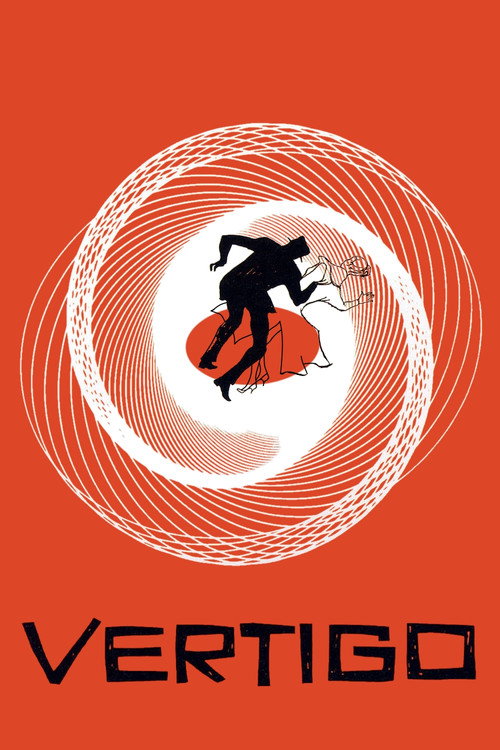
Another Hitchcock obsessed with doubling, mirrors, and whether the protagonist can trust their own perception. The same dizzying architecture of unreliable narration, but even more disorienting.
But At two hours twenty, it moves like a fever dream rather than a thriller. Patience required; payoff is magnificent but slow to arrive.
The Killers1946
A journalist investigating a murder finds the case deeper and stranger than it first appeared. Noir atmosphere, fractured storytelling, and the same sense that the protagonist is chasing something that keeps shifting shape.
But Black-and-white 1946 pacing feels deliberate and measured. If you want momentum, this isn't it.

Not sure tonight? Get a pick in a minute, starting from Sisters
The wildcard
Something you would not have found on your own.
Mulholland Drive2001
Identical structural obsession with the unreliable camera and fractured identity; both suggest the act of witnessing might create the crime rather than document it.
Lynch's masterpiece is also about a woman pursuing a murder that may not have happened, fractured identities, and a camera that shows you things that contradict themselves. Like *Sisters* stretched into two hours and made even more hallucinatory. Both films ask: what did you actually see?
But It's deliberately confusing. Lynch doesn't explain himself, and the film refuses to settle into clarity. Some find it brilliant; others find it infuriating.

More like this (8)
Dressed to Kill1980
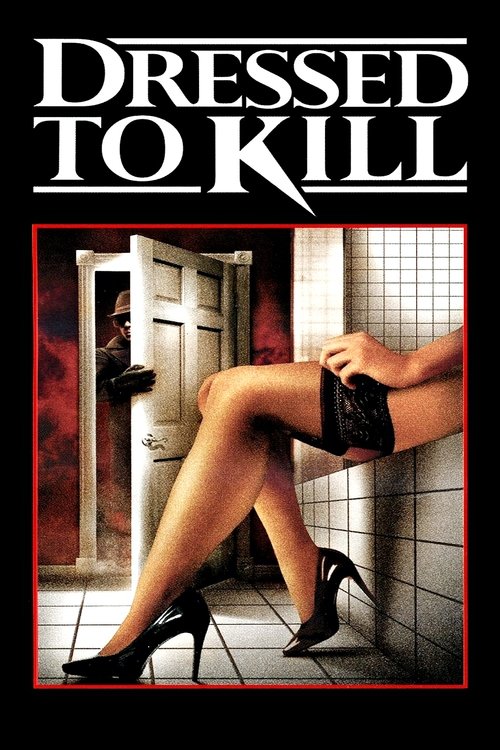
De Palma's next great thriller: a murder witnessed by a woman no one believes, split screens, elaborate camera work, and sexual menace simmering beneath the surface. The spiritual sequel *Sisters* always wanted.
But The sexual politics haven't aged well. Some scenes play as exploitative rather than thrilling now.
Blow Out1981
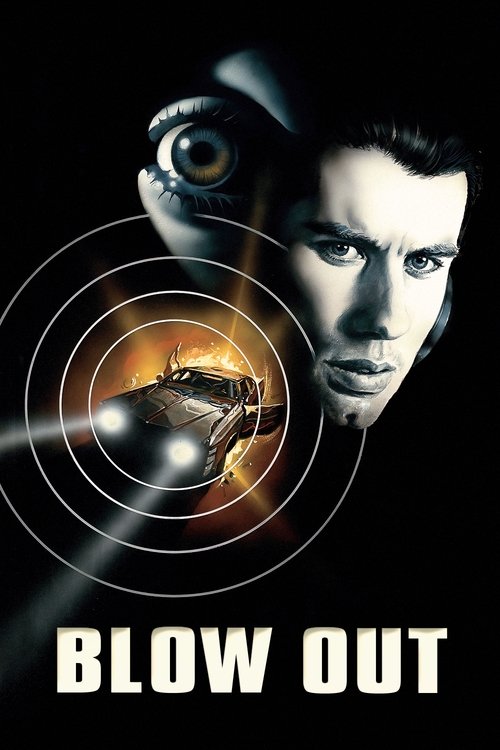
De Palma's masterpiece. A sound engineer records what might be a murder, becomes obsessed with proving it, and the camera becomes a character in itself. Visually dazzling and emotionally devastating.
But The ending is punishing. This is not a film that lets you leave happy.
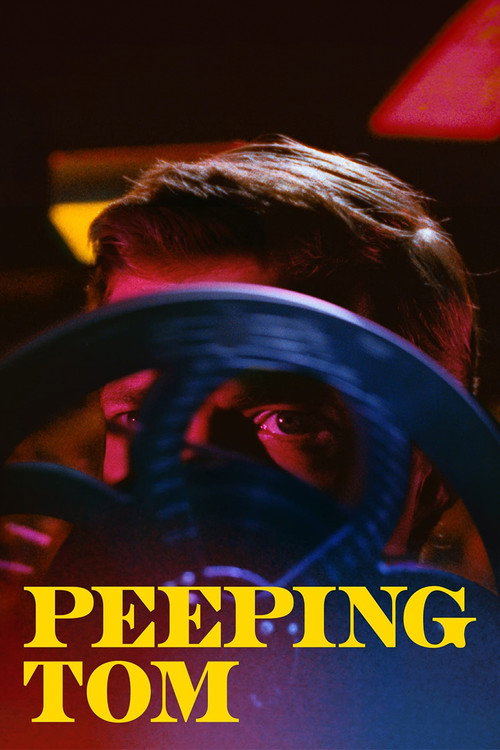
Peeping Tom1960
A British thriller about a cameraman who films his murders. Like *Sisters*, it makes the apparatus of cinema—the camera, the eye—complicit in the crime. Audacious and genuinely disturbing.
But It's a difficult watch. The misogyny is of its time but still visceral, and the film doesn't distance itself from it.
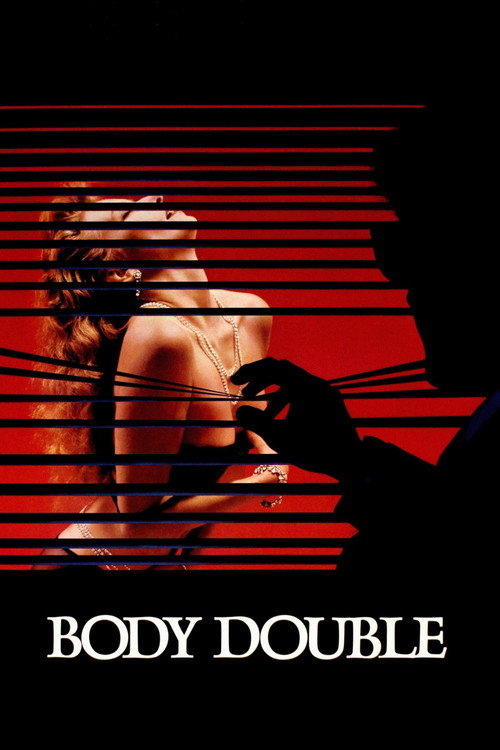
Body Double1984
De Palma again: voyeurism, doubles, and murder. A man sees a woman murdered through a telescope and can't prove it happened. The director mining the same material but even more fractured and experimental.
But Tries to do everything *Vertigo* does while also being a satirical comedy. The tonal whiplash doesn't always land.
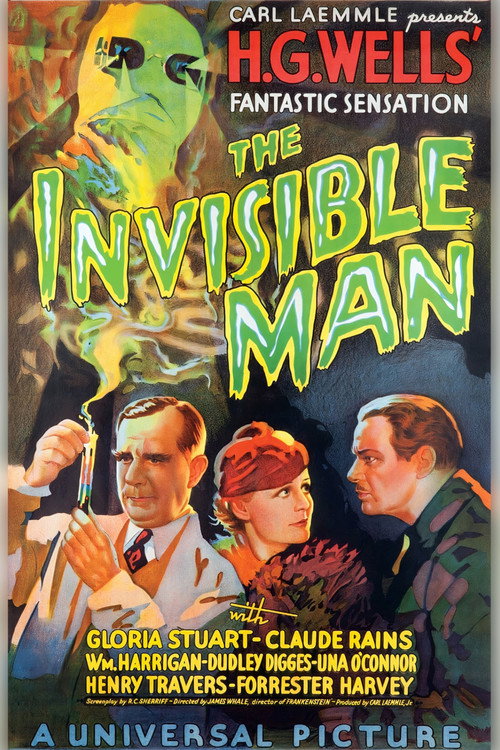
The Invisible Man1933
A classic about perception and proof: what you can't see but believe happened anyway. The camera work is inventive, the premise is clever, and the paranoia is contagious.
But It's a monster movie, not a thriller. The tone shifts between horror-comedy and darker material unpredictably.
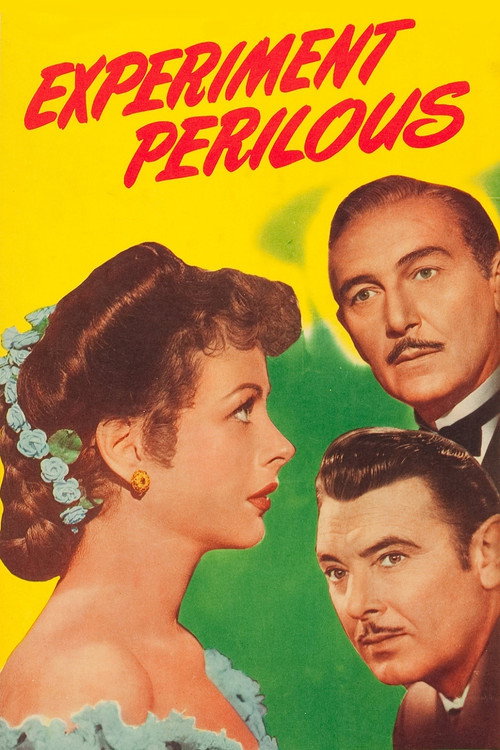
Experiment Perilous1944
A woman suspects her husband is slowly poisoning her, but has no proof. Gaslight-adjacent, gorgeously shot, and built on the same premise: nobody believes the woman seeing the crime.
But Plot twists are well-signposted. If you're paying attention, you'll know where it's heading.
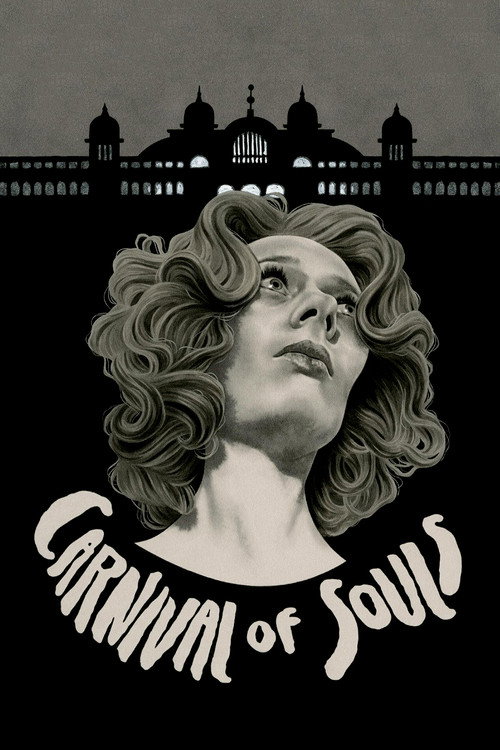
Carnival of Souls1962
Both films use visual repetition and doubling to suggest the protagonist is trapped in a loop or seeing something nobody else can verify; both make the camera itself the unreliable narrator.
A woman survives a car accident and begins to suspect she's not quite alive anymore. Made for nothing, shot in black-and-white, it has the same dreamlike dread as *Sisters*: nothing is quite real, the camera keeps lying, and the finale dismantles everything you thought you understood.
But Ultra-low budget shows everywhere. The acting is uneven, and the pacing is glacial by modern standards.
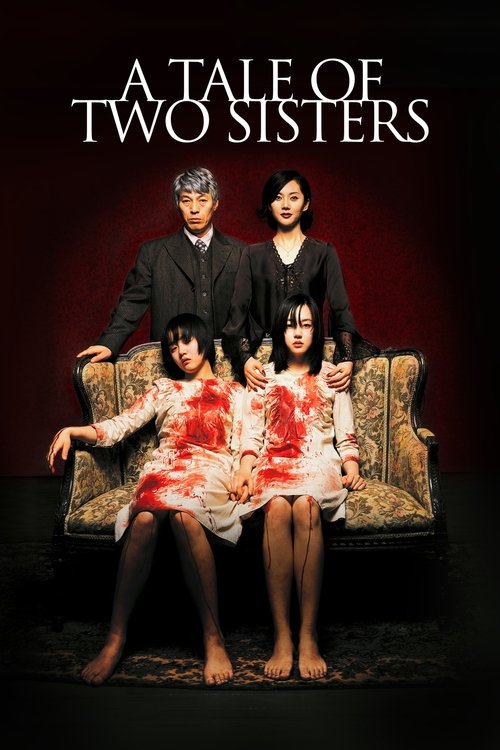
A Tale of Two Sisters2003
Both films use doubling and fractured identity to explore the unreliability of perception; both suggest that what you see on screen might be psychological rather than literal, and that distinction matters.
A South Korean horror film about two sisters, trauma, and reality fragmenting. It looks like a nightmare designed by someone with impeccable taste. The structure mirrors *Sisters*—you think you're watching one story, then the film pulls the rug out and shows you another one entirely.
But It's deliberately ambiguous about what is and isn't real. If you need clarity, this will frustrate you. Also: the second half abandons plot for pure atmosphere.
People
Cast
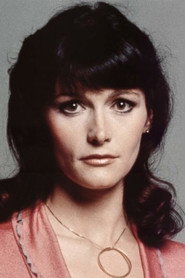 Margot KidderDanielle Breton / Dominique Blanchion
 Jennifer SaltGrace Collier
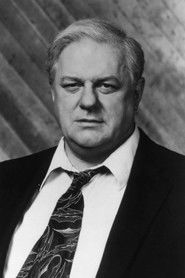 Charles DurningJoseph Larch
 William FinleyEmil Breton
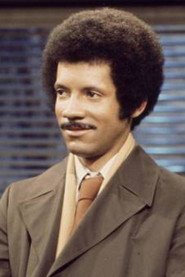 Lisle WilsonPhillip Woode
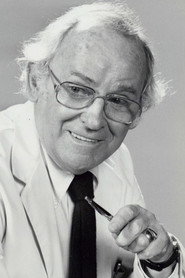 Barnard HughesArthur McLennen
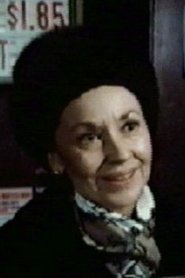 Mary DavenportMrs. Collier
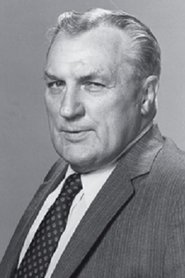 Dolph SweetDetective Kelly
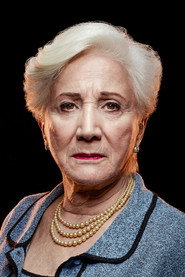 Olympia DukakisLouise Wilanski
- Catherine GaffiganArlene
- Cathy BerryLobster child (uncredited)
Directing
- Alan HopkinsAssistant Director
- Brian De PalmaDirector
Writing
- Brian De PalmaOriginal Story
- Brian De PalmaScreenplay
- Louisa RoseScreenplay
Production
- Lynn Pressman-RaymondAssociate Producer
- Robert RohdieAssociate Producer
- Sylvia FayCasting
- Edward R. PressmanProducer