
Film
Experiment Perilous
A 1944 wartime thriller with Hedy Lamarr as a woman trapped in an unsettling marriage, seemingly vulnerable to her controlling husband. George Brent plays a doctor drawn into their world, suspicious of cruelty he can't quite prove. Elegant and paranoid, it trades on glamour and unease—less about what's happening than whether you can trust what you're seeing.
Should you watch it?
Watch it if you like slow-building psychological unease wrapped in period costume, where a polite doubt about a charming husband keeps tightening until you cannot tell who is being managed.
Skip it if you need brisk action or a cheerful romance, since its courtship is stiff and its suspense hangs on hesitant conversations in drawing rooms rather than anything physical.
What it asks of you: Expect an unhurried 91 minutes of quiet glances and mounting doubt, with attention paid to faces and dialogue more than to set-piece scenes.
Not sure? Find tonight's pick in a minute.
If you liked this
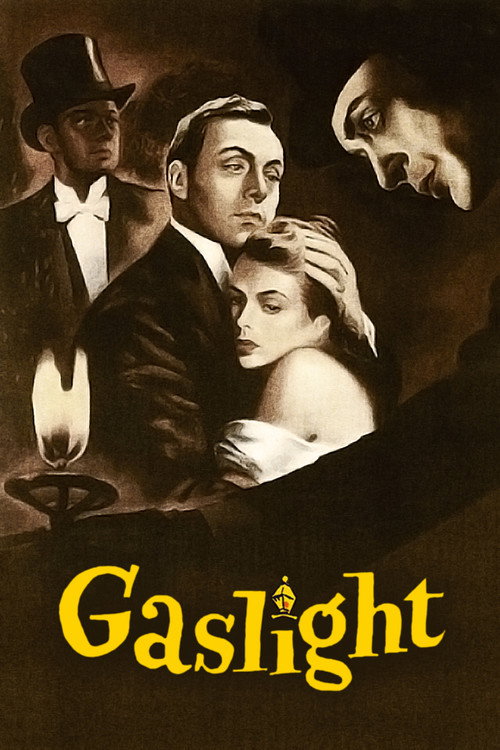
Gaslight1944
The definitive film about psychological manipulation and doubt. Ingrid Bergman's slow realization that her husband is gaslighting her has the same creeping dread as Experiment Perilous, and the performance is unforgettable.
But It moves slowly and relies on restraint rather than action. The 1944 pacing can feel mannered to modern viewers.
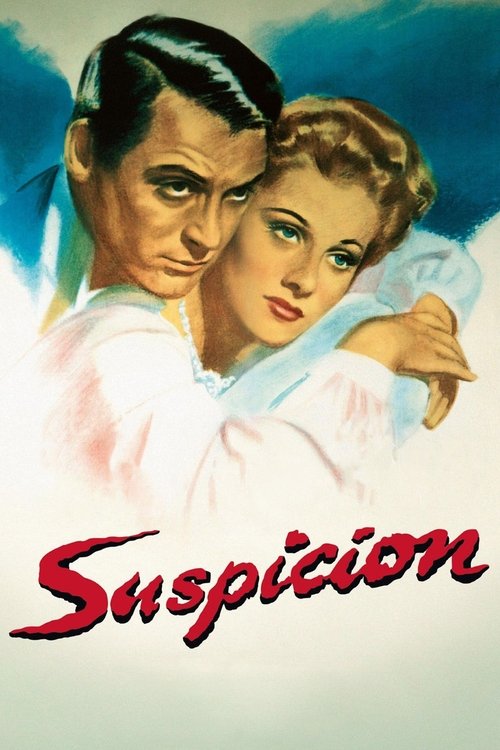
Suspicion1941
Cary Grant as a man who might be trying to murder his wife. Hitchcock builds paranoia from charm and doubt—you're never certain what's real, exactly like this film's central unease.
But The ending was famously compromised by the studio, and it shows. Grant's stardom made them flinch.
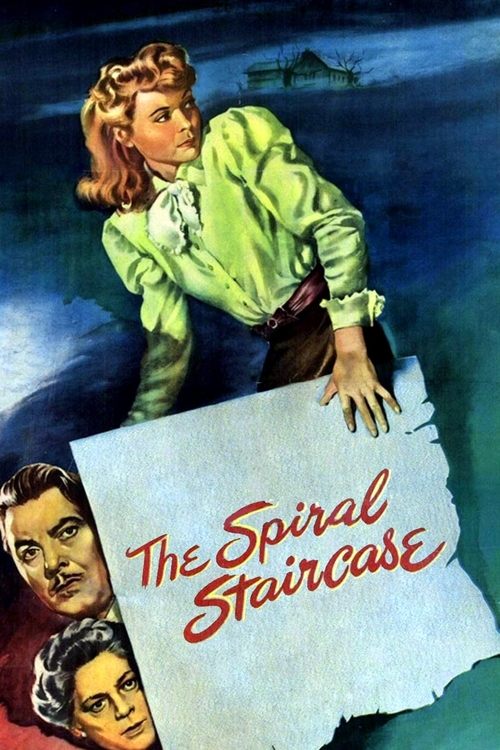
The Spiral Staircase1946
A woman in danger in a house, unsure who to trust. Gothic, tense, and built on the same architecture of suspicion. Expertly made and genuinely frightening in a way that rewards attention.
But Silent heroine requires patience. If you need constant action or dialogue, this will feel slow.
Not sure tonight? Get a pick in a minute, starting from Experiment Perilous
The wildcard
Something you would not have found on your own.
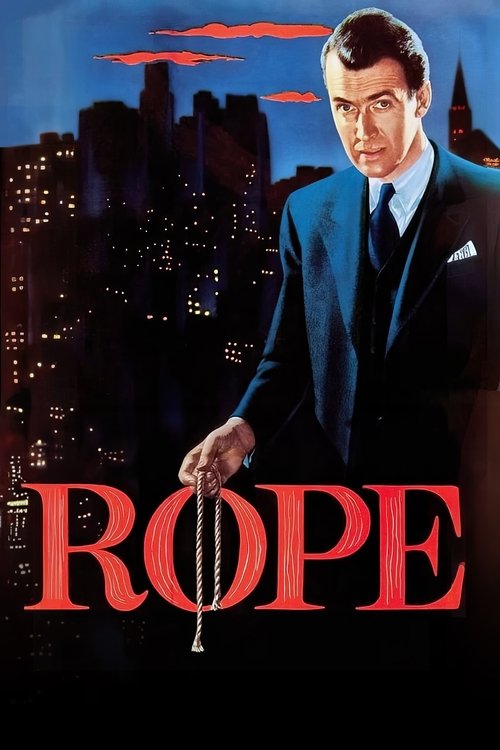
Rope1948
Both films are psychological thrillers built on performance and constraint—people pretending normality while harboring dark knowledge. The camera watches and waits for truth to crack through.
Hitchcock in real-time: two men have committed murder and are hosting a dinner party. One continuous take (nearly), mounting tension, the camera never leaves the room. It's about performance, secrecy, and what people will hide in plain sight—the same engine as Experiment Perilous.
But The gimmick of real-time and confined space feels claustrophobic by design. Some find it stagey rather than cinematic. It's also a film about homosexual murder, which the era couldn't name.
More like this (8)
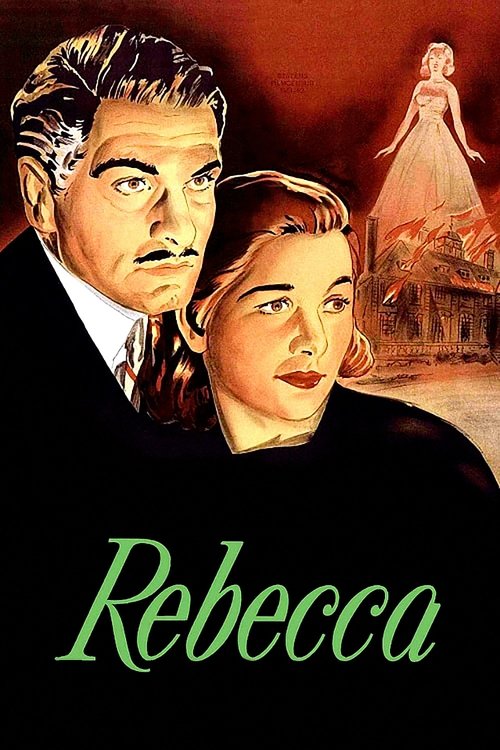
Rebecca1940
A woman arrives at a grand house shadowed by the previous wife's memory. Laurence Olivier's charm carries menace; Hitchcock knows how to make elegance feel like a trap.
But Joan Fontaine's nervousness can feel overwrought, and the class politics haven't aged smoothly.
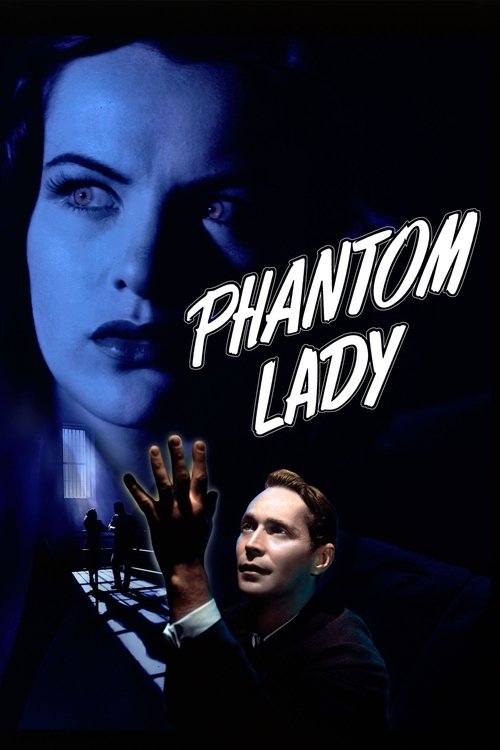
Phantom Lady1944
Released the same year, with the same wartime intrigue and doubt. A woman tries to prove her husband innocent, but everything points the wrong way. Stylish and clever.
But The plot requires you to accept some convenient coincidences. It's entertaining rather than ironclad.
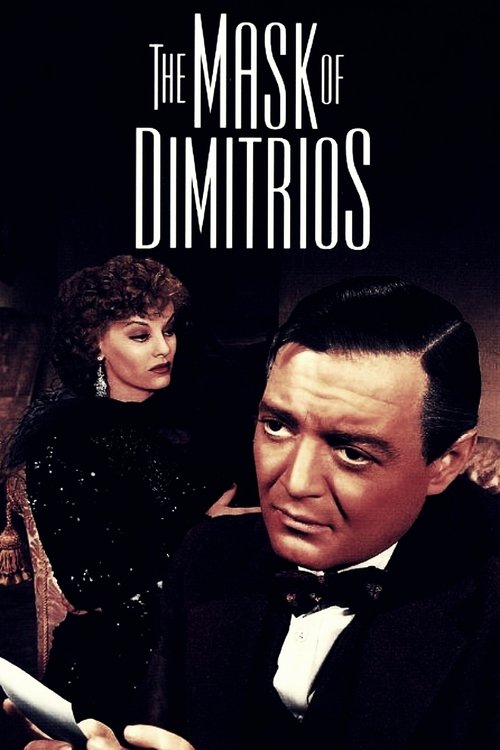
The Mask of Dimitrios1944
Paul Lukas (Experiment Perilous's villain) in a spy thriller about a man who may not be what he seems. Espionage, doubt, and the glamour of deception in wartime Europe.
But The plot meanders. It's more interested in mood than narrative momentum, which will frustrate some viewers.
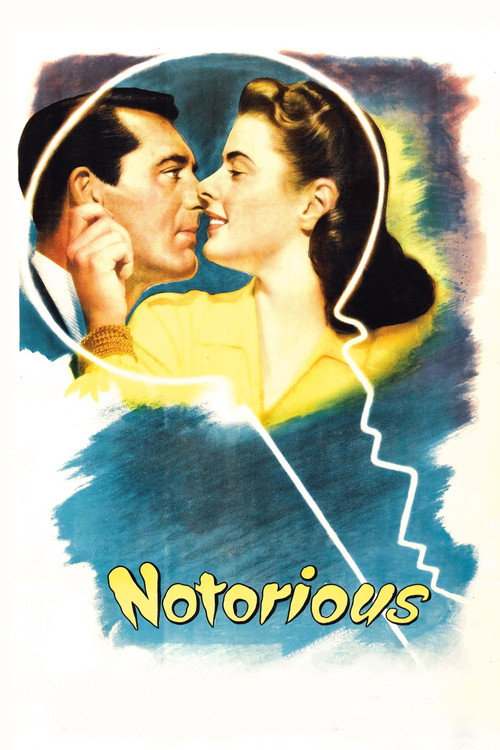
Notorious1946
A woman sent to seduce a Nazi agent she's falling for. Hitchcock at full power—romance and danger welded together, shot through with moral complexity and genuine peril.
But It's heavy on the romantic plot, which some find distracting from the espionage. The ending is abrupt.
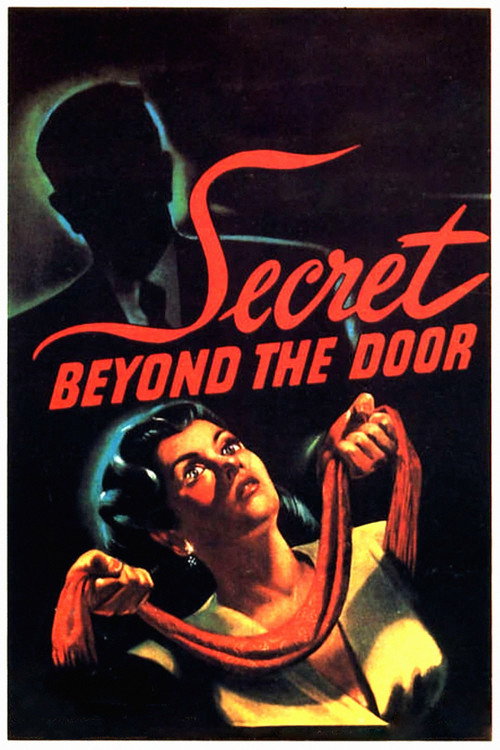
Secret Beyond the Door1947
Joan Bennett and Michael Redgrave in a marriage thriller built on architectural secrets and psychological games. Gothic, surreal, and utterly strange—made by Fritz Lang.
But It's visibly strange, even by 1948 standards. The psychology is dated and the plot turns absurd.
The Killers1946
A noir with a murder at its center, told backwards. Ava Gardner and Burt Lancaster smoulder through a story about deception and double-crosses. Taut and atmospheric.
But It's more interested in mood and style than plot clarity. You might finish it unsure what actually happened.

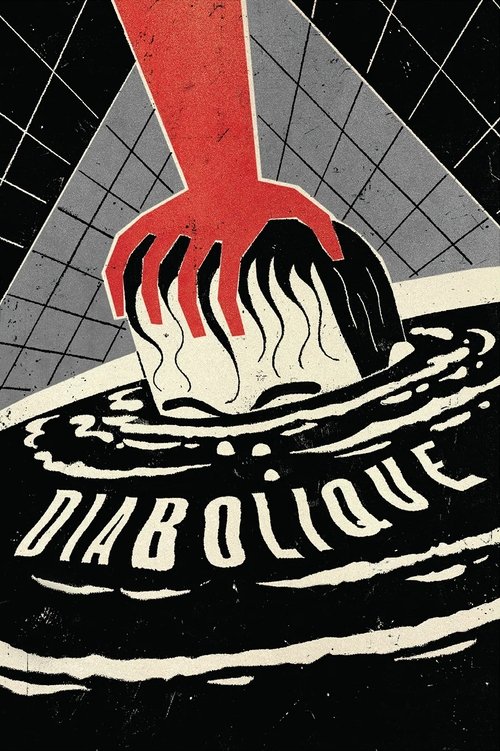
Diabolique1955
Same setup (wife, husband, outsider) but with the restraint removed. Where Experiment Perilous hints, Diaboliques commits. It shows what the story becomes when the code allows full expression.
A French thriller about a woman and her lover plotting against her husband. It's far darker and more violent than anything American studios would touch in 1944, but the core paranoia is identical—trust dissolves, reality becomes unreliable, elegance hides cruelty.
But It's genuinely nasty in places. The famous bathtub sequence is disturbing. Subtitles will also demand attention.
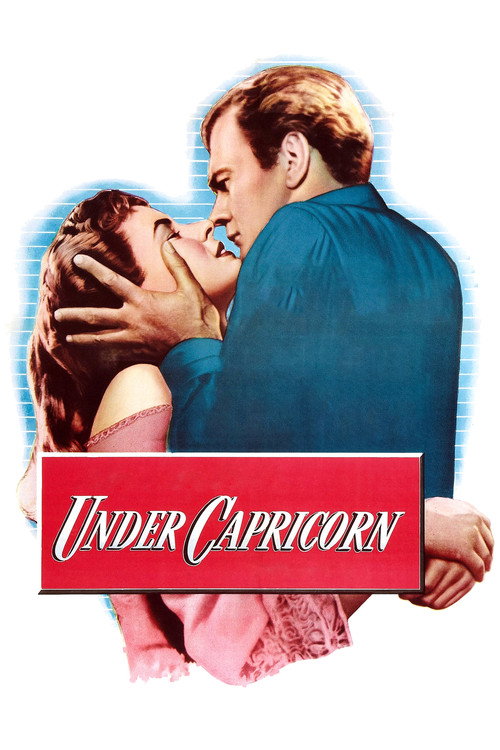
Under Capricorn1949
Historical setting but the same psychological architecture: a woman in a gilded cage, a husband whose intentions are ambiguous, and the question of whether she's suffering cruelty or paranoia. Both films ask: can you trust what you're seeing?
Hitchcock in Australia in 1830s: a woman damaged by her past, a man who may or may not be exploiting her, an outsider trying to understand what's real. Shot in early Technicolor that makes it look fevered and dreamlike. Deeply strange and underrated.
But It's slow, heavily stylized, and the plot is genuinely hard to follow. Hitchcock's ambition exceeds his execution here, and it shows.
People
Cast
 George BrentDr. Huntington Bailey
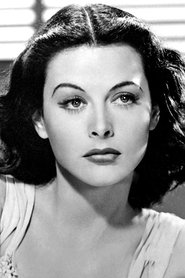 Hedy LamarrAllida Bederaux
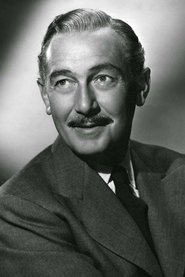 Paul LukasNicholas 'Nick' Bederaux
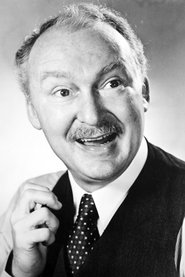 Albert Dekker'Clag' Claghorn
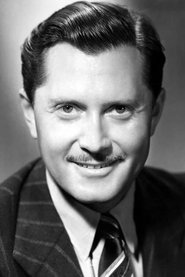 Carl EsmondJohn Maitland
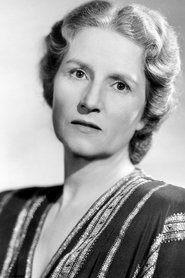 Olive BlakeneyClarissa 'Cissie' Bederaux
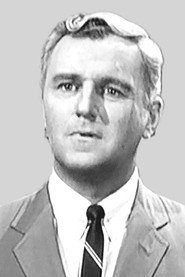 George N. NeiseAlec Gregory
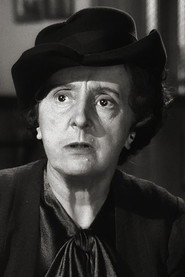 Margaret WycherlyMaggie, the Maid
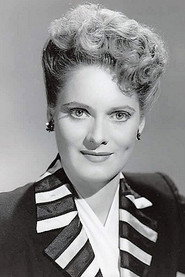 Stephanie BachelorElaine
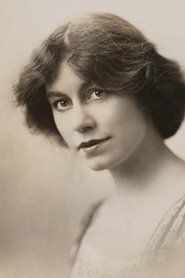 Mary ServossMiss Wilson
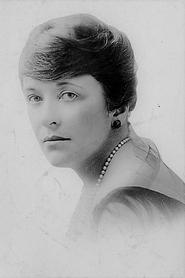 Julia DeanDeria
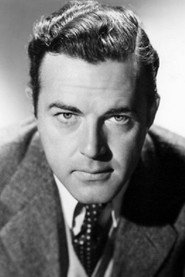 William Post Jr.District Attorney
Directing
- Dewey StarkeyAssistant Director
- Jacques TourneurDirector
Writing
- Margaret CarpenterNovel
- Warren DuffScreenplay
Production
- Robert FellowsExecutive Producer
- Warren DuffProducer
Recommended by
Sisters, A Lizard in a Woman's Skin, The Naked Edge, Night Must Fall, Dark Waters, Mirage, Midnight Lace