
Film
The Naked Edge
A 1961 thriller built on marital suspicion: a wife begins to doubt her husband's innocence in a murder case he testified against, years after the verdict. Gary Cooper and Deborah Kerr navigate psychological territory—trust eroding, evidence accumulating—in a compact, efficient mystery that favors character dread over spectacle. Quietly gripping for anyone who enjoys ambiguity and the slow dissolution of certainty.
Should you watch it?
Watch it if you like a slow-burn mystery where suspicion creeps through a marriage and every polite conversation carries a second meaning, with a 1960s thriller's cool, grown-up restraint.
Skip it if you want brisk pacing or lots of action; this one is talky and dialogue-led, and its suspense builds through conversation rather than set pieces.
What it asks of you: Settle in for roughly 100 minutes of unhurried scenes; the tension sits in pauses and glances, so it rewards close attention to faces over plot mechanics.
Not sure? Find tonight's pick in a minute.
If you liked this
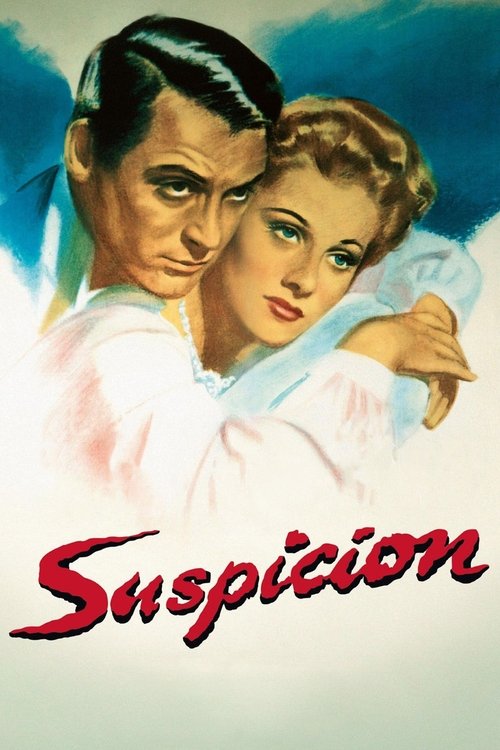
Suspicion1941
Cary Grant and Joan Fontaine's marriage becomes a hall of mirrors where kindness might mask murder. Hitchcock weaponizes domesticity and the camera work is magnetic. A masterclass in sustaining doubt.
But The ending divides viewers—some find it brilliant, others feel robbed. And it's very much a product of 1941, which shows in places.
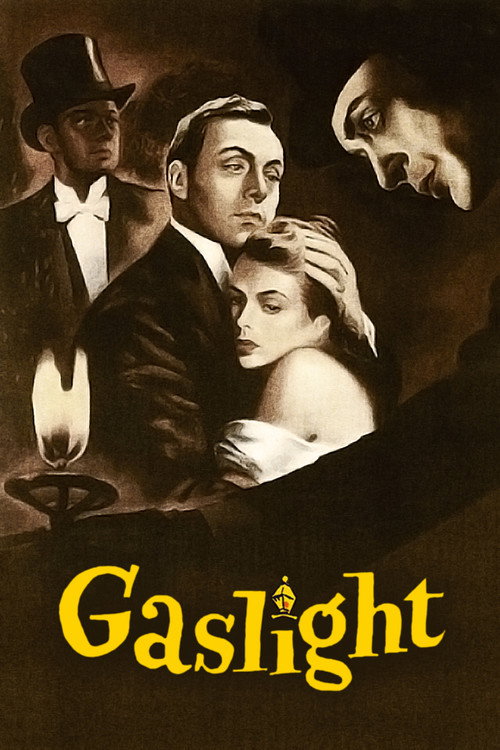
Gaslight1944
Charles Boyer slowly dismantles Ingrid Bergman's grip on reality to rob her home. Psychological manipulation so perfectly calibrated it feels like watching a predator work. The tension never breaks.
But It's a period piece that can feel theatrical, and the villainy is never really ambiguous—you know what he is from the start.
The Third Man1949
Joseph Cotten arrives in post-war Vienna to find his best friend is a black marketeer. Carol Reed's direction is impeccable, Orson Welles is electric in a small role, and the moral ambiguity sits perfectly on the knife's edge.
But The zither score divides people sharply. Some find it magical; others find it intrusive. The pacing is deliberate, not fast.

Not sure tonight? Get a pick in a minute, starting from The Naked Edge
The wildcard
Something you would not have found on your own.
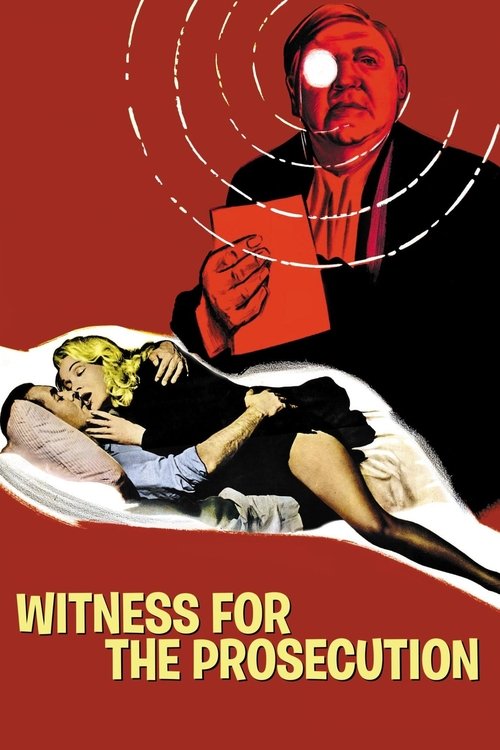
Witness for the Prosecution1957
Both hinge on the unreliability of a spouse's testimony and what we choose to believe about people we love, even when evidence contradicts our faith.
Billy Wilder's courtroom master class—a man accused of murder, his wife a witness for the prosecution, and a final-act revelation that rewrites everything you thought. Charles Laughton is magnificent; the script is airtight. Pure cinema logic, no wasted moments.
But It's a courtroom drama first, so if you need psychological ambiguity throughout, the early sections play as fairly procedural. Also quite long at 116 minutes.
More like this (8)
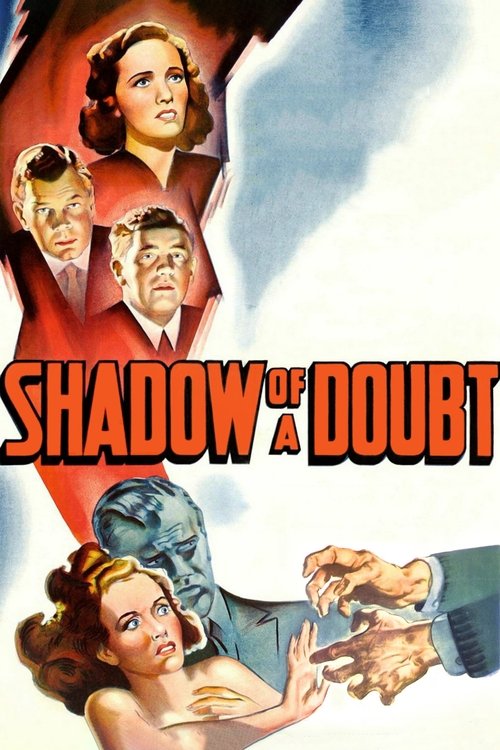
Shadow of a Doubt1943
Uncle Charlie arrives in a small California town and a teenage girl begins to suspect he's a serial killer. Hitchcock's own favorite of his films—everyday evil in a picket-fence world, building to something genuinely upsetting.
But It's slower than modern thrillers and the mechanics of suspicion feel almost quaint. Some of the dialogue is clunky by today's standards.
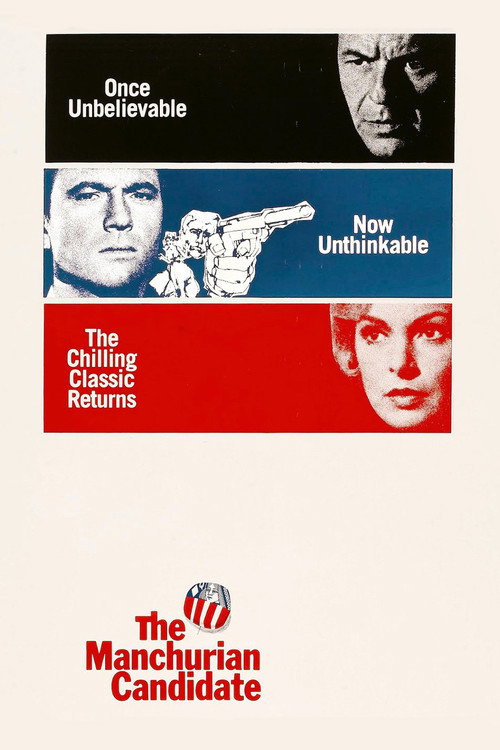
The Manchurian Candidate1962
A Korean War veteran may have been brainwashed into becoming an assassin. Cold War paranoia meets genuine psychological horror, with Frank Sinatra and Angela Lansbury working in a fever dream of doubt and conspiracy.
But The politics feel dated (though disturbingly prescient). It's also tonally unstable—shifting between noir and satire—which some find brilliant and others find confused.
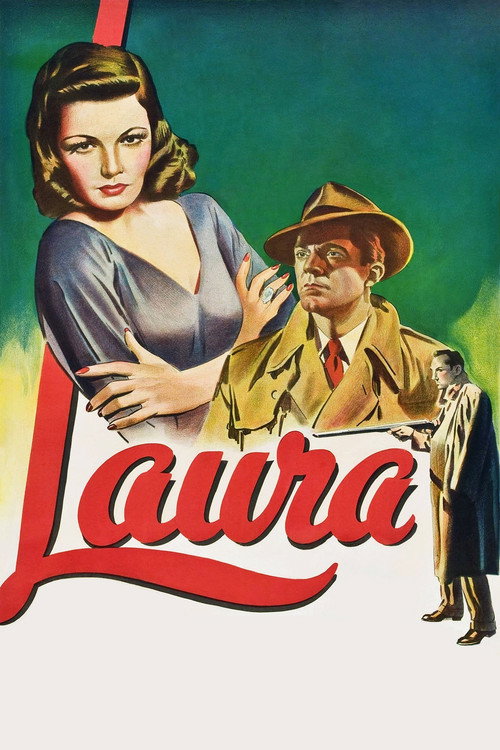
Laura1944
A detective falls in love with a woman who may be the murder victim while solving her murder. Otto Preminger's direction is immaculate; the mystery unfolds with genuine elegance and that famous theme is unforgettable.
But It's dialogue-heavy and the pacing assumes you're interested in romantic conversation. If you need constant plot movement, it might feel static.
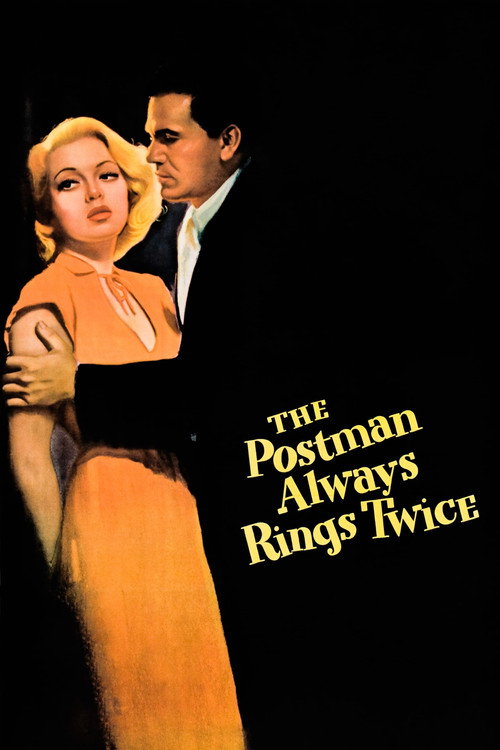
The Postman Always Rings Twice1946
John Garfield and Lana Turner are utterly magnetic as adulterers plotting murder in the California heat. Bitter, sensual, and morally rotten—you're watching people you understand commit crimes you can't condone.
But The sexual content is implied rather than shown, which can feel coy. And the ending feels like a concession to 1946 morality rather than the story's logic.
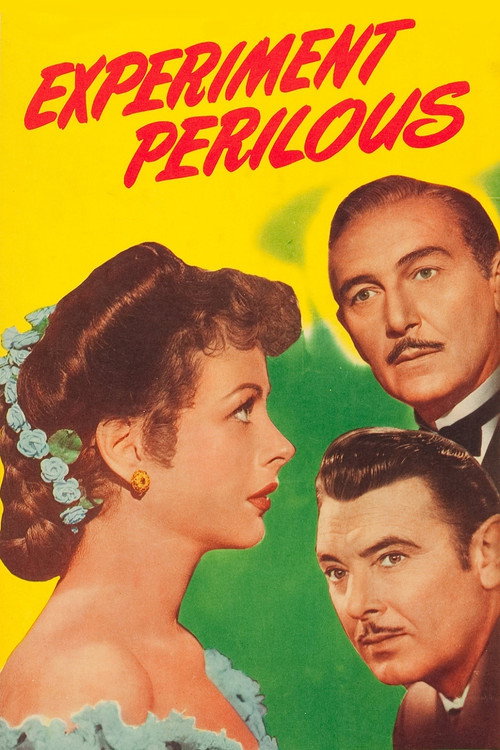
Experiment Perilous1944
A woman escapes her marriage to a man who may be a murderer; a stranger becomes convinced she's in danger. Paul Lukas creates genuine unease in a role that could have been stock; the atmosphere is properly claustrophobic.
But It's quite obscure for a reason—the plot mechanics creak a little and the pacing is slow even for 1944. It requires patience.
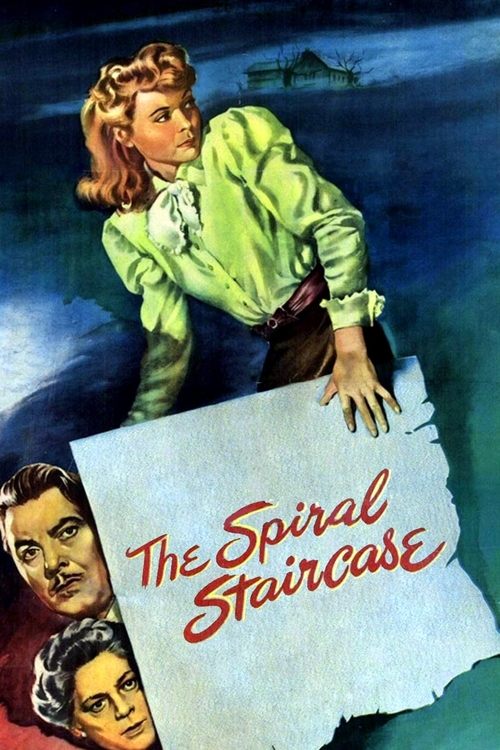
The Spiral Staircase1946
A mute woman is stalked by someone in a Victorian mansion during a thunderstorm. Genuinely frightening use of silence and shadow; Robert Siodmak builds dread with almost no dialogue, letting the camera do the work.
But It's a proto-slasher that can feel dated in its gender dynamics. The psychology is surface-level compared to the craft of the filmmaking.
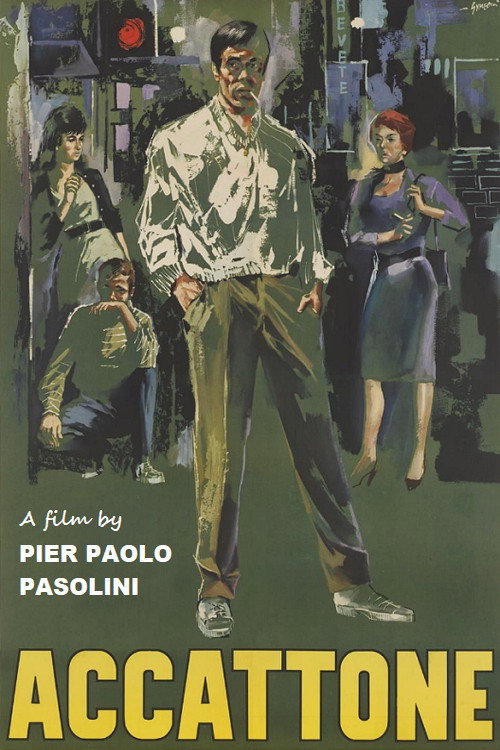
Accattone1961
Both films occupy the exact year and share a willingness to leave moral questions unanswered—neither film tells you what to think about its protagonist, forcing you into uncomfortable complicity.
Pier Paolo Pasolini's debut about a Roman pimp's final days of freedom. Stark, unsentimental, shot on real streets with non-actors. A film of pure sociological observation and moral weight—no plot machinery, just life collapsing.
But It's slow, punishing, and offers no heroism or redemption. Shot in grainy black-and-white, it can feel alienating. There's a suicide that many find unbearably difficult.
The Asphalt Jungle1950
Like The Naked Edge, it's absorbed with the question of whether good plans hide bad people, and whether competence is a substitute for character—both films suggest it never is.
John Huston's heist film—a criminal mastermind assembles a crew to rob a jeweler, and everything fractures. It's the template for a thousand heist films, but what matters is Huston's focus on the human cost, the petty compromises, the way plans survive only in imagination.
But It's a procedural without heroes—everyone is criminal, corrupt, or complicit. If you need someone to root for, there is no one. The pacing is dry.

People
Cast
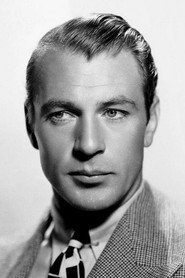 Gary CooperGeorge Radcliffe
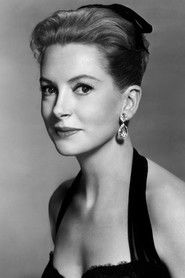 Deborah KerrMartha Radcliffe
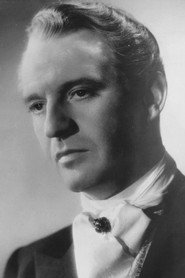 Eric PortmanJeremy Clay
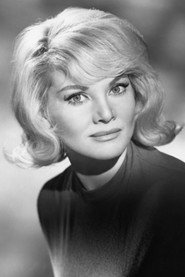 Diane CilentoMrs. Heath
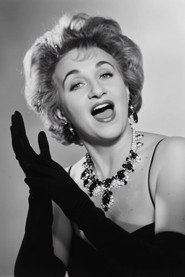 Hermione GingoldLilly Harris
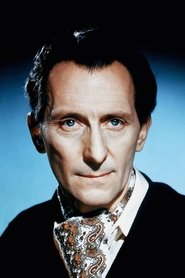 Peter CushingMr. Evan Wrack
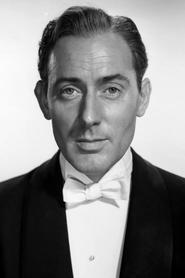 Michael WildingMorris Brooke
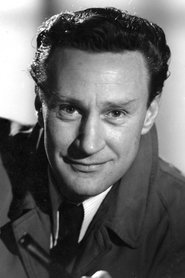 Ronald HowardMr. Claridge
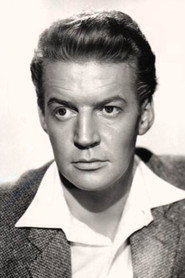 Ray McAnallyDonald Heath
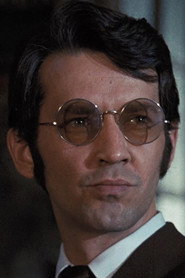 Sandor ElèsManfridi
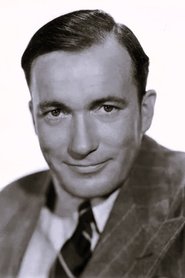 Wilfrid LawsonMr. Pom
 Helen CherryMiss Osborne
Directing
- Michael AndersonDirector
Writing
- Max EhrlichNovel
- Joseph StefanoScreenplay
Production
- Marlon Brando Sr.Executive Producer
- George GlassProducer
- Walter SeltzerProducer
- Bill KirbyProduction Supervisor