
Film
Night Must Fall
A 1937 British thriller where charm becomes a weapon. Robert Montgomery plays a seemingly innocent young man who insinuates himself into a wealthy widow's household, but his fiancée's suspicions grow darker. It's a masterclass in psychological unease—the kind of film that makes you distrust a smile, with Montgomery delivering a performance of unsettling magnetism that still feels modern.
Should you watch it?
Watch it if you like suspense that lives in a room, where a charming man's manners and a lingering doubt do more work than any chase, and you enjoy watching a viewer's suspicion tighten slowly.
Skip it if you need brisk plot and constant motion; this is talky, and its menace is quiet and mostly rests on what characters won't say, so patience is required.
What it asks of you: Settle in for a little under two hours of closed rooms and slow-building unease, with attention paid to faces and pauses rather than action.
Not sure? Find tonight's pick in a minute.
If you liked this
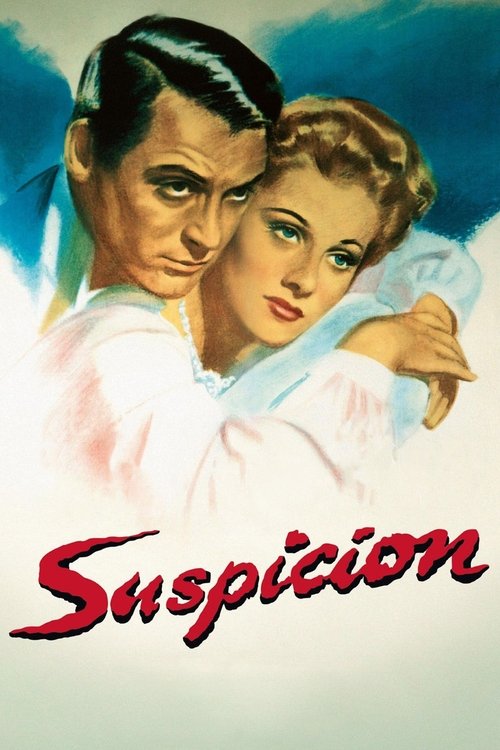
Suspicion1941
Cary Grant undermines his own leading-man charm in Hitchcock's study of a woman's creeping doubt. Like Night Must Fall, it's about believing the unbelievable about someone close to you, with mounting dread beneath the surface.
But The ending feels compromised by studio interference, and some modern viewers find the pacing deliberate to the point of drag.
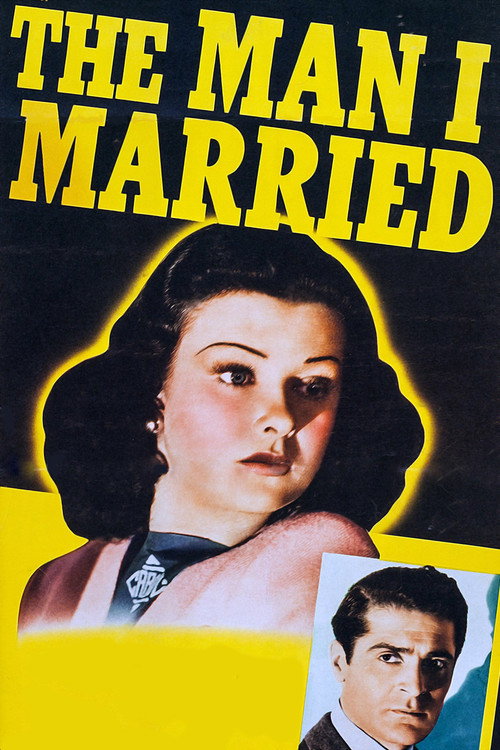
The Man I Married1940
Another period thriller about learning you've misjudged someone's true nature. It shares Night Must Fall's fascination with deception wrapped in likability and the horror of intimacy with a stranger.
But The film is weaker than its premise, and its anti-Nazi politics, though well-intentioned, date it more obviously than Night Must Fall.
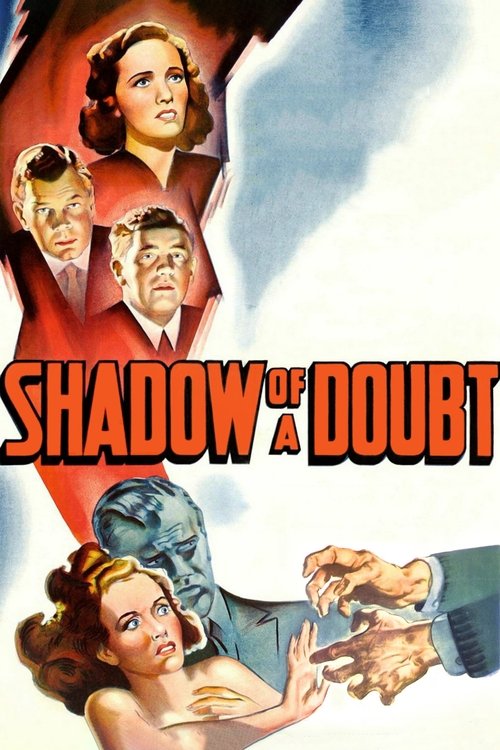
Shadow of a Doubt1943
Hitchcock's masterpiece about a charming uncle arriving in a small town, with a young niece sensing something deeply wrong. It's the spiritual successor to Night Must Fall—same dread, same American small-town setting, same sickening realization.
But It requires patience with Hitchcock's slower pacing and emotional scenes. For some, the suspense takes time to ignite.
Not sure tonight? Get a pick in a minute, starting from Night Must Fall
The wildcard
Something you would not have found on your own.
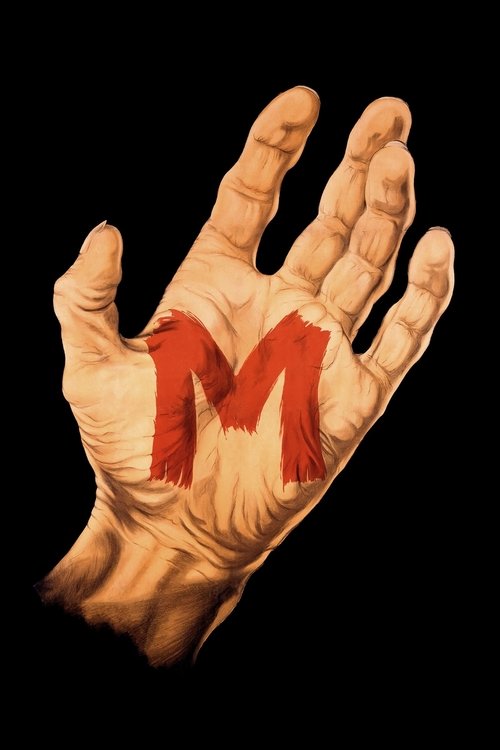
M1931
Both are about the terror of recognizing predatory nature in someone commonplace; both make charm itself sinister. M influenced every thriller about hidden monstrosity that followed, including Night Must Fall.
Fritz Lang's Berlin: a child killer hiding in plain sight, charming and ordinary. It invents the psychological thriller and shares Night Must Fall's fascination with how monsters wear the faces of men we'd never suspect. A founding text.
But It's German Expressionist cinema—stylized, sometimes overwrought, and the serial killer subject matter, even handled as seriously as Lang handles it, can feel exploitative to modern viewers.
More like this (7)
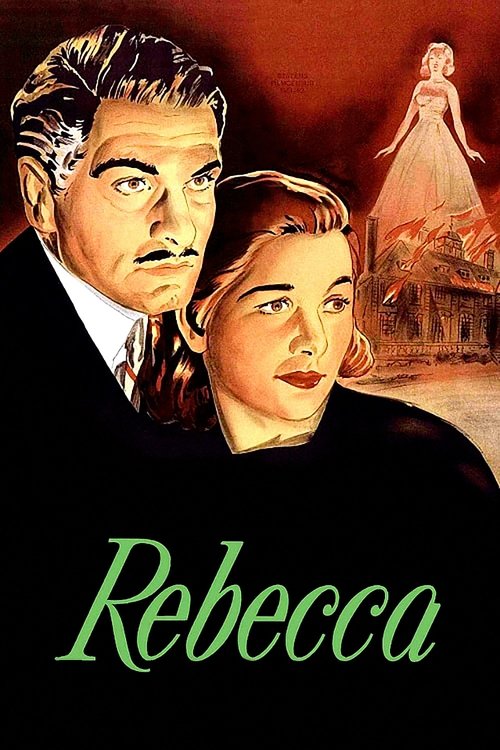
Rebecca1940
Another Hitchcock film about a woman slowly realizing her environment harbors dark secrets. The Gothic atmosphere and the sense of being watched and judged echo Night Must Fall's claustrophobia.
But It's longer and more ornate; some find Joan Fontaine's timidity trying, and the mystery is less about doubt than about secrets already buried.
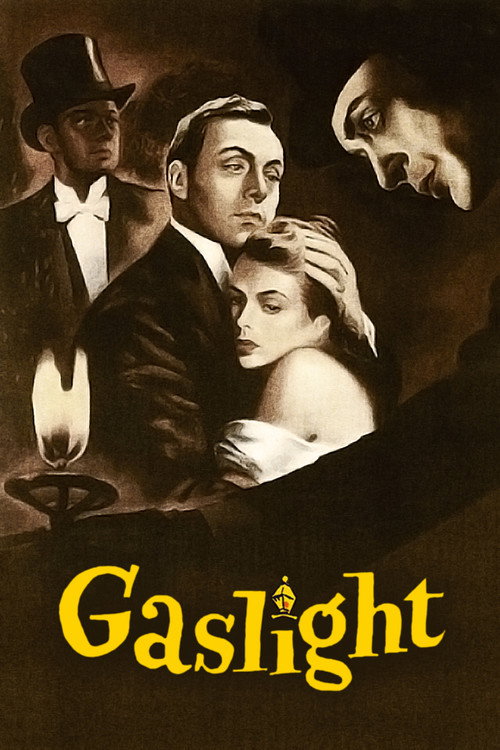
Gaslight1944
Charles Boyer plays a man manipulating his wife into madness. Like Night Must Fall, it's about psychological predation—someone weaponizing charm and familiarity to control and destroy.
But It's melodrama, not subtlety. Once you understand the game, the film confirms rather than surprises, and some modern viewers find it heavy-handed.
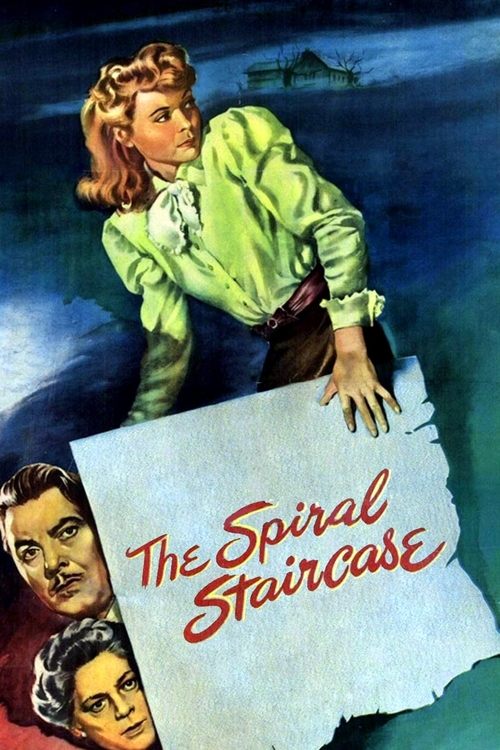
The Spiral Staircase1946
A woman trapped in a house with a killer, slowly realizing the threat is internal. It shares Night Must Fall's claustrophobia and its obsession with vulnerability to someone trusted.
But The thriller mechanics are predictable by modern standards, and it relies on the mute heroine trope that can feel dated.
The Third Man1949
Joseph Cotten's character slowly uncovers that his closest friend is a monster. Orson Welles gives a performance of dangerous charm that recalls Montgomery's work—likability as camouflage.
But It's primarily a film noir about Cold War Vienna, not a domestic thriller. Some find the digression into Vienna's politics distracting from the personal betrayal.

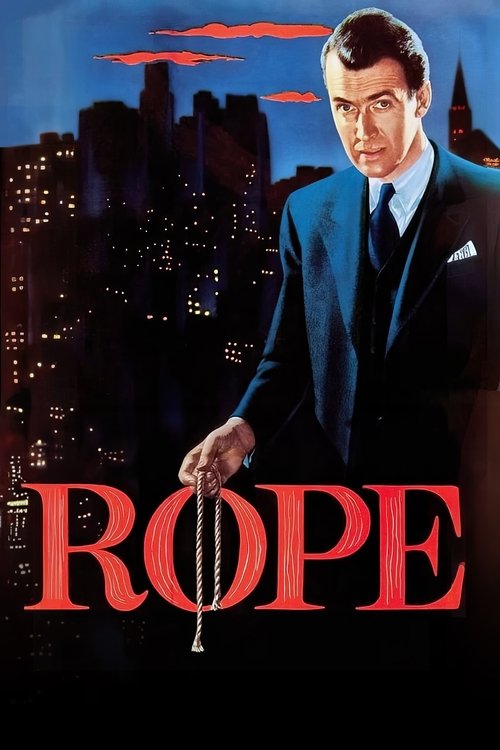
Rope1948
Two men commit murder while hosting a dinner party, their charm their alibi. Like Night Must Fall, it's about the performance of normality and how easily we accept it from someone we like.
But The real-time structure and single-room setting feel theatrical and constrained. Some find it airless rather than tense.
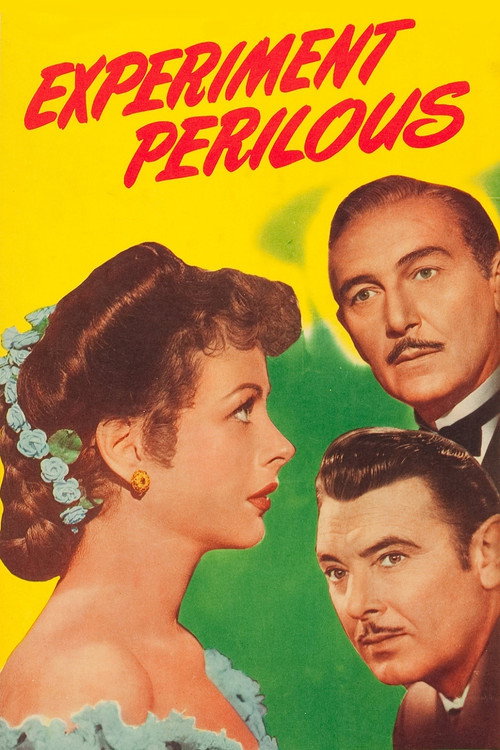
Experiment Perilous1944
A woman begins to suspect her husband of murder. It captures Night Must Fall's core anxiety: the slow horror of realizing the person you're closest to may be a predator.
But It's far less known and weaker in execution. The pacing stutters, and Paul Lukas doesn't have Montgomery's magnetic danger.
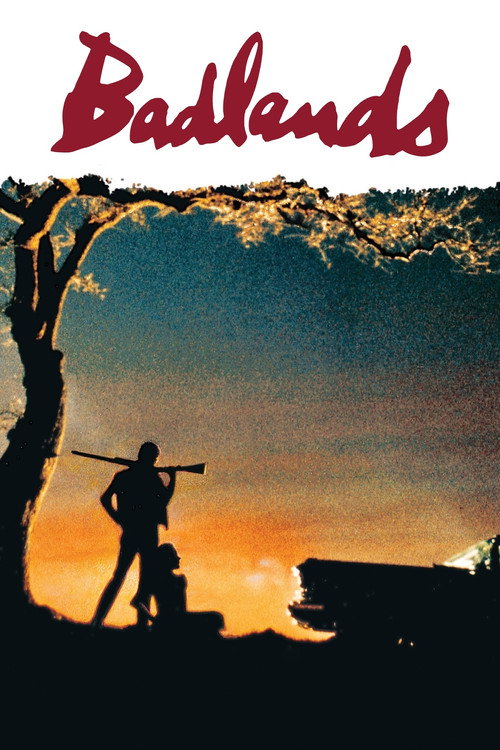
Badlands1973
Both are intimate portraits of a person revealed to be dangerous; both make the audience complicit in seeing through a lover's or admirer's eyes. Where Night Must Fall horrifies, Badlands seduces—a fundamental inversion that deepens both.
Terrence Malick's poetic film of two young lovers on the run. At its heart lies the same inquiry as Night Must Fall: how well do we know the person we're intimate with? But Badlands romanticizes what Night Must Fall condemns, offering a mirror-image perspective.
But It's a film that privileges mood over plot; many find it self-consciously artistic and slow. The voiceover can feel mannered, and romantic sympathy for a killer may repel you.
People
Cast
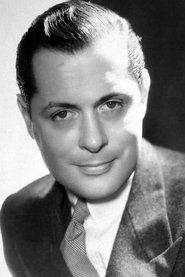 Robert MontgomeryDanny
 Rosalind RussellOlivia Grayne
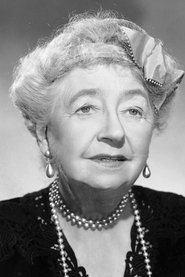 May WhittyMrs. Bramson
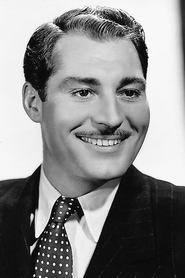 Alan MarshalJustin Laurie
 Merle TottenhamDora Parkoe
 Kathleen HarrisonEmily Terence
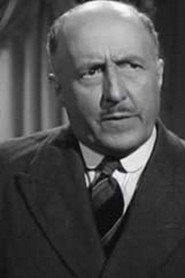 Matthew BoultonInspector Belsize
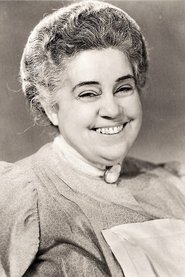 Beryl MercerSaleslady
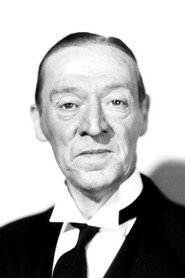 E. E. CliveGuide
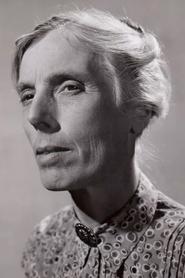 Eily MalyonNurse
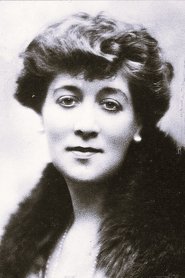 Winifred HarrisMrs. Laurie
Directing
- Harrold WeinbergerAssistant Director
- Tom AndreAssistant Director
- Richard ThorpeDirector
Writing
- John Van DrutenScreenplay
- Emlyn WilliamsTheatre Play
Production
- Hunt StrombergProducer