
Film
The Man I Married
A 1940 American drama where an Iowa woman discovers her husband's true allegiances during a European vacation, watching a seemingly ordinary man transform under Nazi ideology. It's a sharp-eyed domestic thriller that treats fascism as intimate betrayal rather than distant evil—uncomfortable, claustrophobic, and deeply concerned with how ideology corrodes marriage and identity.
If you liked this
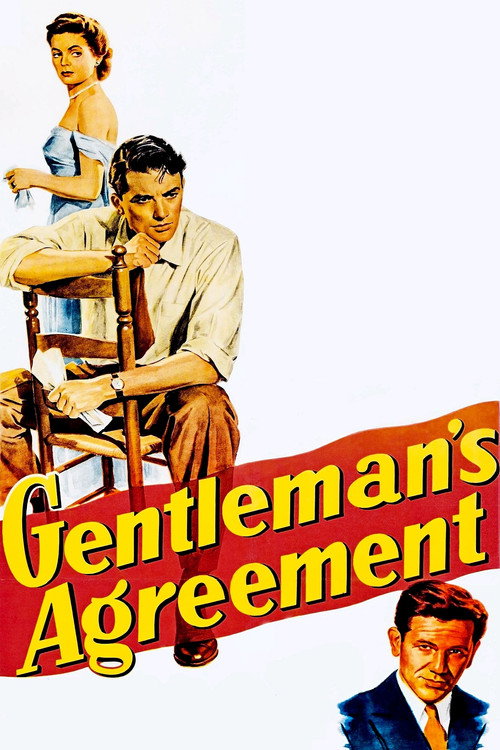
Gentleman's Agreement1947
Elia Kazan's Oscar winner about a journalist infiltrating antisemitic society. Like *The Man I Married*, it's specifically American anxious about fascism's appeal to ordinary people, but widens the lens to systemic prejudice at home.
But It's more didactic than gripping—sometimes the message lands harder than the drama, and the pacing sags in the middle.
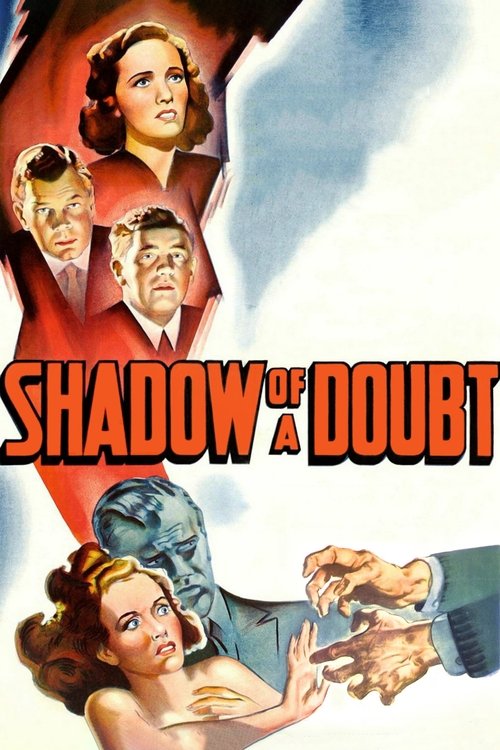
Shadow of a Doubt1943
Hitchcock's masterpiece: ordinary American small town infected by hidden evil. That same horror of discovering monstrosity beneath a familiar face, wrapped in suspense that never lets up.
But The mystery resolves halfway through, then pivots into something more philosophical. Some find that pivot slow.
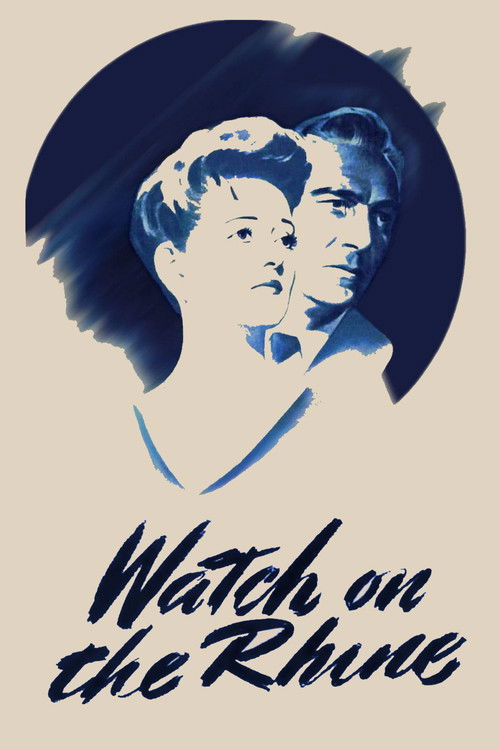
Watch on the Rhine1943
A refugee German plays house guest to an American family, with fascism creeping into their home as a visitor. Same claustrophobic dread, same focus on ideology invading domestic space.
But It's stagey and talky—adapted from a play, and sometimes feels like you're watching actors deliver speeches rather than living through crisis.
Not sure tonight? Get a pick in a minute, starting from The Man I Married
The wildcard
Something you would not have found on your own.
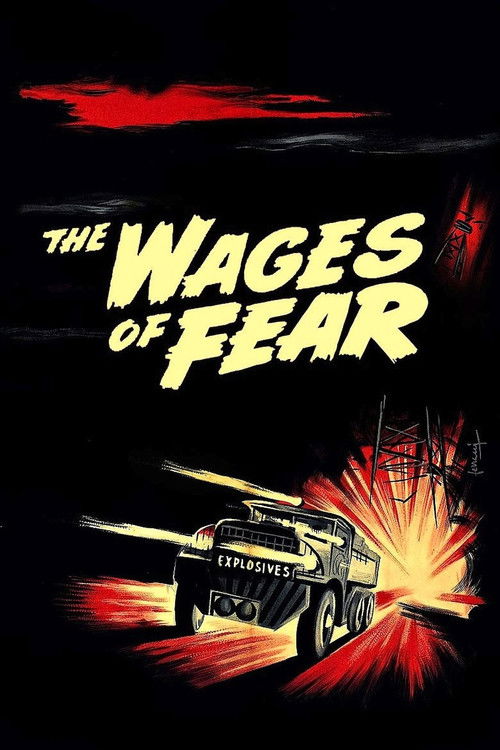
The Wages of Fear1953
Both are about watching someone you know transform under pressure—here external, physical circumstance rather than ideology, but the machinery is identical. A marriage and a convoy. Both are pressure chambers.
Sète and the oilfields: desperate men hauling nitroglycerin through impossible terrain. Entirely different genre, but that same suffocating sense of being trapped with people you cannot trust, watching ordinary men make terrible compromises under pressure.
But It's French, long, grueling, and the first half is a slow burn of character before the convoy begins. The violence is sudden and matter-of-fact, not cathartic.
More like this (7)
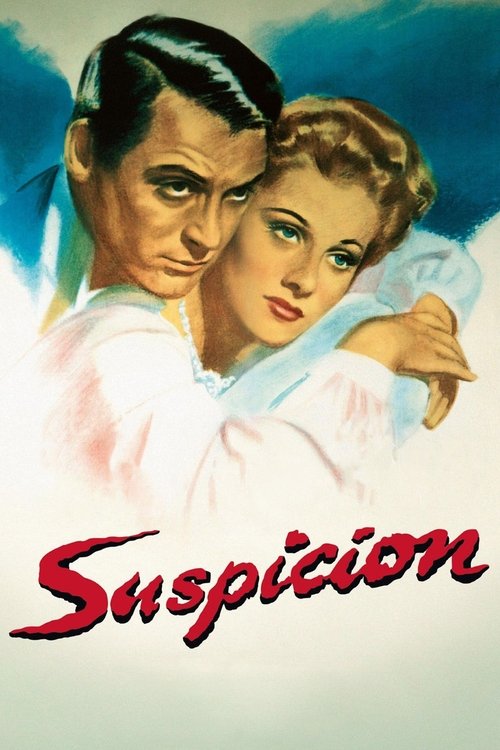
Suspicion1941
Joan Fontaine suspects her charming husband of murder. That marriage-as-trap energy, the way charm conceals something rotten, the woman trying to read a man she thought she knew.
But The ending famously compromises itself to keep the lead likable. It resolves into something safer than the film promised.
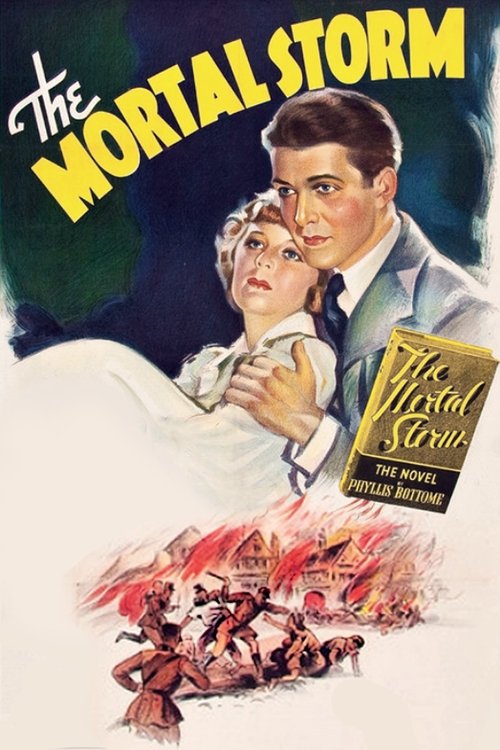
The Mortal Storm1940
Released the same year, it's another American film watching Nazi ideology destroy a family from within. Close in DNA and urgency, with an even grimmer view of what happens when ideology triumphs.
But Episodic and heavy-handed; it hammers its point rather than letting dread accumulate.
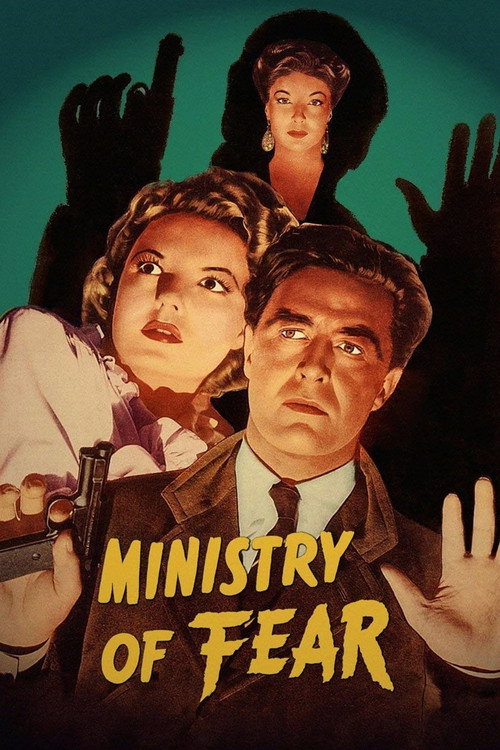
Ministry of Fear1944
Fritz Lang directing Quaker Oats paranoia: a man pursuing what seems like spy business in London, unsure who to trust. Exterior thriller version of the same isolation and doubt.
But The plotting is baroque and sometimes collapses under its own convolution. It prioritizes mood over clarity.
The Third Man1949
Post-war Vienna: a man searching for a friend discovers betrayal and ideological corruption. Grander in scale but cut from the same cloth—the hunt for truth in a world where everyone lies.
But At 104 minutes, it's leisurely. The zither score, while iconic, can feel whimsical for a film about moral rot.

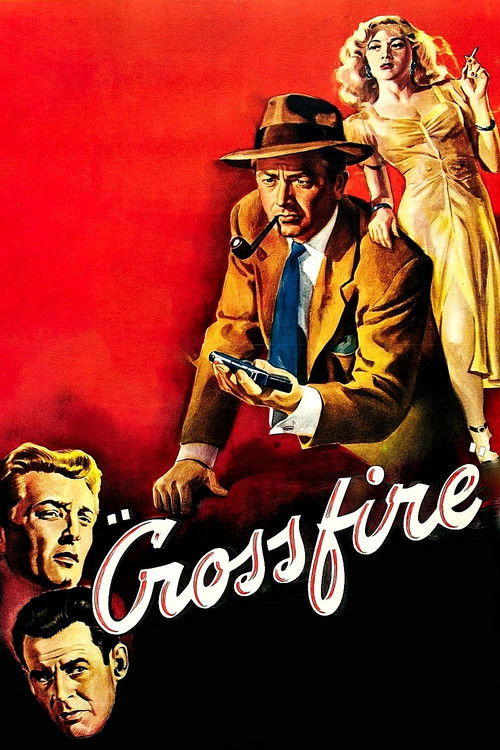
Crossfire1947
A murder investigation in post-war Washington, really about antisemitism spreading through American society like infection. Urgent and angry where *The Man I Married* is quietly horrified.
But Dated in some of its racial politics; it tries hard but sometimes lands awkwardly by modern standards.
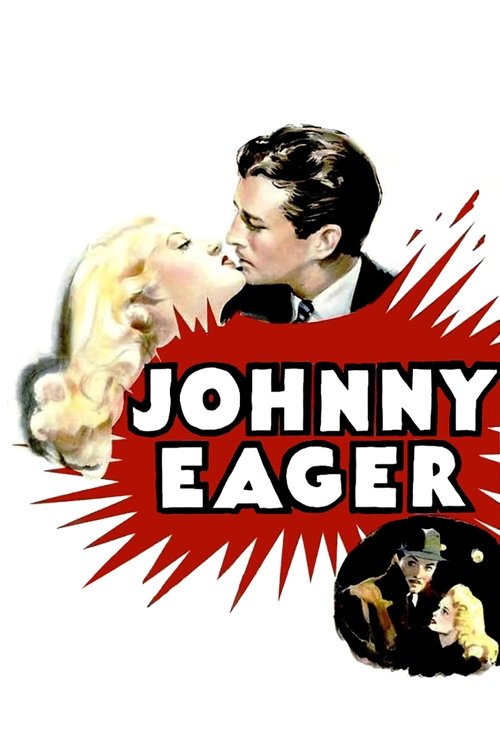
Johnny Eager1941
Robert Taylor as a charming criminal hiding ruthlessness beneath seduction. That same architecture of discovering who someone really is behind the smile.
But It's primarily a gangster picture; the ideological dimension is absent. The resemblance is mostly structural.
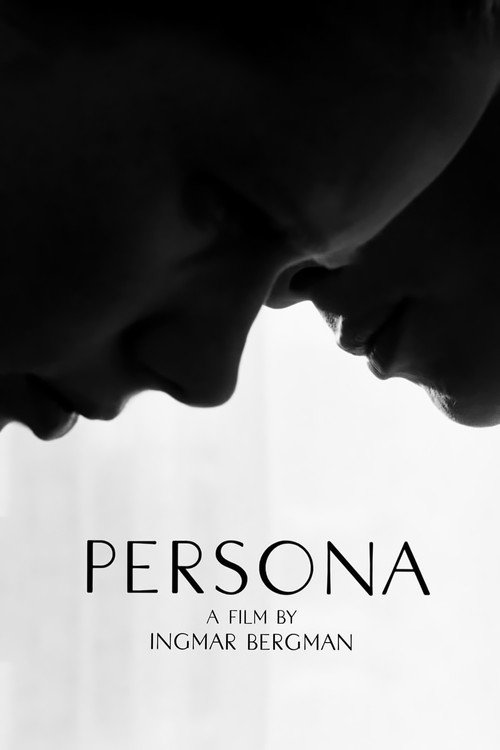
Persona1966
At its core, *The Man I Married* is about two people becoming something neither of them was before—marriage as a space where identity dissolves. Bergman takes that idea and pushes it into pure form, stripping away plot entirely to leave only the terrifying architecture of two people swallowing each other. One is a wartime thriller; the other is metaphysics. Both are about how marriage can erase you.
Bergman's masterpiece: two women, one stops speaking, the other speaks too much, and slowly their identities blur until you cannot tell where one ends and the other begins. The highest art about how people corrupt and merge with one another.
But It is abstract, symbolic, almost silent at times. If you want plot or narrative clarity, you will find neither. It works on dream logic.
People
Cast
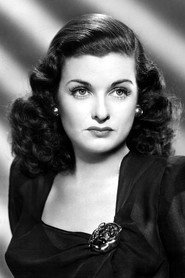 Joan BennettCarol Hoffman
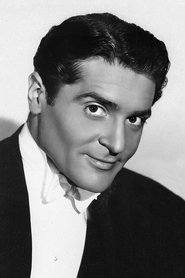 Francis LedererEric Hoffman
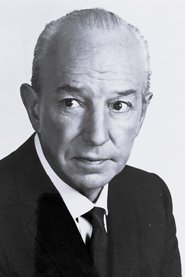 Lloyd NolanKenneth Delane
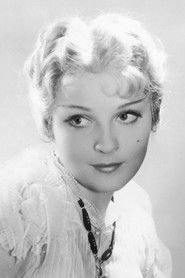 Anna StenFrieda
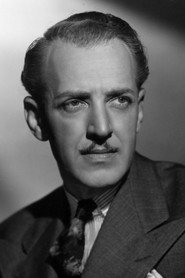 Otto KrugerHeinrich Hoffman
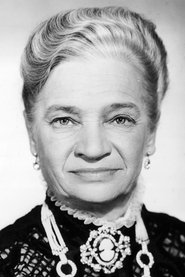 Maria OuspenskayaFrau Gerhardt
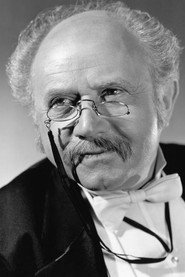 Ludwig StösselDr. Gerhardt
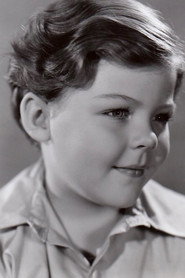 Johnny RussellRicky Hoffman
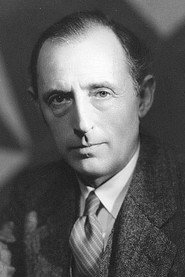 Frank ReicherFriehof
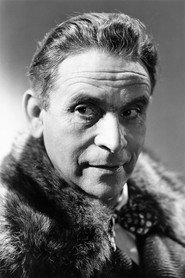 Ernst DeutschOtto
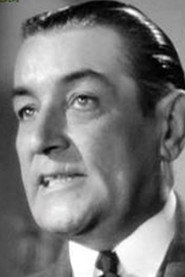 Frederick VogedingTraveller
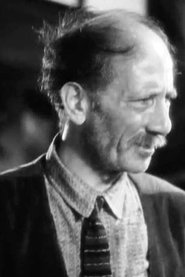 Egon BrecherCzech
Directing
- Irving PichelDirector
Writing
- Oliver H.P. GarrettScreenplay
- Oscar SchisgallStory
Production
- Darryl F. ZanuckProducer