
Film
Watch on the Rhine
A 1943 wartime thriller about a German resistance fighter who brings his family home to Washington, DC, only to be threatened by blackmail. Bette Davis anchors a tense, intelligent drama about ordinary people forced into extraordinary moral choices. It's intimate rather than epic—less about battles than about what we'll sacrifice to protect those we love.
Should you watch it?
Watch it if you are drawn to talky, morally tense chamber dramas where the danger arrives through a dinner-table conversation rather than action, and where a decent man's choices carry real weight.
Skip it if you want brisk pacing or a thriller that keeps moving, since much of this 114-minute film is spent in drawing rooms where people weigh words and consequences with careful, deliberate restraint.
What it asks of you: It asks for patience and close listening, moving at the unhurried pace of a stage play, with its tension building slowly through conversation rather than through spectacle or sudden shocks.
Not sure? Find tonight's pick in a minute.
If you liked this
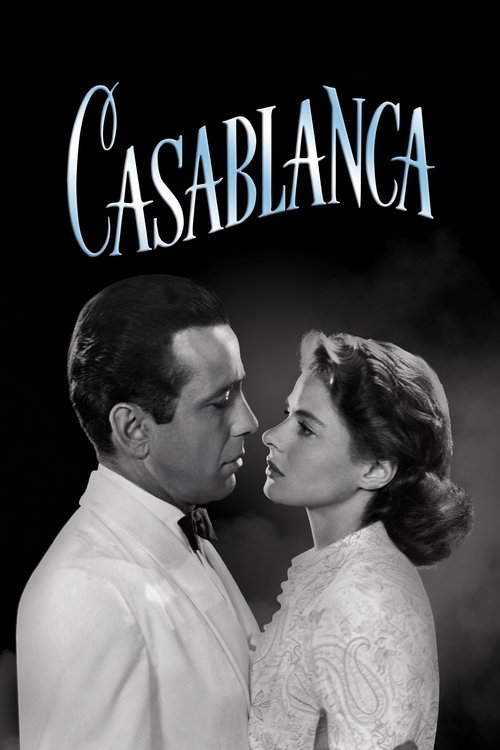
Casablanca1943
The definitive wartime romance: sophisticated, morally complex, and driven by impossible choices between love and principle. Humphrey Bogart and Ingrid Bergman are magnetic, and the script is endlessly quotable.
But If you've seen it before, you've already absorbed it into your bones. Some find the political framework dated or the romanticism cloying.
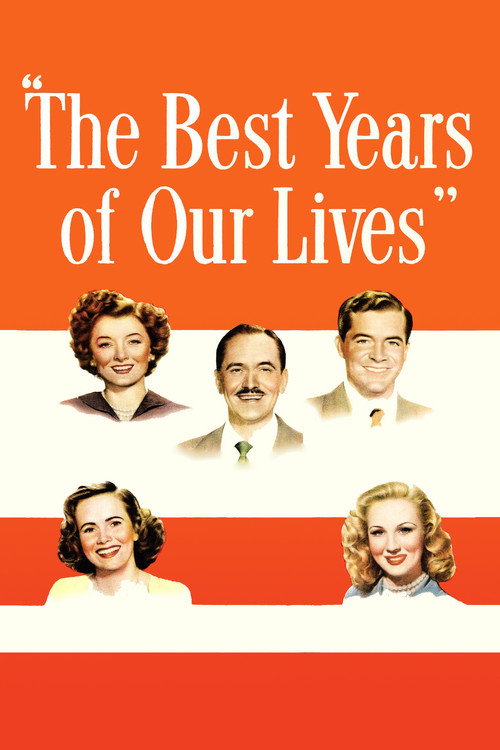
The Best Years of Our Lives1946
Three servicemen return home after WWII and struggle to rebuild their lives. William Wyler's compassion is devastating, the ensemble cast is flawless, and it captures the moral and emotional weight of returning to a world that's moved on.
But At nearly three-and-a-half hours, it demands patience. The pacing is deliberate, sometimes glacial, and some subplots feel a touch soapy.
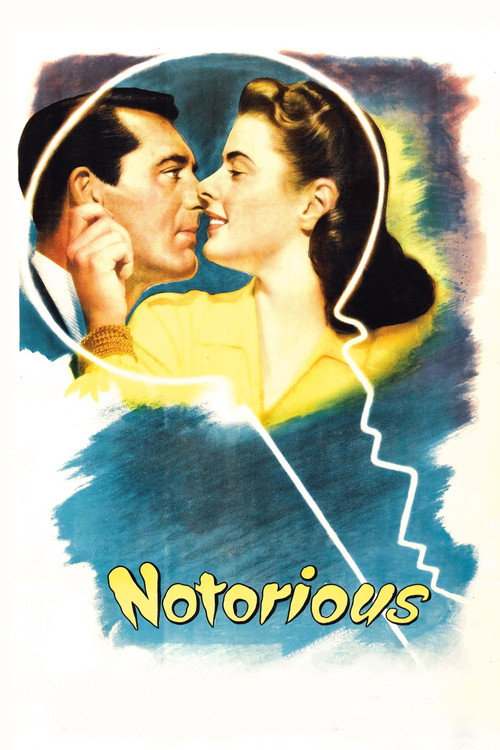
Notorious1946
Hitchcock's masterpiece: Cary Grant and Ingrid Bergman in a wartime spy thriller that crackles with tension, desire, and moral ambiguity. Every frame is composed for maximum dread and intrigue.
But The plot hinges on some fairly dark emotional manipulation. If you need your protagonists to be purely sympathetic, this will unsettle you.
Not sure tonight? Get a pick in a minute, starting from Watch on the Rhine
The wildcard
Something you would not have found on your own.
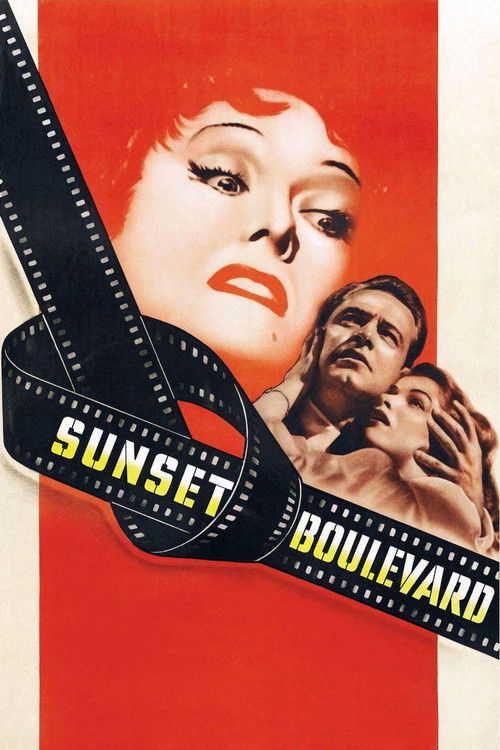
Sunset Boulevard1950
Both examine what people will do—and what they'll overlook—when survival or protecting their world is at stake. Both feature women (Davis and Swanson) in their power as the moral centers of increasingly corrupt situations.
Billy Wilder's gothic masterpiece about a failed screenwriter drawn into the delusions of a fading silent film star. It's about power, desperation, and the American fantasy colliding with reality. Gloriously dark and perversely funny.
But The vision of Hollywood is caustic and misanthropic. If you prefer warmth or hope in your narratives, this will feel nihilistic and cold.
More like this (8)
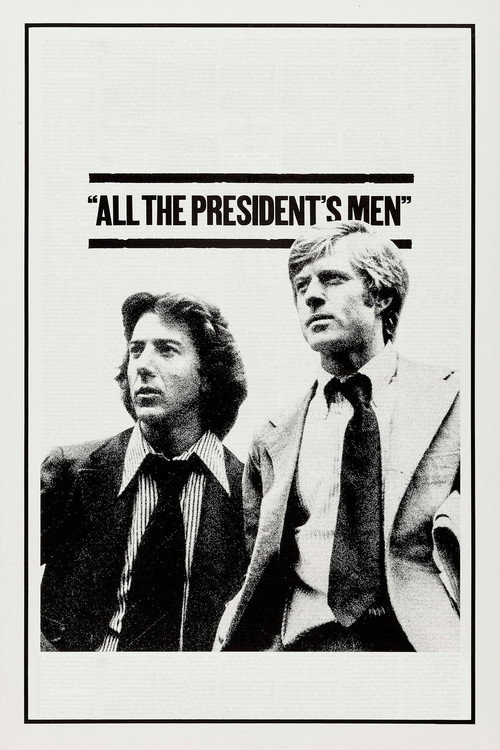
All the President's Men1976
A procedural thriller about uncovering hidden truths while powerful forces work to silence you. Methodical, gripping, and surprisingly intimate despite the historical scope—Redford and Hoffman are brilliant.
But The pacing is deliberate rather than explosive. If you need constant momentum and action beats, the detective work may feel slow.
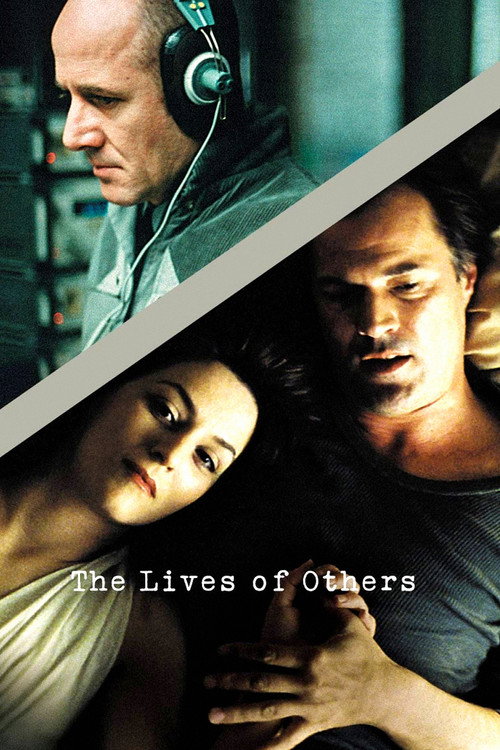
The Lives of Others2006
A Stasi spy learns humanity while surveilling a playwright and his lover in Cold War Berlin. Morally intricate, achingly tender, and built on quiet performances that reveal everything. One of the finest espionage films ever made.
But It's in German with subtitles. The tone is sober and melancholic—there's little lightness, and the ending, while earned, is bittersweet.
Rope1948
Hitchcock experiments with a single, nearly unbroken take as two men hide a murder in their apartment while hosting a dinner party. The claustrophobia and voyeurism are exquisite; the moral inquiry is unsettling.
But The gimmick—Hitchcock's obsession with the unbroken take—occasionally feels like artifice. Some viewers find the philosophical debates self-conscious rather than organic.

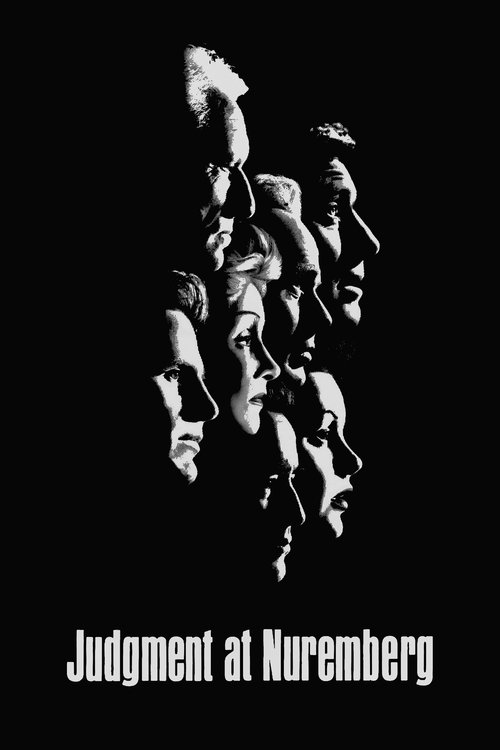
Judgment at Nuremberg1961
Spencer Tracy presides over the war crimes trials of Nazi judges and lawyers. It's a courtroom drama with profound historical weight, examining complicity, law, and the price of conscience. The testimony is devastating.
But At over three hours, it's a commitment. The didactic elements can feel heavy-handed, and some scenes rely on speechifying rather than showing.
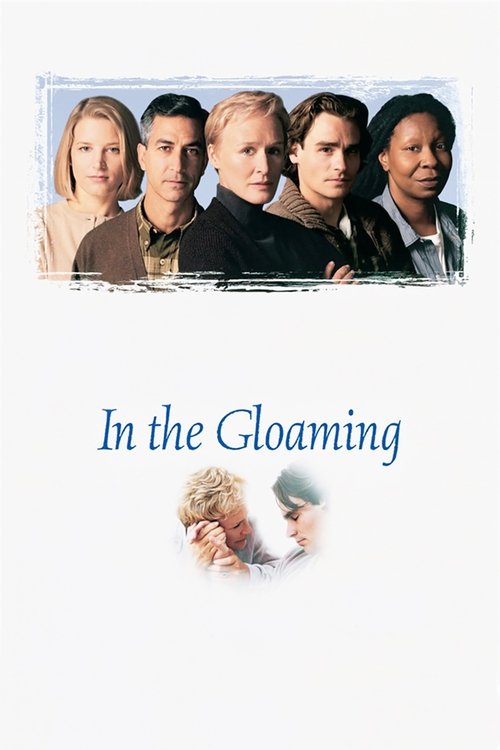
In the Gloaming1997
Glenn Close and Christopher Reeve in an achingly intimate television film about a woman caring for her dying son. It's about love, acceptance, and the unspoken things families leave unsaid. Quietly devastating.
But It's a slow, delicate character study with minimal plot. If you need narrative propulsion or cathartic resolution, this will frustrate you.
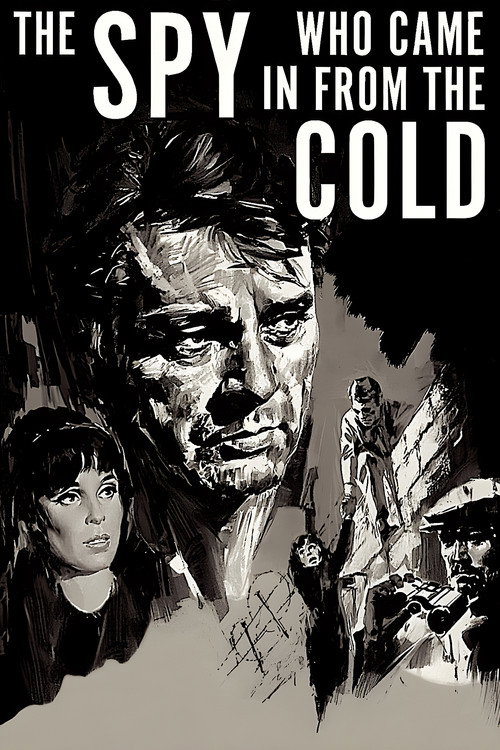
The Spy Who Came In from the Cold1965
John le Carré's Cold War masterwork: gray, exhausting, morally murky. Richard Burton as a burnt-out intelligence officer navigating betrayal and ideology. It's the anti-Bond—realistic, worn, deeply cynical about espionage.
But The tone is relentlessly grim and defeatist. There are no heroic moments, no clever victories—just the slow rot of a man used and discarded. It's bleaker than most people expect.
A Prophet2009
Like Watch on the Rhine, it explores how ordinary people become trapped in systems larger than themselves and what compromises they make to survive. Both are about hidden identities and the cost of secrecy.
A young man enters French prison and rises through cunning and brutal self-invention. It's a thriller, a character study, and a bleak portrait of systemic corruption. Jacques Audiard directs with precision; the tension never stops.
But It's in French with subtitles, and the prison violence is graphic and sustained. The morality is murky—there's no redemption, only adaptation and survival.

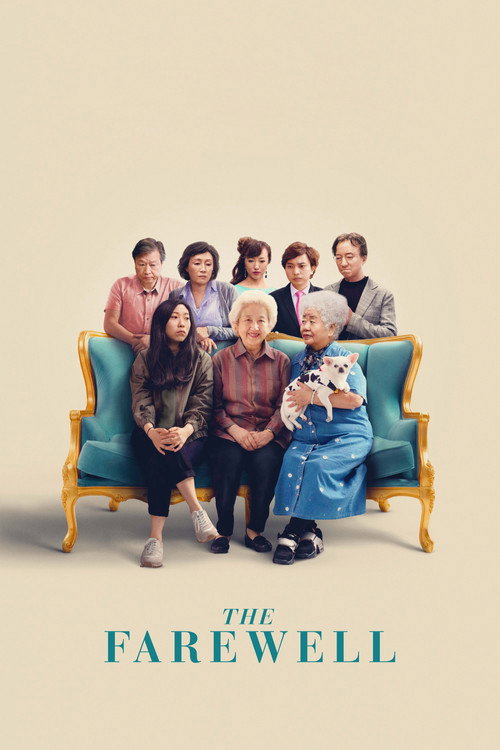
The Farewell2019
Both pivot on a family united by a dangerous secret, forced to navigate conflicting loyalties between individual conscience and collective survival. Both prize the small, domestic moments where moral choices are really made.
Lulu Wang's luminous film about a Chinese family who conspire to hide a terminal diagnosis from their elderly mother. It's funny, tender, and deeply humane, asking what we owe each other and when lying becomes love.
But It's partly in Mandarin with subtitles. The emotional register is quiet and domestic rather than dramatic—some find that insufficiently cinematic.
People
Cast
 Bette DavisSara Müller
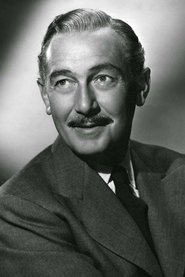 Paul LukasKurt Müller
 Geraldine FitzgeraldMarthe de Brancovis
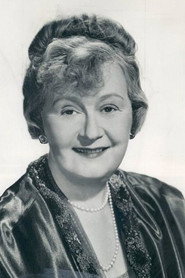 Lucile WatsonFanny Farrelly
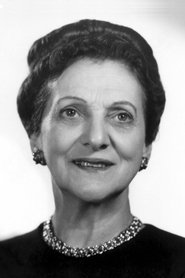 Beulah BondiAnise
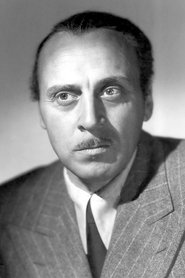 George CoulourisTeck de Brancovis
 Donald WoodsDavid Farrelly
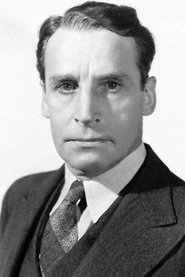 Henry DaniellPhili Von Ramme
- Eric RobertsBodo
 Donald BukaJoshua
 Anthony CarusoItalian Man
 Helmut DantineYoung Man
Directing
- Richard MayberyAssistant Director
- Hal MohrCo-Director
- Herman ShumlinDirector
- Ridgeway CallowSecond Assistant Director
Writing
- Dashiell HammettScreenplay
- Lillian HellmanTheatre Play
Production
- Jack L. WarnerExecutive Producer
- Hal B. WallisProducer
- Chuck HansenUnit Manager