
Film
The Mortal Storm
A 1940 American drama set in the German Alps as the Nazis rise to power, following how ideology fractures a family and tests loyalties. Margaret Sullavan and James Stewart anchor a film that doesn't look away from how fascism corrupts ordinary people and relationships. Urgent and deeply felt, made while the threat was still unfolding.
If you liked this
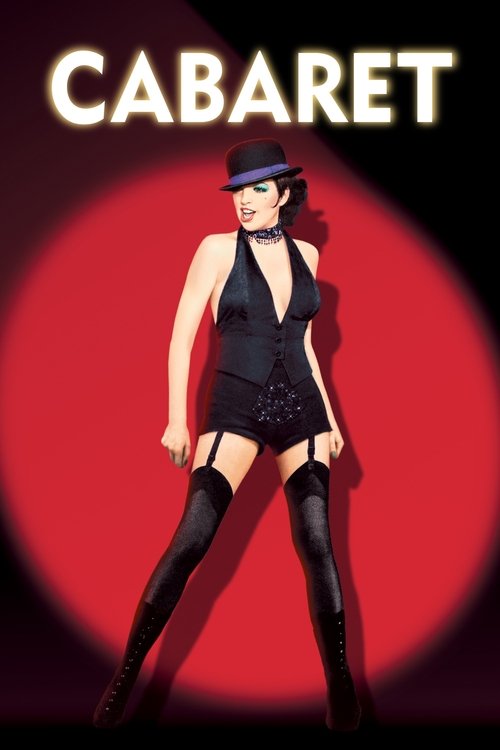
Cabaret1972
Liza Minnelli's performance is unforgettable, and the film captures Weimar Berlin's doomed glamour with precision. It shows how ordinary life persists alongside gathering darkness, much like The Mortal Storm's approach.
But The musical numbers, while brilliant, give it a different texture than you might expect from a Nazi-era drama. Some find the tonal shifts jarring.
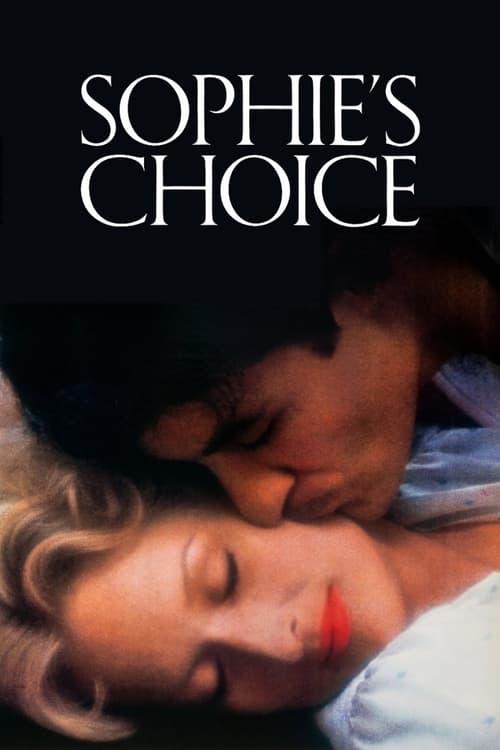
Sophie's Choice1982
Meryl Streep delivers one of cinema's greatest performances in a film that examines how the Holocaust destroys not just lives but the survivors' capacity to move forward. It shares the moral weight and emotional devastation.
But It's relentlessly bleak and moves slowly. The framing story feels dated to some viewers, and the film demands patience.
Come and See1985
A Soviet film about a boy recruited into WWII that captures the psychological horror of fascism with nightmarish intensity. It's the most unflinching examination of what ideology costs the human soul.
But This is genuinely traumatizing. It's not a film you watch for pleasure—you watch it to be changed. The imagery is devastating and will stay with you.

Not sure tonight? Get a pick in a minute, starting from The Mortal Storm
The wildcard
Something you would not have found on your own.
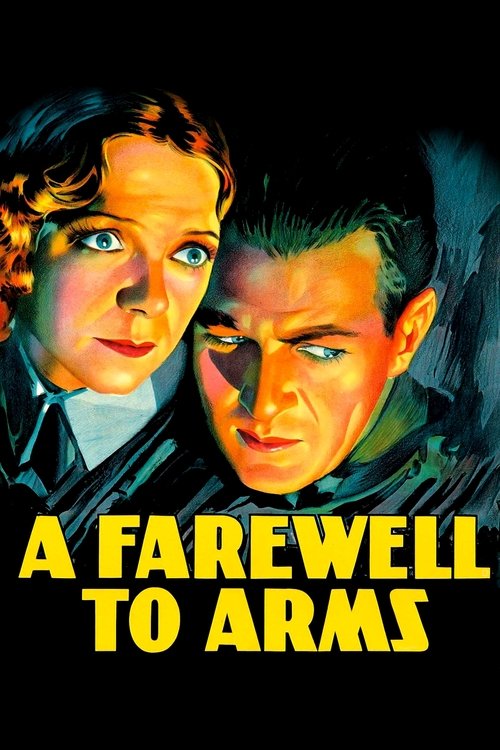
A Farewell to Arms1932
Both are early-1940s American dramas about ordinary people watching ideology destroy their world. Farewell to Arms shows the same fracturing of loyalty and love under historical pressure, but through a different historical moment.
Made the same year as Mortal Storm, this is an American film about how war—any war—shatters ideals and love. It's the template for how to film the personal cost of ideology, but without the Nazi specificity.
But It's a romance at its core, which can feel incongruous with the tragedy. The 1957 remake is often preferred, which suggests the original hasn't aged flawlessly.
More like this (8)
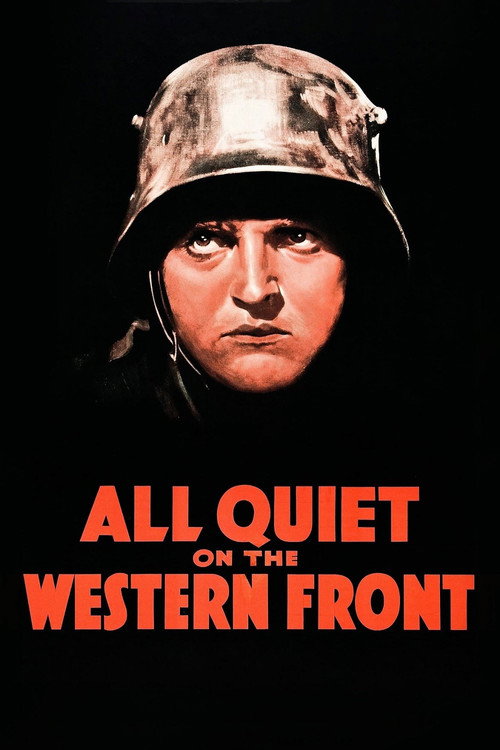
All Quiet on the Western Front1930
An even earlier American classic about how war grinds idealism into nothing. The 1930 version has a rawness the 1979 remake lacks. Both capture ordinary people caught in systems larger than themselves.
But The pacing feels slow by modern standards, and some scenes of trench warfare are repetitive. The dialogue can feel stagey.
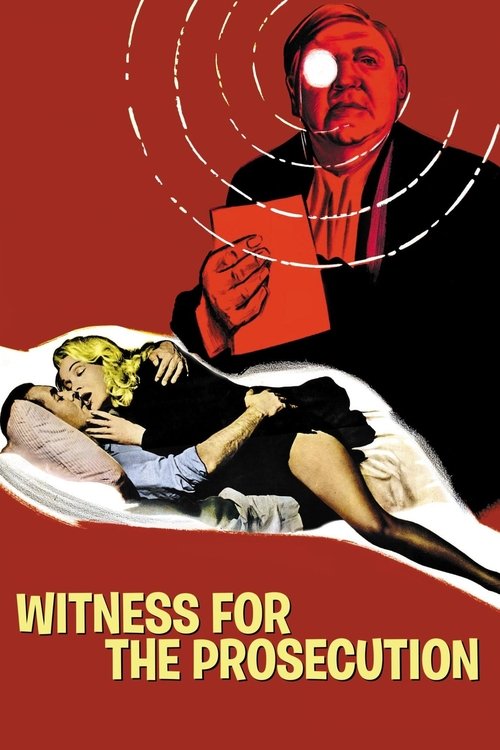
Witness for the Prosecution1957
Agatha Christie's masterpiece with Charles Laughton. It's not about fascism, but it's the same era's preoccupation with loyalty, betrayal, and hidden truth—and how well we really know the people close to us.
But It's a courtroom drama, so if you're looking for more historical immersion, this pivots to mystery. The twist is famous enough that surprise is hard to find now.
The Third Man1949
Set in post-war Vienna, it's a thriller about friendship betrayed and idealism corrupted. Orson Welles is mesmerizing, and Carol Reed's direction transforms a city divided by occupation into a character itself.
But It's stylized and sometimes feels more like a noir than historical drama. The zither score, while iconic, takes getting used to.

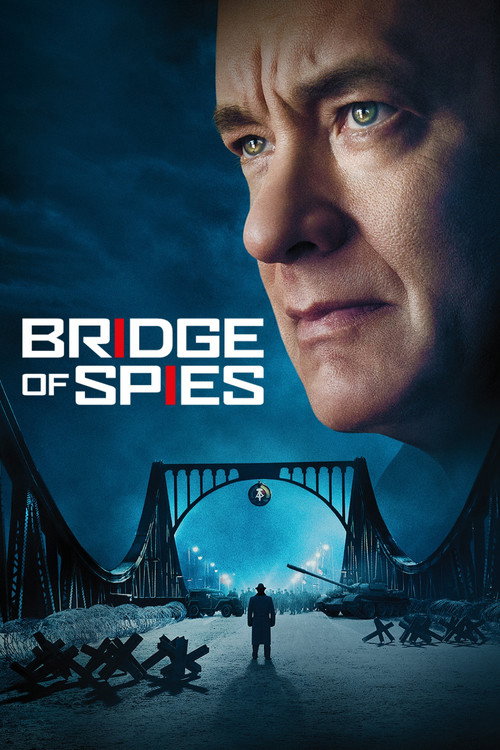
Bridge of Spies2015
Spielberg and Tom Hanks examine Cold War paranoia and the cost of principle when the stakes are survival. It has The Mortal Storm's quiet conviction that decency matters even—especially—when it's costly.
But It's deliberate and patient to the point some find it slow. The moral clarity might feel simplified compared to the ambiguity of older films.
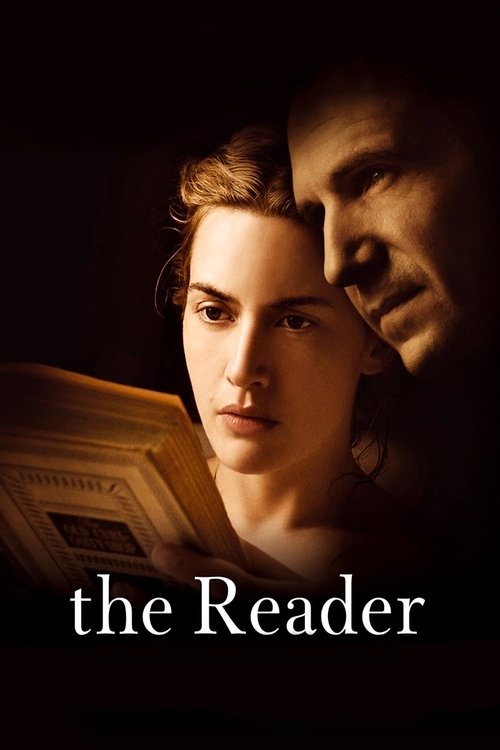
The Reader2008
Kate Winslet is extraordinary in a film about a German woman confronting her past as a Nazi guard. It's uncomfortable and morally complex in ways that linger after watching.
But The relationship at its center troubles many viewers. Some feel it romanticizes or excuses perpetrators. The film doesn't resolve this neatly.
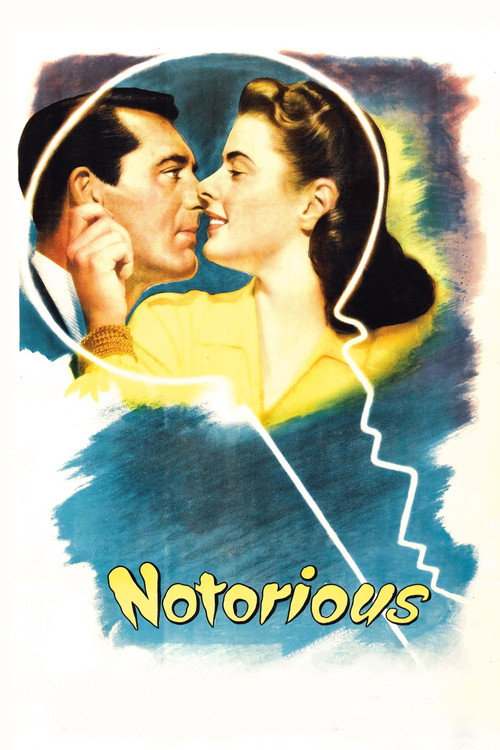
Notorious1946
Hitchcock and Cary Grant create a spy thriller set in post-war Rio where Nazi sympathizers hide in plain sight. It's tighter and faster than The Mortal Storm but carries similar anxiety about fascism's lingering threat.
But It prioritizes suspense over historical reflection. If you want moral reckoning, this is more about plot mechanics and romance than accountability.
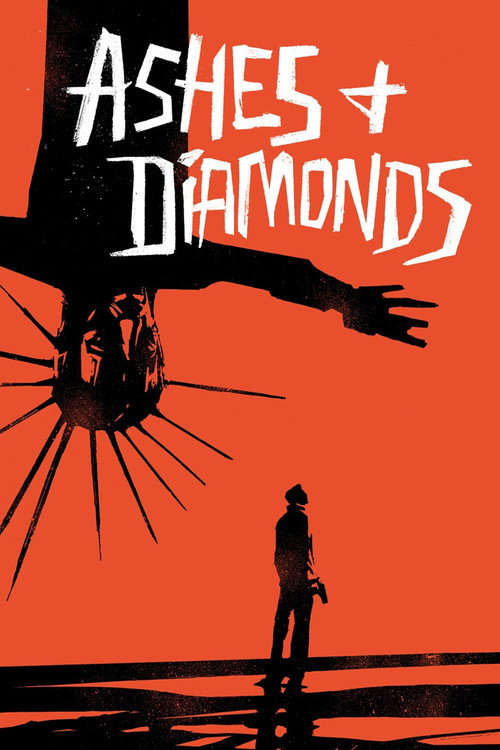
Ashes and Diamonds1958
Where Mortal Storm shows fascism rising and fracturing families, Diamonds shows its immediate aftermath—the disorientation of those who fought it realizing the world is more complicated than the war suggested. Same wound, different moment.
Andrzej Wajda's Polish masterpiece about a young anti-Nazi resistance fighter in the hours after the war ends, realizing his enemy has become his ally. It captures the moral vertigo of living through ideology's collapse.
But It's meditative and symbolic rather than plot-driven. The black-and-white cinematography and Polish context require adjustment. Some find it obscure.
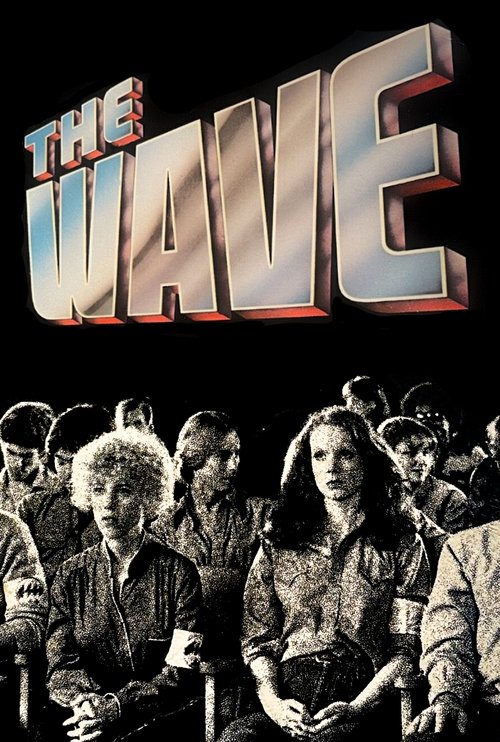
The Wave1981
Mortal Storm shows fascism from the outside, as a historical force. The Wave shows it from the inside—the seduction, the surrender, the mechanism of how people become complicit. Different angle on the same horror.
A TV film about a high school teacher who recreates fascism in his classroom as an experiment. It's terrifying because it shows how easily ordinary people—children, even—surrender autonomy to ideology and belonging.
But It's didactic and feels like an after-school special. The dramatics are broad. If you want subtlety, this isn't it. Some see it as heavy-handed.
People
Cast
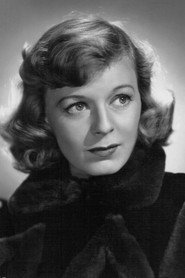 Margaret SullavanFreya Roth
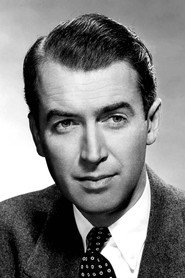 James StewartMartin Breitner
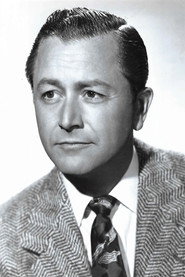 Robert YoungFritz Marberg
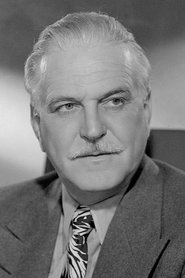 Frank MorganProfessor Victor Roth
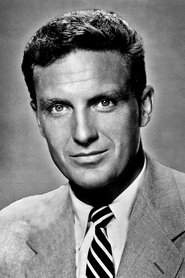 Robert StackOtto Von Rohn
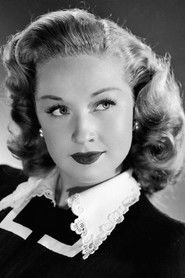 Bonita GranvilleElsa
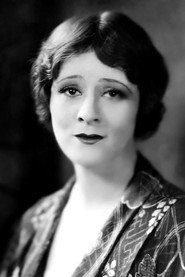 Irene RichMrs. Roth
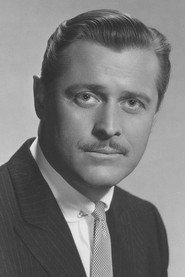 William T. OrrErich Von Rohn
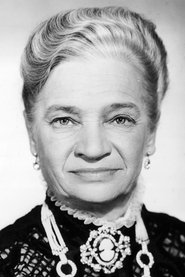 Maria OuspenskayaMrs. Breitner
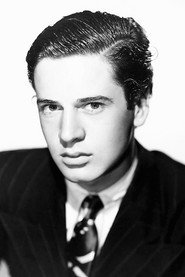 Gene ReynoldsRudi
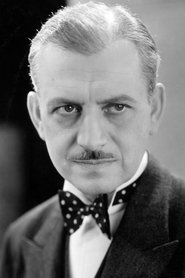 Russell HicksRector
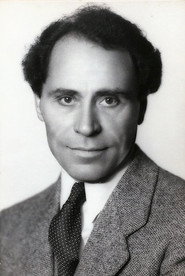 William EdmundsLehman
Directing
- Frank BorzageDirector
Writing
- Phyllis BottomeNovel
- Claudine WestScreenplay
- George FroeschelScreenplay
- Hans RameauScreenplay
Production
- Frank BorzageProducer
- Victor SavilleProducer