
Film
Crossfire
A demobbed soldier is found beaten to death in a Washington hotel room, and the detective on the case starts pulling at a loose circle of other veterans still killing time before going home. Shot fast and cheap on an RKO B-picture budget, it's all shadow, cigarette smoke and hard questions - a lean noir that turns out to be one of the first studio films to say 'antisemitism' out loud.
If you liked this
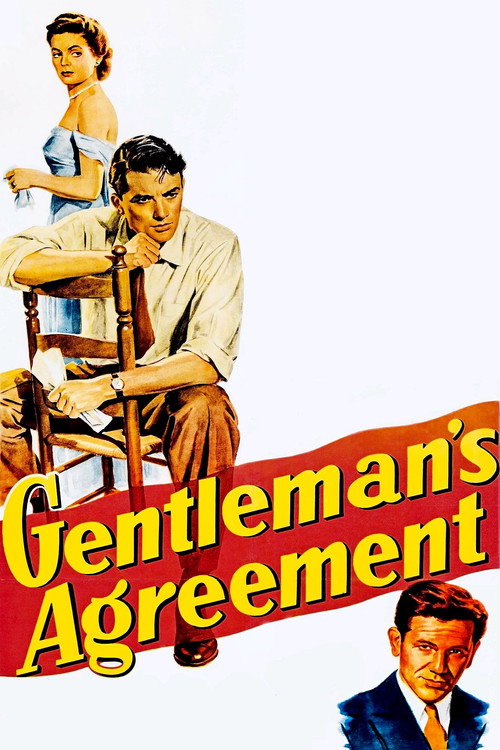
Gentleman's Agreement1947
Same year, same target, but Elia Kazan doing the prestige version — a journalist goes undercover as Jewish to expose everyday bigotry, and it won the Oscar Crossfire only got nominated for.
But Talkier and more polished, trading noir shadows for handsome studio gloss and a comfortable non-Jewish hero at its centre.
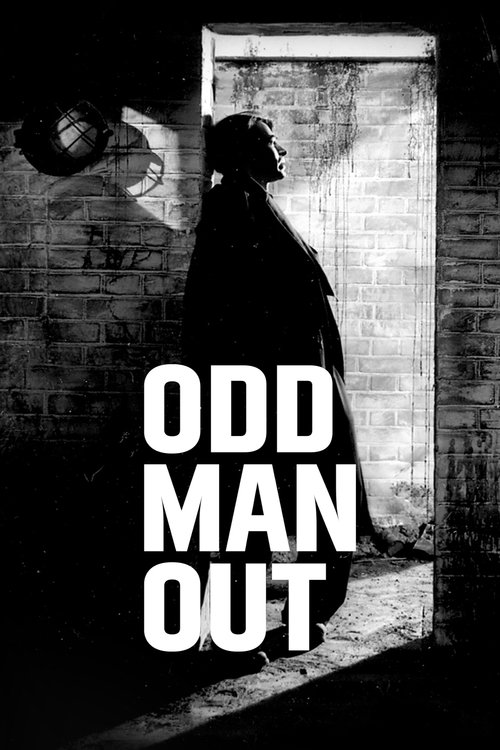
Odd Man Out1947
Carol Reed's expressionist chase through Belfast at night, following a wounded man through a city full of people who all have their own reasons to help or betray him.
But More mood poem than plot machine — the ambiguity is slower and sadder than Crossfire's tight, ticking investigation.
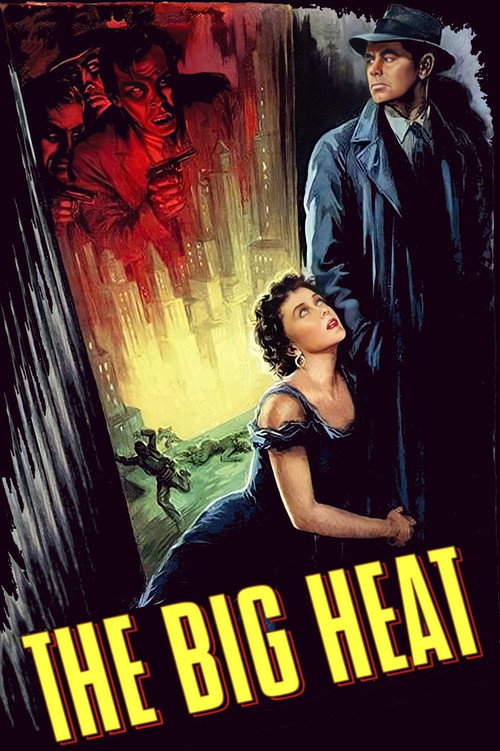
The Big Heat1953
Gloria Grahame again, this time married to corruption, in a Fritz Lang noir where the rot runs all the way up and one cop has to decide how far he'll go to expose it.
But Colder and more violent than Crossfire, with less curiosity about why people hate and more interest in what hate does.
The wildcard
Something you would not have found on your own.
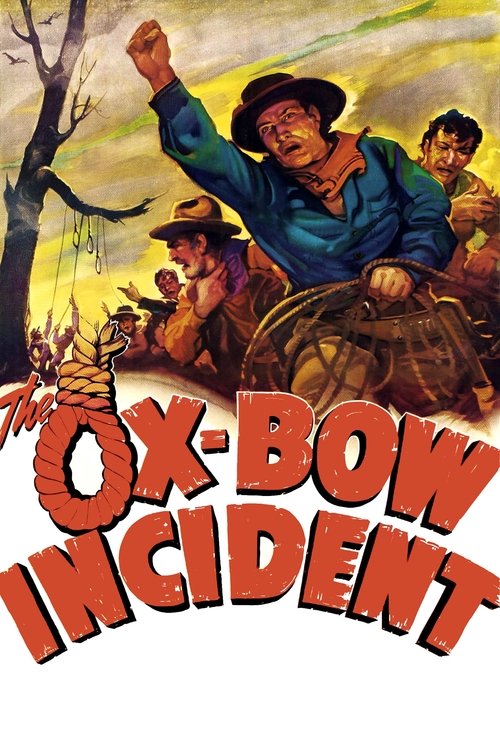
The Ox-Bow Incident1943
Crossfire is about ordinary men turning a fellow soldier into a scapegoat out of prejudice and mob instinct; this puts the exact same machinery — rumor, groupthink, the terror of standing alone against a crowd bent on killing — into a Western posse instead of a barracks.
A lynch mob rides out to hang a man for a murder he probably didn't commit, and the film makes you feel every excuse each rider gives himself along the way.
But Bleaker and more static than Crossfire — almost entirely without hope, and the pacing is deliberately airless.
More like this (8)
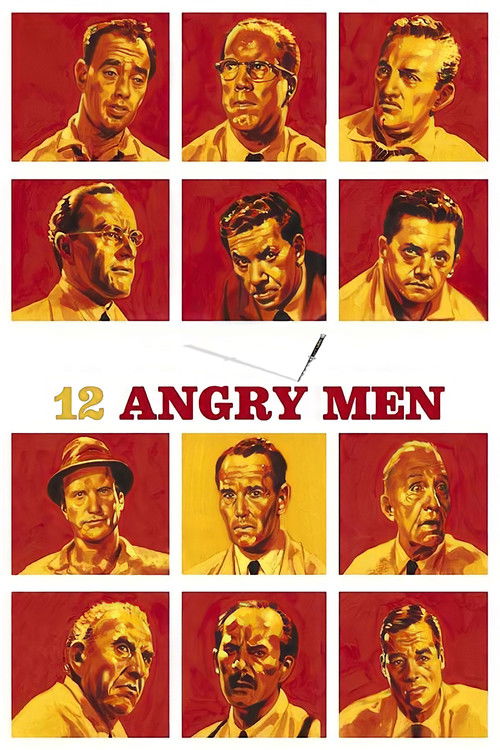
12 Angry Men1957
Strip away the streets and the murder scene entirely, lock twelve men in one room, and watch prejudice get named out loud one furious admission at a time.
But Total single-set staginess, zero exteriors — if you loved Crossfire's nighttime prowl, this claustrophobia is a different animal.
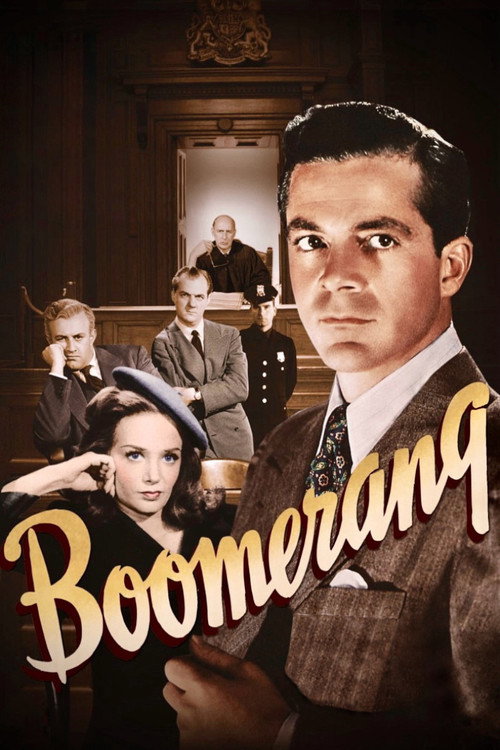
Boomerang!1947
Another Kazan, another rushed postwar investigation with an uncomfortably confident wrong answer, shot half-documentary style and based on a real case.
But Less interested in bigotry specifically, more in institutional pressure to close a case fast — a cousin of Crossfire's themes, not a sibling.
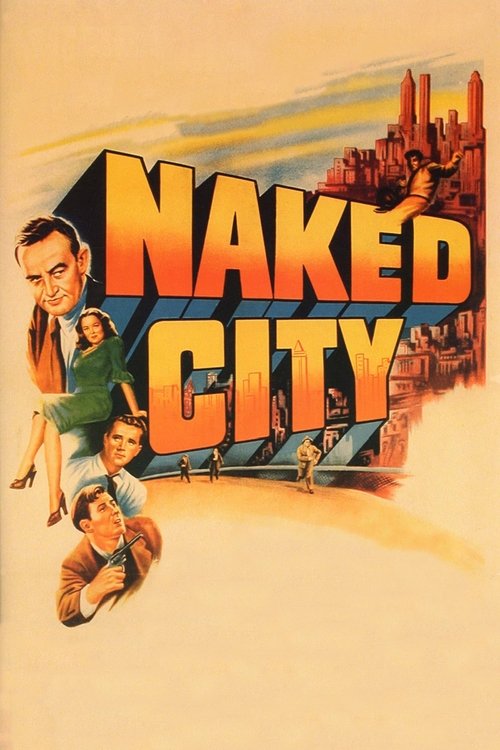
The Naked City1948
Gritty, semi-documentary New York procedural, shot on real streets, treating a murder investigation as a portrait of an entire city rather than one culprit.
But Episodic and diffuse where Crossfire is tight and claustrophobic; the 'many suspects' sprawl is looser here.
Detective Story1951no page yet
William Wyler crams a whole day of a precinct's cruelty and compassion into one set, with a detective whose righteousness curdles into something uglier.
But Theatrical origins show — it's dialogue-driven and stagebound rather than moody and nocturnal.
Kiss of Death1947no page yet
Richard Widmark's cackling debut as a psychopathic informant-hater gives you another postwar noir obsessed with betrayal, loyalty, and what men do to prove themselves.
But No racial angle here at all — it's pure crime-world noir, without Crossfire's social conscience.
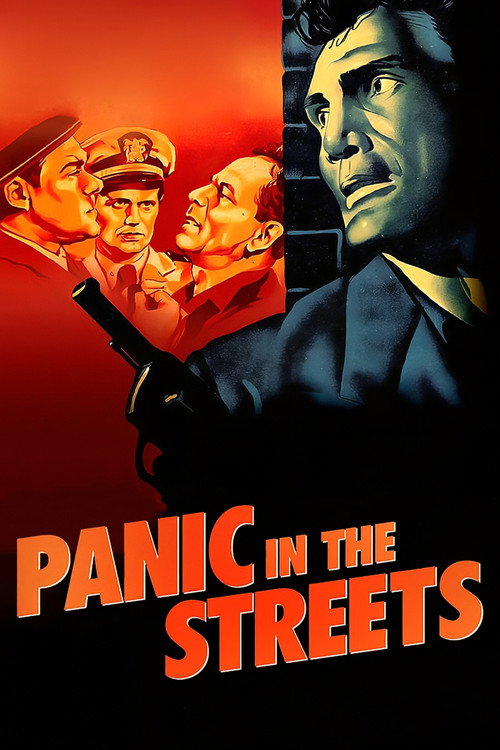
Panic in the Streets1950
Kazan again, this time as a sweaty race-against-time manhunt through New Orleans docks, using thriller mechanics to smuggle in a public-health message.
But Further afield thematically — the urgency is about disease control, not prejudice, though the manhunt mood rhymes with Crossfire.
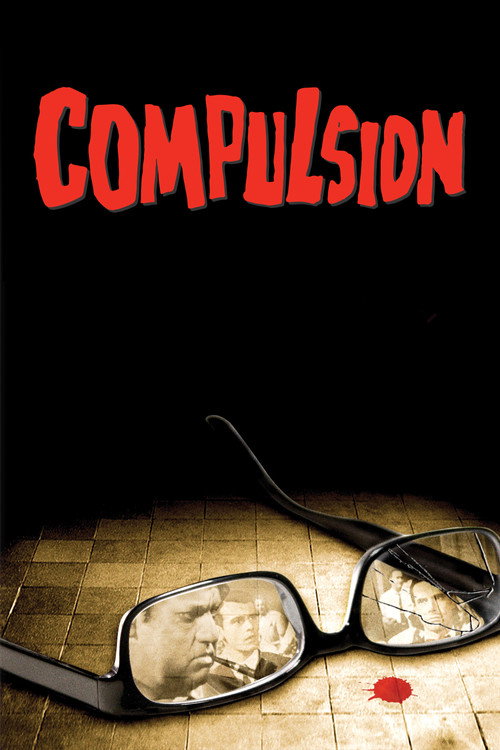
Compulsion1959
Crossfire's source novel was originally about a homophobic murder, rewritten as antisemitic to get past the censors; Compulsion, based on the real Leopold and Loeb case, carries the same coded charge under its true-crime surface, asking what 'ordinary' men allow themselves to do to someone they've decided doesn't fully count.
A tense courtroom drama about two brilliant, arrogant young men and the murder they can't quite explain, with Orson Welles storming in for a devastating closing plea.
But More clinical and intellectual than Crossfire's nighttime dread — this is about ideas and ego more than atmosphere.
The Rookie2018no page yet
Crossfire smuggled its antisemitism plot past a nervous studio and a censorship code; three decades later this TV movie, about a real neo-Nazi march through a town full of Holocaust survivors, says it all completely out loud — same subject, none of the noir shadow left to hide behind.
Unflinching, plainly told account of a real free-speech fight that forces its Holocaust-survivor characters to relive their trauma in public, anchored by a quietly devastating lead performance.
But Television-movie plainness with no genre pleasures whatsoever — this is issue drama with its guard fully down, not a thriller.
People
Cast
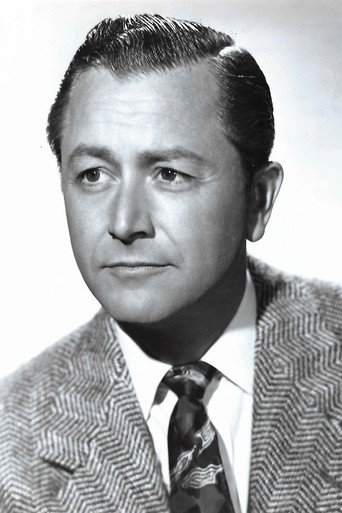 Robert YoungFinlay
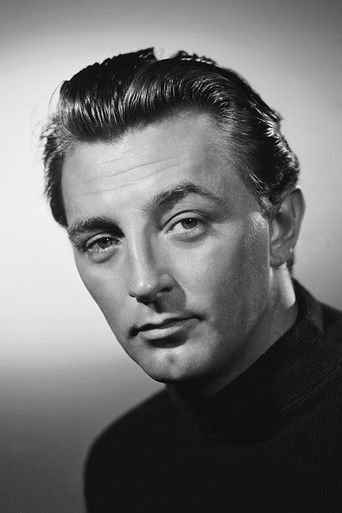 Robert MitchumPeter Keeley
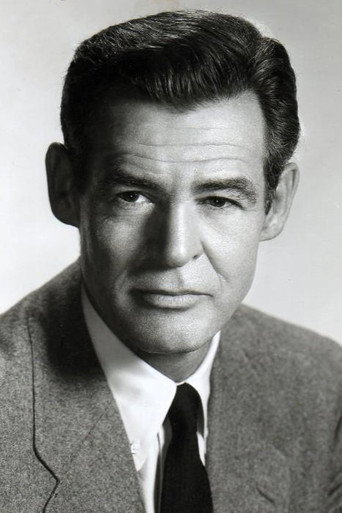 Robert RyanMontgomery
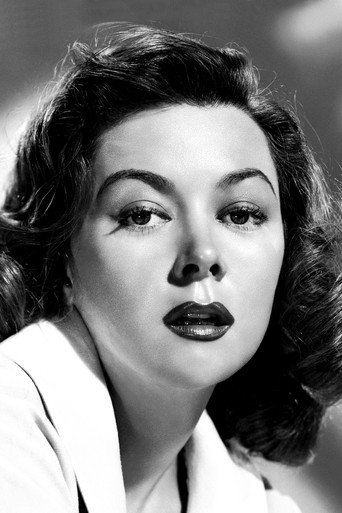 Gloria GrahameVirginia "Ginny" Tremayne
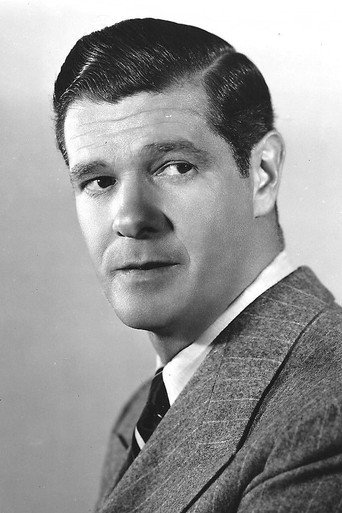 Paul KellyThe Man
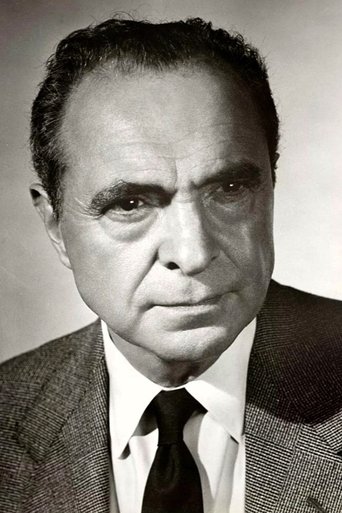 Sam LeveneSamuels
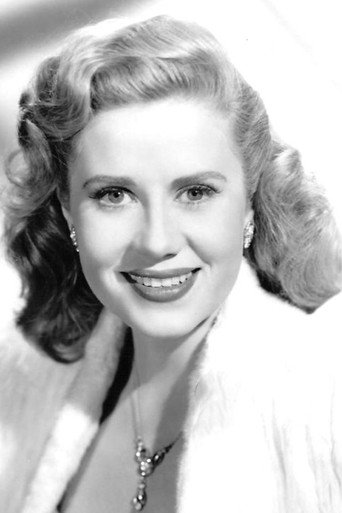 Jacqueline WhiteMary Mitchell
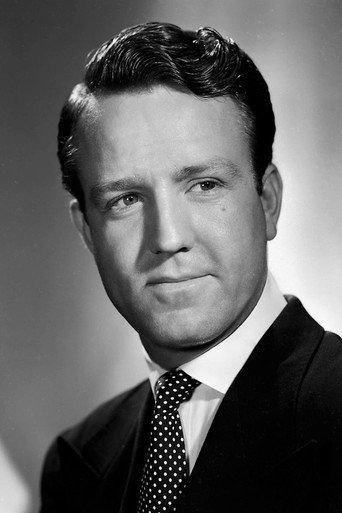 Steve BrodieFloyd
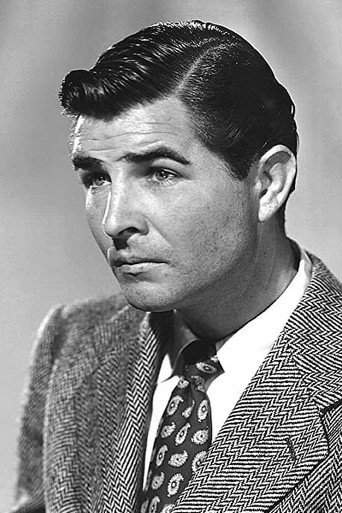 George CooperMitchell
 Richard BenedictBill
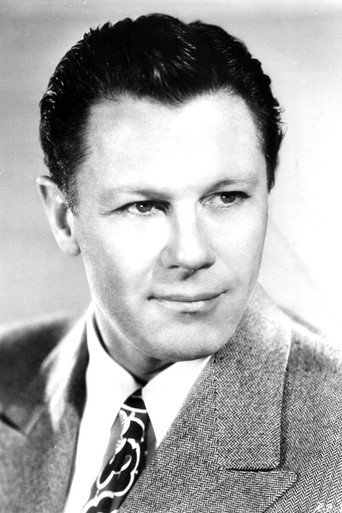 Tom KeeneDetective
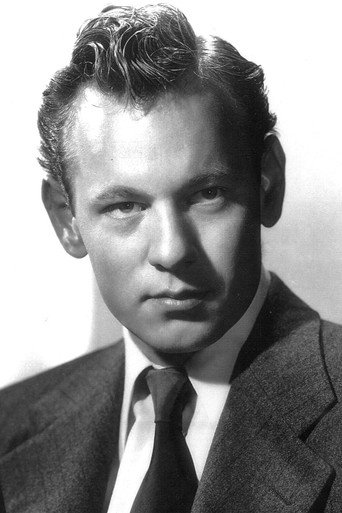 William PhippsLeroy
Directing
- Edward DmytrykDirector
Writing
- Richard BrooksNovel
- John PaxtonScreenplay
Production
- Adrian ScottProducer
Recommended by
American History X, Gentleman's Agreement, Real Time with Bill Maher