
Television series
Firing Line
- Dip in and out
Firing Line is William F. Buckley Jr.'s 33-year conversation with the era's most consequential thinkers—politicians, writers, theologians, activists—arguing about ideas that mattered. It's intellectual combat conducted with civility, wit, and genuine curiosity. Essential viewing for anyone who wants to understand how American conservatism thought about itself, and how serious people once debated in public.
Should you watch it?
Watch it if you enjoy watching sharp minds spar over ideas, the kind of televised argument where the pleasure lies in precise rebuttal and a guest who refuses to fold.
Skip it if you want story or spectacle, since this is almost all seated talk in a studio with little to look at beyond two people in chairs.
What it asks of you: Long, unhurried sittings where a single exchange can stretch on, and patience with dense argument counts for more than quick reactions.
Not sure? Find tonight's pick in a minute.
If you liked this
Meet the Press1947
The grandfather of American political television: rapid-fire questioning of newsmakers by a panel of journalists. It shows where Firing Line evolved from, and why Buckley's one-on-one format was revolutionary by comparison.
But The pace is frantic and the questions sometimes shallow. It's journalism as sport, not philosophy as sport.
Crossfire1947
Two ideological opponents debate in real time, moderated by a host with a specific point of view. It inherited Firing Line's format and its faith that disagreement could be intellectually generative.
But The show deteriorated badly in later years. Without Buckley's discipline, the format became theatrical and increasingly hostile.
Panorama1953
The BBC's flagship current affairs series, long-form interviews and investigations. If you're drawn to Firing Line's ambition to take ideas seriously on television, this is its transatlantic mirror.
But Decades of episodes; you'll need a starting point. The British register is entirely different—less adversarial, more understated.
Not sure tonight? Get a pick in a minute, starting from Firing Line
The wildcard
Something you would not have found on your own.
The Killing of Sister George1968
Both are products of 1968 America asking who controls the narrative. Firing Line believes good faith debate works. This film is convinced only power matters.
A brutal, funny dissection of power, sexuality, and the ruthlessness required to survive in institutions. Made in the same moment as Firing Line, it asks the same questions about who gets to speak and who gets silenced—but from the other side.
But Explicitly sexual and deeply cynical. If you watch Firing Line for its faith in reasoned debate, this film will disgust you. It's the antithesis of Buckley's civility.
More like this (2)
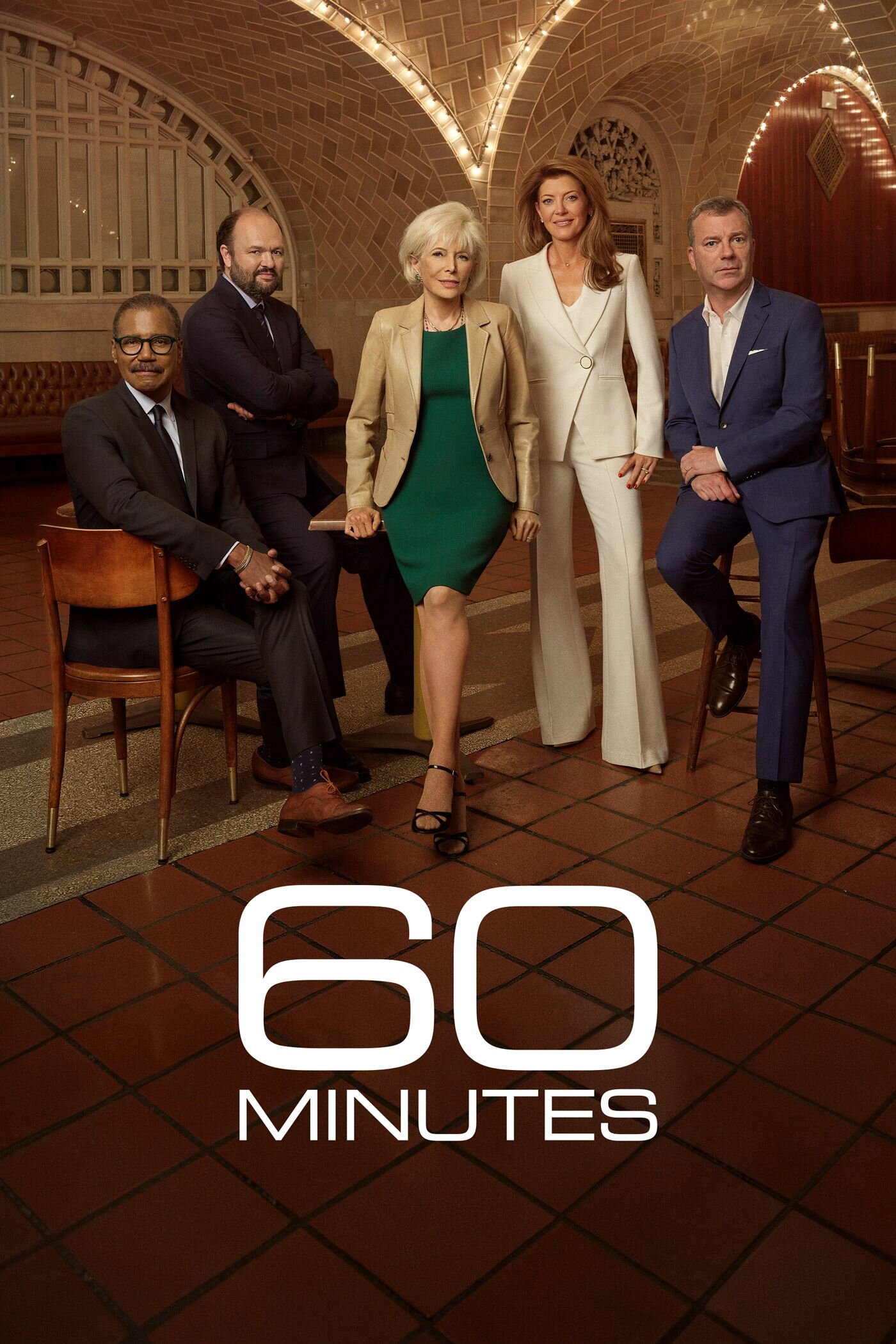
60 Minutes1968
Launched the same year Firing Line won its Emmy, it shares the conviction that deep reporting and sharp questioning can hold mainstream television attention. Different format, same faith in audiences.
But Its investigative mission means less space for pure philosophical debate. The storytelling sometimes overwhelms the ideas.
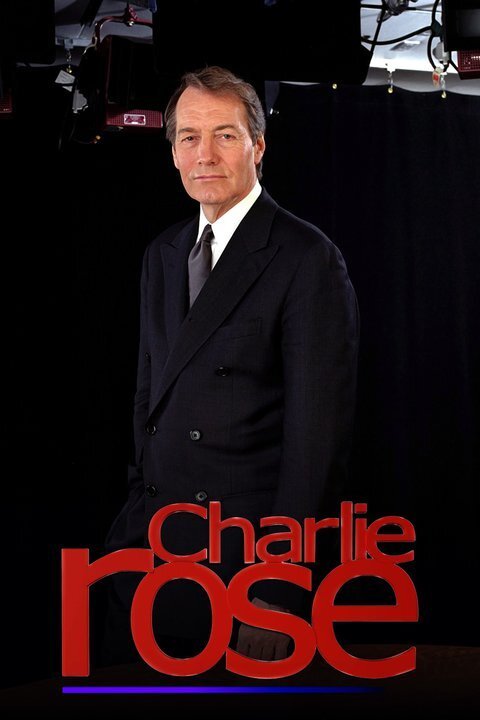
Charlie Rose1992
The late-career heir to Firing Line's throne: a single host, long conversations with artists and thinkers, the belief that an hour can only be filled by genuine curiosity. Rose's interviews often matched Buckley's intellectual seriousness.
But Repetitive format. Rose's tics became pronounced over time. And later episodes are unsettling given what emerged about him after his death.
People
Cast
Recommended by
Real Time with Bill Maher, The McLaughlin Group, Meet the Press