
Television series
60 Minutes
- Dip in and out
60 Minutes is investigative journalism at its most accessible—stories that unfold like documentaries, built on reporting that takes weeks. Hard-hitting exposés sit alongside character pieces and oddball human interest. It's shaped how Americans consume news for fifty-five years. For viewers who want to know how things actually work, and why they sometimes don't.
Should you watch it?
Watch it if you like careful reporting that builds a case slowly, with sit-down interviews and a patient, skeptical eye on institutions, and you don't mind a show that trusts the audience to follow a long argument.
Skip it if you want a fast, glossy hour with constant cuts and big reveals, since most segments are talky, unhurried and built around one correspondent asking hard questions across a desk.
What it asks of you: Each hour is a bundle of separate stories of roughly thirteen to fifteen minutes, so you can dip in and out, though each piece rewards sitting still for its full length.
Not sure? Find tonight's pick in a minute.
If you liked this
Dateline NBC2012
Dateline matches 60 Minutes' format—rigorous investigation, surprising turns, real stakes—but leans harder into mystery and crime. Each story has the momentum of a thriller. It's compulsively watchable.
But The true-crime focus can feel narrower than 60 Minutes' wider lens. Some stories resolve into conventional narratives about guilt and innocence in ways that feel foregone.
Frontline1983
PBS's Frontline goes deeper into single topics than any segment on 60 Minutes can. If you loved a particular investigation, Frontline is where that kind of reporting lives for a full hour. The production is rigorous and beautiful.
But It's slower. No magazine-format variety, no lighter stories to pace your evening. Pure deep-dive can feel demanding if you want something lighter.

All the President's Men1976
This film distills the spirit of relentless investigative journalism into a thriller. Woodward and Bernstein's reporting against the Nixon administration shows how journalism becomes drama when it actually matters. The methodical uncovering of truth is genuinely tense.
But Dated filmmaking and a slow first half. The story's resolution is history you already know, which deflates some tension.
Not sure tonight? Get a pick in a minute, starting from 60 Minutes
The wildcard
Something you would not have found on your own.
The Act of Killing2012
Both work by patient access and time—gaining trust and letting people reveal themselves. 60 Minutes gets subjects to talk; this goes further, and darker.
A documentary that inverts investigation: instead of uncovering hidden truth, it sits with perpetrators of genocide and lets them reconstruct their own crimes, on camera, in the genres they love. It's journalism that works by refusing to judge, forcing viewers to reckon. Extraordinary and difficult.
But It's graphic and morally vertiginous. Watching murderers perform their murders is disturbing by design. Some will find it manipulative or unwatchable.

More like this (7)
The Morning Show2019
A serialized drama about network news that captures the pressure and politics of working in the medium. It understands the personalities, the ego, and the genuine mission that coexist in broadcast journalism. Smart and entertaining.
But It's a drama, not journalism—the plotting can overshadow accuracy. If you're watching for realism about how newsrooms actually work, you'll spot the compromises.
Spotlight2015
Boston Globe reporters systematically uncover the Catholic Church's abuse crisis. It's a model of collaborative investigation—quiet, methodical, devastating. The film trusts the story enough not to oversell it. Absorbing and deeply moving.
But Deliberately understated. No dramatic music swells, minimal conflict between the characters. If you want your journalism served as thriller, this is too restrained.

The Newsroom2012
Aaron Sorkin's behind-the-scenes look at a cable news division. Fast, smart, and idealistic about what journalism should be. Even if the dialogue is heightened, the commitment to getting stories right feels genuine. Good entertainment.
But Heavy-handed. Characters often deliver lectures instead of having conversations. The show's view of who the good guys are leaves little room for moral complexity.
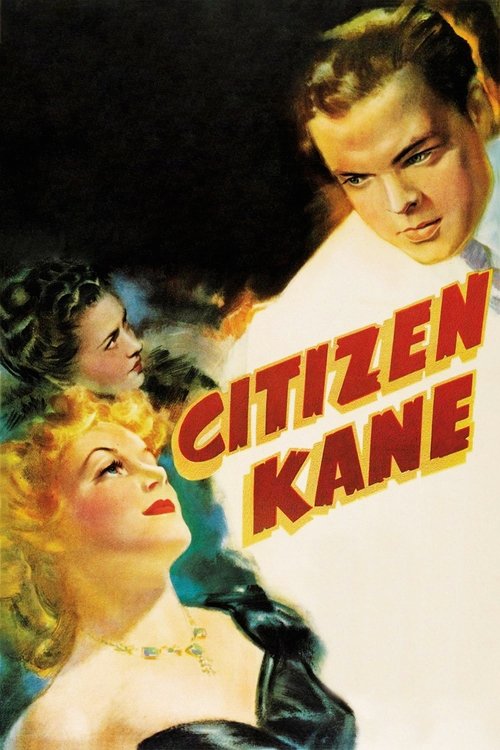
Citizen Kane1941
The blueprint for investigative narrative structure: reporters assembling truth from fragments, following leads, finding contradictions. It's about how we construct understanding, which is what 60 Minutes does every week. A masterpiece that feels relevant.
But It's a 1941 melodrama about newspaper publishing, not a document itself. You're watching cinema, not journalism. The connection is structural, not literal.
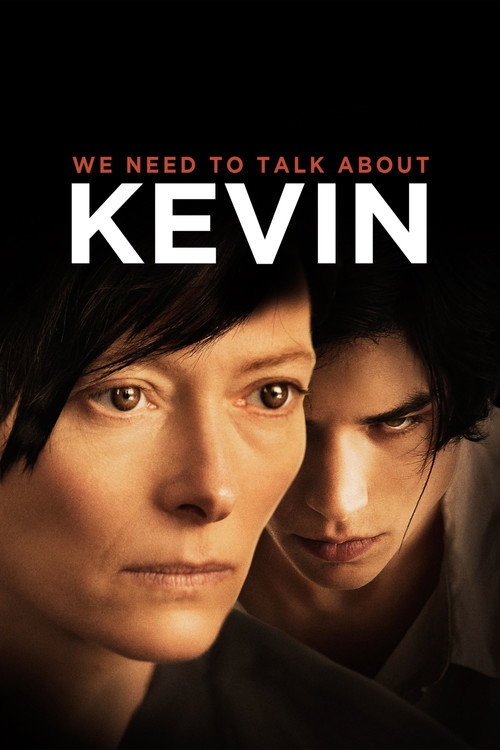
We Need to Talk About Kevin2011
Lynne Ramsay's film approaches a family tragedy the way an investigator might—through fragments, contradiction, searching for what's knowable and what isn't. It has the patience of documentary inquiry applied to an unknowable subject. Haunting and formally inventive.
But Experimental and oblique. There's no narrative satisfaction, no answer. Some will find it frustrating rather than illuminating. Not a conventional drama.
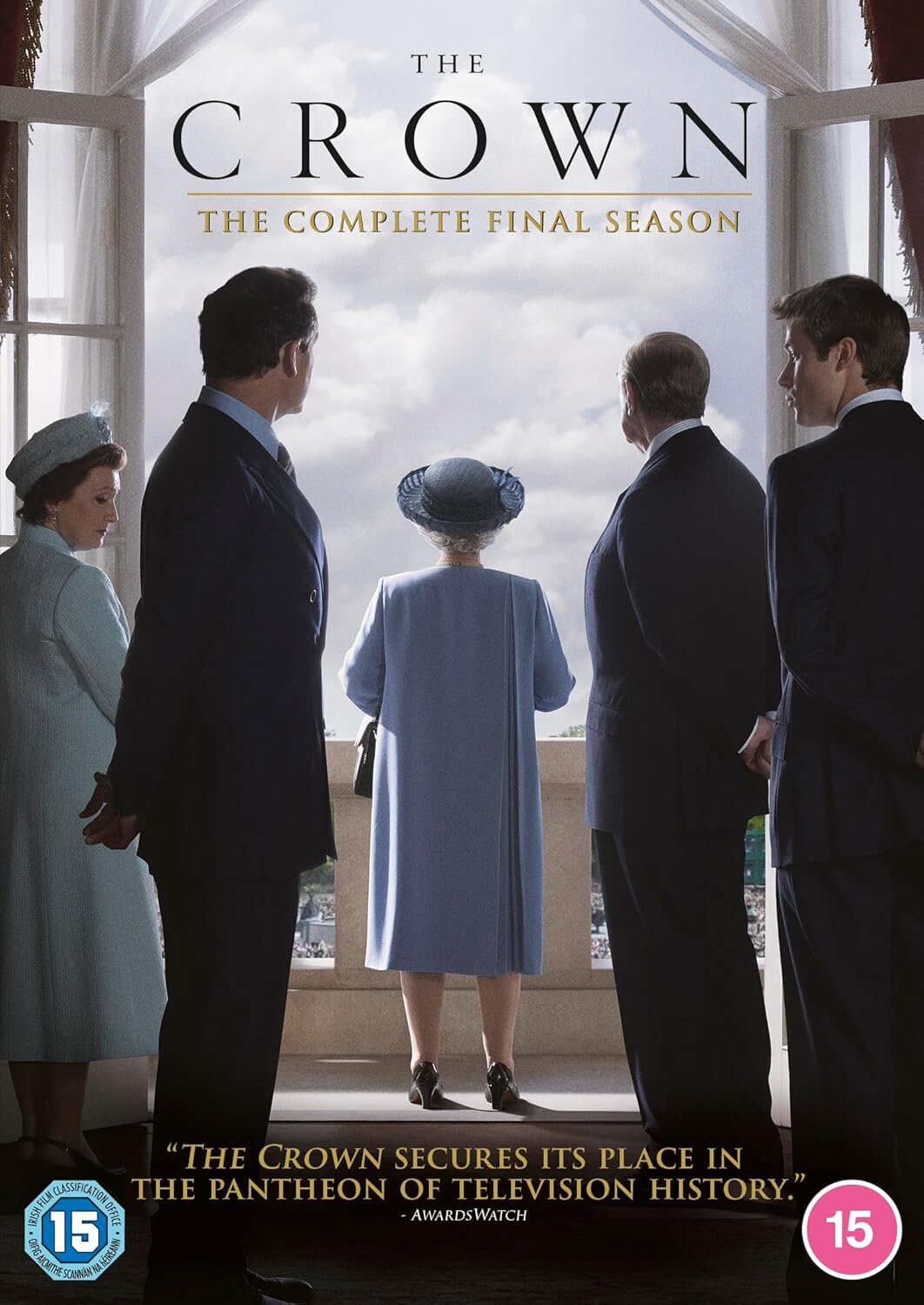
The Crown2016
Both excavate the gap between public image and private truth. 60 Minutes does it through interviews; The Crown does it through dramatic reconstruction of moments that shaped history.
A dramatized history of the British royal family that functions as investigative narrative—assembling contradictions, following documented events, asking what motivated decisions. It's long-form inquiry into power and duty, structured like journalism even when it's invented scenes. Addictive.
But It's drama masquerading as history. Real events are altered or invented for narrative momentum. Treating it as fact will mislead you.
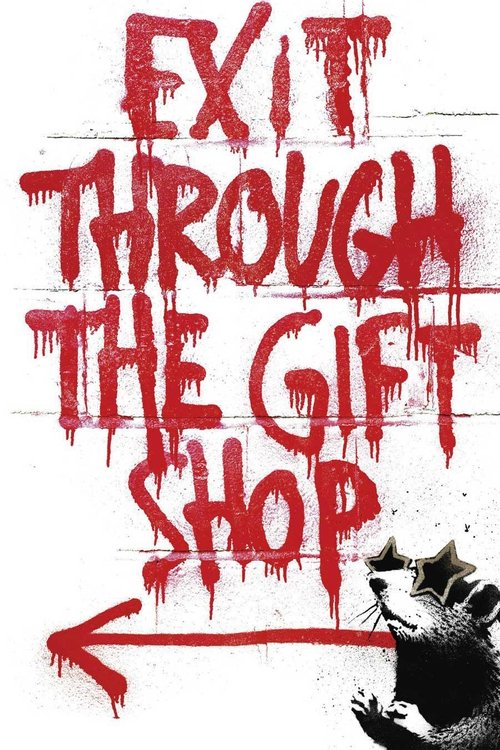
Exit Through the Gift Shop2010
Both use access and time to explore a world most viewers don't see, but this one questions whether you're seeing truth at all—a more skeptical inquiry.
Banksy's documentary about street art and the man who filmed it feels like an investigation that keeps shifting—you're never sure what's true, who the subject actually is, what the real story is. It has the pacing and structure of journalism but plays games with revelation. Clever and funny.
But Deliberately unreliable. If you watch it expecting straight documentary truth, you'll feel misled. The ambiguity is the point, not a flaw.
People
Cast









Production
- Don HewittExecutive Producer
- Jeff FagerExecutive Producer
- Tanya SimonExecutive Producer
Recommended by
The McLaughlin Group, Meet the Press, Firing Line, 48 Hours, Court Cam, Panorama, Charlie Rose, The Sunday Show with Jonathan Capehart, Face the Nation, 20/20, VICE News Tonight, Tamron Hall, The Oprah Winfrey Show, Good Morning America, All In with Chris Hayes, Dr. Phil, Oprah: Where Are They Now?, CBS News Sunday Morning, PBS News