
Television series
Face the Nation
- Dip in and out
The longest-running interview program on American television, Face the Nation brings newsmakers—politicians, diplomats, business leaders—to a Sunday morning table for sharp questioning from CBS correspondents. It's cerebral, often tense, rarely flashy. For people who want to understand how power actually talks when cameras are on, and who don't mind watching sausage being made in real time.
If you liked this
Meet the Press1947
NBC's parallel institution, equally rigorous and often featuring different guests. The roundtable format creates genuine friction between panelists and subjects that scripted television cannot manufacture.
But It runs long, the moderators sometimes talk more than they listen, and Sunday morning political television can feel like obligation rather than entertainment.
PBS News1975
Extended-form journalism that trusts viewers to sit with complexity. Serious interviews without the gotcha instinct, giving subjects space to actually answer while holding them accountable.
But The pace is deliberate to the point of slowness, and if you want quick takes and conflict, this will feel stately and old-fashioned.

60 Minutes1968
Investigative storytelling with the resources to go deep. It shares Face the Nation's respect for the audience's attention span and intelligence, just with narrative momentum and reported stakes.
But It's become a bit of an institution unto itself—sometimes the story is less interesting than the fact that 60 Minutes decided to pursue it.
Not sure tonight? Get a pick in a minute, starting from Face the Nation
The wildcard
Something you would not have found on your own.
The Tunnel2013
Both are fundamentally about people in power being forced to explain themselves under scrutiny, and both understand that the machinery of accountability is often more interesting than the scandals themselves.
A German-French crime series that functions as political thriller: detectives investigating murders that implicate government officials at the highest levels, where journalism and police work intersect. It understands how power protects itself.
But It's in German and French with subtitles. It's also bleak and procedurally slow—do not expect resolution to feel like victory.
More like this (7)
The West Wing1999
If you're drawn to how power operates, this dramatizes the actual texture of political life—competing priorities, moral compromise, people trying to do right under pressure. Smart writing about smart people talking.
But It's fiction, and earnest fiction at that. If you want reality unvarnished, a fantasy version of government will feel like false comfort.
All the President's Men1976
Journalism as detective work, with real stakes. Shows what happens when reporters press power and refuse to accept easy answers—the inverse of a politician trying to shape narrative.
But It's procedurally dense and moves at the pace of actual investigation. Some viewers find the incremental revelations slow compared to modern pacing.

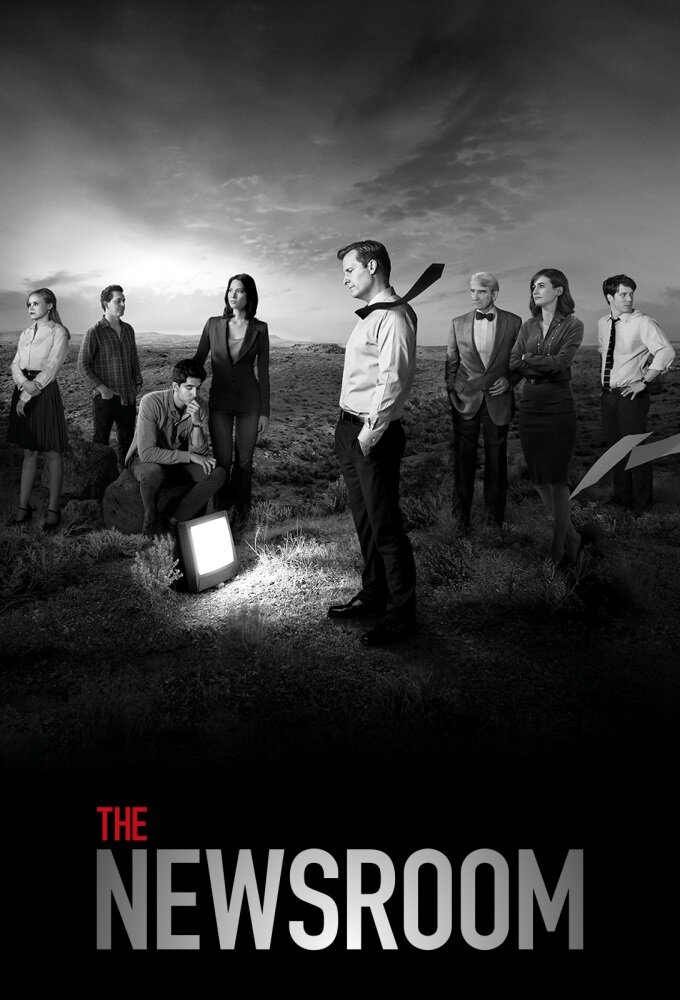
The Newsroom2012
Aaron Sorkin's love letter to serious broadcast journalism. Characters who care about getting the story right over getting it first, trying to inform the public in a fractured media landscape.
But The idealism can feel naive, and Sorkin's dialogue occasionally sacrifices realism for wit. The gender dynamics haven't aged well either.
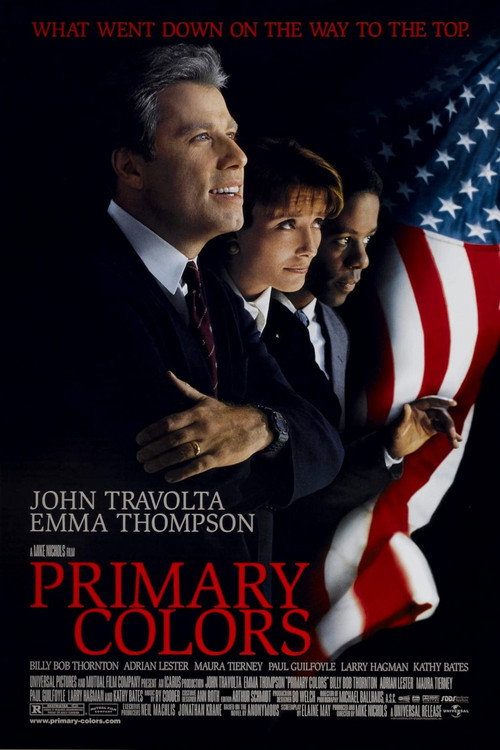
Primary Colors1998
A roman à clef about a presidential campaign that captures how politics actually operates behind closed doors—the compromises, the spin, the machinery. Darkly funny and uncomfortably true.
But It's cynical in a way that might feel exhausting if you still believe in the possibility of authentic leadership. Also adapted from an anonymously published novel, so the specificity cuts both ways.
Frontline1983
Documentary journalism that does what Face the Nation guests often won't—it reports what actually happened rather than letting people explain their version. Rigorous, necessary, sometimes devastating.
But It can be bleak and depressing. Also, the topics are heavy; you're not turning this on for comfort or distraction.

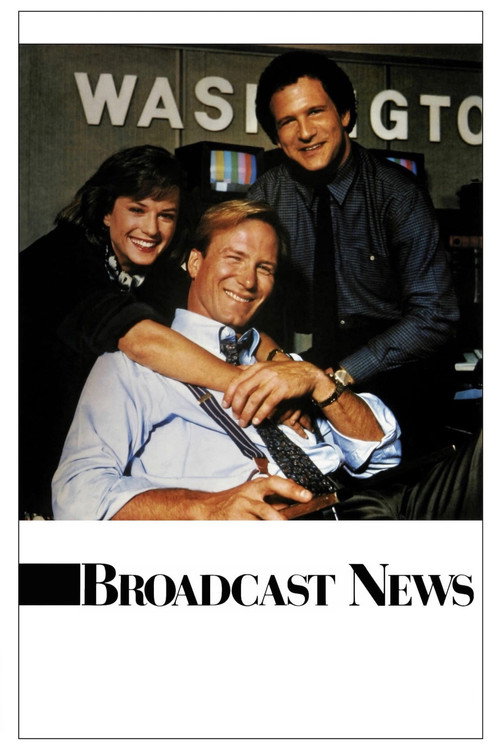
Broadcast News1987
A comedy about television news that understands the genuine passion underneath the machinery—people who care about truth working in a system that often doesn't. Smart and affectionate about its world.
But It's dated in specific ways (the technology, some of the gender politics), and the ending feels compromised. It's more romantic than realistic.
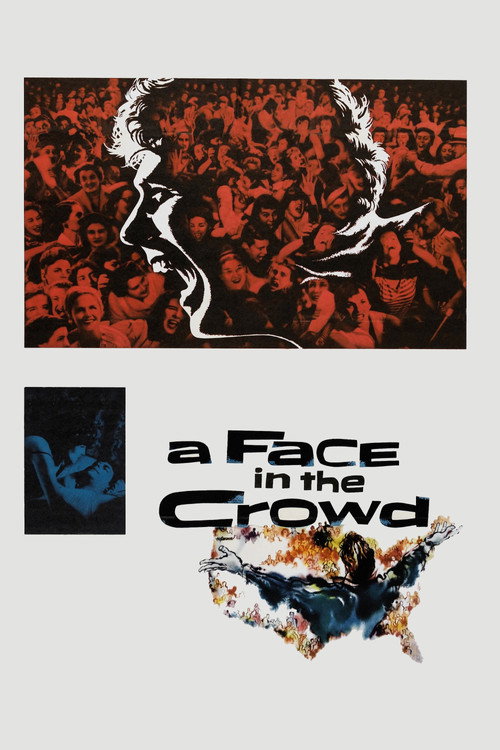
A Face in the Crowd1957
Face the Nation trusts that cameras reveal truth and that questions matter. Kazan made a film about how cameras can hide deception and how charisma can make lies more persuasive than truth. It's the dark mirror of what broadcast journalism assumes.
Elia Kazan's terrifying film about a drifter who becomes a media phenomenon and discovers his face and voice can bend public opinion toward darkness. It's about the power of charisma to corrupt both wielder and audience.
But It's very much of its era—the gender dynamics are uncomfortable by modern standards, and the ending feels didactic. Also, Andy Griffith against type is genuinely unsettling in a way that doesn't always feel intentional.
People
Cast




Production
- Mary HagerExecutive Producer