
Television series
The Newsroom
Aaron Sorkin's cable-news drama follows a fictional anchor and his newsroom staff trying to do old-fashioned, principled journalism inside a network that mostly wants ratings and calm advertisers. Expect walk-and-talk monologues, moral certainty, and romantic entanglements dressed up as professional tension. It's West Wing energy pointed at a newsroom instead of a White House — for viewers who like their idealism delivered fast, loud, and a little self-righteous.
If you liked this
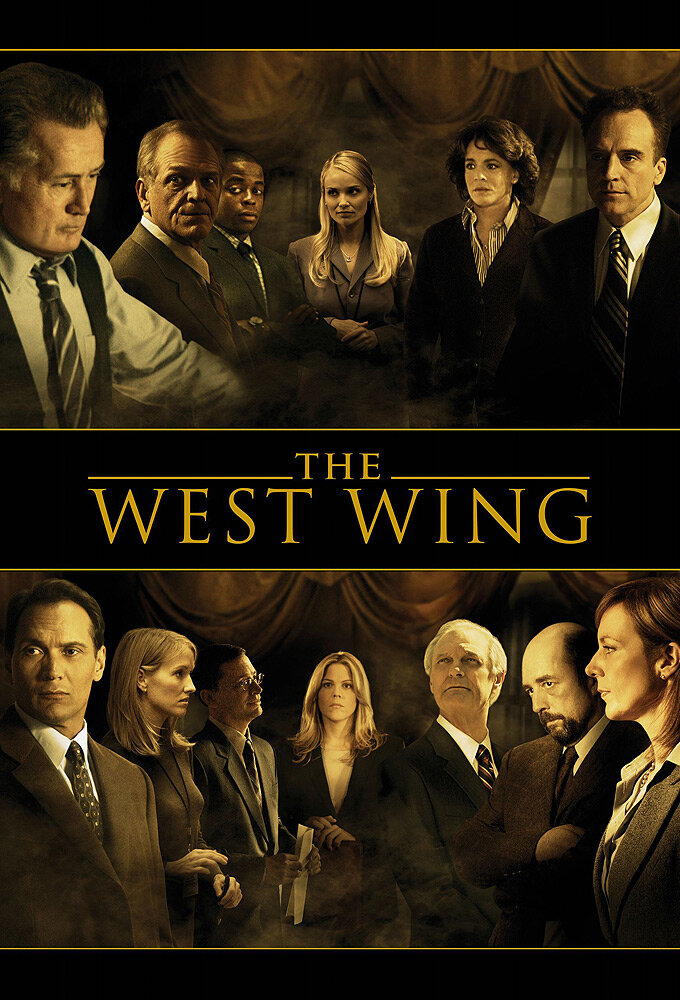
The West Wing1999
Same creator, same walk-and-talk rhythm, same conviction that institutions can be noble if enough smart people care hard enough. More Sorkin cadence, slightly less lecturing about journalism specifically.
But The idealism runs even thicker here, and seven seasons of political process can feel like homework by season five.
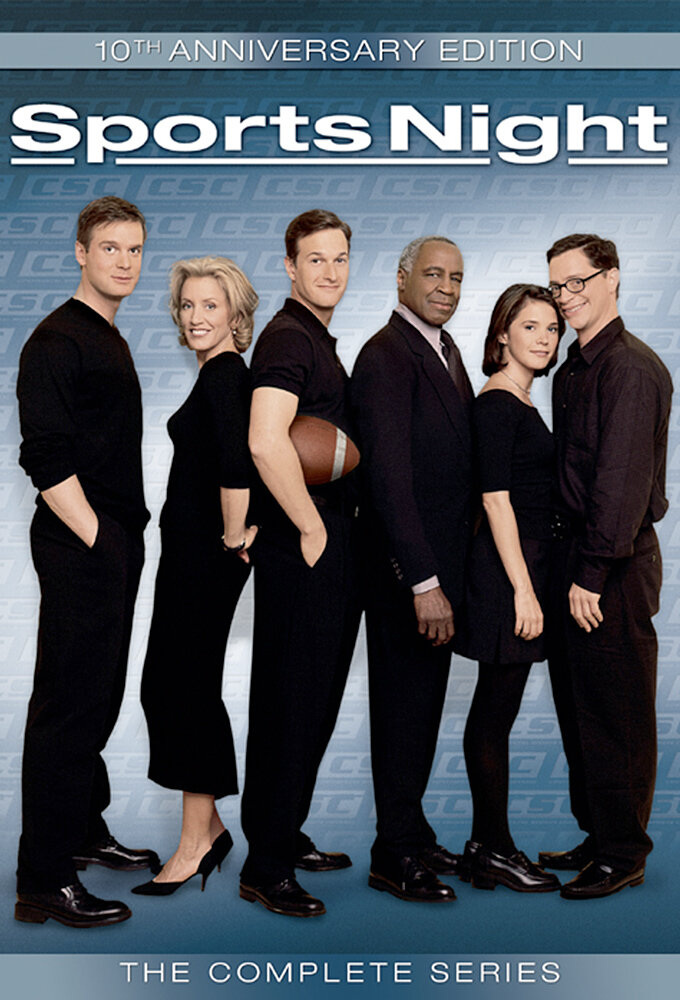
Sports Night1998
Sorkin's first ensemble workplace show, set behind a sports broadcast, has all the rapid-fire banter and wounded idealists — just funnier, shorter, and warmer.
But The laugh track genuinely throws people off, and its two-season run leaves you wanting more right when it's cancelled.
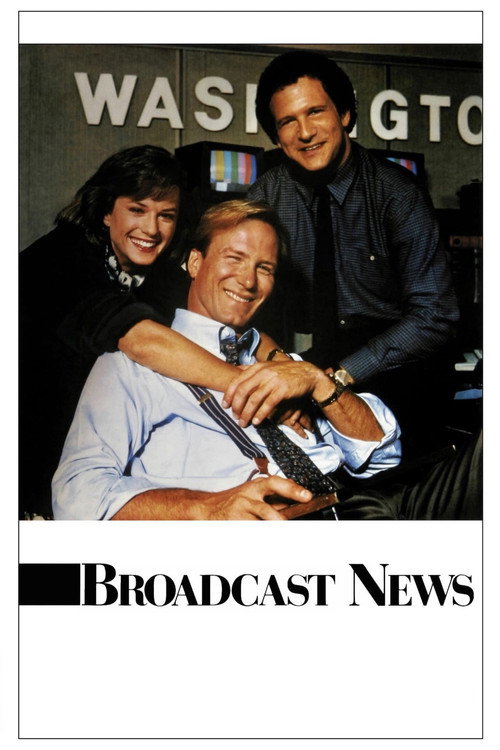
Broadcast News1987
James L. Brooks's newsroom romance nails the tension between substance and telegenic charm decades before Sorkin did, with sharper jokes and a properly messy love triangle.
But It's a single film, not a binge, and the romance occasionally outweighs the newsroom satire.
The wildcard
Something you would not have found on your own.
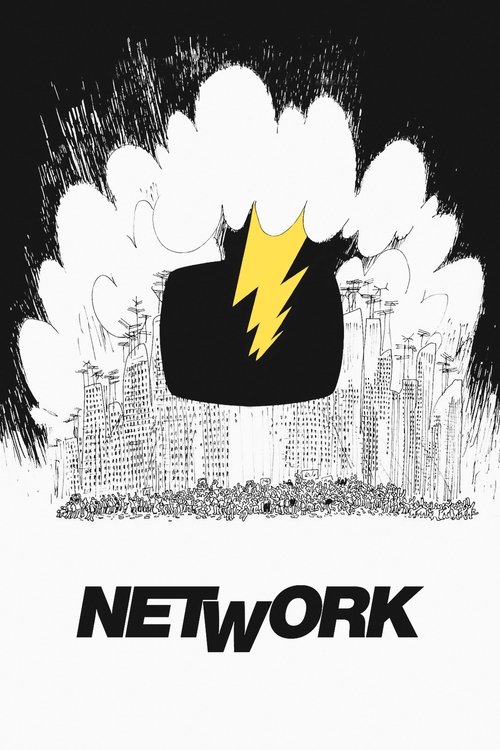
Network1976
Both put a television newsroom at the center and ask whether broadcast journalism can survive commerce and ego — Sorkin says yes, if the right people fight hard enough; Network says the whole enterprise is already insane.
Paddy Chayefsky's furious satire imagines TV news curdling into ratings-chasing lunacy — the cynical mirror-universe answer to everything Sorkin believes about the medium's redemption.
But It's savage where Newsroom is earnest — if you came for hope, this one has none left to offer.
More like this (8)
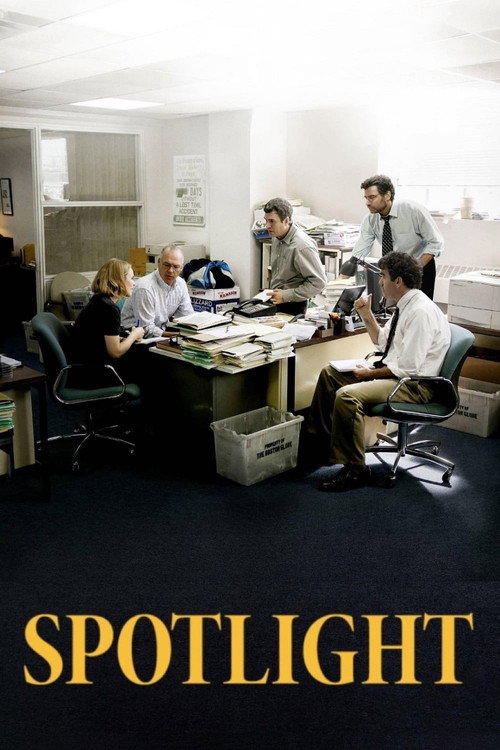
Spotlight2015
A quieter, more disciplined portrait of journalism actually doing hard, unglamorous work — investigative reporting as procedure rather than performance, and it won Best Picture for good reason.
But No romance, no zingers — it's the deliberate opposite of Sorkin's showmanship, which some will miss.
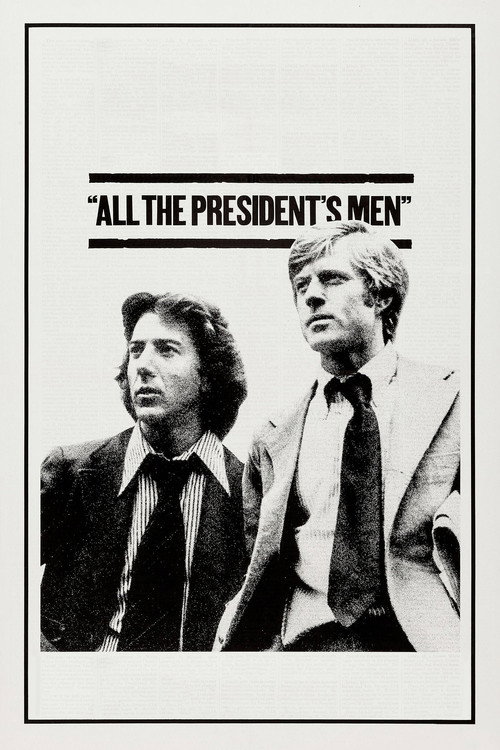
All the President's Men1976
The journalism-as-heroism template Sorkin is clearly working from — patient, paranoid, and grounded in the actual mechanics of chasing a story down to its source.
But 1976 pacing is deliberate and slow; if you're after speeches and quips, look elsewhere.
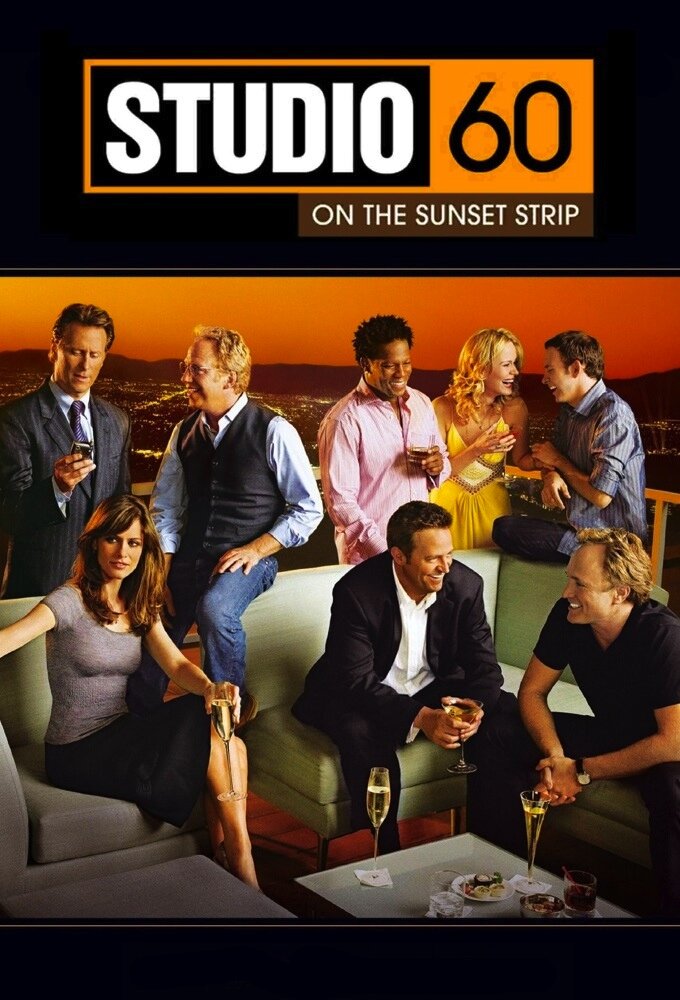
Studio 60 on the Sunset Strip2006
Sorkin's other cancelled-too-soon backstage drama, this time about a live sketch show instead of a newsroom, with the same walk-and-talk and moral speechifying intact.
But Widely considered his weakest work, and it shows — uneven tone, one shaky season, no real ending.
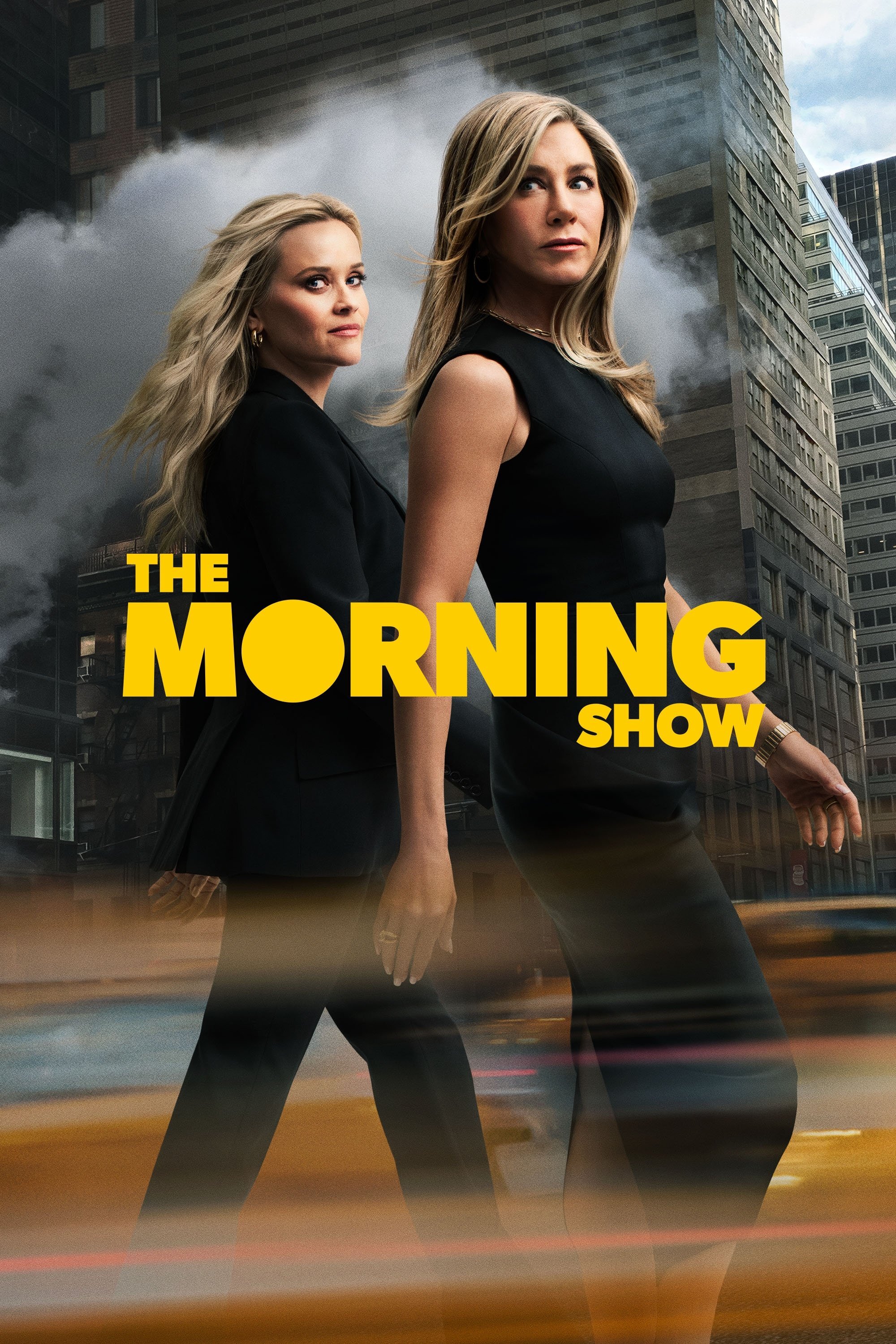
The Morning Show2019
A glossier, more scandal-driven modern take on network news, trading Sorkin's idealism for corporate rot and reckoning, with a starrier cast and higher stakes.
But Slicker and soapier — less interested in doing the news well than in who's sleeping with whom and who gets fired.
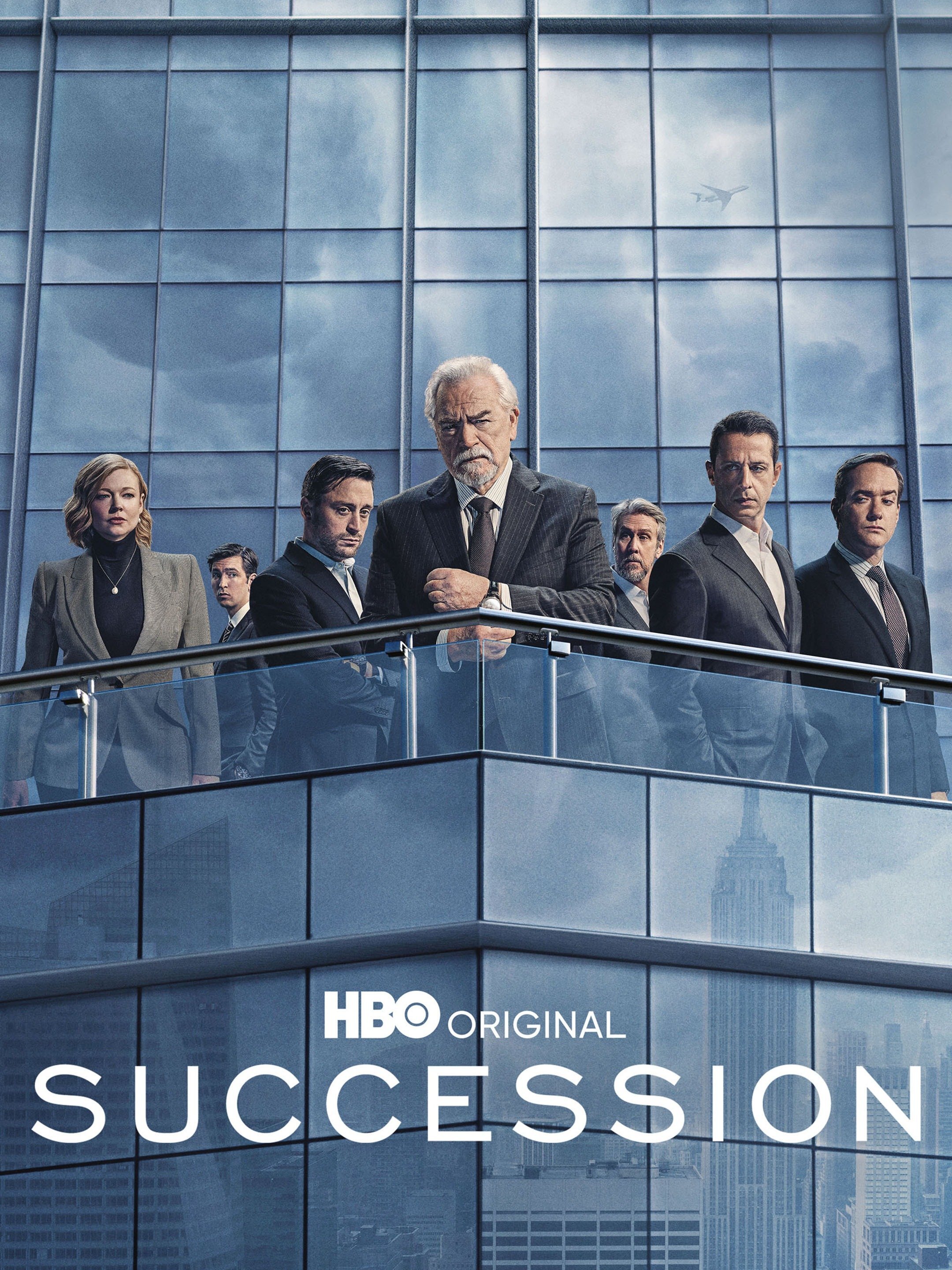
Succession2018
Swap news idealism for media-dynasty cynicism; same fascination with how institutions and egos collide, but nobody here believes in anything except winning.
But If you liked Newsroom's sincerity, Succession's total absence of decent people might land as bleak rather than bracing.
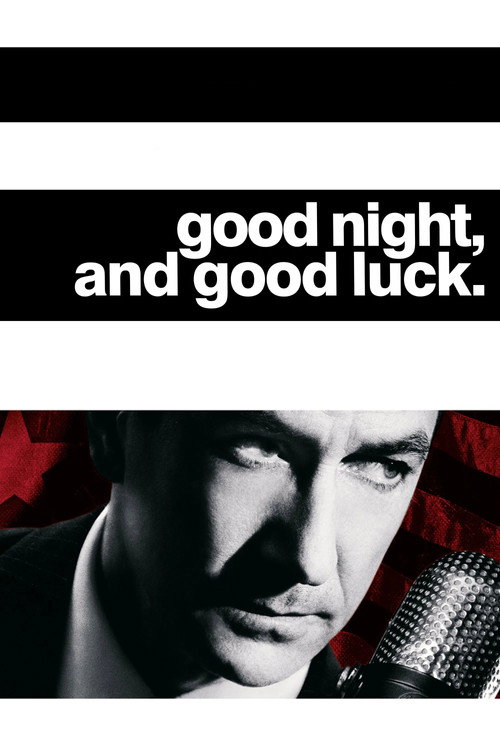
Good Night, and Good Luck.2005
George Clooney's black-and-white film about Edward R. Murrow taking on McCarthy is the real-life ancestor of every "journalism can save democracy" speech Sorkin ever wrote.
But Austere and restrained where Sorkin is voluble — no walk-and-talk, no romance, just principle under pressure.
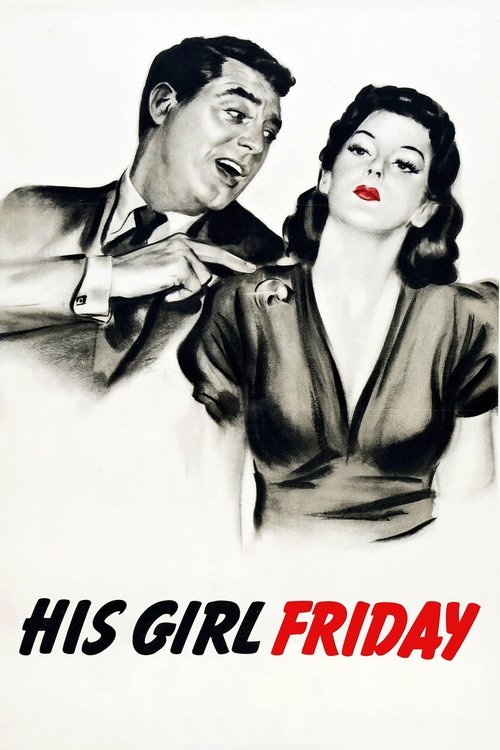
His Girl Friday1940
The overlapping, rapid-fire dialogue Sorkin built his career on has roots here — a screwball newsroom comedy where lines outrun the audience decades before "walk and talk" had a name.
Cary Grant and Rosalind Russell trade lines at a clip that makes Sorkin's fastest scenes look leisurely, in a comedy about newsroom ambition and ex-spouses who can't quit each other.
But It's a black-and-white studio comedy from 1940 — if the era's rhythms feel alien, the pace alone won't rescue it for you.
Page One: Inside the New York Times2011
A documentary showing what an actual newsroom under existential pressure looks like — no speeches, no romance, just people improvising an answer to the same question Sorkin's show keeps asking rhetorically: can journalism survive?
This fly-on-the-wall documentary follows real Times reporters fighting for relevance during the industry's collapse, with none of the polish or certainty Sorkin gives his fictional team.
But It's slower and less dramatic by design — real newsrooms don't deliver monologues, and this one won't either.

People
Cast





Writing
- Aaron SorkinCreator
- Matthew LopezStaff Writer
Production
- Sarah RathAssociate Producer
- Anthony HemingwayCo-Executive Producer
- Denis BiggsCo-Executive Producer
- Greg MottolaCo-Executive Producer
- Paul RedfordCo-Executive Producer
- Christine Larson-NitzscheCo-Producer
- Dauri ChaseCo-Producer
- Deborah SchoenemanCo-Producer
- Eli BushCo-Producer
- Lauren LohmanCo-Producer
- Jennifer CelottaConsulting Producer
- Aaron SorkinExecutive Producer
- Alan PoulExecutive Producer
- Denis BiggsExecutive Producer
- Paul LiebersteinExecutive Producer
- Scott RudinExecutive Producer
- Jon LovettProducer
- Charles GoldsteinSupervising Producer
Recommended by
The West Wing, Broadcast News, Sports Night, Page One: Inside the New York Times, Lou Grant, Studio 60 on the Sunset Strip, The Morning Show