
Film
The Hunting of the President
A 2004 documentary examining the sustained political and legal campaign against Bill Clinton from his Arkansas governorship through impeachment. Assembling previously unreleased material, archival footage, and interviews with strategists and investigators, it constructs a case that Clinton faced coordinated partisan opposition designed to undermine his presidency. It's a political history for viewers interested in 1990s American power struggles.
Should you watch it?
Watch it if you enjoy watching political machinery explained by the people who worked inside it, and want a long backstory of how a hostile press and rival camps shaped a presidency.
Skip it if you want a neutral account, since most voices are Democratic strategists and reporters who lived through the fight, so the case arrives pre-argued.
What it asks of you: Ninety minutes of mostly seated interviews, with a narrator steering a dense run of names, dates and legal skirmishes at a brisk, unbroken clip.
Not sure? Find tonight's pick in a minute.
If you liked this
All the President's Men1976
Woodward and Bernstein's investigation into Nixon's crimes established the template for political documentary filmmaking. It shows how journalism can uncover governmental corruption through dogged, unglamorous work.
But It's a procedural about reporting, not scandal itself. Long stretches involve desk work, phone calls, and minor breakthroughs rather than explosive revelations.

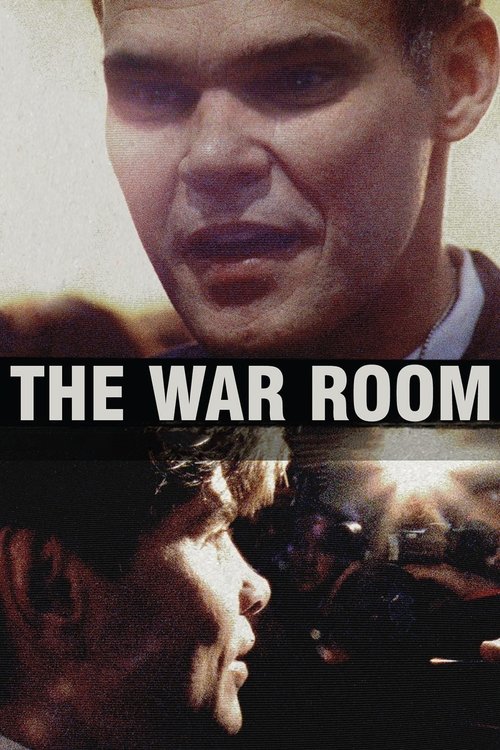
The War Room1993
Clinton's 1992 campaign strategy room, filmed by the Maysles brothers with extraordinary access. You see Carville and Begala—featured in Hunting—in real time, making decisions that shaped the presidency this documentary investigates.
But It's sympathetic to Clinton's team by design, filmed during their moment of triumph. No adversarial questioning, and the stakes feel smaller before the conflicts that followed.
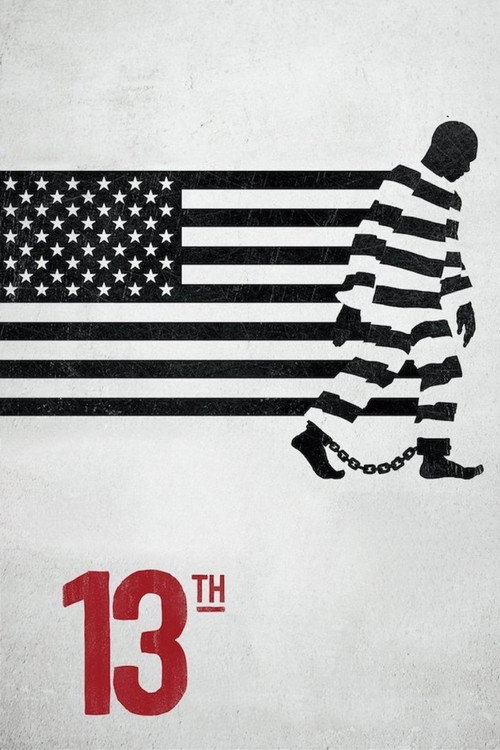
13th2016
Ava DuVernay's exploration of mass incarceration as political strategy. Like Hunting, it traces how institutional power operates across decades and administrations, though focused on criminal justice rather than direct partisan combat.
But Its scope is vast and the implications are bleak. The film doesn't offer solutions, only documentation of systemic damage that can feel overwhelming.
Not sure tonight? Get a pick in a minute, starting from The Hunting of the President
The wildcard
Something you would not have found on your own.
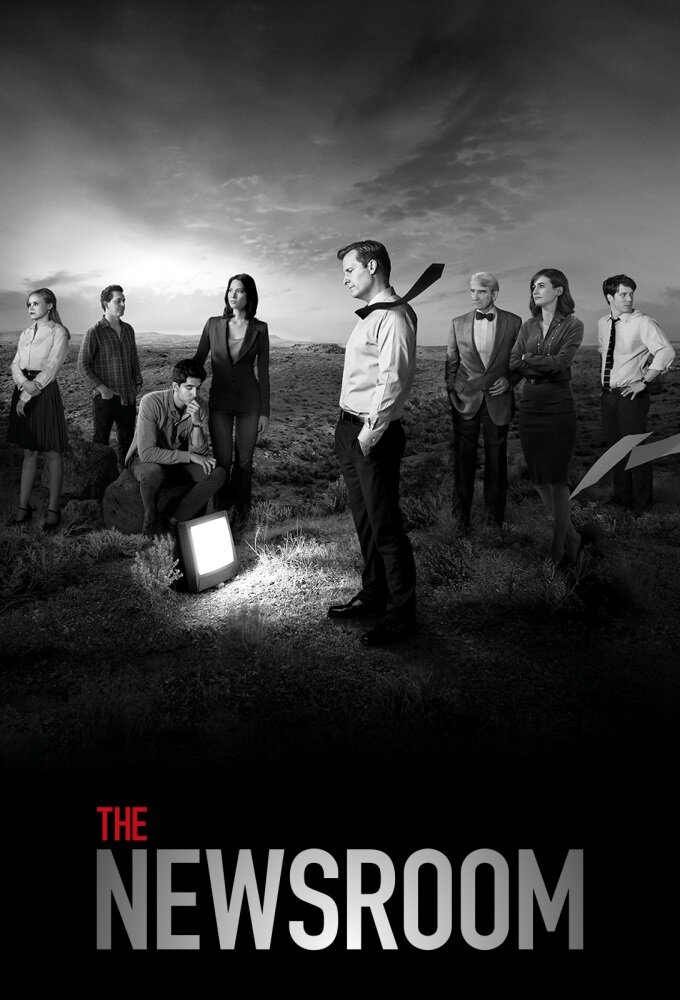
The Newsroom2012
Both worry about how truth gets constructed in media coverage of politics. Hunting is documentary evidence; Newsroom is dramatic argument about the same cultural moment and media dysfunction.
Sorkin's HBO drama about cable news in the 2010s, constantly returning to 1990s and 2000s politics as reference points. It's obsessed with the same questions about media, truth-telling, and partisan narratives that Hunting interrogates through documentary.
But It's earnest to the point of self-parody. Characters speak in rhetorical flourishes rather than like actual people, and the show is convinced of its own moral righteousness in ways that can feel tedious.
More like this (6)
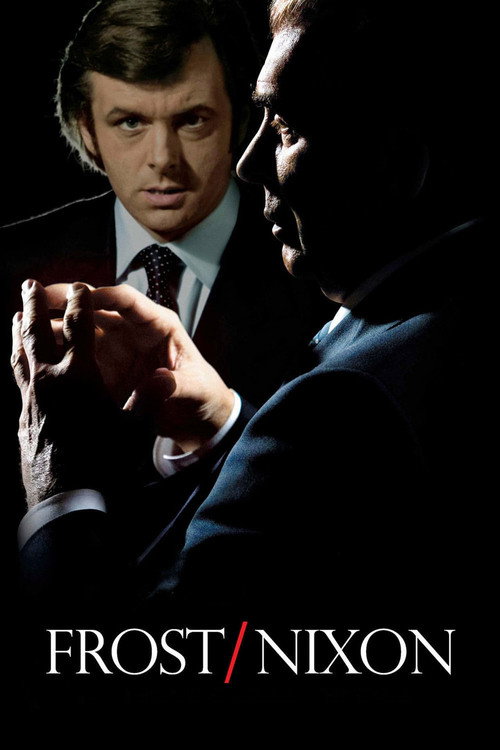
Frost/Nixon2008
Ron Howard's drama of Nixon's post-presidential interviews, exploring how public figures defend their legacies under pressure. Shares Hunting's interest in presidential authority tested and questioned.
But It's a theatrical drama with invented dialogue, not documentary truth. The satisfying narrative arc comes from scripting, which softens the messiness of real political history.
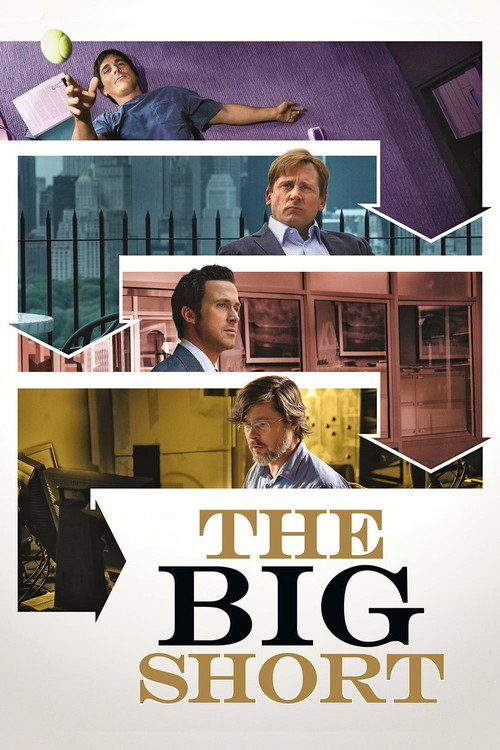
The Big Short2015
McKay's film dissects how powerful people escape accountability despite obvious wrongdoing. Like Hunting, it's angry about institutional failures and uses multiple narrators and media forms to make corruption legible.
But It prioritizes entertainment and style over nuance. The filmmaking can feel like it's congratulating the viewer for understanding, rather than deepening understanding.
Spotlight2015
Boston Globe journalists uncover systemic abuse in the Catholic Church. Another institutional investigation revealing how power protects itself, with similar stakes and similar methods of accountability journalism.
But The pacing is deliberate and quiet. It's rewarding but never thrilling; the moral weight builds slowly rather than accelerating.

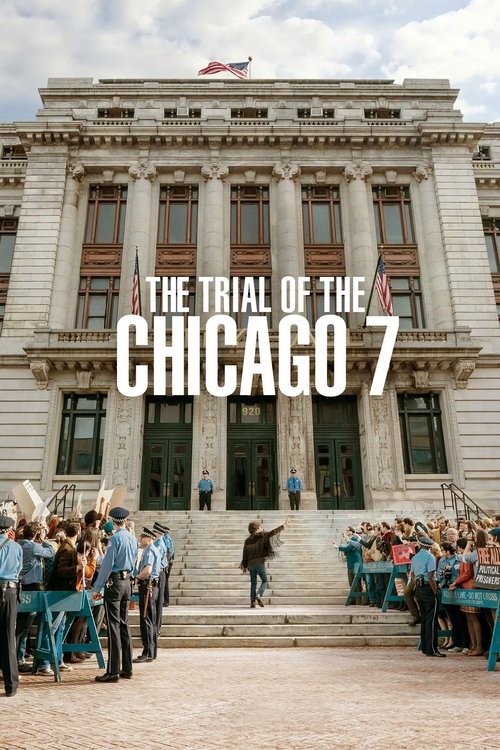
The Trial of the Chicago 72020
Aaron Sorkin's courtroom drama about the 1969 trial following the Democratic Convention riots. Another contentious political moment where justice and partisanship collided, told with Sorkin's particular brand of idealistic rhetoric.
But It's stylized and a bit precious in its dialogue. The political argument can feel like it's being made *for* you rather than *with* you.
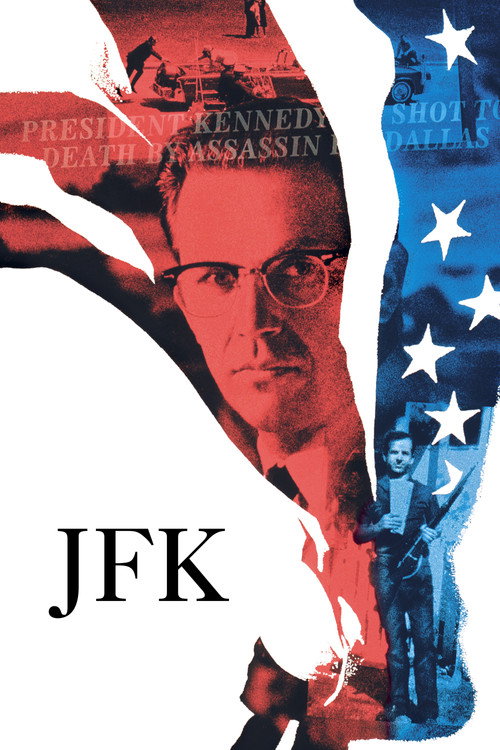
JFK1991
Stone's conspiracy investigation into Kennedy's assassination, using multiple perspectives and media forms to challenge official narratives. Like Hunting, it assembles evidence to suggest coordinated forces the public was kept from seeing.
But The evidence is speculative and Stone blends fact with speculation so thoroughly it becomes difficult to separate them. Historical accuracy takes a back seat to cinematic power.
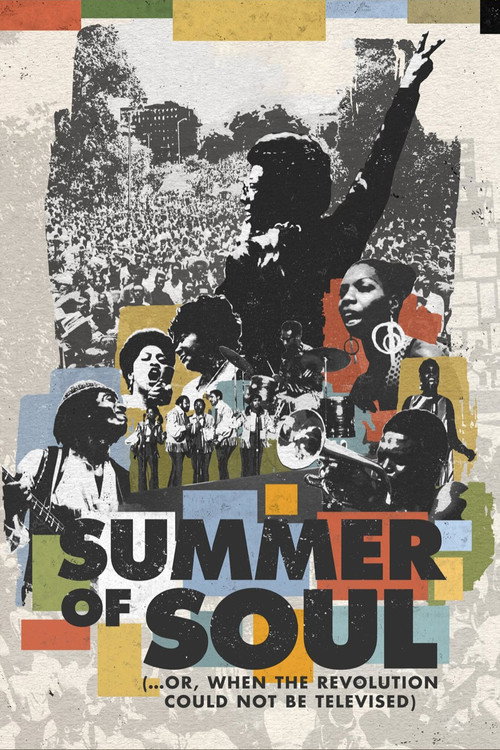
Summer of Soul (...Or, When the Revolution Could Not Be Televised)2021
Both excavate lost history using previously unseen footage, asking what it means that certain narratives were suppressed and only emerge later. Both suggest that official stories are incomplete.
Questlove's documentary uses archival footage of the 1969 Harlem Cultural Festival, previously buried. Like Hunting, it's about what gets hidden from public view and what surfaces decades later—but it's about cultural erasure rather than political persecution.
But It's a concert film more than investigative journalism. The rhythm is lyrical and celebratory, not argumentative. If you want evidence assembled into a thesis, this offers something else entirely.
People
Cast
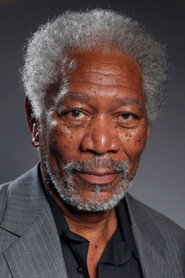 Morgan FreemanNarrator (voice)
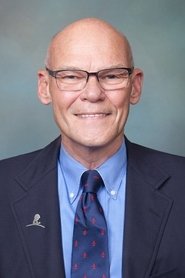 James CarvilleSelf - Democratic Political Strategist
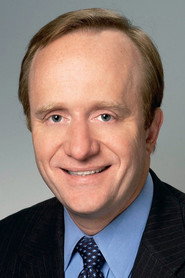 Paul BegalaSelf - Democratic Political Strategist
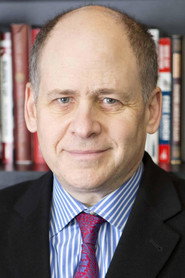 Jonathan AlterSelf - Investigative Reporter, Newsweek
- Steve BarnesSelf - Political Reporter
- Richard Ben-VenisteSelf - Former U.S. Attorney
- Robert S. BennettSelf - President Clinton's Attorney
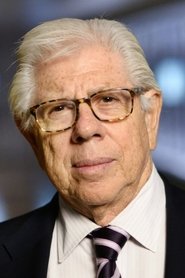 Carl BernsteinSelf (archive footage)
- Sidney BlumenthalSelf - Author, The Clinton Wars
- Max BrantleySelf - Editor-in-Chief, Arkansas Times
- David BrockSelf - Former Investigative Reporter, The American Spectator
- Dale BumpersSelf - Senator, Arkansas (archive footage)
Directing
- Harry ThomasonDirector
- Nickolas PerryDirector
Writing
- Gene LyonsBook
- Joe ConasonBook
- Harry ThomasonScreenplay
- Nickolas PerryScreenplay
Production
- Adrienne CrowAssociate Producer
- Ben HarrellAssociate Producer
- Dana StoltznerAssociate Producer
- Kyle MinorAssociate Producer
- Amy GreenspunCo-Producer
- Chad O'ConnerCo-Producer
- Joe ConasonCo-Producer
- Keith SkyCo-Producer
- Douglas JacksonProducer
Recommended by
The Front Runner, Active Measures, Cancer: The Emperor of All Maladies