
Television series
Cancer: The Emperor of All Maladies
Siddhartha Mukherjee's sweeping six-hour documentary traces cancer from ancient Egypt to modern labs, weaving together medical history, patient stories, and cutting-edge research. It's ambitious and deeply human—part detective story, part intimate portrait of struggle. For anyone who wants to understand not just the disease but why it's resisted cure for millennia.
If you liked this
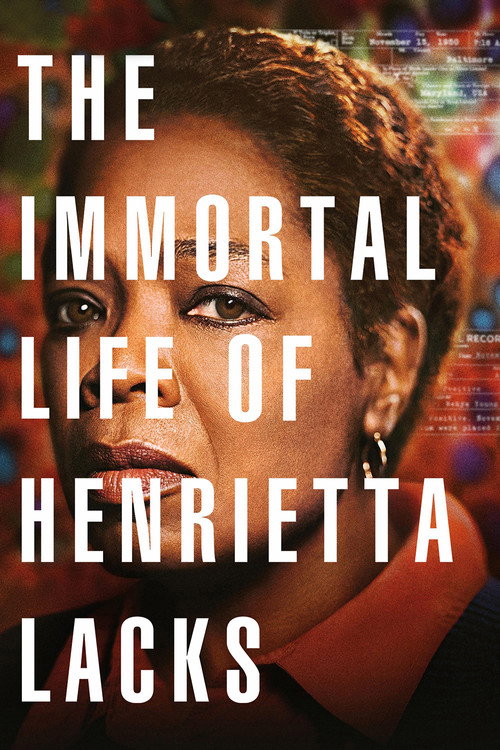
The Immortal Life of Henrietta Lacks2017
This HBO film explores the woman whose cells revolutionized medicine without her consent or knowledge. It's the human cost behind scientific progress—essential viewing alongside Cancer's narrative of medical advancement and ethics.
But The pacing is slower and more introspective than Cancer; some find it frustratingly restrained when the story deserves fire.
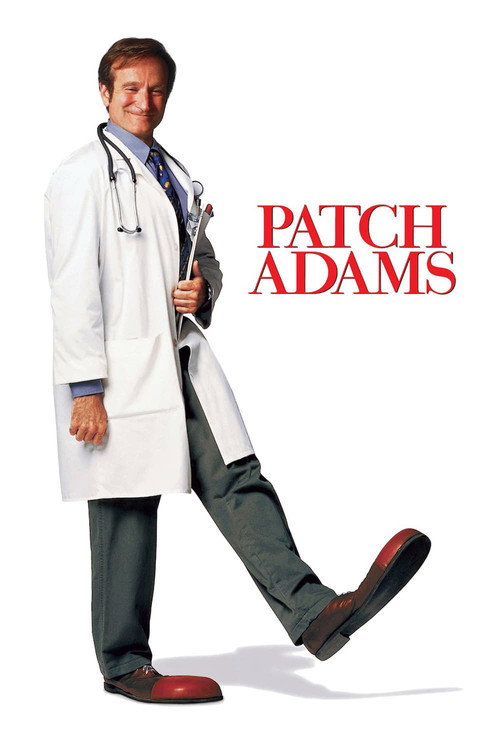
Patch Adams1998
Robin Williams plays a doctor who insists on treating the whole person, not just the disease. It shares Cancer's belief that medicine is fundamentally about human connection, not just cells and data.
But It's earnest to the point of sentimentality, and the '90s filmmaking feels dated now. Some find it manipulative.
The Big C2010
Laura Linney's Cathy Jamison is a woman living with terminal cancer who decides to actually live. It's funny, furious, and refuses to make cancer noble. Cancer the doc respects the complexity this show demonstrates.
But It pivots between comedy and devastation in ways some viewers find tonal whiplash. The later seasons disappoint some fans.

Not sure tonight? Get a pick in a minute, starting from Cancer: The Emperor of All Maladies
The wildcard
Something you would not have found on your own.
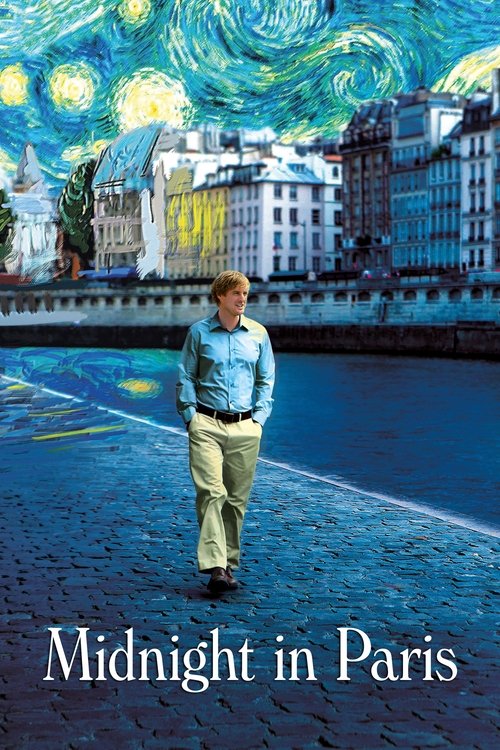
Midnight in Paris2011
Both are narratives structured as passionate historical investigation—one medical, one romantic—where the past is alive and urgent, not dusty.
An entirely different register: a romantic fantasy where a man travels back through Paris's golden eras. The connection is structural—both are love letters to historical investigation itself, to the pleasure of understanding how things came to be as they are.
But It's a Woody Allen film from 2011, which means it's twee and self-satisfied in ways that can grate. The central romance is slight.
More like this (5)
Spotlight2015
This Best Picture winner about investigative journalism investigating institutional rot has the same methodical, patient detective-work energy as Cancer—following evidence where it leads, no matter how uncomfortable.
But It's deliberately unglamorous. The satisfaction comes from procedure and truth, not action or drama. Slow-burn doesn't work for everyone.

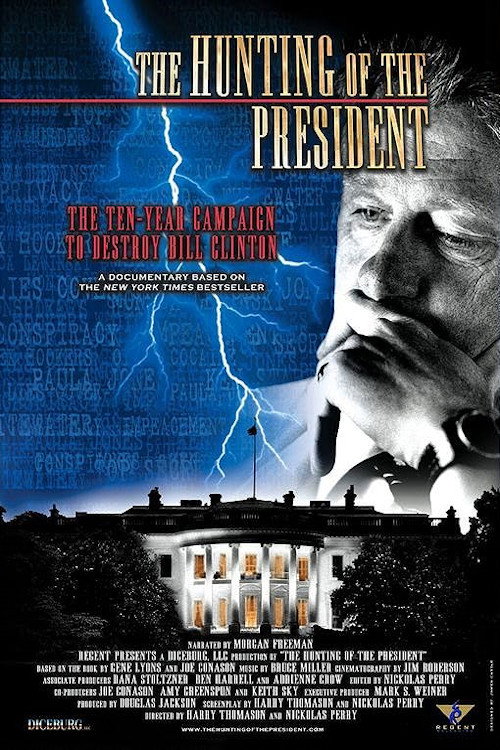
The Hunting of the President2004
This documentary investigates how political narratives override truth. Like Cancer, it traces how power shapes what we believe about the world, and how that shapes outcomes.
But It's politically pointed in ways some find didactic. The Clinton-era focus feels distant now for younger viewers.
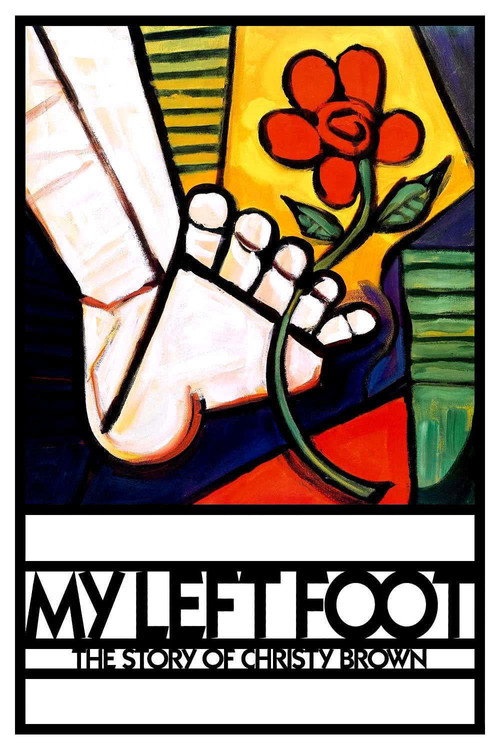
My Left Foot: The Story of Christy Brown1989
Daniel Day-Lewis inhabits a man with cerebral palsy who becomes an artist. It's about the human spirit confronting physical limitation—thematically aligned with Cancer's patient stories.
But It's from 1989, so the filmmaking feels theatrical. Some find Day-Lewis's intensity exhausting rather than moving.
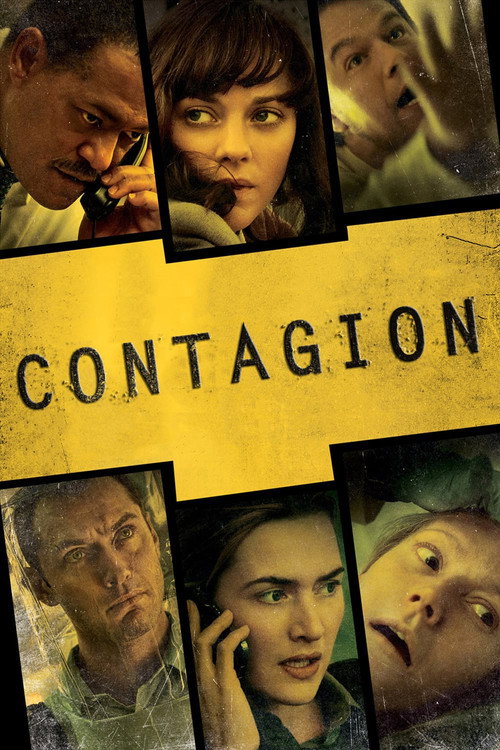
Contagion2011
Soderbergh's procedural about a global pandemic is fundamentally about how disease moves through systems. It shares Cancer's interest in epidemiology and collective responsibility.
But It's clinical and sometimes cold—some find it emotionally distant. The early-2010s thriller beats feel dated.
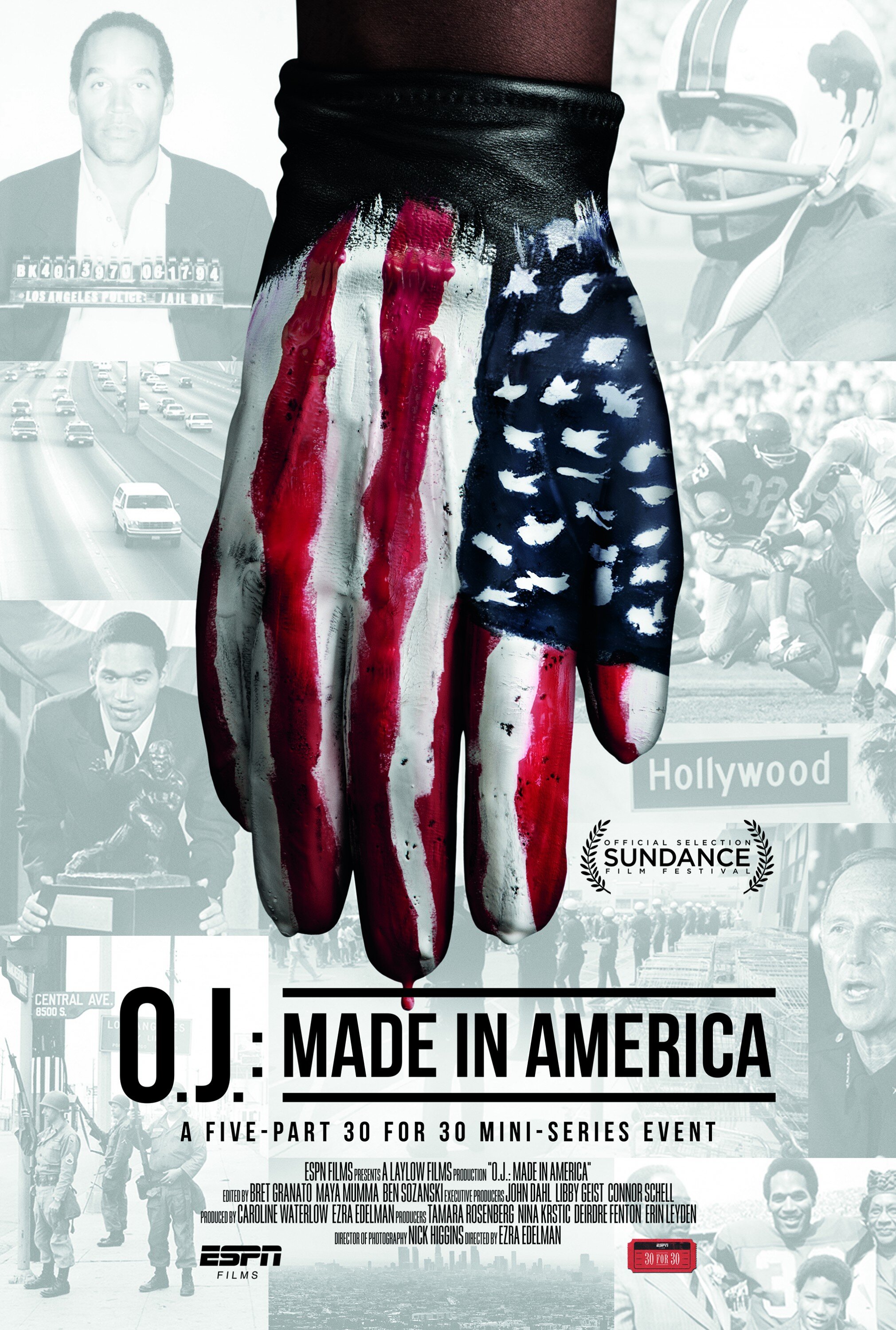
O.J.: Made in America2016
Both are ambitious non-fiction works that use their specific subject as a lens into deeper historical and systemic truths, structured across hours to do justice to that complexity.
Ezra Edelman's ten-hour miniseries uses a trial to excavate American history—race, celebrity, justice. Like Cancer, it's a sweeping historical investigation that refuses to simplify, that trusts viewers to handle complexity and contradiction.
But It's very long and demands your full attention. It requires you to sit with ambiguity; there's no clean resolution or victory.
People
Production
- Ken BurnsProducer