
Film
Cancer: The Forbidden Cures
A documentary arguing that effective cancer treatments have been suppressed by pharmaceutical interests in favour of profitable mainstream medicine. It profiles alternative practitioners and their remedies, presenting their cases as evidence of a systematic cover-up. The film is passionate and conspiratorial in tone, designed for viewers already sceptical of conventional oncology.
If you liked this
Sicko2007
Michael Moore's polemic about healthcare systems and pharmaceutical influence uses similar investigative rhetoric and personal stories to indict institutional medicine. Angry, accessible, and structurally similar.
But Moore's style can feel manipulative, and his solutions are mainstream rather than alternative. The tone is more sardonically funny than urgent.
The Gerson Miracle2004
Documents the Gerson therapy approach to cancer treatment through patient testimonies and the Gerson family's work. Shares the film's focus on alternative protocols and institutional resistance.
But The evidence presented is largely anecdotal. No independent medical verification is provided, and cherry-picked cases aren't scientific proof.
The Business of Being Born2008
Critiques how medical institutions have over-pathologized childbirth for profit, advocating for alternative approaches. Uses a similar David-versus-Goliath narrative about institutional control.
But Focused on obstetrics rather than oncology. Some medical professionals consider its conclusions about hospital births oversimplified and potentially dangerous.
Not sure tonight? Get a pick in a minute, starting from Cancer: The Forbidden Cures
The wildcard
Something you would not have found on your own.
Cancer: The Emperor of All Maladies2015
Both examine cancer treatment's institutional history, but this one uses primary sources, medical records, and verified outcomes rather than testimonials and inference. It's what happens when conspiracy thinking meets actual research.
PBS documentary series tracing cancer's actual history—how we came to understand it, how treatments genuinely evolved, and where real breakthroughs happened. Rigorous, beautifully made, and honest about both medicine's failures and successes.
But Presents evidence that mainstream oncology, despite its flaws, has actually extended millions of lives. This contradicts the core premise that all conventional treatment is suppressed conspiracy.
More like this (2)
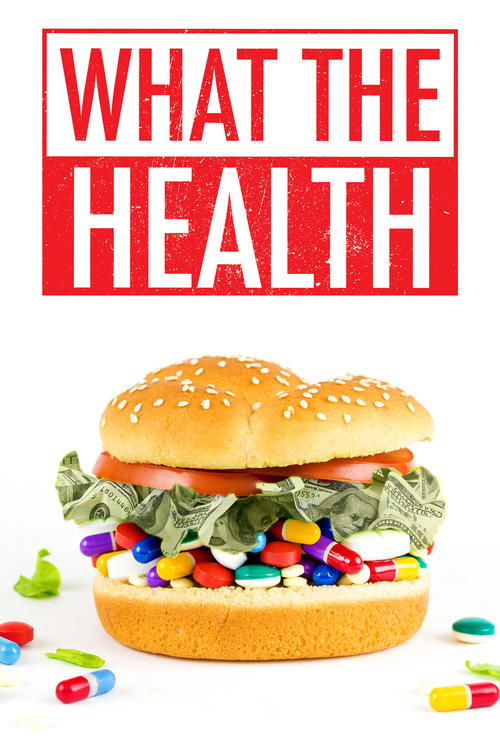
What the Health2017
Documentary exploring links between diet, disease, and industry influence on healthcare messaging. Employs the same conspiratorial tone about institutional corruption and suppressed knowledge.
But Heavily criticised for misrepresenting scientific studies and making causal claims from correlational data. The film's experts are often nutrition ideologues rather than oncologists.
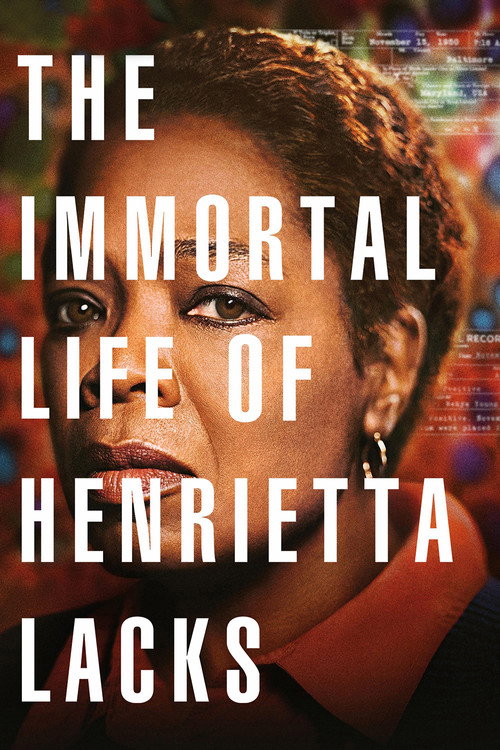
The Immortal Life of Henrietta Lacks2017
This shares the film's distrust of medical institutions and their power over vulnerable people, but proves that criticism of Big Pharma doesn't require rejecting evidence-based treatment. Real wrongs are documented, not inferred.
Documents a genuine, verified scandal: how a Black woman's cells were taken without consent and used in medical research that enriched institutions while her family suffered. Anger at medical establishment is completely justified here.
But The film doesn't extrapolate from one real injustice to claim all oncology is a hoax. It demands accountability without abandoning the science that emerged from that stolen work.
People
Cast
- Len RichmondNarration
- Charlotte Gersonherself
 G. Edward Griffinhimself
- René Caisseherself
- Harry Hoxseyhimself
- Max Gersonhimself
- Tullio Simoncinihimself
Directing
- Massimo MazzuccoDirector
Writing
- Massimo MazzuccoWriter
Production
- Donald RanvaudExecutive Producer