
Film
The Beautiful Truth
A teenage boy grieving his mother's death investigates the Gerson therapy—a dietary cancer treatment with passionate advocates and fierce skeptics. This is part coming-of-age film, part medical deep-dive, unafraid to sit with both hope and hard questions. For anyone who's felt the pull between alternative medicine and conventional wisdom.
If you liked this
Dying To Have Known2006
The same filmmaker's earlier documentary on Gerson therapy, following cancer patients through the treatment. Essential viewing if you want the fuller picture of what drew Kroschel to this subject in the first place.
But It covers much of the same ground, so watching both feels repetitive. No narrative arc—just testimony and explanation.
The Gerson Miracle2004
Another Gerson documentary with patient testimonies and the doctor's own archive footage. Validates some of what The Beautiful Truth explores and gives historical depth to the therapy's origins.
But Feels more like advocacy than investigation. Less willing to acknowledge complexity or skepticism than The Beautiful Truth is.
Forks Over Knives2011
Examines whether plant-based diets can reverse disease, with doctors and epidemiologists presenting evidence. Same philosophical terrain—questioning what medicine tells us about food and healing.
But Covers ground you've already explored. The science-lite approach might frustrate you if you're craving harder data.
Not sure tonight? Get a pick in a minute, starting from The Beautiful Truth
The wildcard
Something you would not have found on your own.
My Octopus Teacher2020
Both track a person processing loss through devoted study. The Beautiful Truth and My Octopus Teacher share the rhythm of a mind learning humility: you cannot force understanding, only witness carefully.
A grieving filmmaker spends a year with an octopus, learning to observe without controlling. Like The Beautiful Truth, it's a portrait of someone seeking answers through obsessive attention to something alive.
But Absolutely nothing to do with medicine or cancer. The connection is structural, not literal—which means you have to be willing to follow that leap.
More like this (6)
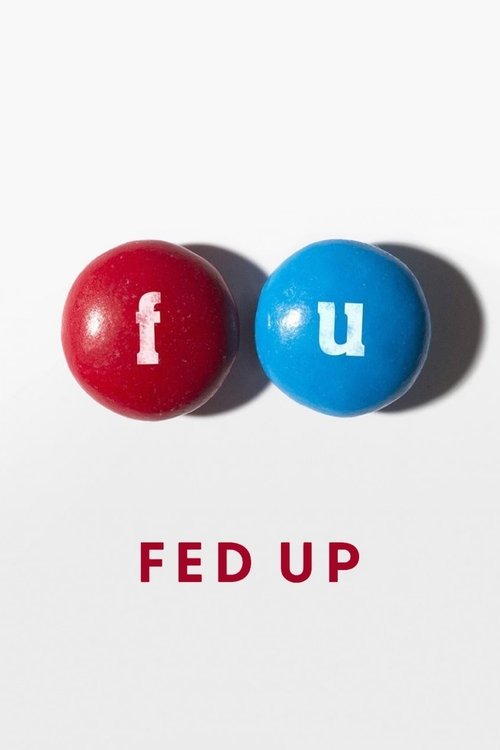
Fed Up2014
Investigates the food industry's role in obesity and disease. Same critical impulse—questioning who profits from keeping us sick, and whether mainstream medicine has the answers.
But Emphasizes corporate conspiracy over individual choice. Feels polemical rather than genuinely exploratory.
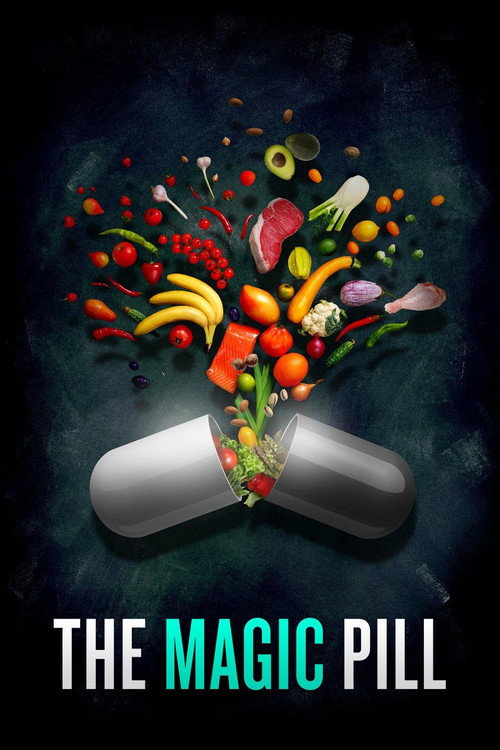
The Magic Pill2017
Examines ketogenic diets as treatment for various conditions. Explores a different dietary intervention with the same passion people bring to Gerson therapy—healing through food.
But Veers into promotion rather than skepticism. Less intellectually rigorous than what you're after if you liked The Beautiful Truth's questioning approach.
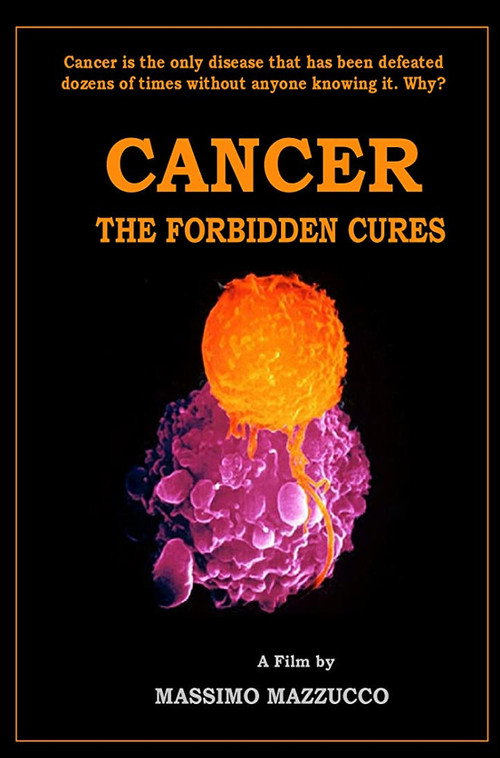
Cancer: The Forbidden Cures2010
Explores suppressed cancer treatments and the economic incentives that might keep them hidden. Directly addresses the conspiracy questions The Beautiful Truth raises.
But More conspiracy-minded than evidence-based. Can feel like it's asking you to believe rather than think.
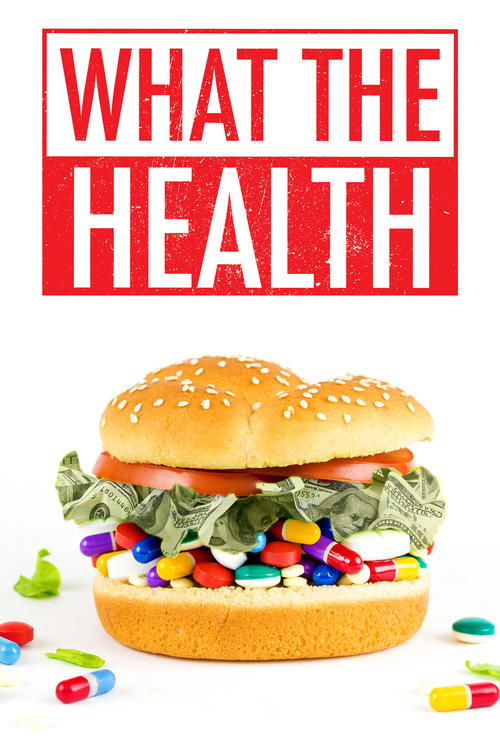
What the Health2017
Connects diet to disease prevention through interviews with doctors and researchers. Shares the hopeful belief that food can heal, even if the evidence feels cherry-picked.
But Oversimplifies complex medicine. Presents consensus where there's actually legitimate disagreement among scientists.
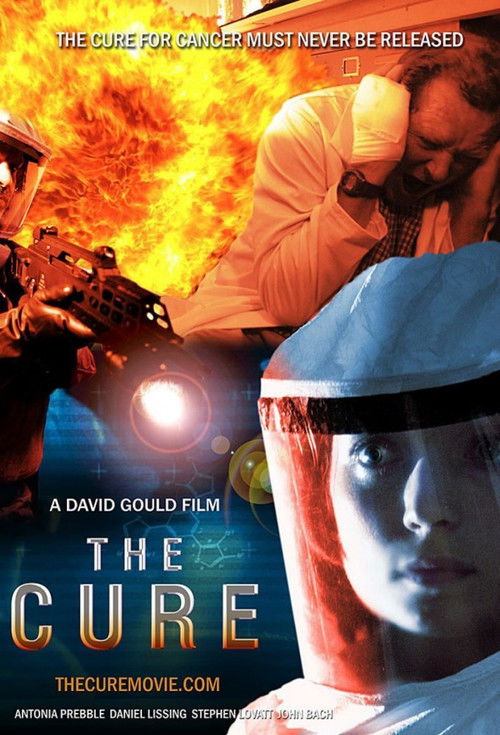
The Cure2014
Both investigate what 'cure' really means and whether the search for it is rational or driven by something deeper—hope, denial, love. The Beautiful Truth asks it as journalism; The Cure asks it as horror.
This Korean thriller follows a woman searching for the cure to a plague. Visually stunning, psychologically complex—explores the desperation people feel when seeking salvation through medicine.
But It's a genre thriller, not a documentary. If you came for facts, you're getting metaphor and suspense instead.
The Death of Ivan Ilyich2024
The Beautiful Truth shows a boy searching for healing; Tolstoy shows a man discovering that medicine cannot give him what he actually needs. Both ask whether cure is what we're really looking for.
An adaptation of Tolstoy's novella about a man facing terminal illness and the failure of doctors to help him. Bleak, philosophical, about the gap between medical treatment and actual healing.
But It's an art film—slow, Russian, centered entirely on psychological and spiritual anguish. There are no answers, only questions and the honest confrontation with death.
People
Cast
- Charlotte Gersonherself
- Jay Kordichherself
- Garrett Kroschelhimself
- Joyce Rileyherself
- Howard Straushimself
Directing
- Steve KroschelDirector