
Film
Forks Over Knives
A plant-based diet documentary that follows real people with serious health conditions as they attempt to reverse disease through food. It's earnest, sometimes polemical, and built around tangible human stakes rather than abstract arguments. For anyone curious whether diet can actually matter, or already leaning plant-based and wanting ammunition for conversations.
Should you watch it?
Watch it if you want a persuasive, patient-by-patient case for changing what's on your plate, and you enjoy being argued with by people who have clearly lived the argument.
Skip it if you bristle at nutrition advocacy, since this is a single-minded pitch with a clear point of view and little room for dissent or nuance about the science.
What it asks of you: Ninety minutes of experts and kitchen demonstrations; it stays calm and earnest rather than thrilling, so bring patience for the lectures.
Not sure? Find tonight's pick in a minute.
If you liked this
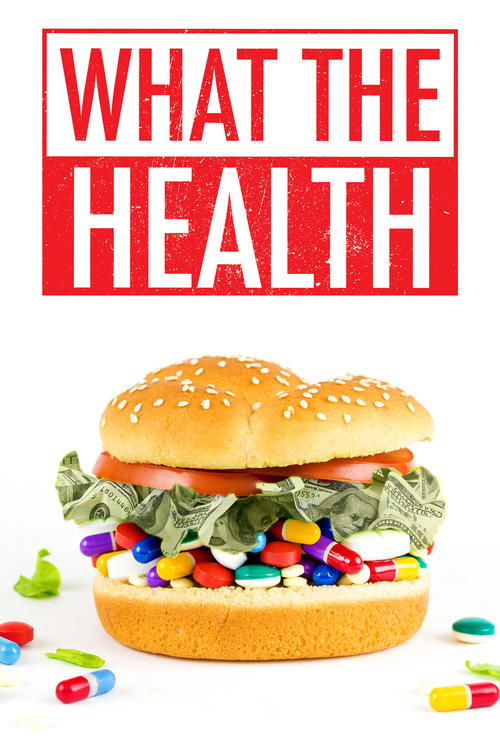
What the Health2017
Made by the same filmmakers, this sequel goes wider and stranger, examining the industry politics behind dietary guidelines. It digs into conspiracy-adjacent territory that the first film avoided, with more visual wit.
But The argumentative tone sharpens into something closer to agit-prop. If you want science without a side, this will feel like watching a prosecutor rather than a judge.
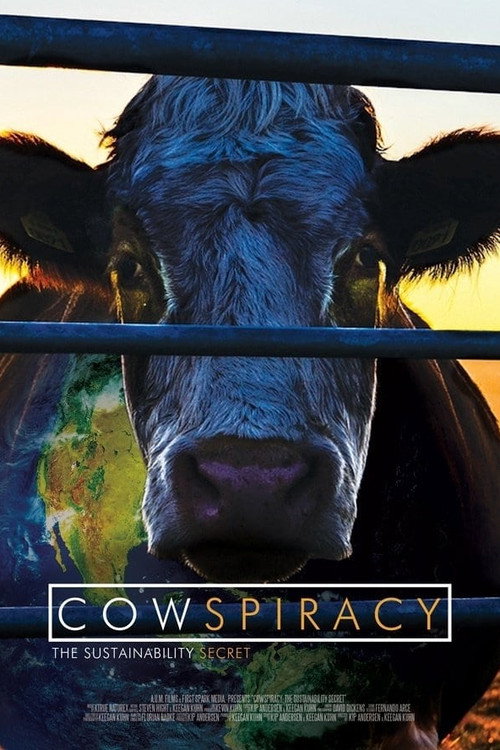
Cowspiracy: The Sustainability Secret2014
Shifts the frame from personal health to environmental collapse, arguing that animal agriculture is the primary driver of climate catastrophe. It uses the same documentary grammar as Forks but with genuinely unsettling stakes.
But The environmental case sometimes overwhelms the nuance. It can feel like a screed, and the production values are notably lower than Forks.
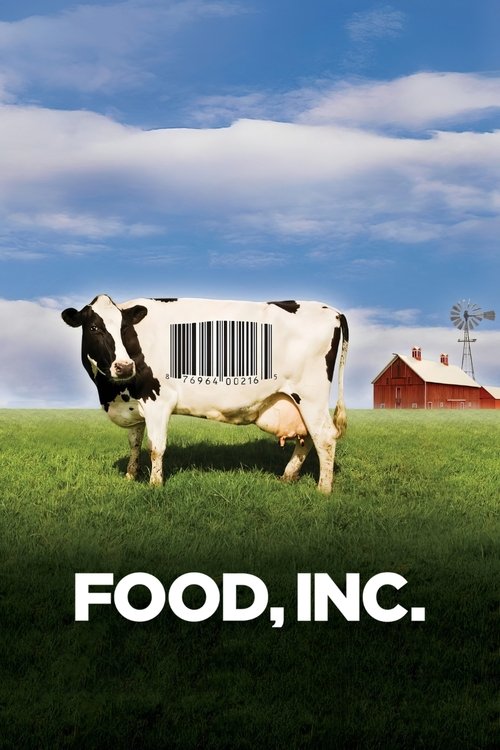
Food, Inc.2008
Examines industrial food systems with a reporter's skepticism rather than an advocate's certainty. The horror is in the capitalism, not the ingredients—a different angle on why we eat what we eat.
But Slower-paced and less personally driven. No patients, no recoveries, just systems and shadowy corporate corridors. Can feel like watching an extended investigative report.
Not sure tonight? Get a pick in a minute, starting from Forks Over Knives
The wildcard
Something you would not have found on your own.
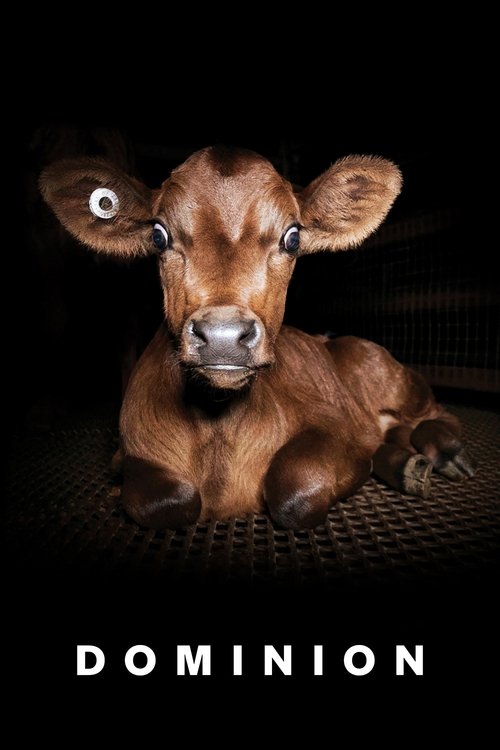
Dominion2018
Both argue that food choices are moral choices, but Dominion goes to the actual source of those choices—the animals themselves—while Forks stays focused on human health. One is about what we eat; this is about what we're willing to do to get it.
A radical documentary that uses avant-garde filmmaking—drones, thermal imaging, poetic editing—to show industrial animal agriculture. It's visually arresting and morally severe in ways that reframe the dietary argument entirely.
But Extremely graphic footage of animal suffering. Not for the squeamish, and its artistic approach can feel manipulative if you're skeptical of its message.
More like this (5)
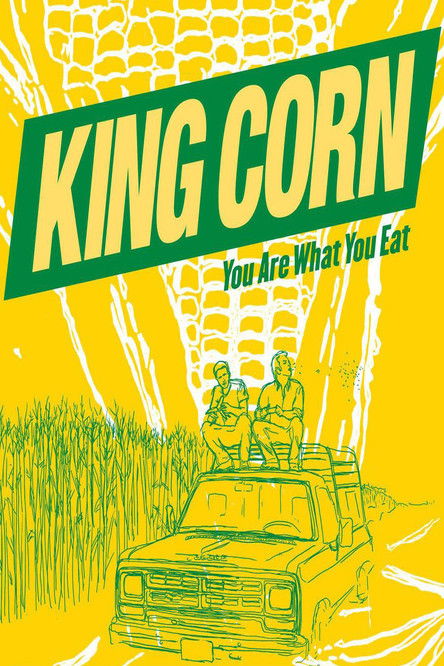
King Corn2007
Two kids trace a bushel of corn through the American food system, discovering how thoroughly it shapes what we eat without our knowing. It's funny, self-aware, and less didactic than Forks.
But Doesn't argue for a particular diet, so if you want clear prescriptions rather than questions, you'll find it frustratingly open-ended.
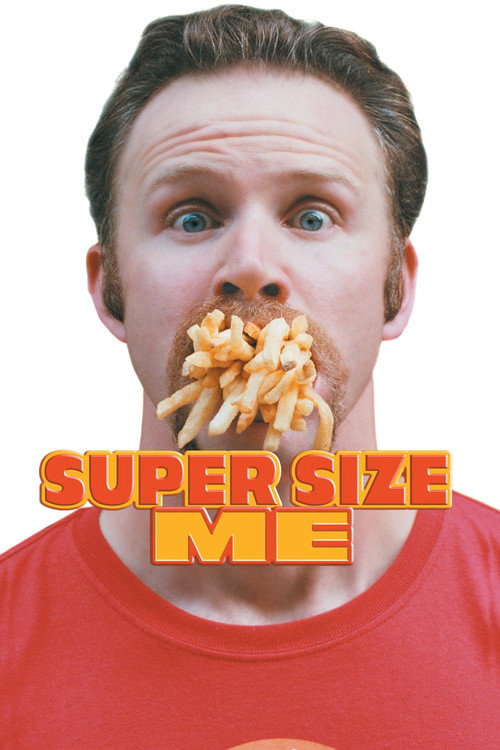
Super Size Me2004
Morgan Spurlock eats nothing but McDonald's for a month and documents the physical toll. It's the inverse experiment: instead of adding plants, subtracting them. Genuinely funny and surprisingly dark.
But Feels dated now, and Spurlock's persona can overshadow the actual point. The 'stunt documentary' format has aged poorly in places.
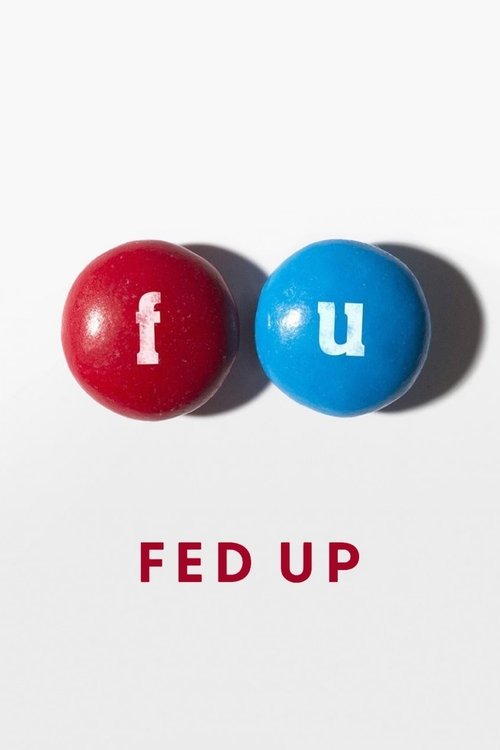
Fed Up2014
Combines personal stories with hard analysis of how the food industry has shaped obesity and diabetes in America. More balanced than Forks, less convinced that the answer is simple.
But The conspiracy elements feel murky sometimes. It's angrier than it is clear, and the blame gets spread so wide you're not sure what to actually do.
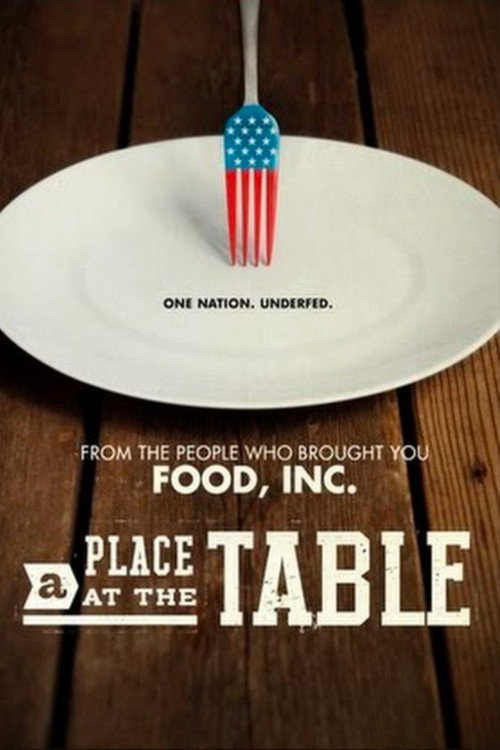
A Place at the Table2012
Follows three Americans struggling with food insecurity while examining the policy failures that allow it. Humane and grounded in real poverty, not ideology.
But It doesn't prescribe solutions the way Forks does. If you came for certainty, you'll leave with only questions—and sadness.
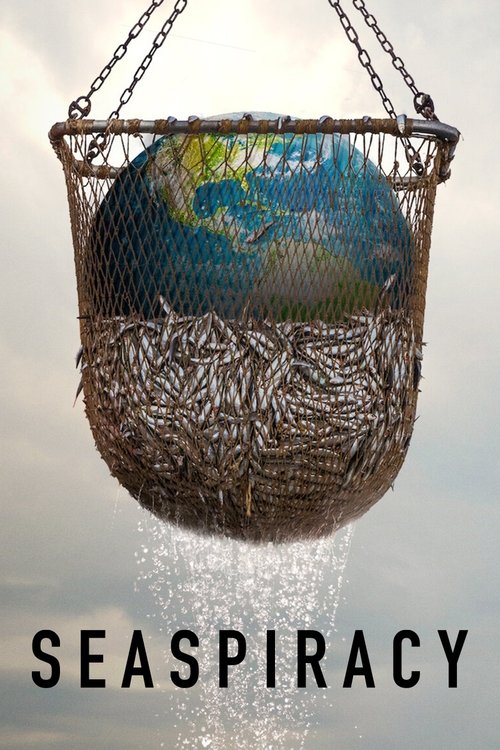
Seaspiracy2021
Like Forks, it argues that personal dietary choices have massive systemic consequences, but it doesn't care about your health—only about whether there will be an ocean left. It's the external cost made visible.
A plant-based argument made through the lens of ocean collapse—that fishing is destroying ecosystems at a speed that makes animal agriculture look almost quaint. Same filmmaking team as What the Health, but the villain is different.
But The ocean science gets muddied by the advocacy, and some experts have disputed its core claims. It can feel like you're being sold something rather than informed.
People
Cast
- Lee FulkersonSelf
- Matthew LedermanSelf
- Alona PuldeSelf
- Joey AucoinSelf
- Connie DiekmanSelf
- Pam PopperSelf
- Doug LisleSelf
- Terry MasonSelf
 Neal BarnardSelf
Directing
- Lee FulkersonDirector
Writing
- Lee FulkersonWriter
Recommended by
Food, Inc., Super Size Me, King Corn, That Sugar Film, Fed Up, Fat, Sick & Nearly Dead, No Impact Man, Cowspiracy: The Sustainability Secret, A Place at the Table, Weed the People, Soul Food Junkies, Seed: The Untold Story, The Future of Food, What the Health, The Game Changers, The Magic Pill, Eating You Alive, Eating Animals, In Defense of Food, The Men Who Made Us Fat, Dirt! The Movie, Fat Fiction, Heal, Food Fight, Ingredients, The Gerson Miracle, Fresh, Taste the Waste, The Beautiful Truth, Dying To Have Known