
Film
Soul Food Junkies
Soul Food Junkies explores the paradox of a cuisine that's sacred to Black American identity yet carries severe health consequences. Part food documentary, part family memoir, part public health investigation, it's intimate and unflinching—asking how we love something that may be slowly killing us. For anyone grappling with the weight of tradition versus survival.
Should you watch it?
Watch it if you enjoy films that treat a cherished tradition as something to interrogate with affection rather than scold it, and you're happy with questions outnumbering answers.
Skip it if you need a firm verdict or slick polish; this one is an essayistic, conversational hour that can feel more like a discussion than a finished story.
What it asks of you: A brief sixty-four minutes, unhurried in tone, that circles its question with patience rather than rushing to a tidy answer.
Not sure? Find tonight's pick in a minute.
If you liked this
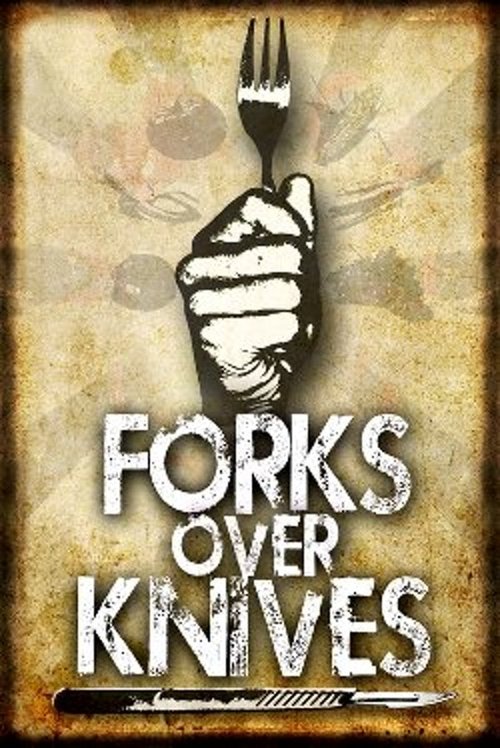
Forks Over Knives2011
A plant-based nutrition documentary that's genuinely compelling without being preachy. It investigates how diet shapes health outcomes with real science and moving personal stories. If Soul Food Junkies made you wonder what comes next, this offers a path.
But It has an agenda and doesn't hide it. Some viewers find the argument oversimplified or the tone a bit missionary for their taste.
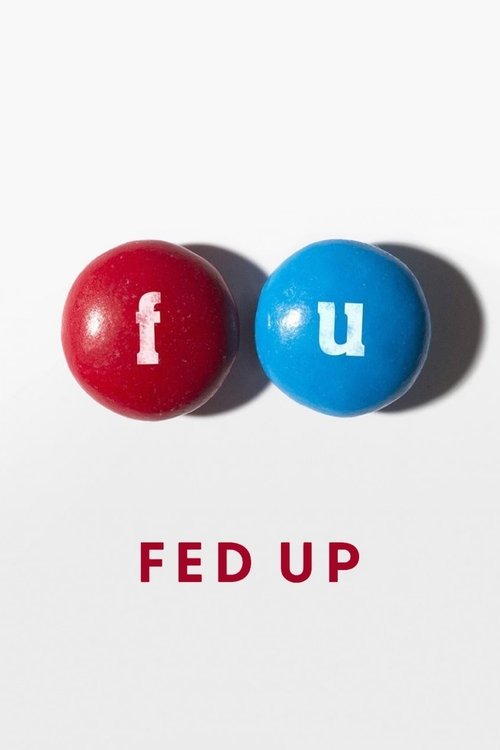
Fed Up2014
Explores how the food industry manufactures addiction to sugar and ultra-processed food, examining systemic health inequity with sharp reporting. It shares Soul Food Junkies' anger about who profits from our suffering.
But Can feel repetitive in its arguments. The villains are obvious and the film doesn't offer much hope about solutions.
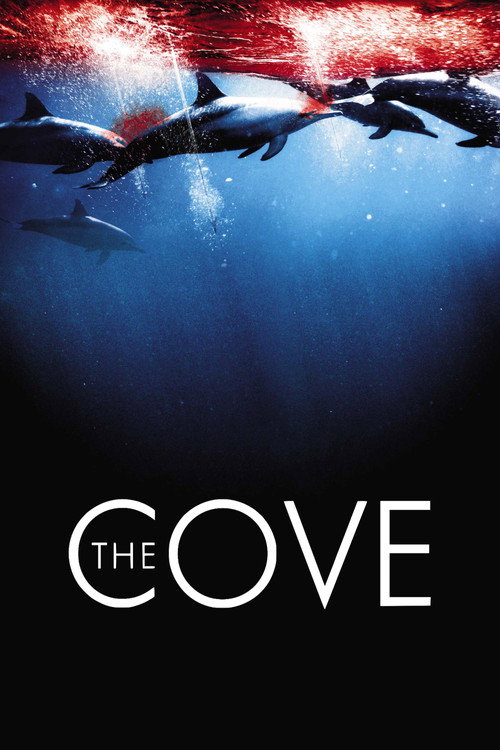
The Cove2009
A documentary that starts small and personal—a family man wanting to understand something—before exploding into urgent activism. Gripping investigation with real stakes. Shows how food connects to dignity, exploitation, and secrecy.
But Confrontational and distressing. It doesn't ask your permission before showing you something difficult, which is the point but also means you need to be ready.
Not sure tonight? Get a pick in a minute, starting from Soul Food Junkies
The wildcard
Something you would not have found on your own.
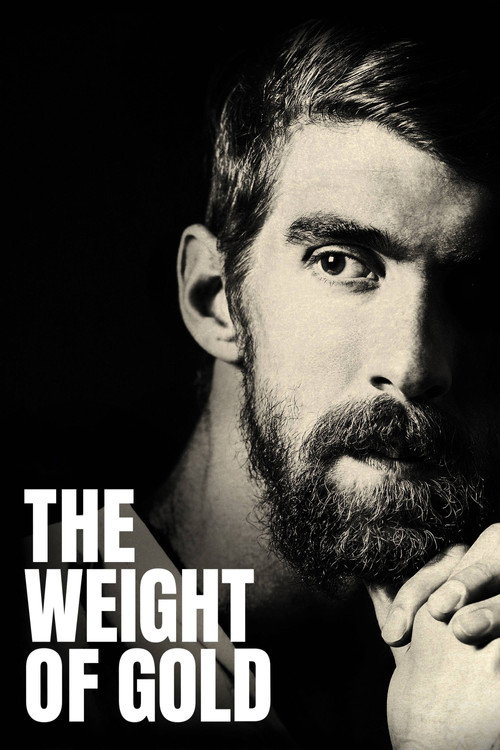
The Weight of Gold2020
Both films examine beloved cultural practices through the lens of bodily harm and hidden costs, arguing that pride and survival shouldn't require a choice.
Documentary following Black Olympic athletes discussing depression, trauma, and the cost of excellence. Structured like Soul Food Junkies—personal stories that reveal systemic patterns—but the subject is sport, not food. Same unflinching logic: something we celebrate may be harming the people we celebrate.
But Difficult to watch. It doesn't separate entertainment from suffering, which is exactly the point but also means you'll sit with real discomfort.
More like this (8)
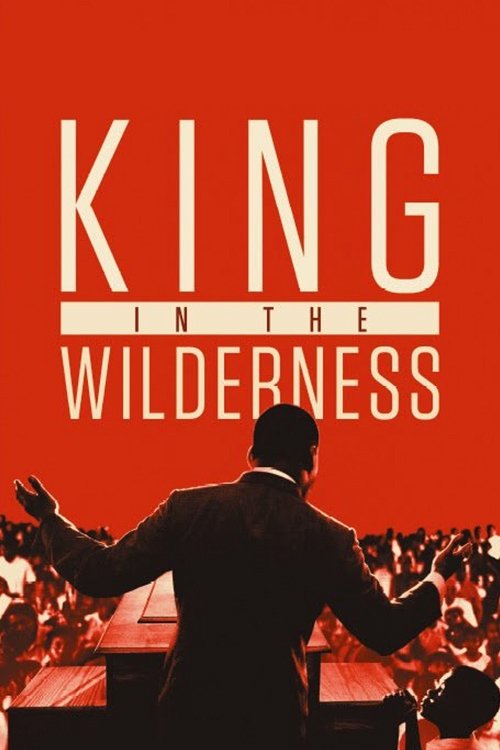
King in the Wilderness2018
Intimate documentary about MLK's final year, exploring the spiritual and material struggles of the Civil Rights movement. Deepens your understanding of the history that shapes Soul Food Junkies' context.
But Slow and meditative. If you want narrative momentum or new revelations, you may find it feels familiar in places.
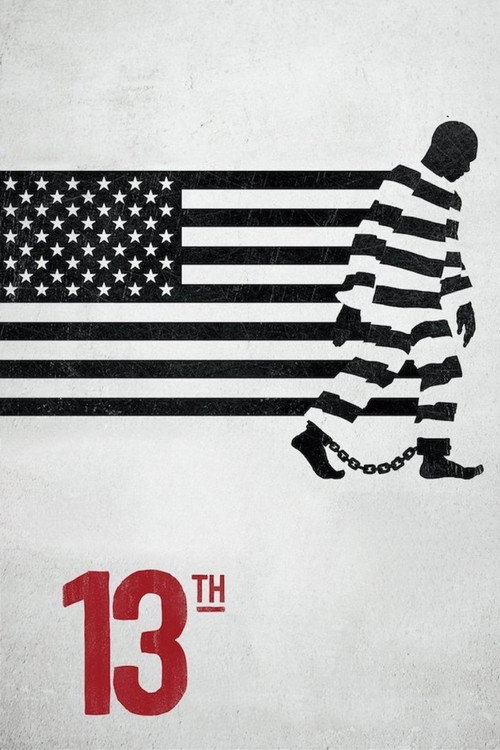
13th2016
Ava DuVernay's landmark investigation of mass incarceration and systemic racism. Essential companion to Soul Food Junkies—both trace how Black American bodies became sites of control and profit.
But Relentlessly heavy. The scope is vast and the implications are dark; it doesn't end with resolution, just clarity.
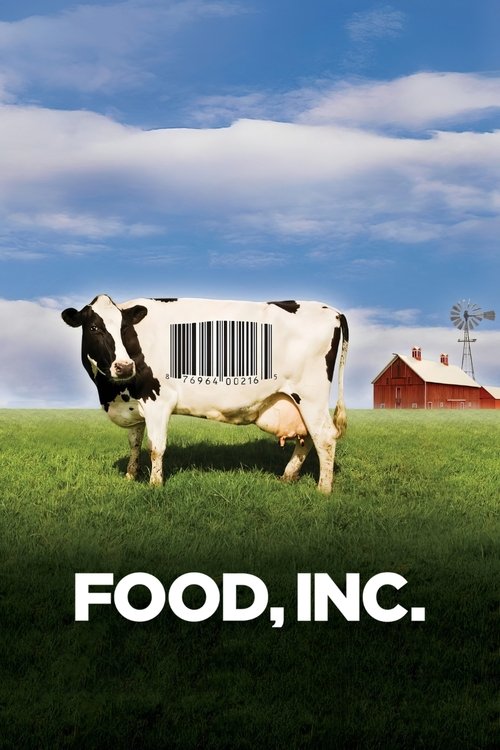
Food, Inc.2008
Polished investigation of industrial food systems—how we got here, who profits, what it costs. Less personal than Soul Food Junkies but broader in scope. Good primer if you want the economic picture.
But Feels slightly dated now and sometimes slides toward consumer-choice solutions that don't quite satisfy. Safer and less urgent than it thinks.
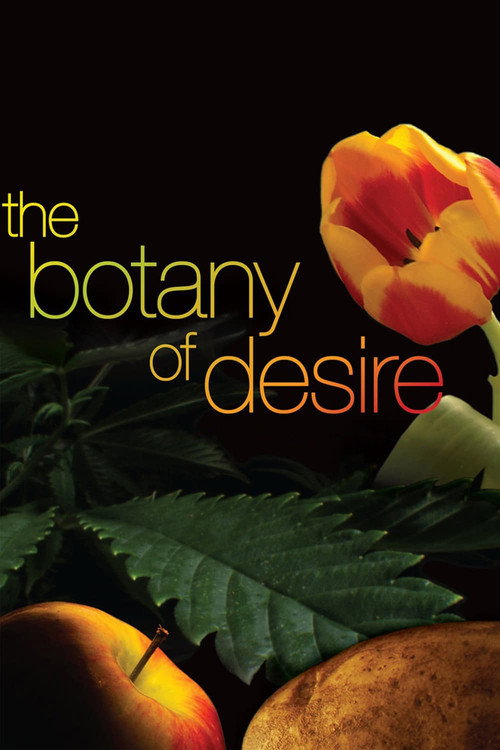
The Botany of Desire2009
Gorgeous, poetic documentary about how plants and humans shape each other—apples, tulips, marijuana, potatoes. Different angle on food and culture, but equally thoughtful about desire and consequence.
But Slower and more meandering. If you want direct argument, this one prefers to let you sit with questions.
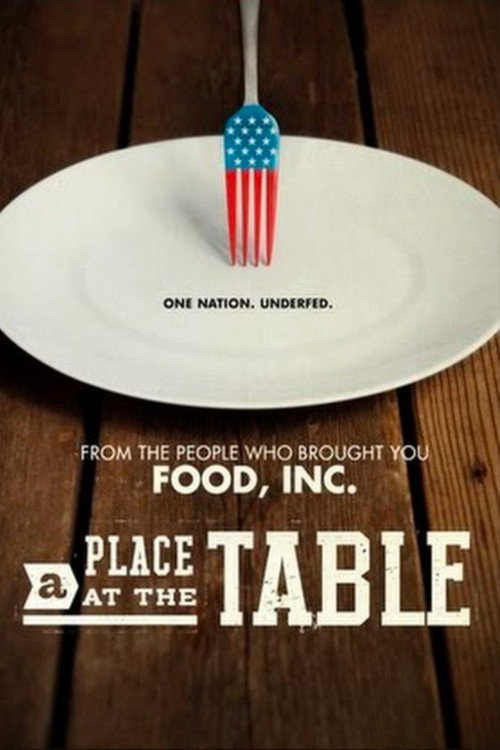
A Place at the Table2012
Examines food insecurity in America through three families' lives. Pairs well with Soul Food Junkies—same year, overlapping concerns about access, poverty, and what it means to feed yourself.
But Can feel a bit conventional in its documentary approach. Some scenes lean on emotional manipulation rather than rigorous analysis.
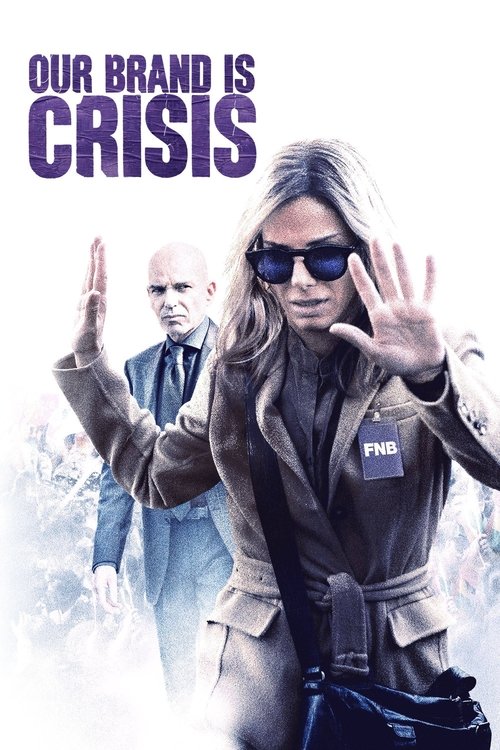
Our Brand Is Crisis2015
Documentary about American political consultants selling a presidential candidate to Bolivia. Reveals how persuasion and identity work. Thematically distant from Soul Food Junkies but shares its fascination with how we're sold things we love.
But Detached and cynical. Its tone is cool where Soul Food Junkies is warm, which means it can feel glib about matters of consequence.
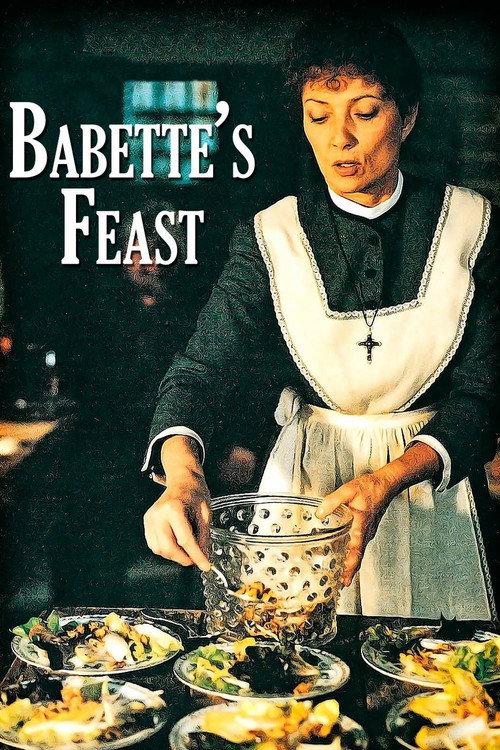
Babette's Feast1987
Soul Food Junkies mourns the impossibility of reconciling tradition with health; Babette's Feast celebrates food as an act of pure love that transcends practical consequence. They're asking opposite questions about the same thing.
A French chef prepares an extraordinary meal for a small, austere religious community. Seems to be about food but is actually about generosity, grace, and what we owe each other. Quietly argues that soul food—in any tradition—is about love, not just nutrition.
But Slow and contemplative. It's the opposite of confrontational; if you want your documentary fired up and angry, this will feel too gentle, too accepting.
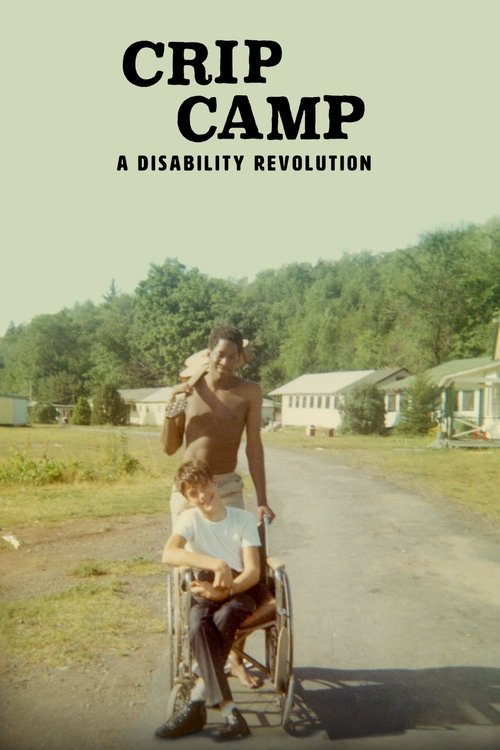
Crip Camp: A Disability Revolution2020
Both explore how marginalized communities create and sustain culture even—especially—when that culture is entangled with harm. They both argue for complexity: you can love something and demand better at the same time.
Documentary about disabled teenagers at a summer camp in the 1970s who became disability-rights activists. Joyful, angry, and structural in how it thinks about bodies and systems. Shows how community and pleasure coexist with fighting for your own life.
But Less explicitly about food, so the connection might feel lateral. And it requires sitting with joy and rage at the same time, which can feel tonal whiplash if you're expecting straight documentary gravity.
People
Directing
- Byron HurtDirector
Writing
- Byron HurtWriter