
Film
The Weight of Gold
A documentary examining mental health crises among Olympic athletes, featuring candid conversations with gold medalists about depression, anxiety, and suicide. It's unflinching and necessary rather than triumphalist—less about athletic glory, more about what happens when the spotlight cuts off. For anyone who's felt the weight of expectation or wondered what life looks like after you've already won.
If you liked this
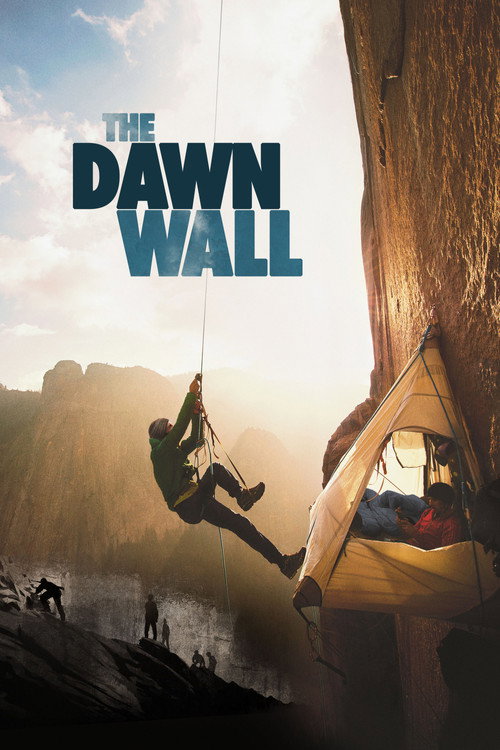
The Dawn Wall2017
Two climbers pursue an impossible rock face over 19 days. Like The Weight of Gold, it's about the private struggle behind a public goal—the obsession, doubt, and mental endurance that cameras usually edit out.
But Rock climbing itself may not grip you, and it's paced deliberately. Some will find it meditative; others will find it slow.
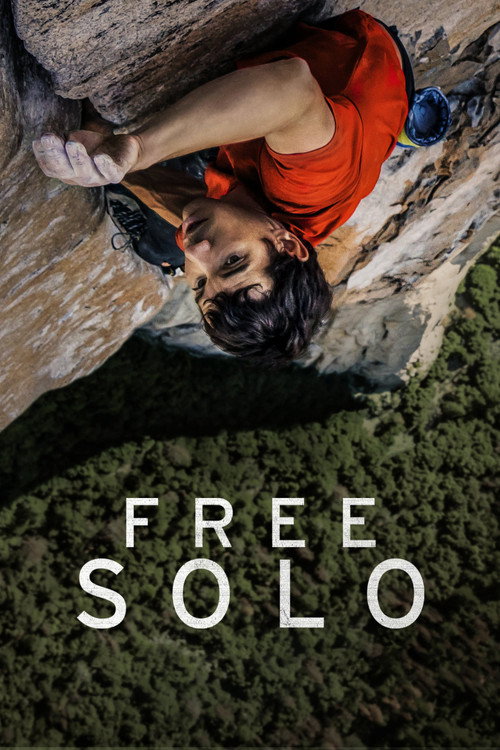
Free Solo2018
A climber scales a 3,000-foot cliff with no rope. Visually stunning, but the real tension is psychological—watching someone pursue perfection while his loved ones worry he's self-destructing. Quietly devastating.
But Heights will make you dizzy. The relationship drama feels tense by design, and the film asks hard questions without easy answers.
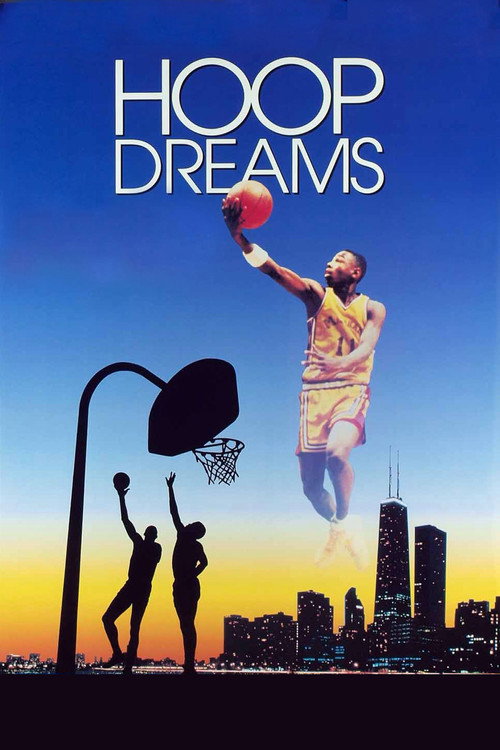
Hoop Dreams1994
Two basketball prospects are followed for five years. It dismantles the myth of the golden ticket, showing how ambition and systems grind down even the talented. Patient, human, and angry.
But It's three hours and from 1994, so the film stock and pacing reflect that. Basketball's draw fades if you're not invested in the game itself.
Not sure tonight? Get a pick in a minute, starting from The Weight of Gold
The wildcard
Something you would not have found on your own.
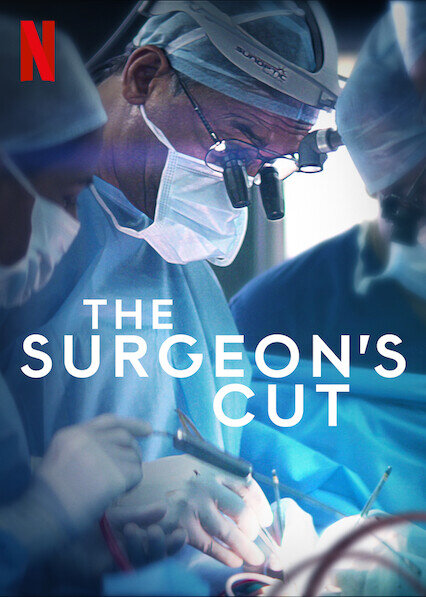
The Surgeon's Cut2020
Both examine what excellence demands when it's not just your life at stake—the isolation, the self-doubt, the pressure that doesn't disappear when you win.
A surgeon reflects on his career and the weight of decisions that can't be undone. It's meditative and philosophical—less about triumph than about the hidden cost of being excellent at something where failure means someone dies. Same psychological interrogation, completely different arena.
But It's quiet and introspective in ways that might feel slow. Medical terminology goes unexplained, and the emotional intensity is subdued rather than cathartic.
More like this (6)
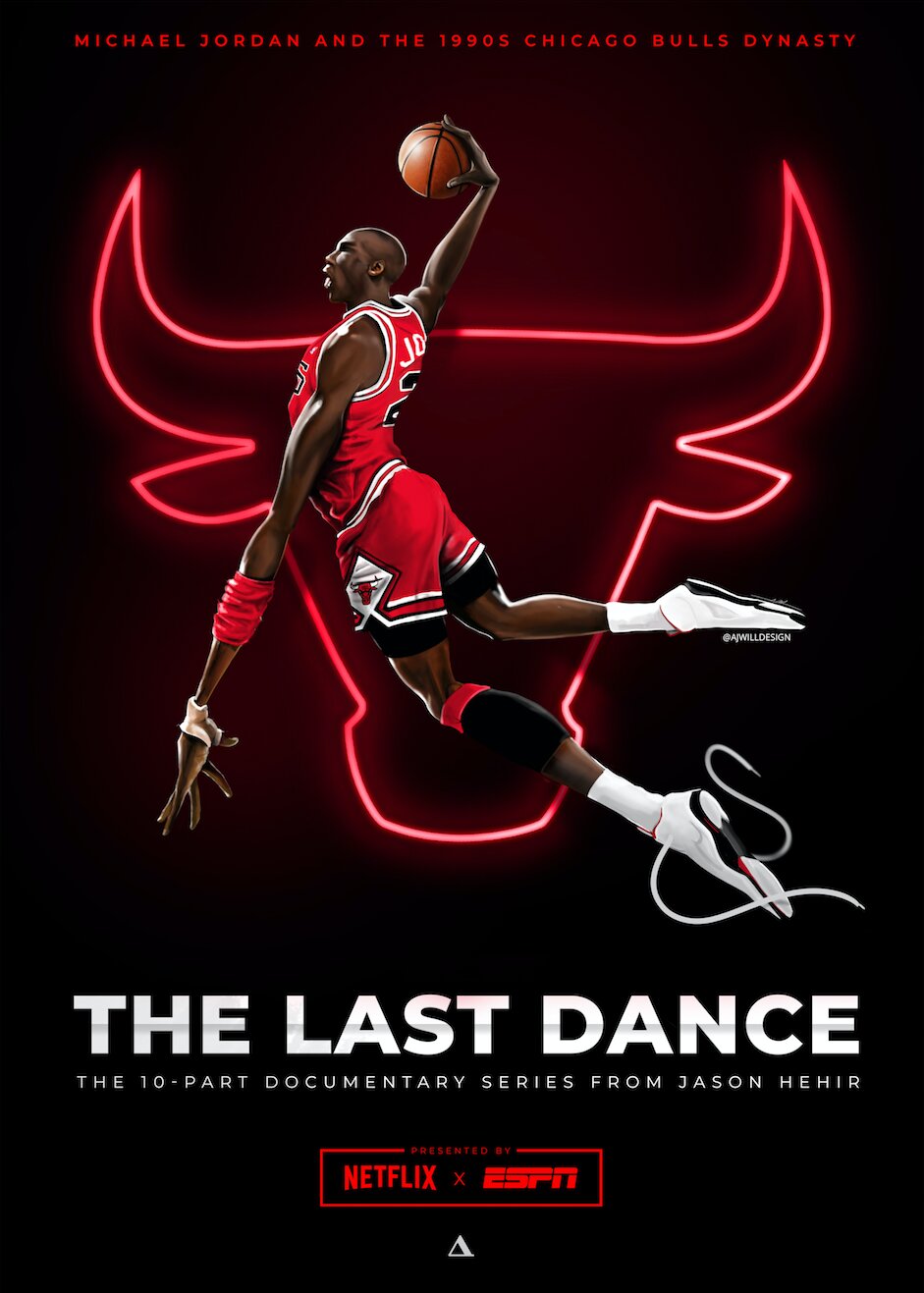
The Last Dance2020
Michael Jordan's final season with the Chicago Bulls. Reveals the loneliness of excellence and the psychological toll of being the greatest—perfectionism, controlling behaviour, the void after victory.
But Ten episodes is a commitment. Some see it as a vanity project that doesn't press hard enough on its subject's worst sides.
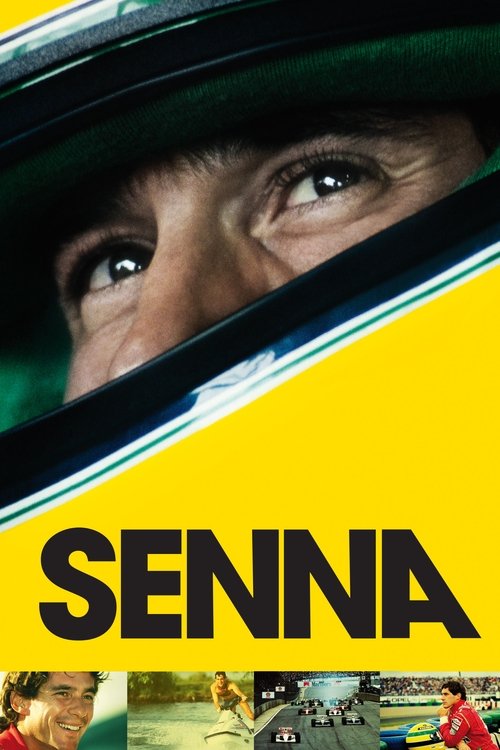
Senna2010
Ayrton Senna's rise and obsession told through archival footage. Less about racing than about the human cost of genius—the tunnel vision, the rivalry that consumed him, the loneliness at the top.
But Formula One pacing is repetitive if you don't care about racing. The film assumes some background knowledge and doesn't fully explain the sport.
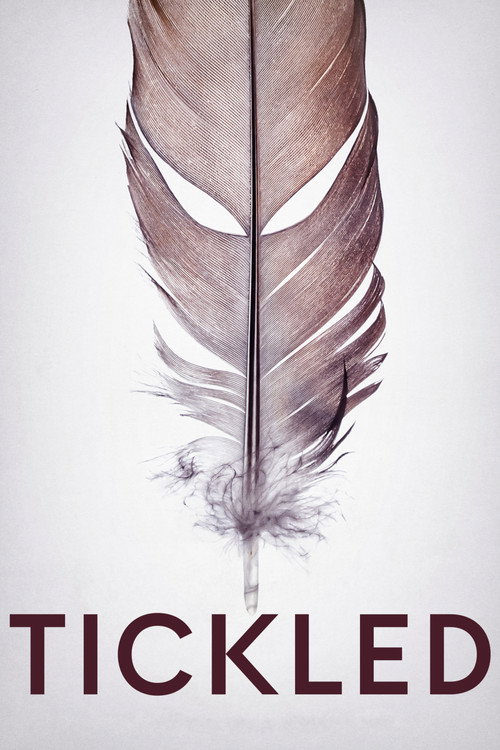
Tickled2016
A documentary that starts innocent and spirals into darkness—about obsession, humiliation, and what happens when someone's private world is weaponised. Utterly gripping and genuinely disturbing.
But It's deeply uncomfortable by design. The rabbit hole gets into territory that will unsettle you and raise questions the film can't fully answer.
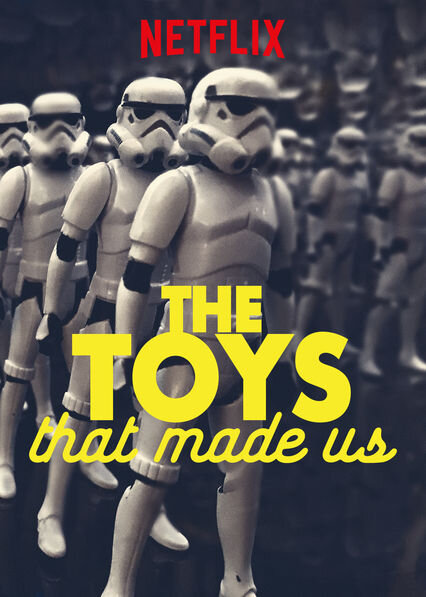
The Toys That Made Us2017
Each episode is a bite-sized story of how an empire was built. It's lighter than The Weight of Gold, but several episodes quietly explore obsession, childhood trauma, and the cost of creating something that outlives you.
But The episodes vary wildly in quality depending on the toy. Some feel like extended commercials. Nostalgia is the draw, which won't work if you don't have it.
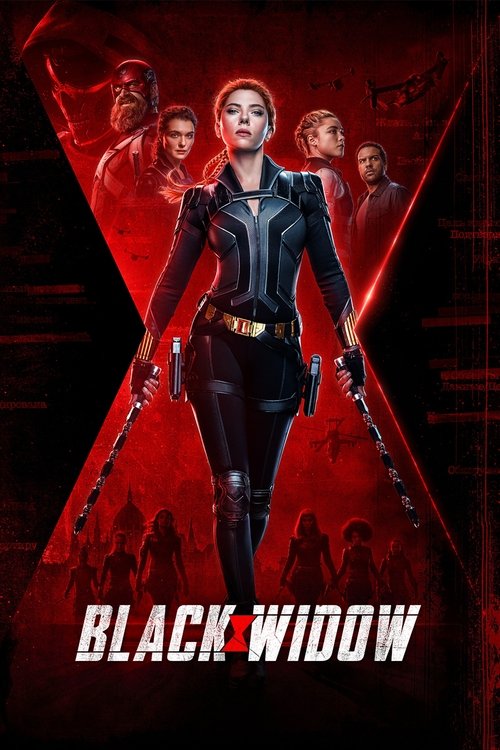
Black Widow2021
Both feature athletes/soldiers trained to be perfect machines, now confronting what their bodies and minds paid to get there. The conversation shifts from glory to recovery.
Natasha Romanoff returns home to face the mother who abused her. It's marketed as an action blockbuster but it's actually about intergenerational trauma and breaking cycles of control. Marvel cinema has rarely been this genuinely human about psychological damage.
But Superhero spectacle can feel hollow if you're expecting emotional depth. Some will resent the blockbuster window-dressing around material that deserves a smaller frame.
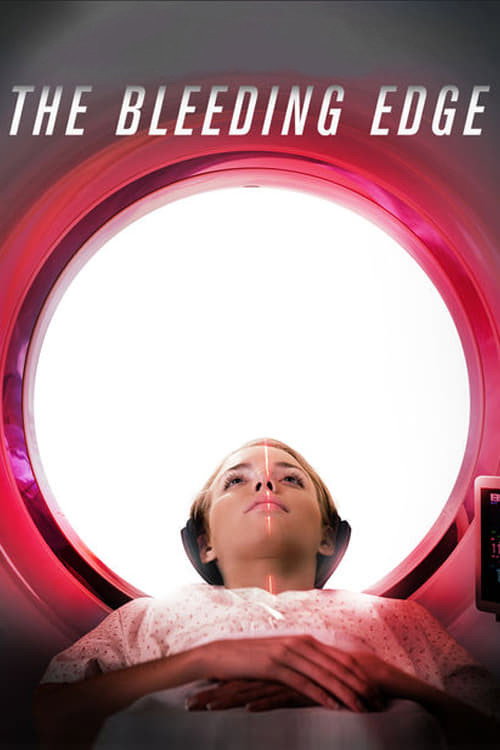
The Bleeding Edge2018
Both trace the invisible damage of pushing the body past its limits and the dangerous hope of technological salvation. The gold medal, the cure—both are mirages.
A man acquires a medical device that promises to cure his chronic pain. It's a dark sci-fi story about the desperation to escape your own body. Quietly terrifying in ways that resonate with anyone who's felt trapped by their physical self.
But It's deliberately bleak and the ending offers no relief. Body horror is real, and it's not the film's style to soften that or provide closure.
People
Cast
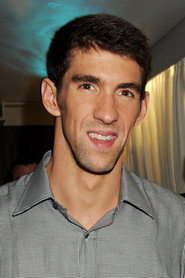 Michael PhelpsSelf
 Apolo OhnoSelf
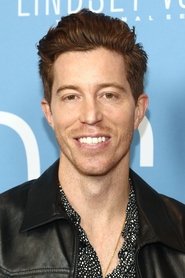 Shaun WhiteSelf
 Lolo JonesSelf
 Gracie GoldSelf
- Katie UhlaenderSelf
- Bode MillerSelf
- David BoudiaSelf
- Jeremy BloomSelf
 Sasha CohenSelf
Directing
- Brett RapkinDirector
Writing
- Aaron CohenWriter
- Brett RapkinWriter
Production
- Brett RapkinExecutive Producer
- Michael PhelpsExecutive Producer
- Ellyn Vander WydenProducer