
Film
Fed Up
Fed Up is a briskly argued documentary that traces America's obesity crisis to deliberate corporate manipulation and regulatory capture rather than personal failure. Katie Couric narrates an investigation into sugar, marketing, and institutional complicity. It's agitprop with real teeth—accessible without being dumbed down, angry without losing focus. For anyone who's been made to feel bad about eating.
Should you watch it?
Watch it if you enjoy a sharp, persuasive exposé that follows the money and the policy trail, and you don't mind being pushed toward a clear point of view while the evidence piles up.
Skip it if you want a balanced debate with the food industry given equal airtime, since this film makes its case from one side and rarely pauses to weigh the other arguments.
What it asks of you: Roughly ninety-five minutes of talking heads, school-cafeteria footage and family stories, moving briskly and steadily, with a stern, urgent edge rather than anything lighthearted.
Not sure? Find tonight's pick in a minute.
If you liked this
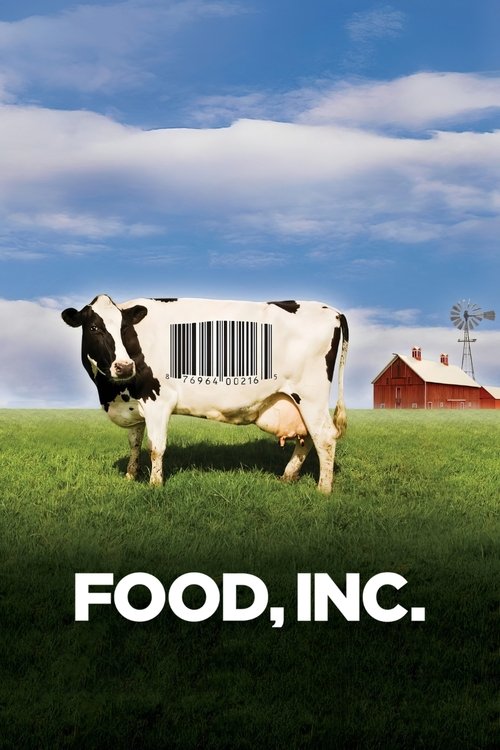
Food, Inc.2008
A comprehensive look at industrial agriculture and corporate consolidation that makes the same essential argument but casts a wider net. Covers pesticides, animal welfare, and labor alongside diet. Pollan appears in both, which tells you something about continuity of thought.
But Longer and less tightly focused. It can feel like several documentaries stacked together, and the pacing sometimes gets repetitive.
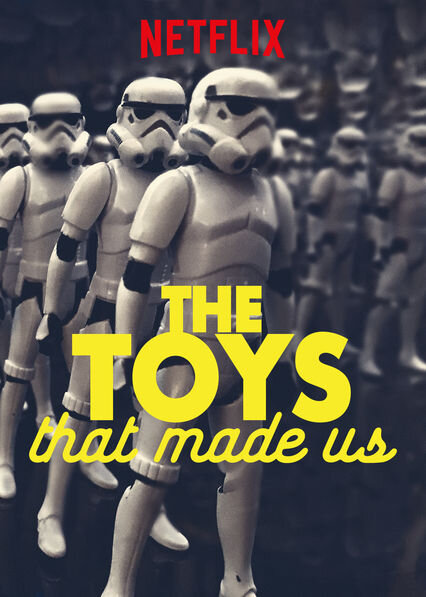
The Toys That Made Us2017
A model of how corporations engineer desire and identity in the young. The structural parallels to food marketing are striking—both exploit childhood vulnerability, both promise transformation, both obscure their actual product under layers of aspiration and myth.
But It's about a doll, not nutrition. The connection requires you to think sideways, and some viewers will resent the metaphorical jump.
The Big One1997
Proof that documentary polemic works best when it's willing to be messy, contradictory, and genuinely funny. Moore doesn't solve America, but he shows you how to look at systems of power with both anger and humor. Fed Up learned from this.
But Moore is polarizing. Some viewers will tune out the moment they recognize his style, fair or not.

Not sure tonight? Get a pick in a minute, starting from Fed Up
The wildcard
Something you would not have found on your own.
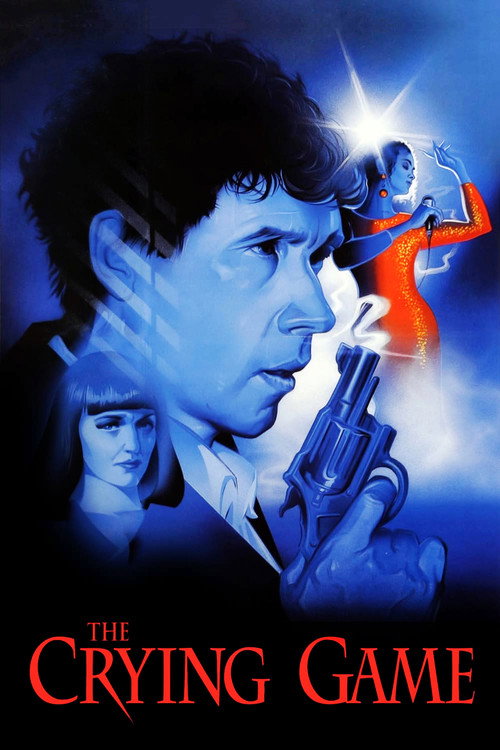
The Crying Game1992
Both are about institutional gaslighting—one corporate, one personal—and the vertiginous moment when you realize the story you've been told about yourself and the world is a lie.
A thriller about identity, deception, and what you believe about yourself versus what's been constructed for you. It's set in a completely different register—Irish paramilitaries, queer desire, betrayal—but it operates on the same DNA as Fed Up: the revelation that your entire framework was a con, and the disorientation that follows.
But The famous twist will likely be spoiled for you, and the film doesn't work as well once it is. Also: it's genuinely bleak, with no redemption or solution on offer.
More like this (7)
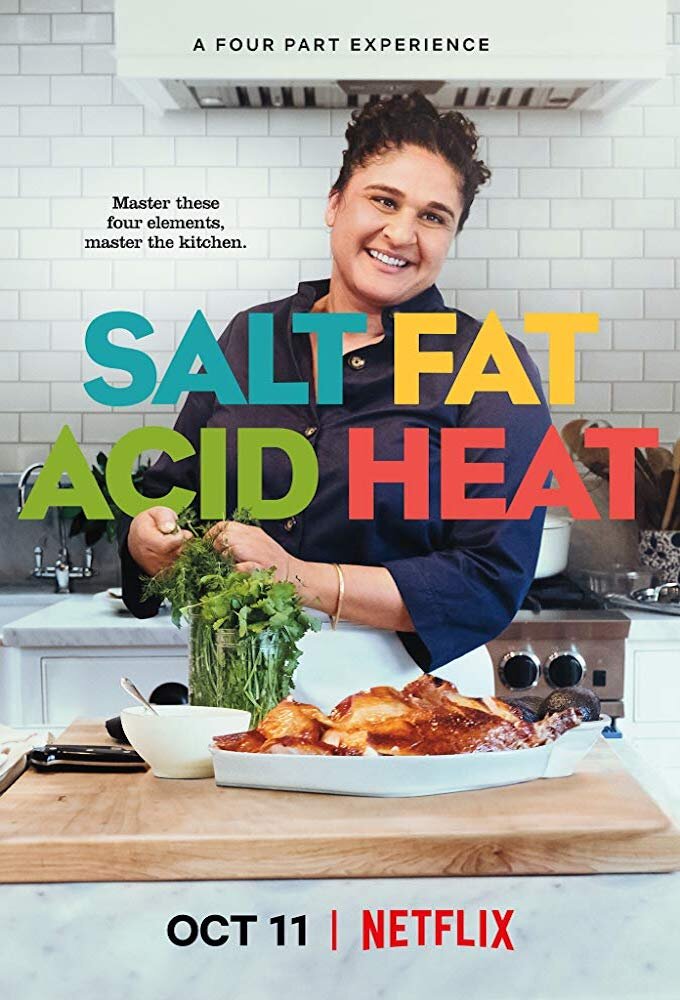
Salt Fat Acid Heat2018
Samin Nosrat teaches you how food actually works—not morally, not politically, just physically and chemically. It's an antidote to the fear-based messaging that both the industry and some documentaries rely on. You learn to cook instead of just to avoid.
But It sidesteps the systemic argument entirely. After Fed Up, some viewers will feel it's naive or complicit.
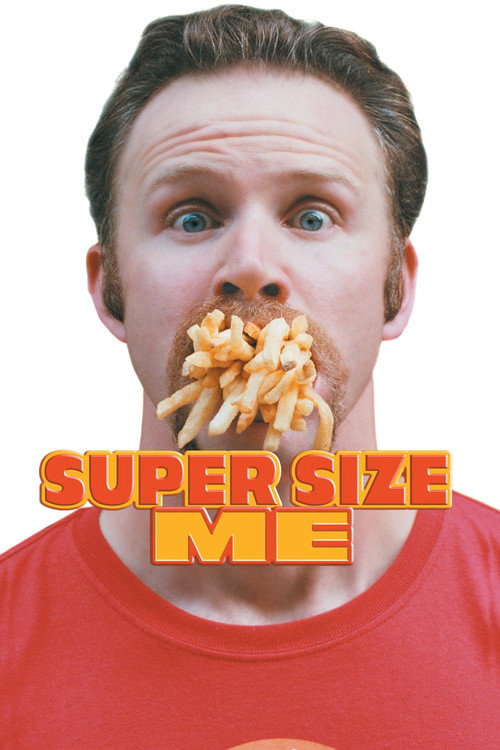
Super Size Me2004
An earlier, more provocative intervention in the same conversation. Morgan Spurlock eats McDonald's for thirty days and documents what happens. It's cruder than Fed Up but undeniably visceral, and it kick-started this whole documentary wave.
But The stunt format hasn't aged well. It feels dated, and some of his conclusions don't hold up to scrutiny.
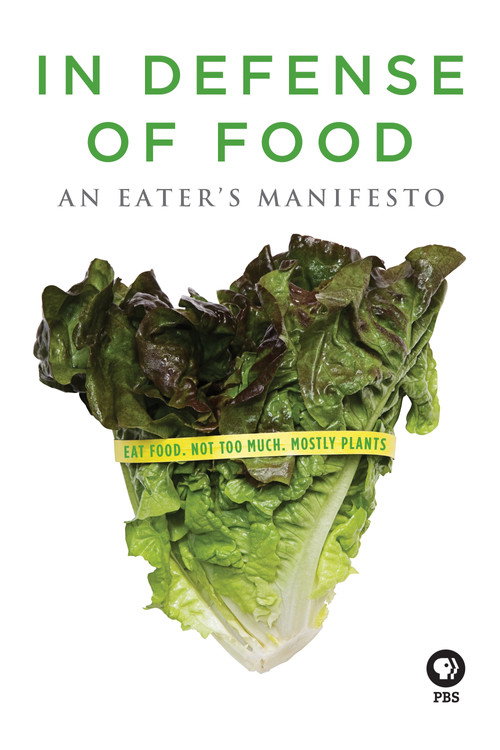
In Defense of Food2015
Based on Michael Pollan's manifesto, this series takes the analysis from Fed Up and asks what you actually do about it. It's solution-oriented without being preachy, and it focuses on pleasure and culture rather than restriction.
But Assumes access to farmers markets and time to cook. The advice works better if you have resources and geography on your side.
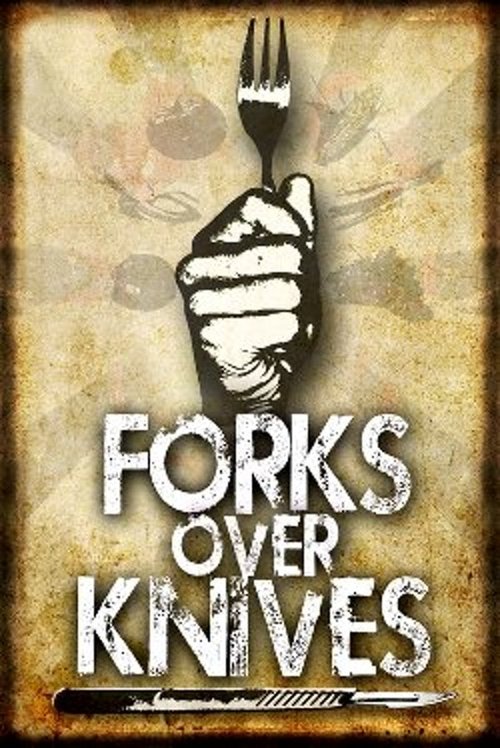
Forks Over Knives2011
Makes the case for a plant-based diet with the zeal of a convert documentary, citing studies and personal transformations. It shares Fed Up's institutional critique but adds a prescription—which some will find clarifying and others will find preachy.
But It's advocacy masquerading as neutrality. The cherry-picked evidence and conversion-narrative structure wear thin if you're skeptical.
The Biggest Loser2004
Reality TV about weight loss that seems vapid until you recognize it as a perfect illustration of Fed Up's central lie: that obesity is a personal failing solved by willpower. Watching people humiliate themselves on camera is inadvertently devastating social criticism.
But It's genuinely unpleasant to watch, and not always for the reasons the filmmakers intend. The misogyny and body-shaming can feel gratuitous.
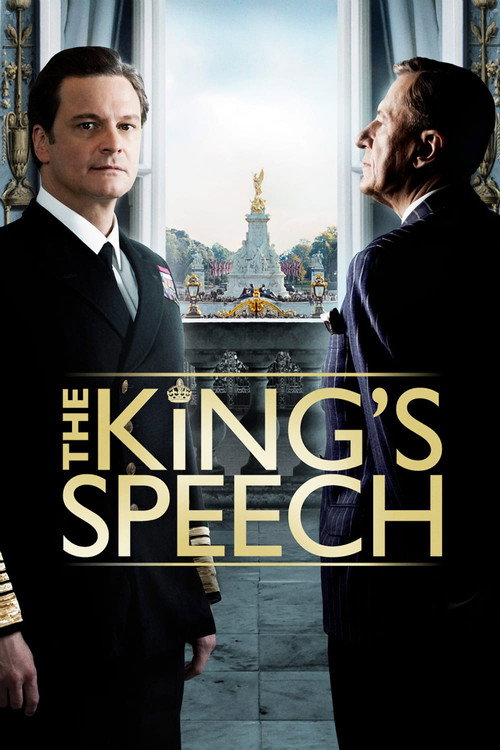
The King's Speech2010
Fed Up argues that institutional authority (government, medicine, food science as practiced by industry) has lied to you. The King's Speech argues that the same institutions have lied to you about yourself. Both films are about breaking free from an authorized narrative and trusting something outside the system.
A film about a man learning to communicate despite a stammer, with a therapist who breaks every rule in the book. It's a historical drama, often beautiful, sometimes funny. But its real power comes from the idea that official institutions—monarchy, the BBC, tradition itself—can be wrong, and that healing requires rejecting their script.
But It's a prestige British drama with a royal subject. Some viewers will assume it's for people who like crowns and formality, which is exactly the opposite of what it is.
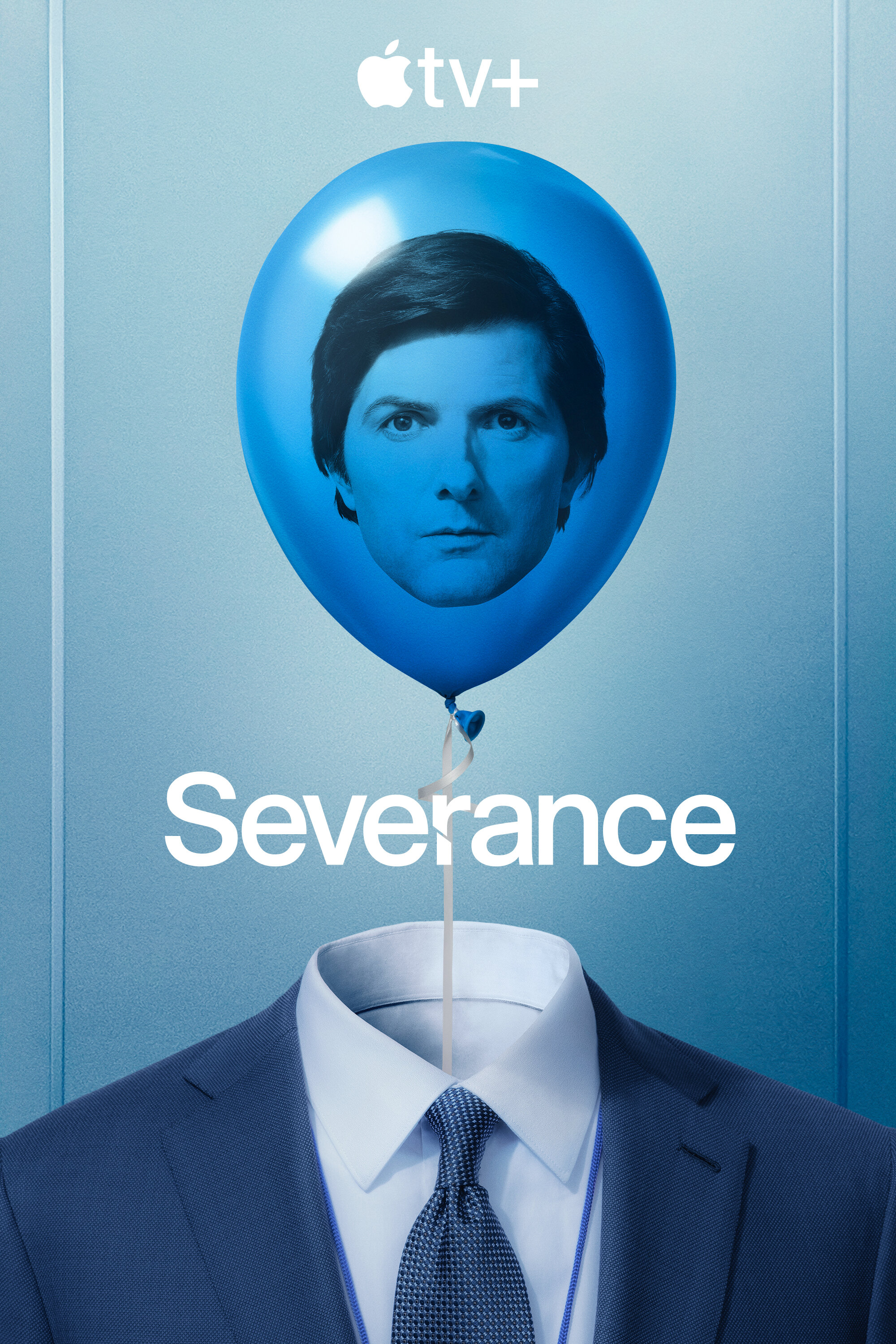
Severance2022
Fed Up shows how a system exploits your body. Severance shows how a system exploits your mind and time. Both propose that the violation is often invisible until you're told to look sideways at it.
A science fiction series where workers are surgically split into two versions: one who works, one who lives. It's formally ingenious and genuinely unsettling. But it's really about what it means when a system extracts your labor, your attention, your time in ways you don't fully consent to or understand. The horror accumulates quietly.
But It's deliberately slow and oblique. If you want answers, you won't get them. The second season hangs unresolved. Patience is required.
People
Cast
 Katie CouricNarrator
 Michael PollanSelf
 Bill ClintonSelf
 Tom VilsackSelf
- Kelly BrownellSelf
- Michele SimonSelf
Directing
- Stephanie SoechtigDirector
Writing
- Mark MonroeWriter
- Stephanie SoechtigWriter
Recommended by
Super Size Me, That Sugar Film, Forks Over Knives, Fat, Sick & Nearly Dead, The Persuaders, Soul Food Junkies, The Business of Being Born, What the Health, The Game Changers, The Magic Pill, Eating You Alive, In Defense of Food, The Men Who Made Us Fat, Taste the Waste, The Beautiful Truth, The Motivation Factor: to Become Smart, Productive & Mentally Stable