
Television series
The Biggest Loser
The Biggest Loser is a competition show where overweight contestants live together, train intensely, and compete to lose the most weight. It's part transformation narrative, part game show—high stakes, emotionally manipulative, and hypnotic for viewers who want to see dramatic physical change. For people drawn to extreme makeover narratives and the particular appeal of watching someone's determination reshape their body over weeks.
Should you watch it?
Watch it if you love reality competitions built on coaching, team loyalty and public accountability, and you don't mind watching strangers sweat through the same formula week after week.
Skip it if you find public weigh-ins and tearful confessionals grating, or you want stories that aren't built around a number on a scale.
What it asks of you: Episodes run about an hour, and a single season unspools over weeks of weekly viewing, so it rewards patience with its repetition and a settled, unhurried rhythm.
Not sure? Find tonight's pick in a minute.
If you liked this
Queer Eye2018
Five experts renovate someone's life across all dimensions—physical, emotional, social, spiritual. Each episode is a complete transformation arc with genuine stakes and real people whose lives change in tangible ways.
But It's slower and kinder than Biggest Loser; no competition, no elimination, no melodrama designed to make you watch the scale. Some find it saccharine.

The Great British Bake Off2010
A competition show where people attempt difficult tasks under pressure and are judged by experts. Hugely addictive, wonderfully shot, and genuinely focuses on the contestants as humans rather than narrative fuel.
But No physical transformation or life-changing stakes—it's just baking. If you need the emotional weight of real suffering to stay engaged, this won't provide it.

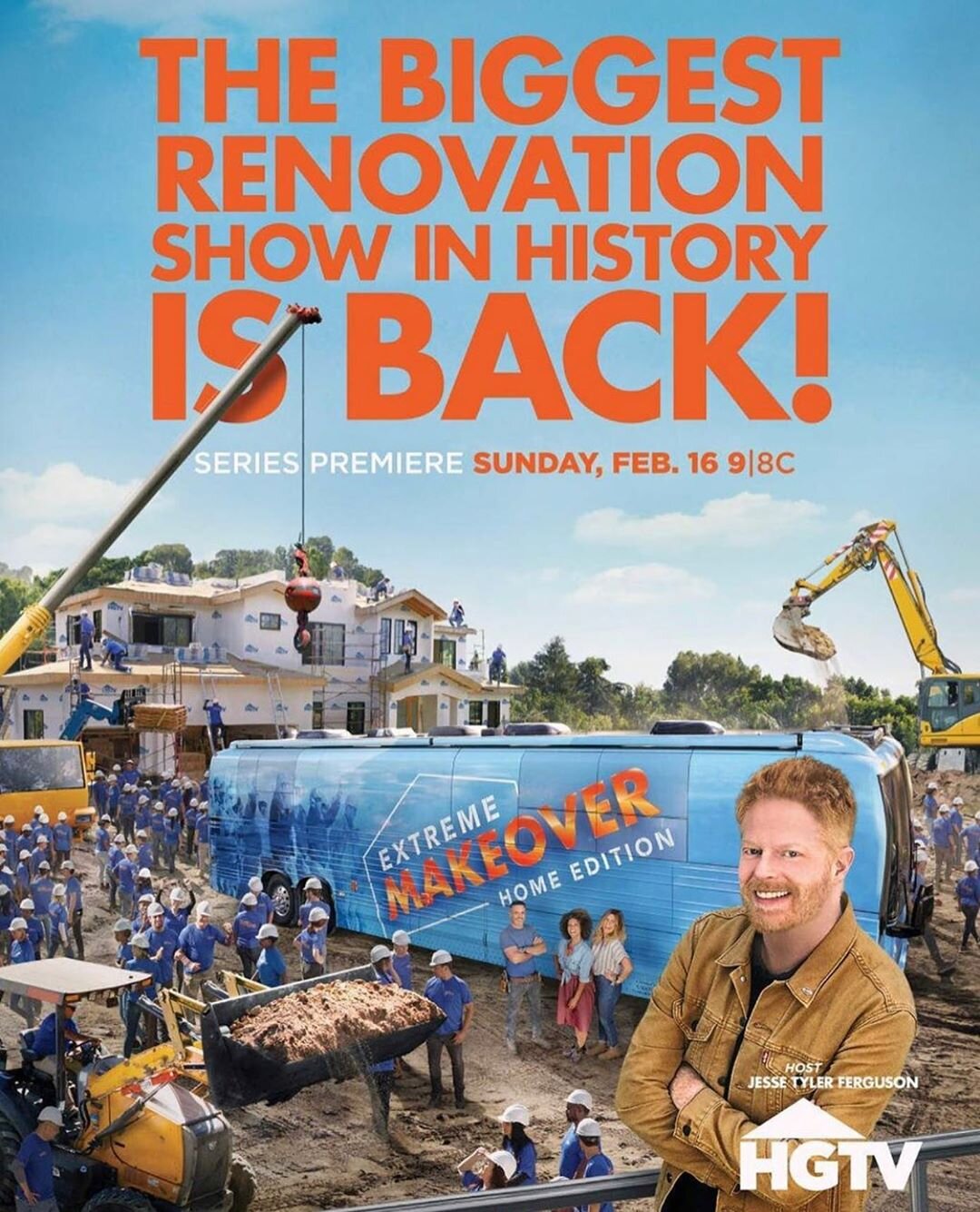
Extreme Makeover: Home Edition2004
A family's entire house is rebuilt in a week by design experts and volunteers. Same DNA as Biggest Loser—dramatic before-and-after, emotional payoff, a team working toward one person's better life.
But The sentimentality is laid on thick, and the episodes are formulaic. You'll know exactly when to expect the tears.
Not sure tonight? Get a pick in a minute, starting from The Biggest Loser
The wildcard
Something you would not have found on your own.
Eating Animals2018
Explores the psychological machinery behind body obsession, the shame and reward cycles, and the ethics of before-and-after transformation—asking the questions Biggest Loser never does.
A documentary following people's relationships with food and bodies. Some entries examine extreme fitness culture and body obsession with the same intensity Biggest Loser brings to transformation, but as critique rather than celebration.
But It's scattered and sometimes preaches. The production values are modest. If you're watching Biggest Loser for the inspiring montages and transformation porn, this will feel like homework.
More like this (6)
Born This Way2015
A documentary series following young people with Down syndrome as they navigate daily life, relationships, work, and independence. It finds drama in real stakes without manufacturing competition or cruelty.
But There's no villain to root against, no clear winner, no ticking clock. It asks you to find meaning in ordinary struggle, not spectacle.

The Swan2004
Contestants receive cosmetic surgery and a lifestyle overhaul, then compete for a prize. Unabashedly shallow and focused on external transformation—pure Biggest Loser energy but condensed and slightly less psychologically complex.
But Morally indefensible by modern standards. It assumes physical transformation equals happiness and celebrates surgical alteration without irony. Watching it now feels uncomfortable.

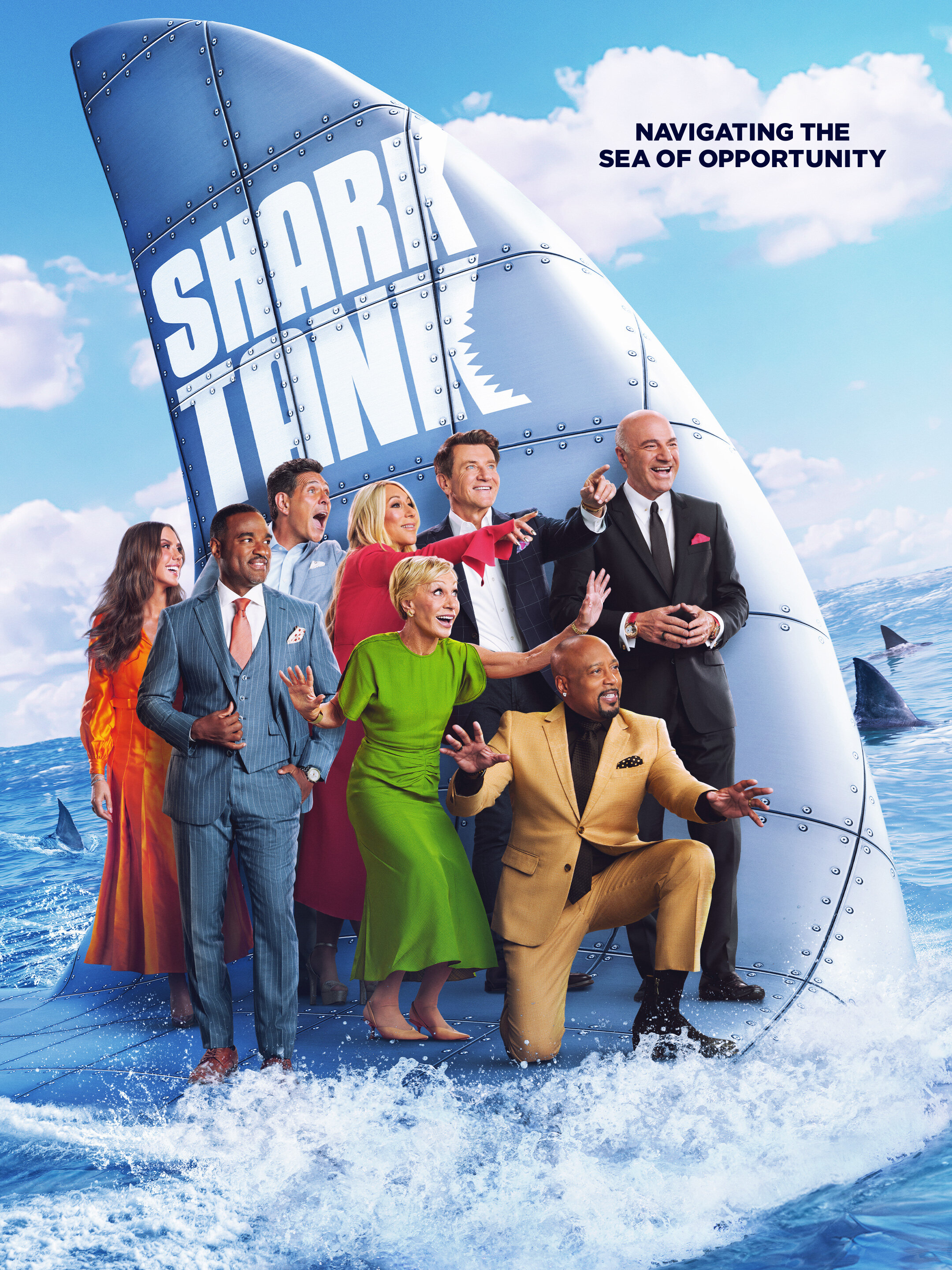
Shark Tank2009
Entrepreneurs pitch their business ideas to wealthy investors. The formula—ordinary people in high-stakes situations being judged—mirrors Biggest Loser's structure, but stakes are financial rather than physical.
But No personal transformation arc. If you need to see someone's life actually change, this is just negotiations and deals.
My 600-Lb. Life2012
A documentary series following people seeking weight-loss surgery. It's unflinching about addiction, family dysfunction, and the psychology behind extreme obesity—grimmer and more honest than Biggest Loser.
But Deeply sad. Many episodes end with people failing to change and dying. There's no uplifting music, no redemption arc guarantee, just human struggle and often tragedy.

Nailed It!2018
Amateur bakers attempt complicated recipes under time pressure and are judged on results. It's a competition show with the same addictive structure as Biggest Loser but emphasizes humor and self-deprecation over suffering.
But It's light and silly; there's no sense of real consequence or life-changing stakes. Pure entertainment with no depth beneath the format.

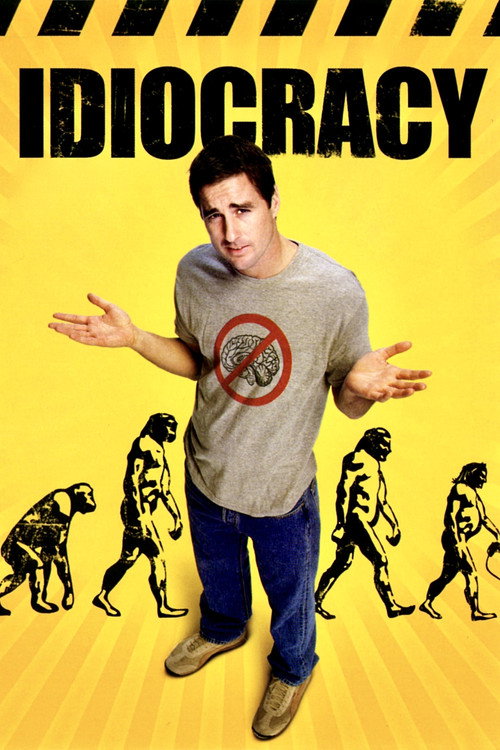
Idiocracy2006
The inverse thesis: where Biggest Loser treats weight loss as urgent moral good and spectacle, Idiocracy examines the cultural anxieties and assumptions baked into that transformation narrative.
A satirical science-fiction comedy where a man wakes in a future where obesity is universal and normalized. It's sharp about American culture, food, and body image—using dystopia to make points about the values embedded in transformation TV.
But It's cynical and uneven. The satire lands like a sledgehammer. If you enjoy the earnestness of Biggest Loser, this will feel mean-spirited toward its targets.
People
Cast

 Alison SweeneyHost


 Caroline RheaHost






- Bob HarperHost
Production
- Holly HinesAssociate Producer
- David BroomeExecutive Producer
Recommended by
Fed Up, Fat, Sick & Nearly Dead, Race Across the World, My 600-Lb. Life, The Game Changers, Eating You Alive, The Swan, The Motivation Factor: to Become Smart, Productive & Mentally Stable