
Film
Eating Animals
A documentary based on Jonathan Safran Foer's book, examining industrial agriculture through personal, ethical and environmental lenses. It combines interviews, undercover footage and Foer's own journey from omnivore to vegetarian. Visually inventive for the subject matter, it's aimed at anyone willing to question where their food comes from without being lectured.
Should you watch it?
Watch it if you enjoy a patient, reasoned argument about how food gets made, one that mixes personal reflection with investigative reporting and asks you to think rather than just feel guilty.
Skip it if you want a balanced debate or a full survey of the food industry; this is openly persuasive, and its moral pressure can feel heavy-handed.
What it asks of you: Ninety-four minutes of talky inquiry with stretches of interview and reflection; it wants patience more than pace, and it stays with uncomfortable ideas rather than rushing past them.
Not sure? Find tonight's pick in a minute.
If you liked this
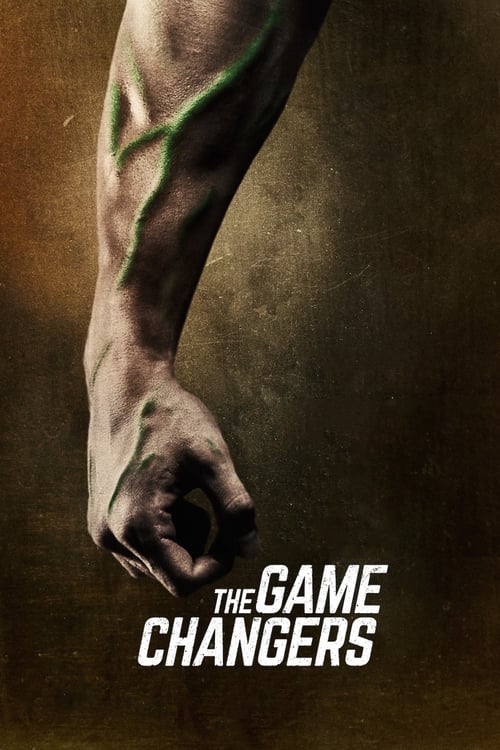
The Game Changers2019
Focuses on athletic performance and health rather than ethics alone, featuring elite athletes thriving on plant-based diets. A more hopeful entry point if moral arguments feel preachy.
But Some nutritional claims are disputed by actual scientists, and it leans heavily on inspiration-porn storytelling.
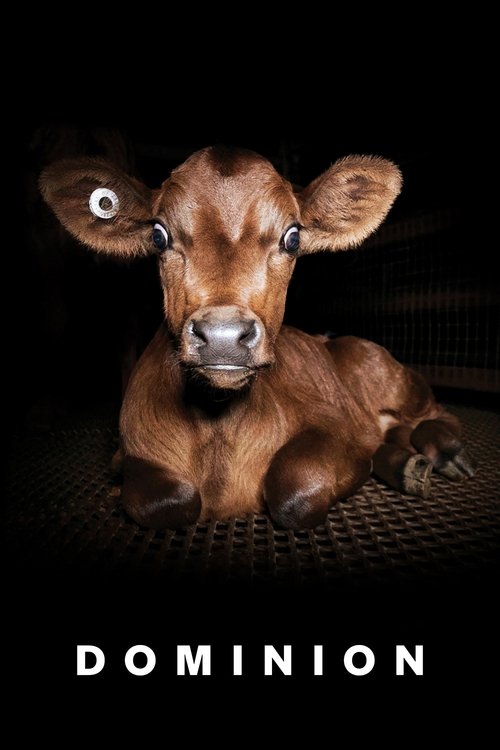
Dominion2018
An unflinching look at animal agriculture's scale and mechanics. Made in the same year, similarly committed to showing rather than telling, with stunning cinematography in deeply uncomfortable contexts.
But Relentlessly bleak with no narrative softening. This is not a film that offers you an escape hatch or a feel-good angle.
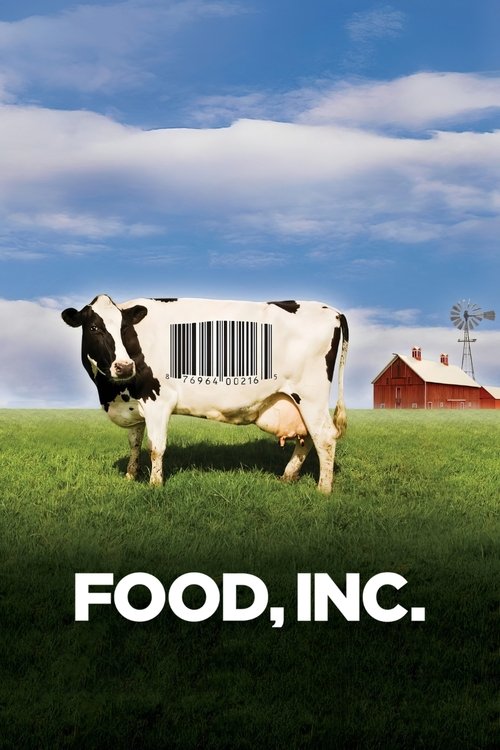
Food, Inc.2008
The broader systems documentary, tracing industrial agriculture's economic architecture. Explores how subsidy and consolidation shape what we eat, which reframes the whole conversation.
But Older now, and sometimes feels more interested in its own cleverness than its subject. Can slide into didacticism.
Not sure tonight? Get a pick in a minute, starting from Eating Animals
The wildcard
Something you would not have found on your own.
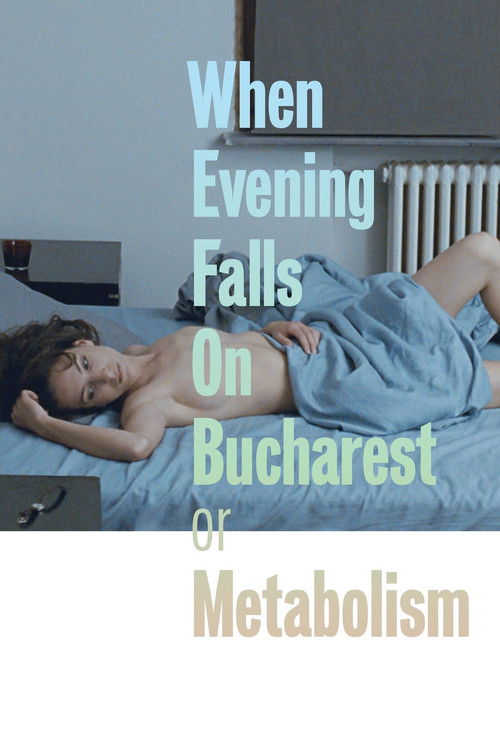
When Evening Falls on Bucharest or Metabolism2013
Both use images of what we consume to ask who profits and who pays. Eating Animals asks the question plainly; Metabolisme asks it through fractured cinema.
A visual essay about metabolism, consumption and bodies in Japan, made by Jean-Luc Godard in his late experimental period. It connects food to capitalism and image-making in ways that are oblique, poetic, and genuinely strange.
But Not a conventional documentary. No narration, puzzling structure, and assumed familiarity with Godard's ideas. Will frustrate anyone looking for clarity.
More like this (7)
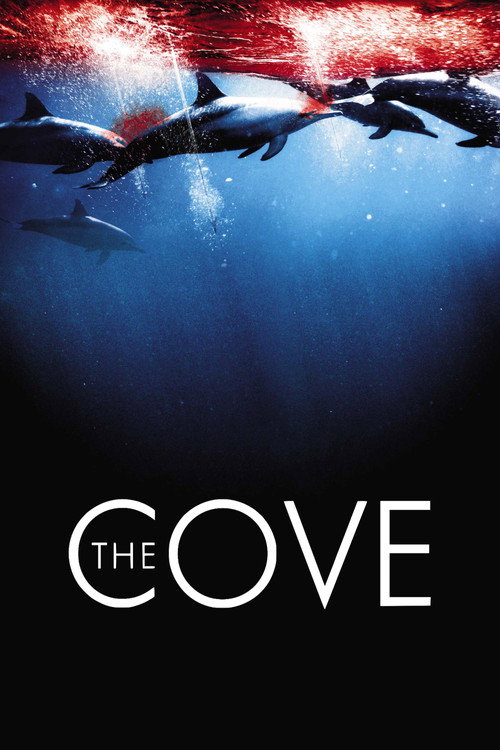
The Cove2009
Documentary thriller about dolphin hunting in Japan. Has the visual storytelling energy and moral clarity you'll recognize, focused on one specific atrocity rather than sprawling systems.
But The activism is sometimes at odds with nuance, and it risks reducing a complex issue to a villain narrative.
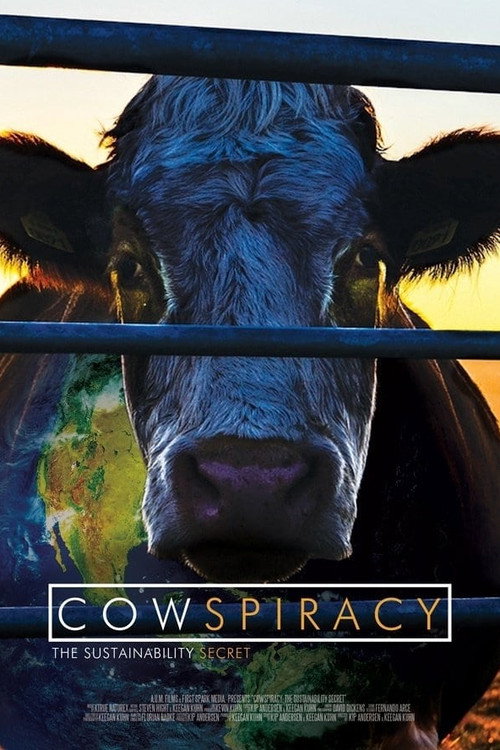
Cowspiracy: The Sustainability Secret2014
Argues that animal agriculture is the planet's largest environmental threat. Visually clean, briskly paced, and genuinely interested in the environmental math beneath the ethics.
But Makes sweeping claims that environmental scientists have pushback on. The certainty can feel unearned.
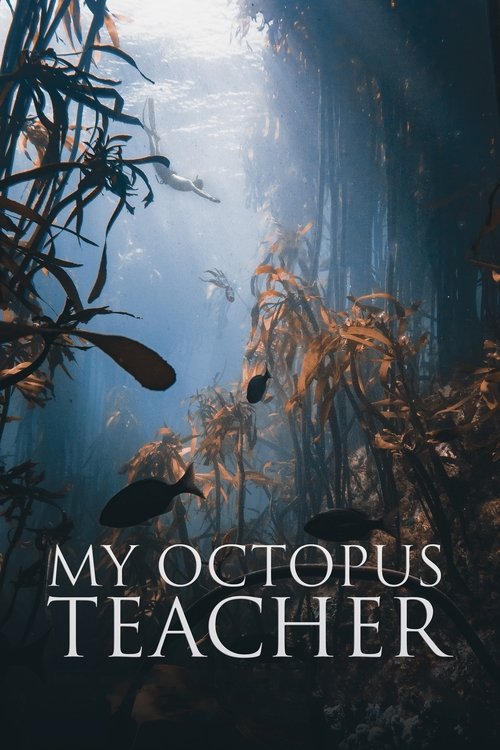
My Octopus Teacher2020
A quiet, tender documentary about an underwater relationship. Different tone entirely—meditative instead of urgent—but carries the same deep attention to non-human life.
But Deeply personal and small-scale, so it won't scratch an itch for systemic critique or moral argument.
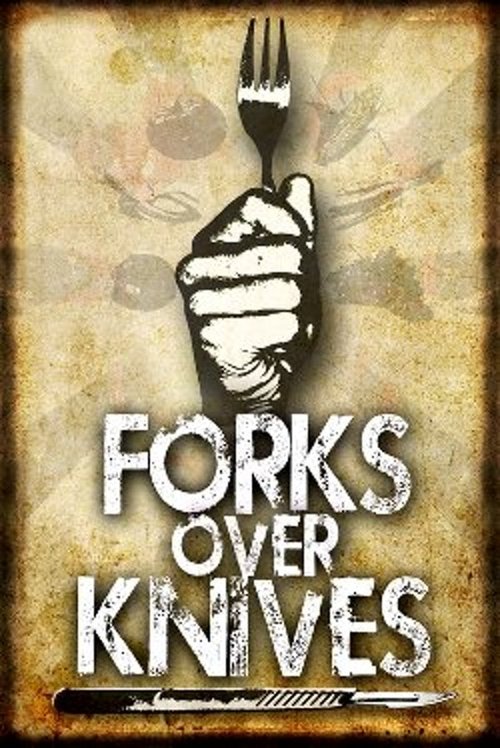
Forks Over Knives2011
Medical and nutritional focus on plant-based eating, with research and longitudinal data. Appeals to the health-conscious even if ethics leave you unmoved.
But Cherry-picks studies and ignores counterargument. The science is more contested than it presents.
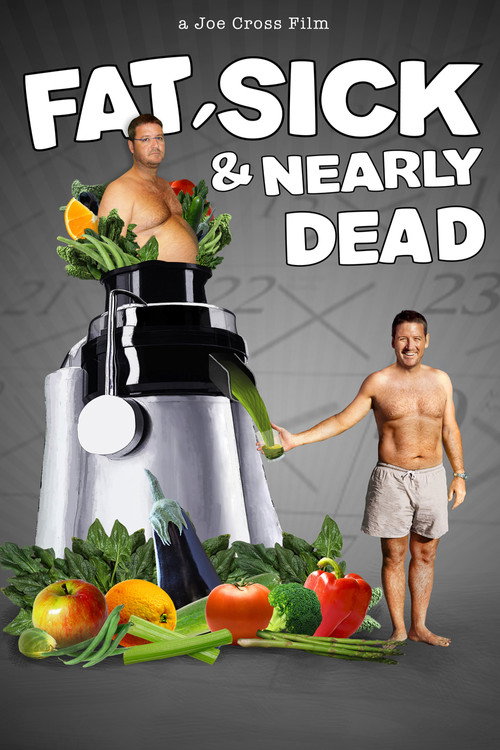
Fat, Sick & Nearly Dead2010
Personal journey documentary: a man travels across America in a truck, juicing his way toward health. The warmth and humour keep it from feeling punitive about food choices.
But Extremely dated aesthetically and the health claims are not universally supported. Feels like wellness marketing from another era.
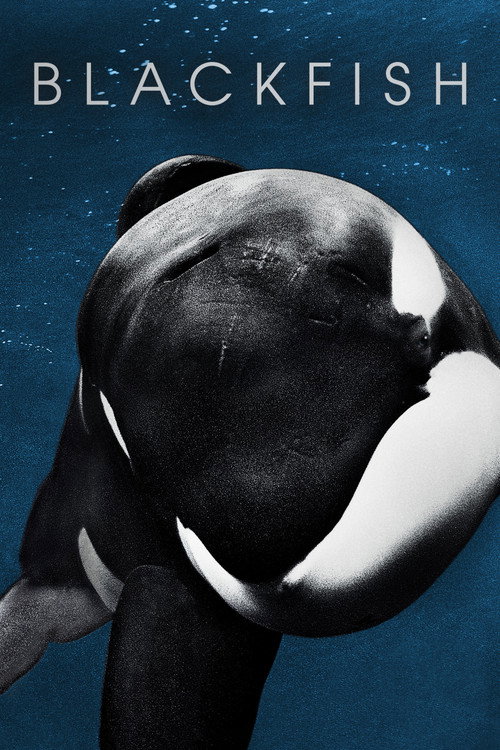
Blackfish2013
Both document industrialized confinement and the violence baked into profiting from living bodies, but Blackfish is an intimate tragedy where Eating Animals is a systems essay.
An investigation into orca captivity at SeaWorld. Feels like a different genre entirely—part true crime, part tragedy—because it's structured around a specific animal and specific deaths rather than systems.
But The editing has been criticized for selective storytelling, and it's become somewhat dated as the conversation moved on without SeaWorld.
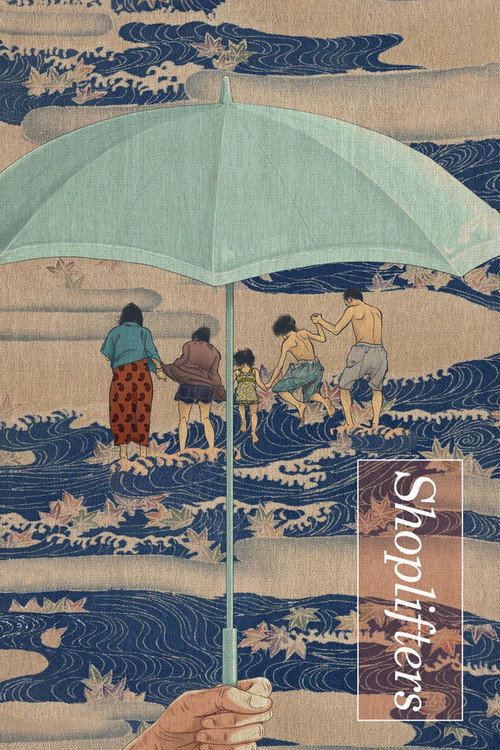
Shoplifters2018
Both are 2018 examinations of labor, survival and systems of exploitation. Eating Animals traces where food comes from; Shoplifters shows who picks it and what they're paid.
A family in Tokyo survives through petty theft and low-wage work, including as agricultural laborers. Not a documentary, but a narrative drama that asks what poverty makes necessary. A mirror to the question of how food gets to tables.
But Released the same year and easy to miss entirely. Fiction rather than argument, so it won't directly answer your questions about food systems.
People
Directing
- Christopher Dillon QuinnDirector
Writing
Production
- Hana WuerkerAssociate Producer
- Jon LevinCo-Executive Producer
- Paris Kassidokostas-LatsisCo-Executive Producer
- Terry DougasCo-Executive Producer
- William BettmanCo-Executive Producer
- Sandra KeatsCo-Producer
- Jennifer BarronsConsulting Producer
- Biz StoneExecutive Producer
- Evan WilliamsExecutive Producer
- Geralyn White DreyfousExecutive Producer
- Regina K. ScullyExecutive Producer
- Wallis AnnenbergExecutive Producer
- Christopher Dillon QuinnProducer
- Jonathan Safran FoerProducer
- Natalie PortmanProducer