
Television series
The Men Who Made Us Fat
Jacques Peretti investigates how corporate decisions and marketing transformed global eating habits, tracing the roots of today's obesity crisis back to 1970s America. Rigorous and accessible, this three-part series unpicks the machinery of food industry influence with the precision of a detective and the clarity of a friend explaining something infuriating. Essential viewing for anyone who eats.
Should you watch it?
Watch it if you like investigative documentaries that follow the money and the boardroom decisions behind everyday habits, and you enjoy being quietly angry at a well-built argument.
Skip it if you expect a balanced survey of nutrition science, since this is a prosecution-style argument with one presenter steering every step.
What it asks of you: Three hour-long parts that want steady attention and a willingness to follow a chain of cause and effect; it moves briskly and rarely lets the mood breathe.
Not sure? Find tonight's pick in a minute.
If you liked this
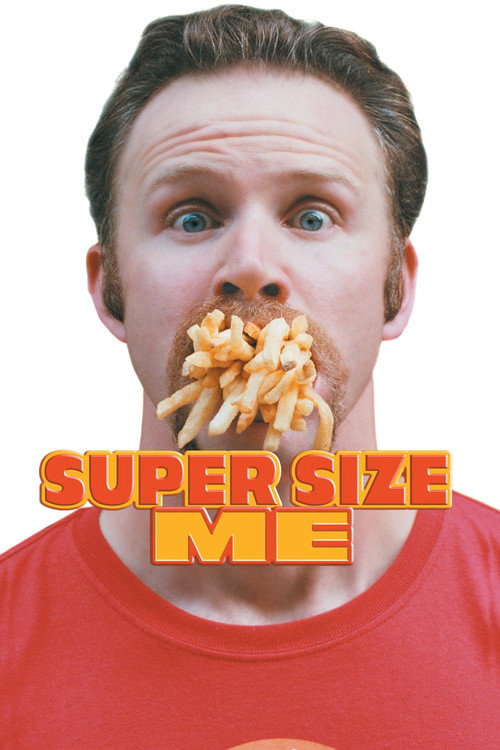
Super Size Me2004
Morgan Spurlock eats McDonald's for 30 days and documents the physical and emotional toll. It's a visceral, darkly funny personal experiment that made the food industry sit up and pay attention.
But The outcome is somewhat predictable, and the film's prescriptive tone can feel a bit hectoring by the end.
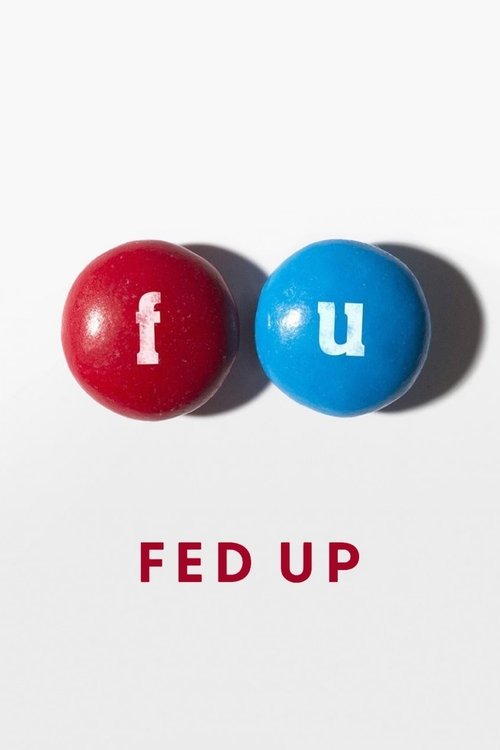
Fed Up2014
Katie Couric narrates this comprehensive look at sugar's role in the obesity epidemic, interviewing children, scientists, and former food executives. It connects the dots Peretti sets up and goes deeper into the biochemistry.
But It's quite US-focused, and some viewers find the pacing slow and the solutions vague.
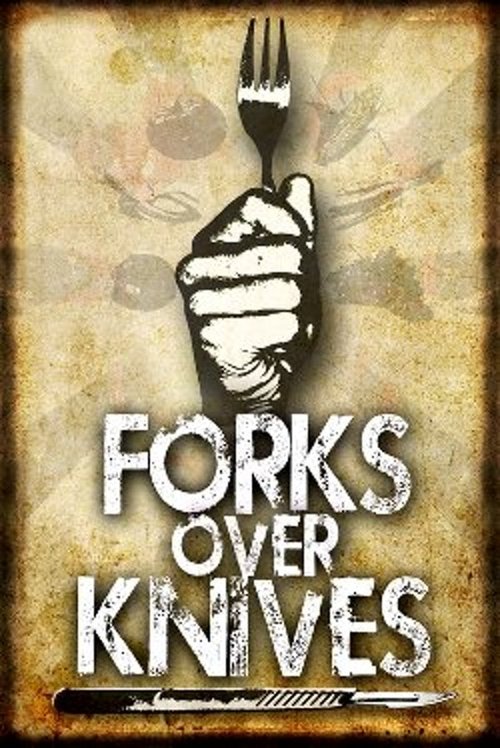
Forks Over Knives2011
A documentary examining the link between animal-based diets and chronic disease, following doctors and patients as they adopt plant-based eating. Thoughtful and evidence-driven, without being sanctimonious.
But The dietary argument is fairly one-sided, and some of the personal transformations feel a bit constructed for narrative impact.
Not sure tonight? Get a pick in a minute, starting from The Men Who Made Us Fat
The wildcard
Something you would not have found on your own.
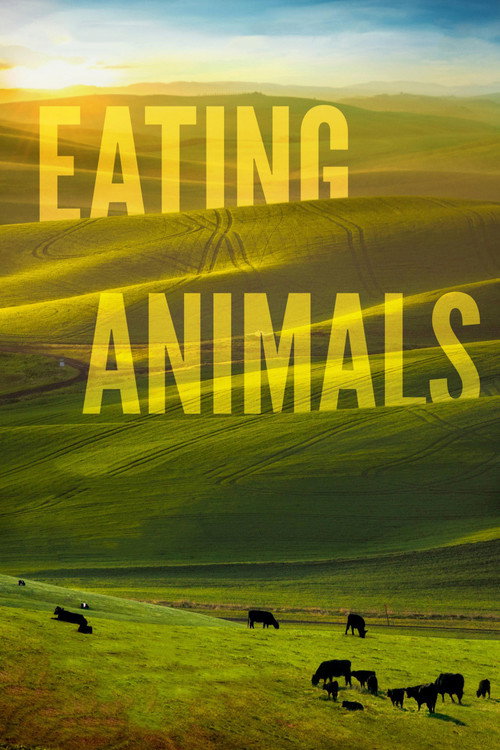
Eating Animals2018
Both expose the machinery behind normalized food choices, but this one pushes past diet and health into the actual systems and creaturely suffering that profit demands.
An animated documentary based on Jonathan Safran Foer's book, exploring industrial meat production through gorgeous, disturbing visuals. It connects food industry practices to environmental and ethical collapse in ways Peretti only hints at.
But The animation can feel decorative around material that's genuinely dark. Some find the ethical arguments abstract and alienating.
More like this (5)
Gamechangers: Dreams of BlizzCon2018
James Wilks examines athletic performance and plant-based diets through interviews with athletes, scientists, and yes, Arnold Schwarzenegger. Visually engaging and questions conventional sports nutrition wisdom.
But It has a particular agenda and cherry-picks data. The tone tilts toward propaganda in stretches.

The Trap: What Happened to Our Dream of Freedom2007
Adam Curtis explores how 20th-century ideology shaped modern life, including corporate control and the illusion of choice. Epic in scope, unsettling, and makes you rethink systems you thought were natural.
But Curtis's style is dense and associative—you need to think while watching. Some connections feel obscure on first viewing.
A Place at the Table2012
Examines food insecurity and hunger in America, interviewing families, activists, and policymakers. It broadens the conversation beyond obesity to ask who gets fed and why.
But The film is earnest to the point of heaviness, and solutions feel distant. Some viewers find it demoralizing without being clarifying.
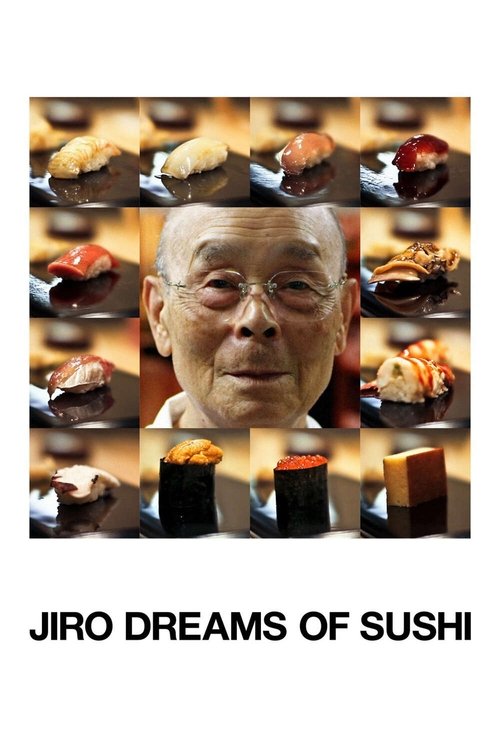
Jiro Dreams of Sushi2011
Where Peretti shows us food engineered for profit and scale, Jiro shows food crafted for meaning and mastery. The same human activity, inverted in every way.
A meditative portrait of an 85-year-old sushi master obsessed with perfecting his craft. It's the antithesis of industrial food—intimate, intentional, and beautiful. Watching it is like experiencing the opposite of fast food.
But It moves very slowly and asks you to care deeply about incremental refinement. If you want momentum or outrage, you'll be frustrated.
Synecdoche, New York2008
Peretti documents the machinery that made us fat; Kaufman shows the uncanny feeling of being inside a structure that's become its own world. Both ask: how did we get trapped here, and who's responsible?
Charlie Kaufman's fever dream about a theatre director building a life-sized replica of New York inside a warehouse. It's oblique, but the film is fundamentally about how systems grow beyond our control and how we're all contained by structures we didn't choose.
But It's willfully strange, repetitive, and doesn't explain itself. Many people find it pretentious or simply baffling on first watch.

People
Cast
 Jacques PerettiPresenter