
Television series
The Swan
The Swan is a makeover competition where women undergo three-month physical and psychological transformations overseen by teams of specialists, culminating in a pageant. It's uncomfortably fascinating—part self-help fantasy, part ethical minefield—and absolutely of its time. For viewers curious about early 2000s reality TV at its most audacious and troubling.
Should you watch it?
Watch it if you are fascinated by how reality television turns private insecurity into spectacle and want to watch the machinery of a makeover show run at full, uncomfortable volume.
Skip it if you find surgery-as-prize and women graded on their bodies more grim than gripping, since the format leans on that judgment in every episode.
What it asks of you: Its hour-long episodes stack up over two seasons, and it stays close to each woman's body and self-doubt, so expect sustained, unvarnished attention rather than breezy escapism.
Not sure? Find tonight's pick in a minute.
If you liked this
Extreme Makeover2002
The spiritual cousin to The Swan, this makeover show offers the same before-and-after spectacle with slightly more restraint. It captures the same era's obsession with total life renovation through appearance and attitude adjustment.
But Less psychologically invasive than The Swan, which means it's also less dramatically compelling. The format feels safer, which can read as less interesting.
America's Next Top Model2003
Tyra Banks' iconic competition has that same transformative energy and pageantry, with contestants competing for validation and a crown. It's equally fixated on appearance and personal reinvention, just filtered through fashion rather than life coaching.
But It's a modeling competition first and foremost, so if you're not interested in fashion, the stakes feel narrower than The Swan's broader life-change promise.

What Not to Wear2003
A style expert and psychologist remake women's wardrobes and lives. It shares The Swan's belief that appearance is destiny, plus that voyeuristic thrill of watching someone's insecurities get weaponized for entertainment.
But British restraint means it never gets as psychologically raw or visually dramatic as The Swan's three-month overhaul and mirror-denial setup.
Not sure tonight? Get a pick in a minute, starting from The Swan
The wildcard
Something you would not have found on your own.
Shallow Hal2001
Both use physical transformation as a moral thought experiment about what actually matters and whether changing appearance changes destiny.
A Farrelly Brothers comedy where a shallow man falls for a plus-size woman after hypnosis makes him see inner beauty as physical beauty. It's about how arbitrarily we construct attractiveness, and whether changing how someone *looks* changes who they *are*—which is exactly The Swan's unspoken question.
But It's a Farrelly Brothers comedy, which means crude humor and a lightness that might feel offensive given the subject matter. The resolution is painfully simplistic.
More like this (6)
The Real Housewives of Orange County2006
Reality TV at its most unfiltered, watching women navigate appearance, status, and reinvention. The same era's fascination with female transformation, just without the makeover framework—these women are doing it themselves.
But It's a very different beast—less structured, more chaotic, and concerned with drama rather than inspiration or self-improvement narratives.
Extreme Makeover: Home Edition2004
Same network, same era, same belief that total transformation solves life's problems. Trades personal appearance for actual houses, but the emotional architecture is identical: chaos to perfection in a week.
But It's designed to be heartwarming rather than uncomfortable, which removes the queasy fascination that made The Swan memorable.

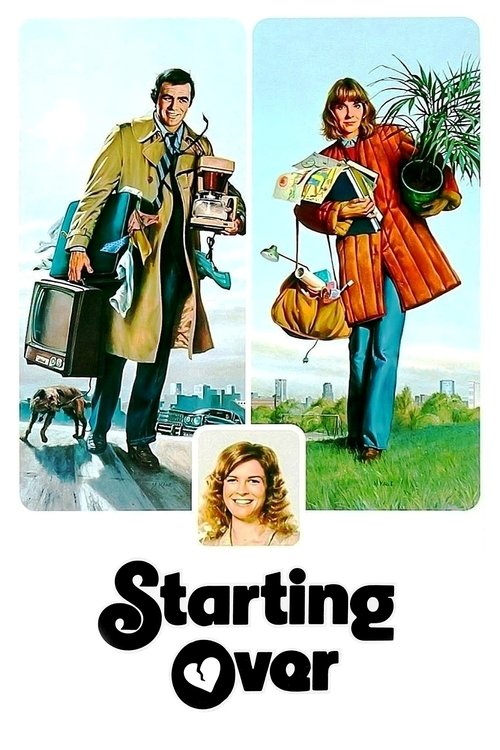
Starting Over1979
Women live in a house while life coaches remake their entire existence—career, relationships, self-esteem. It's The Swan without the cosmetic surgery, which means it's all psychology and no visual payoff.
But Without the spectacle of physical transformation, it can feel slower and more therapy-session than game show.
The Biggest Loser2004
Contestants transform their bodies under expert supervision, competing for a prize. Same era, same logic: the right specialists plus competition equals complete reinvention. More sustainable than The Swan's approach, which is interesting by contrast.
But The transformation is gradual across weeks rather than withheld and revealed all at once, so it lacks The Swan's theatrical climax.
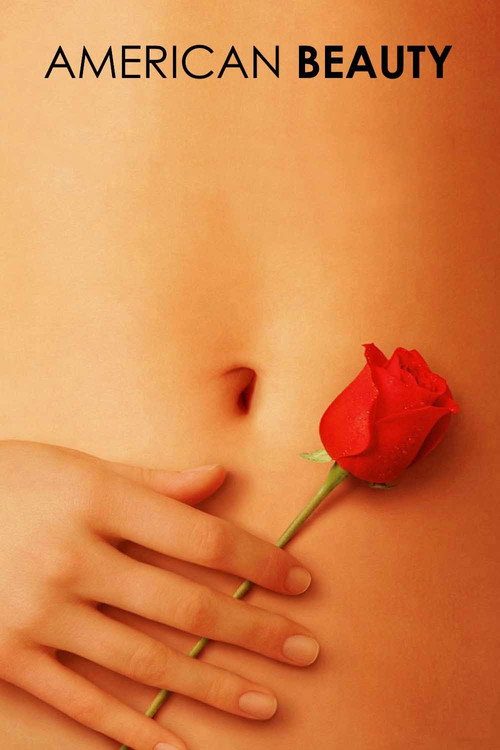
American Beauty1999
Both examine the fantasy that total self-reinvention solves your actual problems, but American Beauty shows what that fantasy costs.
A suburban man undergoes his own grotesque reinvention—working out, buying a sports car, reclaiming youth—all promised to fix his life. It's The Swan's darkest mirror, showing what happens when transformation becomes obsession and why that fantasy never actually delivers.
But It's bleak and morally ugly in a way that contradicts The Swan's aspirational energy. Some may find it nihilistic rather than illuminating.
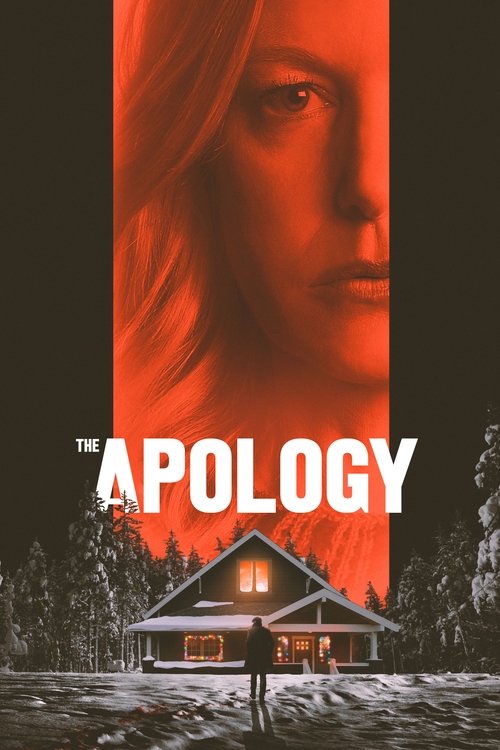
The Apology2022
Both premise transformation as a path to fixing the self, but The Apology asks what transformation actually costs and whether it can ever deliver what we promise it will.
A documentary about a woman who undergoes everything—cosmetic surgery, therapy, spiritual work—in an attempt to heal from assault. It's The Swan's ethical counterpart: transformation as genuine repair rather than spectacle, and the question of whether it's ever actually possible or just another performance of healing.
But It's heavy, painful, and unresolved. No pageant, no crown, no clear payoff. Watching someone's real trauma won't feel like entertainment.
People
Cast
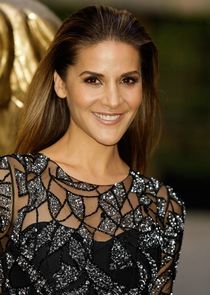 Amanda ByramHost
Recommended by
Botched, Solitary, Joe Millionaire, Trixie Motel, Elimidate, The Biggest Loser, Extreme Makeover, I Love New York, Flavor of Love Girls: Charm School, Tool Academy