
Film
Starting Over
- Romantic comedy
- Light-hearted
A divorced man in his forties tries to rebuild his life and find love again in 1970s New York. It's a warmly funny, character-driven comedy that takes middle-aged romance seriously without sentiment. Burt Reynolds shows real vulnerability here, and the film balances genuine emotional stakes with comedy that lands because the people feel real.
Should you watch it?
Watch it if you enjoy grown-up romantic comedies where the jokes come out of awkward, believable adult feelings, and you like a sharp, adult-minded script that trusts you to keep up.
Skip it if you want a brisk, gag-heavy comedy, since this one lingers on conversations and small emotional hesitations, and its humor arrives quietly rather than in punchlines.
What it asks of you: It runs about an hour and three-quarters at an unhurried pace, asking you to sit through long talky scenes and to notice the discomfort beneath them.
Not sure? Find tonight's pick in a minute.
If you liked this
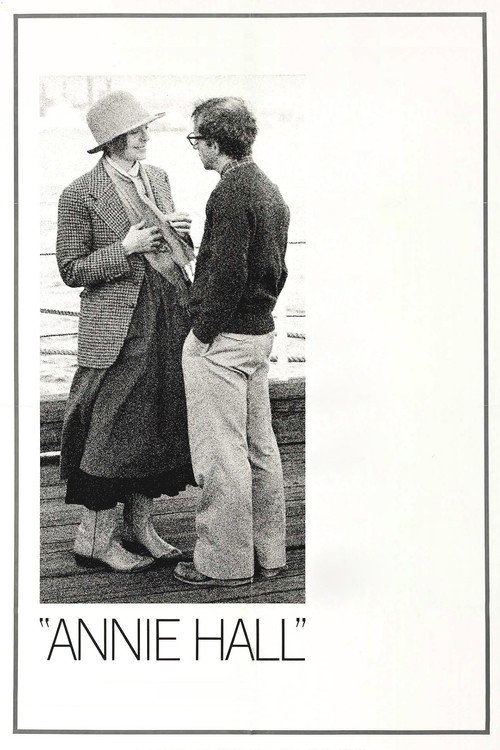
Annie Hall1977
Woody Allen's masterpiece about urban romance, neurosis, and the gap between who we are and who we want to be. If you want smart romantic comedy that respects intelligence and heartbreak equally, this is the template.
But Allen's New York intellectualism can feel exclusionary, and the film moves at a deliberately scattered pace that some find affected or self-indulgent rather than charming.
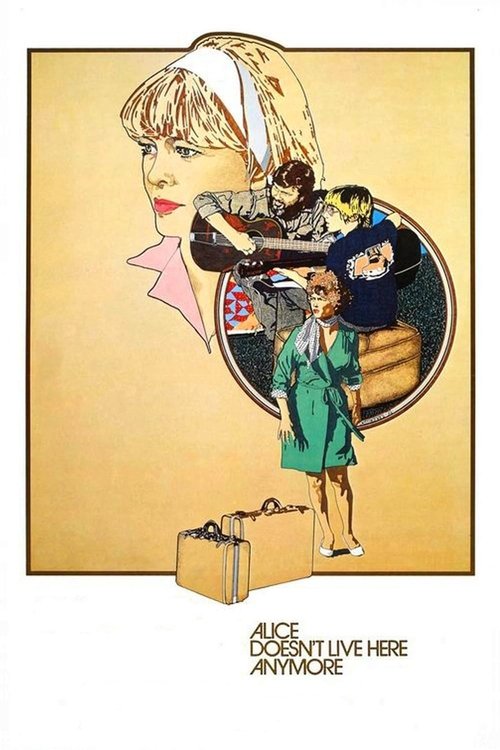
Alice Doesn't Live Here Anymore1974
Ellen Burstyn is magnificent as a widow starting over—working, dating, figuring out who she is without a husband. Scorsese directs with surprising gentleness, balancing humor and real stakes about independence and reinvention.
But It's deliberately unglamorous and sometimes ungainly; the second half veers toward messiness that can feel like the film loses its thread rather than reflecting life's actual shapelessness.
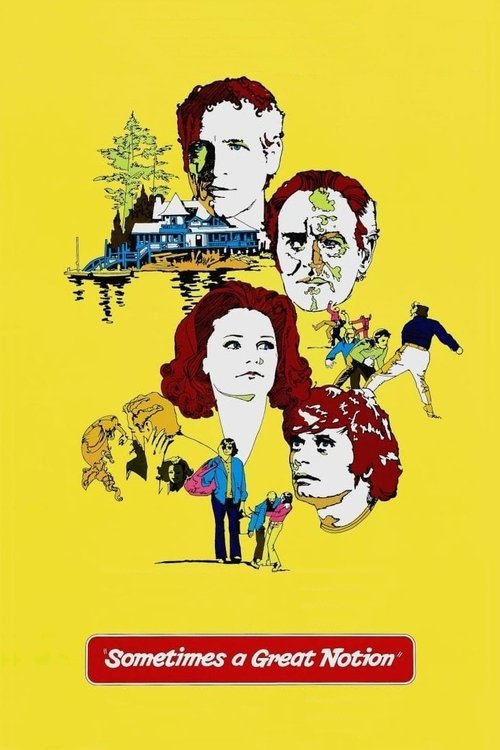
Sometimes a Great Notion1971
Paul Newman and Henry Fonda in an epic family drama about loggers, stubbornness, and what we owe each other. It's sprawling, ambitious, and gorgeously shot—a film that trusts you to find meaning in mess.
But Nearly three hours and unapologetically unfocused; it demands patience and doesn't simplify its emotional tangles for easy consumption.
Not sure tonight? Get a pick in a minute, starting from Starting Over
The wildcard
Something you would not have found on your own.
The Last Detail1973
Both films use comedy to explore middle-aged men reckoning with who they are and what they want. Both trust that humor and heartbreak can coexist in the same scene without canceling each other out.
Jack Nicholson and Otis Young as naval guards escorting a prisoner to jail who decide to give him one last wild weekend. It's profane, funny, and genuinely moving—a buddy film that sneaks in real humanity and rage about injustice.
But Visceral language and sexual content that makes it feel gritty and dated; if you need a softer touch, the film's rough texture is the whole point, not negotiable.

More like this (8)
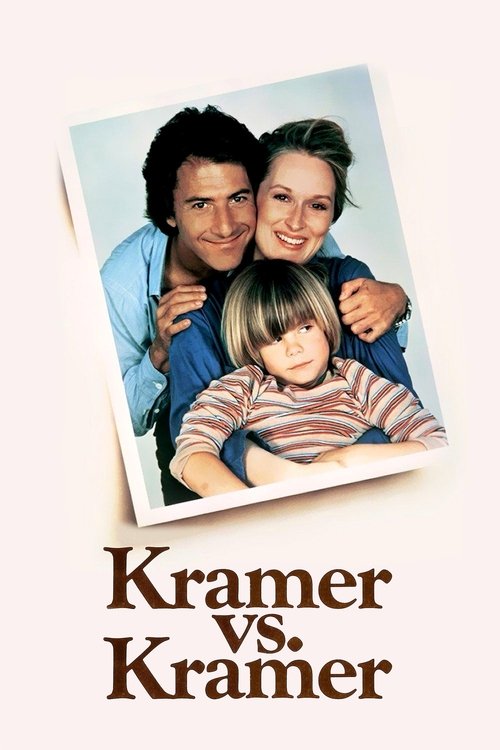
Kramer vs. Kramer1979
Released the same year, it's about divorce and rebuilding with real tenderness. Dustin Hoffman and Meryl Streep bring nuance to pain; the film earns every emotion it claims, especially scenes between Hoffman and his young son.
But It can feel like a guilt trip for both parents, and the resolution privileges one moral viewpoint over genuine ambiguity about custody and care.
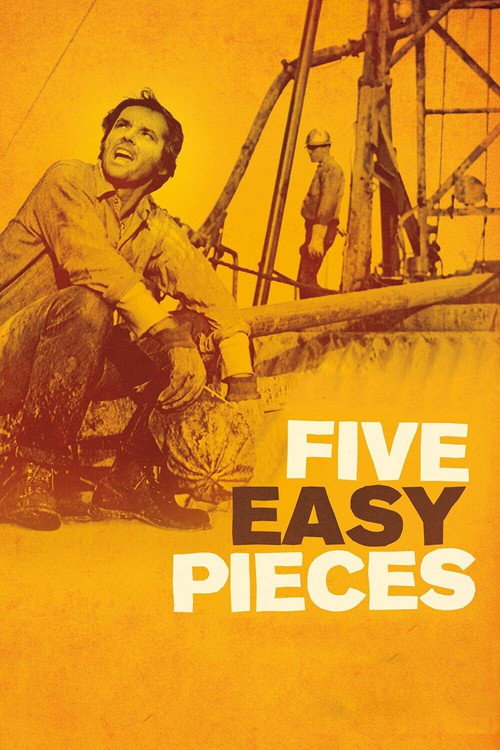
Five Easy Pieces1970
Jack Nicholson as an oil rig worker who goes home to his classical pianist family. It's about class, alienation, and the impossibility of going backward. Funny, strange, and achingly human.
But Nicholson's character is often deliberately unpleasant; if you need to like the protagonist to enjoy a film, this will exhaust you.
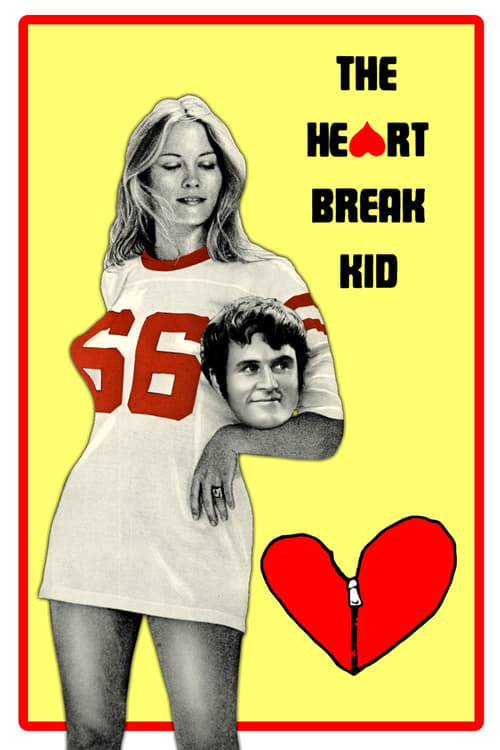
The Heartbreak Kid1972
Charles Grodin as a newlywed who falls for another woman on his honeymoon. It's viciously funny about male selfishness and desire, directed by Elaine May with perfect comic timing and genuine cruelty.
But The humor is cold and somewhat mean-spirited; if you need comedy to ultimately be kind or affirming, this will feel brutal instead of liberating.
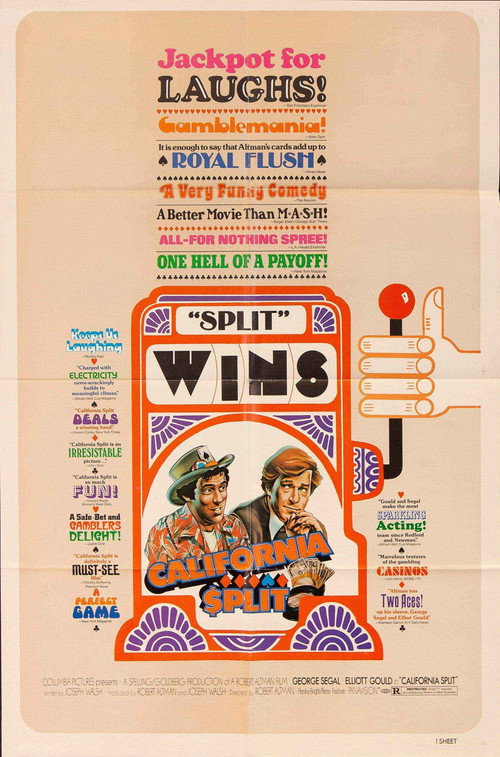
California Split1974
Robert Altman's oddball comedy-drama about two strangers who bond over gambling and living badly in 1970s Los Angeles. Utterly unstructured and digressive, but warm about its characters' inability to change.
But The plot is essentially non-existent; Altman's overlapping dialogue and refusal to prioritize narrative clarity can feel like watching strangers ramble rather than experiencing a shaped story.
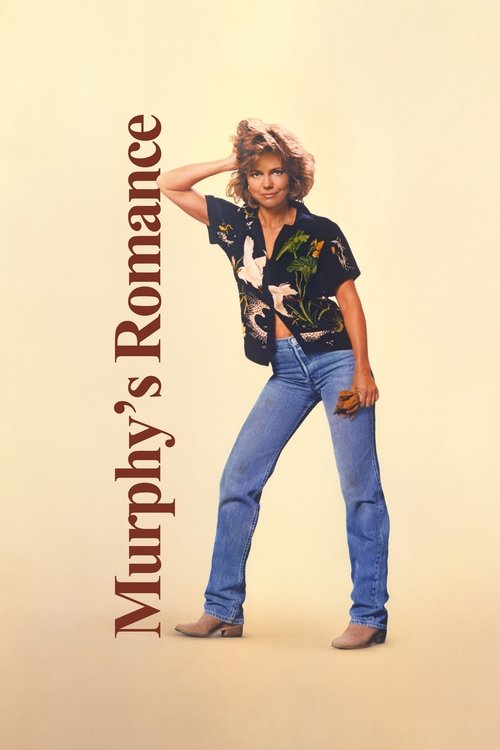
Murphy's Romance1985
James Garner and Sally Field as older people tentatively finding each other in Arizona. It's gentle, funny, and genuinely romantic without being saccharine. A rare film that takes late-life love as genuinely worthwhile.
But The gentleness can feel slight, and there's not much dramatic conflict—if you need tension or stakes to stay engaged, this is too small and content to be satisfying.
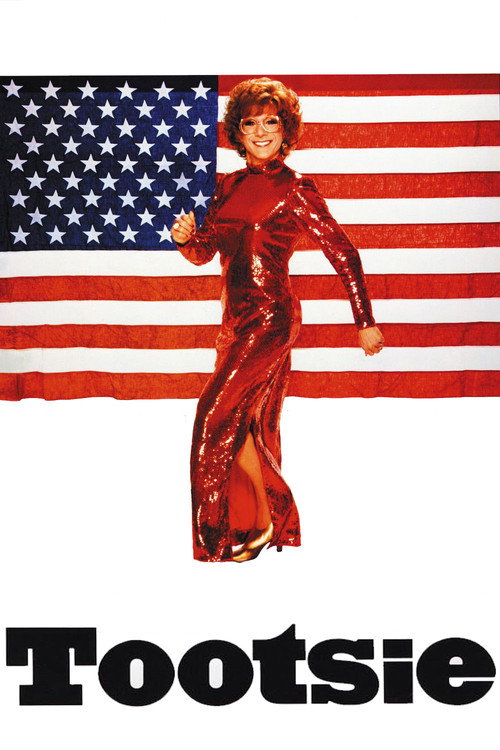
Tootsie1982
Dustin Hoffman as an impossible actor who dresses as a woman to get a role. It's clever, energetic, and surprisingly moving about vulnerability, ego, and learning to see people as people rather than conquests.
But The gender-comedy premise hasn't aged well; jokes about drag can read as reductive or uncomfortable now, and the film's comfort with the joke limits its own insights.
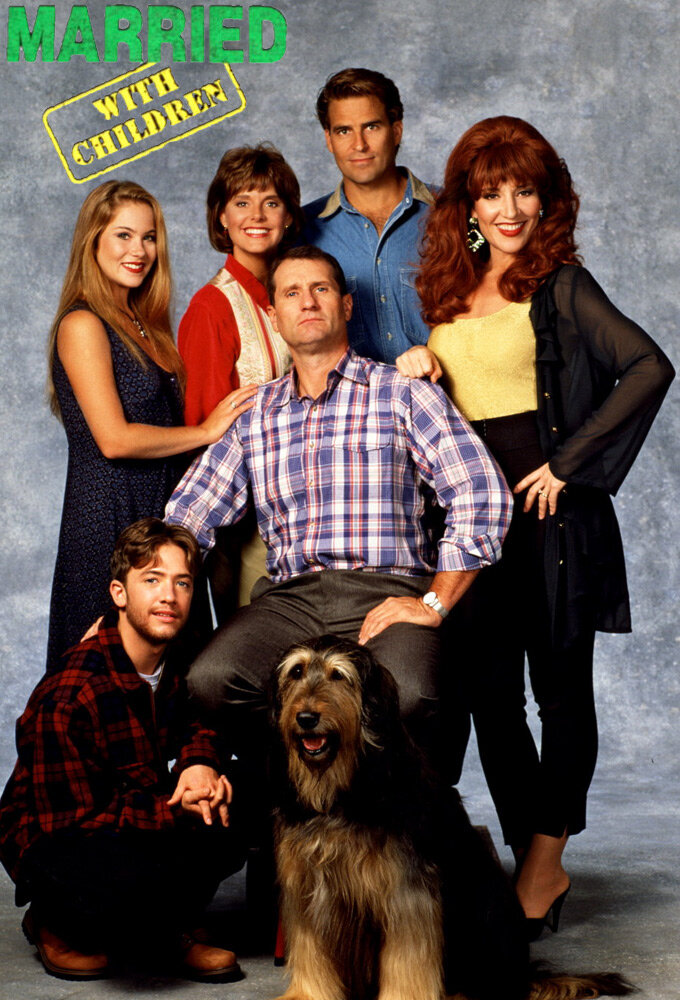
Married... with Children1987
Where Starting Over finds tenderness in reinvention, Married spirals into the nightmare of people never reinventing at all. One is about escape; the other is about being trapped forever. Watching them back-to-back reveals two visions of American marriage.
Burt Reynolds' ex-wife energy animates this sitcom about a family going exactly nowhere. It's cynical, absurd, and genuinely subversive about marriage and domesticity—the anti-sitcom where nothing learns a lesson and nobody improves.
But The humor is repetitive and relies on misanthropy; if you need warmth or character growth, the show's commitment to stasis and contempt will feel exhausting rather than liberating.
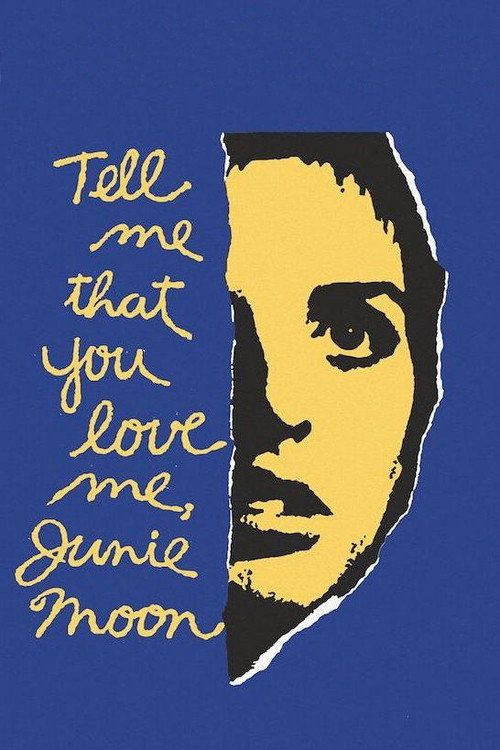
Tell Me That You Love Me, Junie Moon1970
Both are 1970s films about people constructing new lives and new families with people they didn't expect to find. Both believe that starting over is possible and worth the mess. But where Starting Over is confident and mainstream, this one is marginal and strange—same faith, completely different register.
Otto Preminger's strange, tender film about three disabled people building a life together in New York. Gorgeously shot in Peckinpah-style Technicolor, it's about vulnerability, loyalty, and love outside the expected frames. A genuine oddity that earns its oddness.
But The representation of disability is product-of-its-era complicated; the film's sincerity about its characters' lives can feel condescending to modern eyes, and the pacing is deliberately slow and observational.
People
Cast
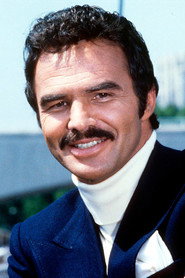 Burt ReynoldsPhil Potter
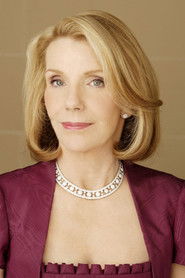 Jill ClayburghMarilyn Holmburg
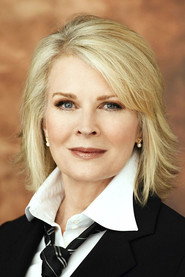 Candice BergenJessica Potter
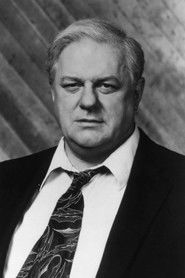 Charles DurningMichael "Mickey" Potter
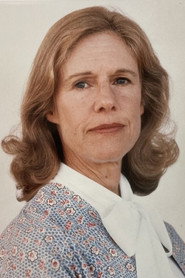 Frances SternhagenMarva Potter
 Austin PendletonPaul
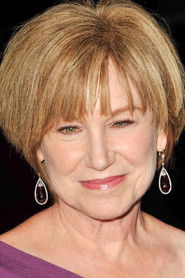 Mary Kay PlaceMarie
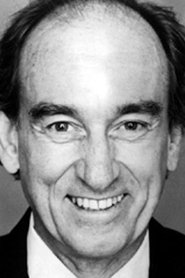 MacIntyre DixonDan Ryan
 Jay O. SandersLarry
 Charles KimbroughSalesman
- Richard WhitingEverett
 Alfie WiseWorkshop Member
Directing
- Alex HapsasAssistant Director
- Alan J. PakulaDirector
- Maggie JamesScript Supervisor
- Herb GainsSecond Assistant Director
Writing
- Dan WakefieldNovel
- James L. BrooksScreenplay
Production
- Douglas WickAssociate Producer
- Isabel HalliburtonAssociate Producer
- Juliet TaylorCasting
- Sylvia FayExtras Casting
- Alan J. PakulaProducer
- James L. BrooksProducer
- William C. GerrityProduction Executive
Recommended by
An Unmarried Woman, Carnal Knowledge, The Swan, The Goodbye Girl, Stroker Ace, Chapter Two, Skin Deep, Plaza Suite, A Touch of Class, All Night Long, Brighton Beach Memoirs, Sheila Levine Is Dead and Living in New York, Portnoy's Complaint, Best Friends, The Man Who Loved Women, Loving Couples, 10