
Film
Portnoy's Complaint
Philip Roth's audacious novel becomes a 1972 film of a man in therapy, unburdening himself—his mother, his sexuality, his Jewish identity, his shame. It's a comedy built on confession, sometimes crude, sometimes tender. For viewers interested in how American cinema tackled forbidden subjects before it learned to be careful.
If you liked this
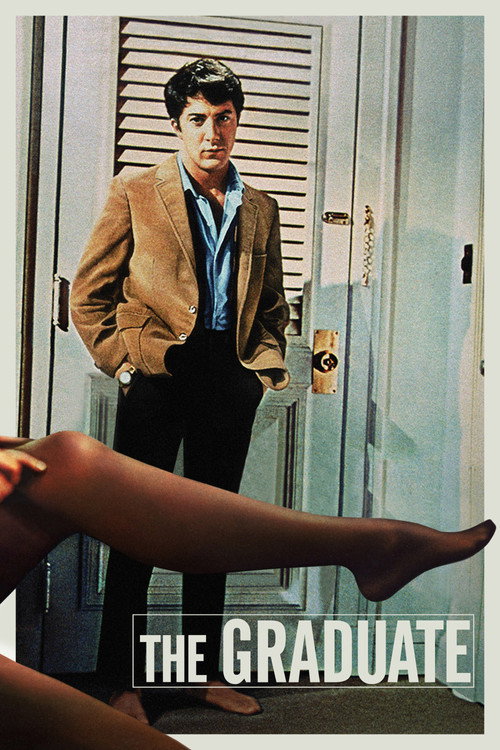
The Graduate1967
A young man caught between desire and expectation, sexually charged and funny about the suffocation of respectability. Benjamin's anxiety here echoes Hoffman's there, but darker and more unspooled.
But The satire lands unevenly and the resolution feels rushed. Some will find the sex comedy dated or uncomfortable.
Annie Hall1977
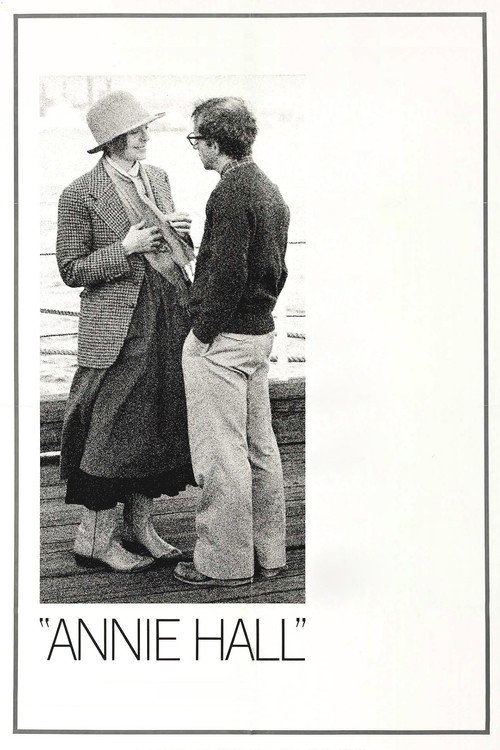
Woody Allen mining his own neuroses for comedy, jumping between scenes and time periods, treating therapy as material. The spiritual successor to what Portnoy attempted—the unguarded male confession as art.
But If you dislike Allen's voice, this won't convert you. It's very much a man talking at length about his own problems.
Carnal Knowledge1971
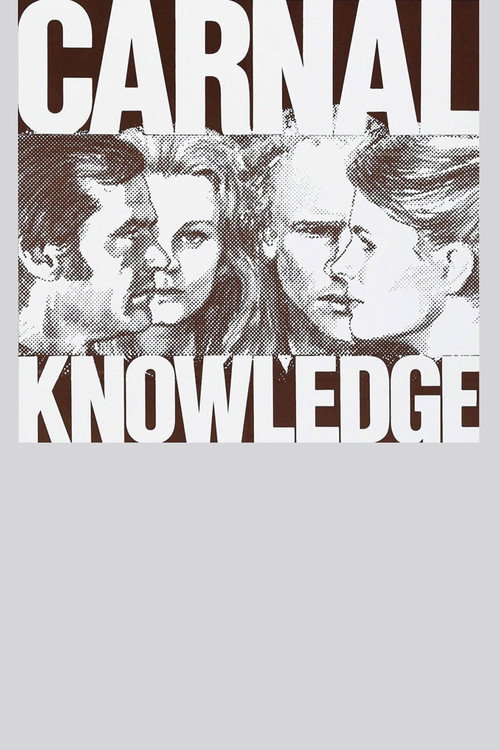
Nichols' film of raw male sexuality across decades, unblinking about desire and disappointment. Jack Nicholson and Art Garfunkel chart the same territory Portnoy does—lust, maturity, the gap between fantasy and reality.
But It's bleak and cynical by the end. The sex is matter-of-fact in a way that some find clinical rather than liberating.
Not sure tonight? Get a pick in a minute, starting from Portnoy's Complaint
The wildcard
Something you would not have found on your own.
Shame1968
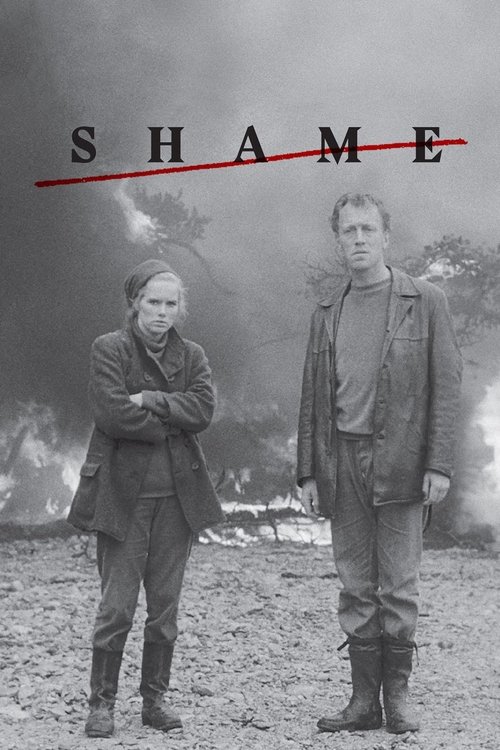
Both examine shame as a fundamental Jewish and human condition; both use verbal spillage (therapy monologue vs. marital argument) as their structure. Both ask: what happens when you stop performing?
Bergman's film of a married couple in psychological collapse, filmed in black and white, sparse and agonized. Like Portnoy, it takes shame as its subject—not what you do, but the feeling that living itself is transgressive. No comedy here, only confession.
But It's bleak and slow and offers no comfort. If you need resolution or lightness, Bergman will feel punishing.
More like this (7)
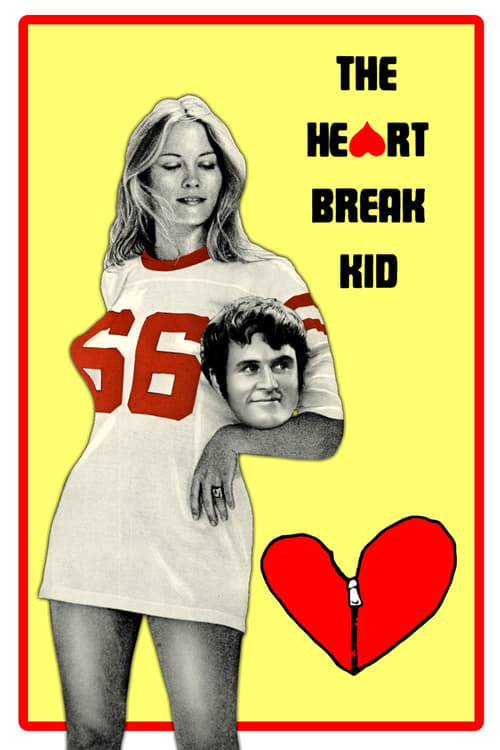
The Heartbreak Kid1972
Elaine May's comedy about a man betraying his new wife for another woman. It's about desire as a kind of temporary insanity, Jewish anxiety about belonging, and the American search for the perfect woman.
But Charles Grodin's protagonist is genuinely unlikeable. You have to find comedy in his awfulness, which not everyone will.
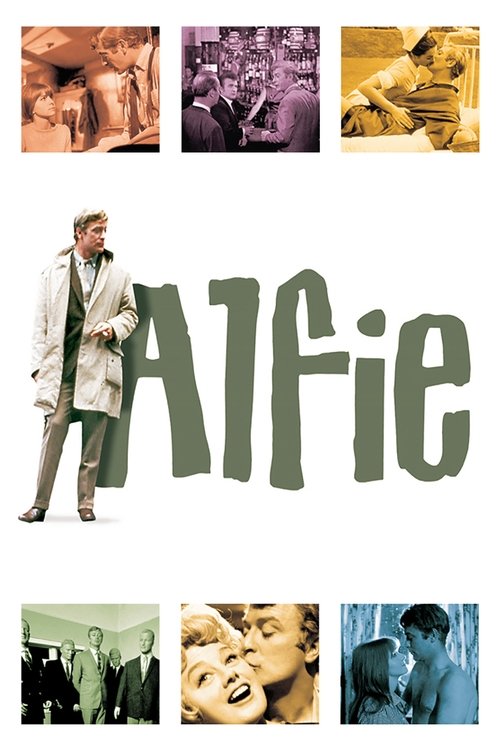
Alfie1966
Michael Caine speaks directly to camera about his sexual conquests and their consequences. It's another film about a man's sexuality as his primary identity, and how hollow that becomes.
But The casual misogyny can be hard to watch. The film judges it eventually, but not fast enough for some viewers.
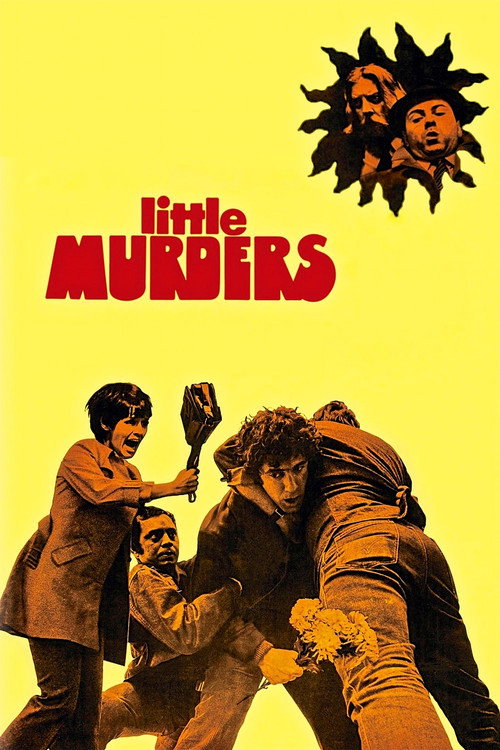
Little Murders1971
Feiffer's dark comedy about a timid man married into a family of rage and survival, set in a rotting New York. Jewish family dynamics, neurosis, the city as a kind of hostile organism.
But The tonal shifts are jarring—it moves between farce and something genuinely bleak. The ending divides people.
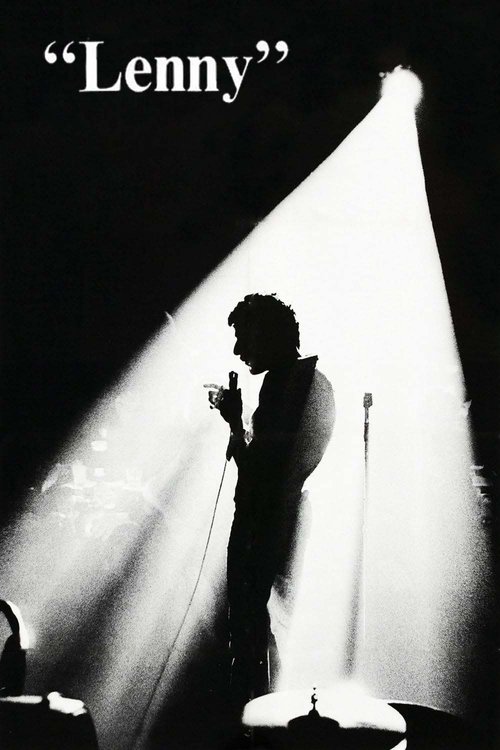
Lenny1974
Dustin Hoffman as Lenny Bruce, a man whose entire life is an argument with authority and propriety. A film about the price of saying everything you think, without mediation or shame.
But It's respectful to the point of reverence. If you find Bruce overrated, the film won't persuade you otherwise.
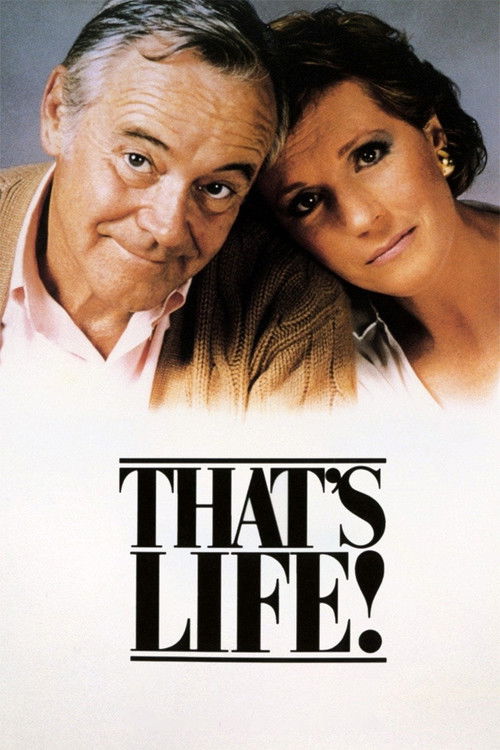
That's Life!1986
Blake Edwards' semi-autobiographical film of a man in crisis, therapy, and family turmoil. It has the same therapy-session energy, the same structure of complaint and revelation as a mode of honesty.
But It's sentimental where Portnoy is brash. The tonal whiplash between comedy and real pain bothers some viewers.
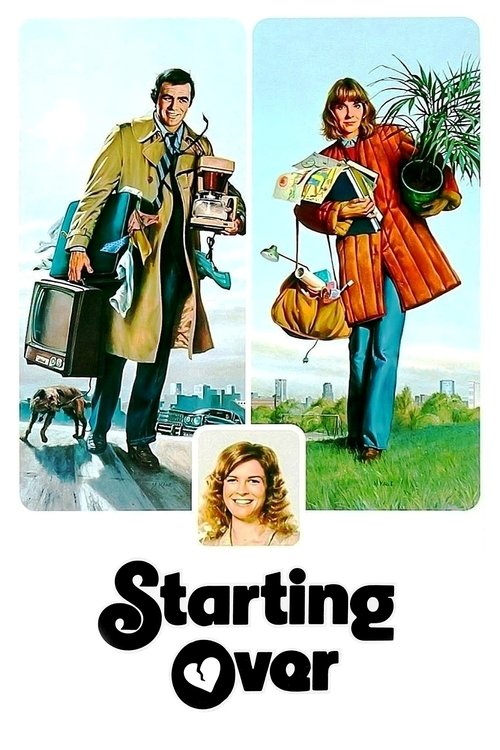
Starting Over1979
Burt Reynolds as a man unraveling after divorce, trying to figure out who he is. A gentler film than Portnoy but built on the same assumption: that male vulnerability and mess can be both funny and true.
But It's earnest in a way that undercuts the comedy. The sentiment can feel like it's undoing the joke.
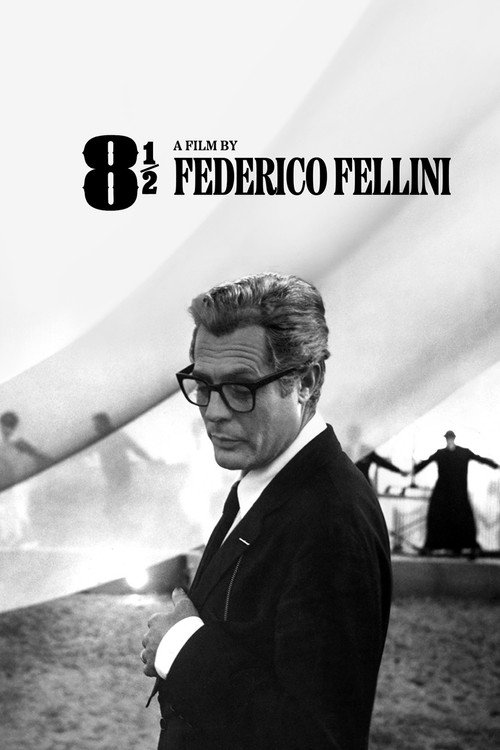
8½1963
Both are about the artistic act as therapy, the confession as structure. Both ask whether there's a self underneath all the performance, or if the performance is all there is.
Fellini's masterpiece: a film director paralyzed by his own material, his memory, his desires, his inability to separate life from art. He's in a kind of therapy too—the film itself is the confession. Visually baroque where Portnoy is verbal, but the same structure: a man unspooling.
But It's three and a half hours of a man's interior life with no external plot. The surrealism and digression will lose viewers looking for narrative momentum.
People
Cast
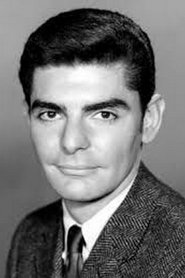 Richard BenjaminAlexander Portnoy
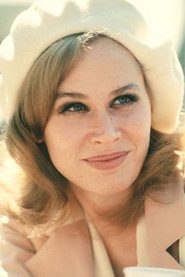 Karen BlackMary Jane Reid a.k.a. Monkey
 Lee GrantSophie Portnoy
 Jack SomackJack Portnoy
 Renée LippinHannah Portnoy
 Jeannie BerlinBubbles Girardi
 Kevin ConwaySmolka
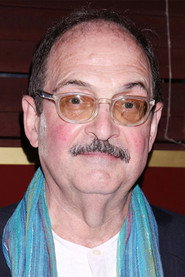 Lewis J. StadlenMandel (as Lewis Stadlen)
 Jill ClayburghNaomi
- Jessica RainsOpening Girl
 Francesca De SapioLina, Rome Prostitute
- William PabstClerk at Inn
Directing
- Michael D. MooreAssistant Director
- Wally JonesAssistant Director
- Ernest LehmanDirector
Writing
- Philip RothNovel
- Ernest LehmanScreenplay
Production
- Ernest LehmanProducer
- Sidney BeckermanProducer