
Film
Lenny
Bob Fosse's black-and-white biopic reconstructs Lenny Bruce's rise and unraveling through mock courtroom testimony spliced with recreations of his nightclub sets. Dustin Hoffman plays him jittery, brilliant, and increasingly desperate, chasing the joke past the point of safety. It's less a triumphant showbiz story than an autopsy of what censorship costs a mind built to provoke — bleak, jazzy, formally daring.
If you liked this
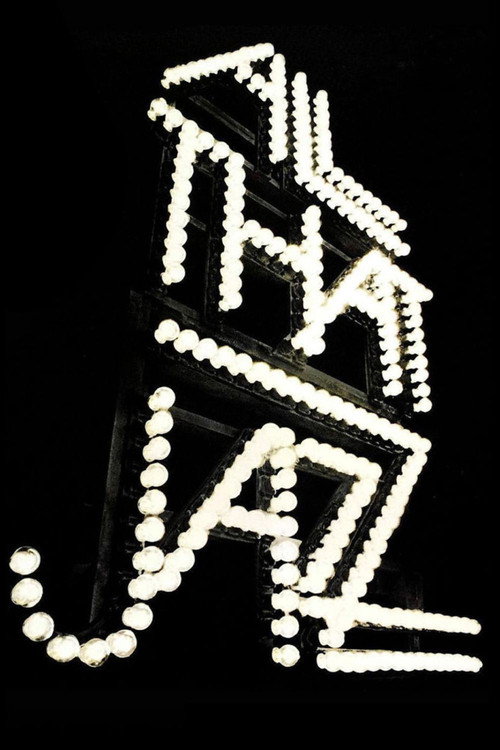
All That Jazz1979
Fosse turns the camera on himself here, staging his own mortality as a musical fever dream. If Lenny made you wonder what drove him to portray self-destruction so precisely, this is his confession, dressed in sequins and cigarette smoke.
But The musical numbers and surreal death sequences ask you to accept a stranger, more theatrical register than Lenny's grounded courtroom framing.
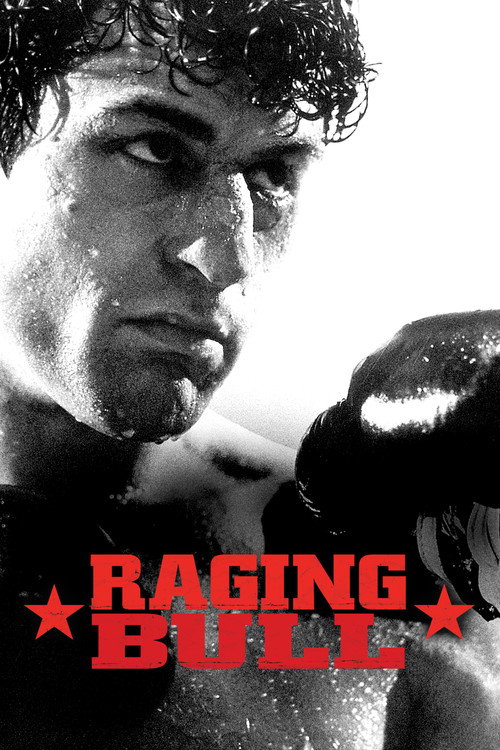
Raging Bull1980
Scorsese's black-and-white portrait of Jake LaMotta shares Lenny's fractured chronology and unsparing eye for a talented man dismantling himself. De Niro's performance is as physically total as Hoffman's, just aimed at a different kind of ring.
But It's boxing and domestic brutality rather than comedy and courtrooms, and considerably more violent throughout.
The People vs. Larry Flynt1996no page yet
Milos Forman's biopic of the Hustler publisher is practically Lenny's direct sequel: same First Amendment battlefield, same establishment appalled by a vulgar man they can't legally silence, decades later.
But Flynt's story tips more toward courtroom triumph than tragedy, which softens the despair that defines Lenny.
The wildcard
Something you would not have found on your own.
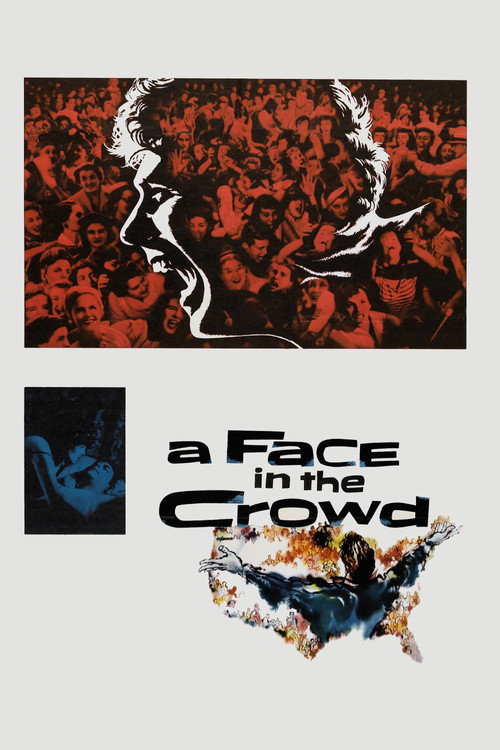
A Face in the Crowd1957
Both films watch an outsider entertainer become dangerous the moment his honesty stops being containable, and both end with the machine that built him turning to destroy him.
Kazan's fable about a folksy radio nobody turned into a manufactured demagogue got there first — twenty years before Lenny, Hollywood was already worried about what a raw, unfiltered voice does once the public loves it.
But It's a media satire about politics, not comedy, and its style is theatrical melodrama rather than Fosse's clipped documentary rhythm.
More like this (8)
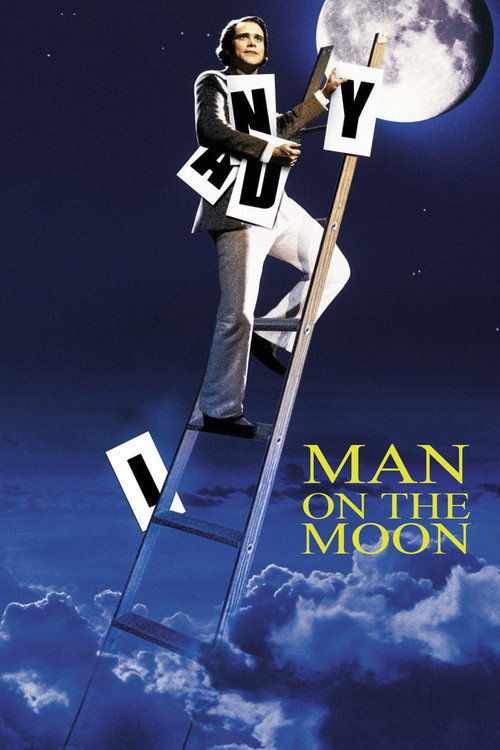
Man on the Moon1999
Jim Carrey disappears into Andy Kaufman with the same unsettling commitment Hoffman brought to Bruce — a comic genius whose act blurs into pathology until nobody, including him, can find the seam.
But Kaufman's confrontations were absurdist pranks rather than political martyrdom, so the stakes feel lower and stranger.
Chaplin1992
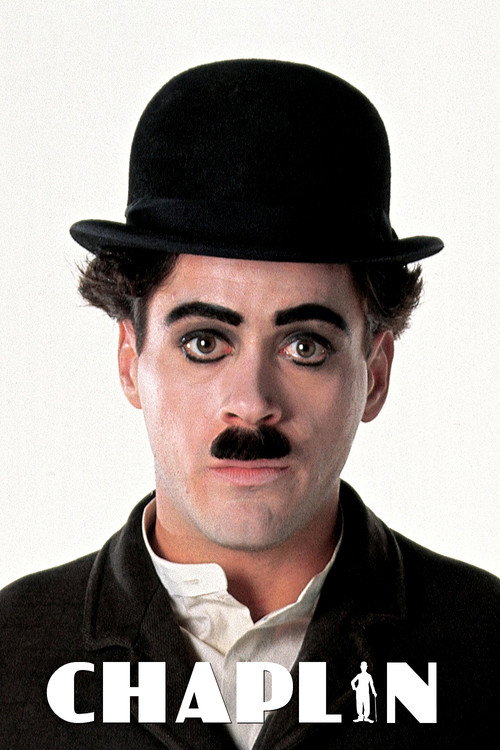
Robert Downey Jr. plays another comic legend hounded by an establishment that couldn't tell provocation from menace, decades before Bruce faced the same accusation in a different court.
But It's a much glossier, more conventional prestige biopic than Fosse's jagged, self-consciously fractured film.
Good Night, and Good Luck.2005
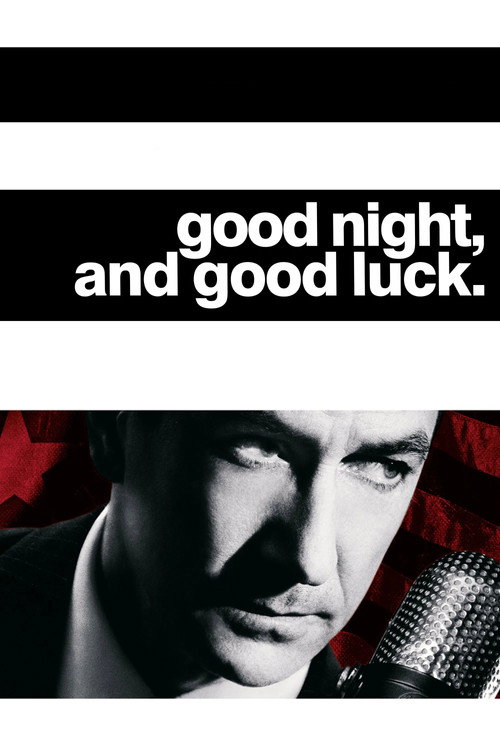
George Clooney's black-and-white film about Edward R. Murrow versus McCarthy shares Lenny's moral spine: a lone voice using the establishment's own stage to indict it, at real personal cost.
But It's journalism and politics rather than comedy, and considerably cooler and more controlled in temperament.
Bird1988no page yet
Clint Eastwood's Charlie Parker biopic follows the same arc — genius, addiction, an industry that profits from a man while grinding him down — set to a soundtrack as vital as Bruce's routines.
But It's slower and more elegiac, with long stretches given over to music rather than confrontation.
Lady Sings the Blues1972
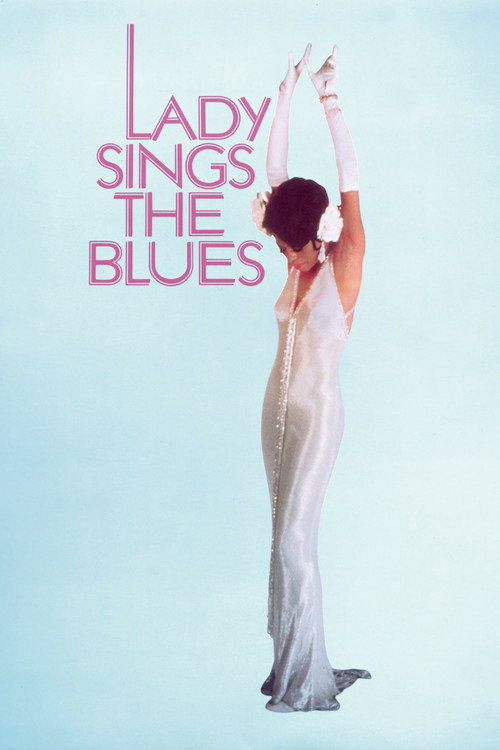
Diana Ross plays Billie Holiday with the same doomed momentum Hoffman gives Bruce, an artist destroyed by the machinery meant to sell her talent back to the public.
But It leans further into melodrama and romance than Lenny's clipped, testimony-based structure allows.
Funny Girl1968
Barbra Streisand's showbiz biopic comes from the same era of big, brassy entertainer stories, and makes a useful contrast: here's the version of this arc that ends in triumph, not obscenity charges.
But It's a full-blown musical romance with none of Lenny's darkness, cynicism, or interest in punishment.
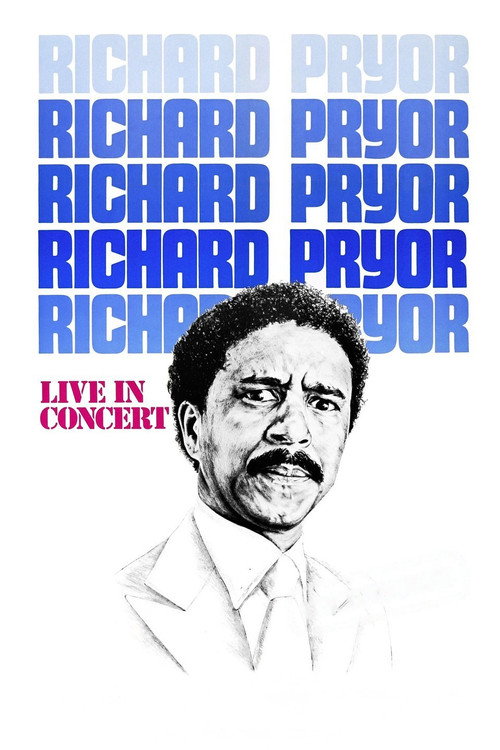
Richard Pryor: Live in Concert1979
Pryor is doing, live and unpunished, the very act Lenny is on trial for throughout the film — proof of what Bruce's arrests eventually made possible.
Skip the reenactment and get the real, unmediated thing: ninety minutes of a comedian doing exactly the kind of confrontational, filthy, true material that got Bruce dragged into court a decade earlier.
But There's no story, no trial, no arc — just a stage, a mic, and material that hasn't aged gently by every measure.
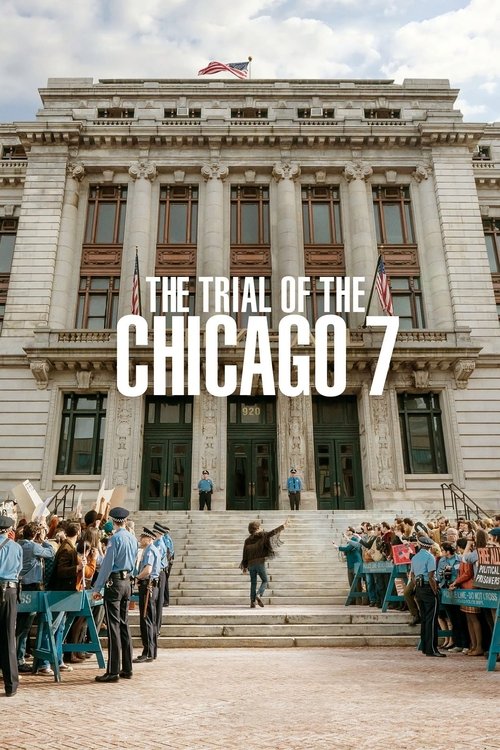
The Trial of the Chicago 72020
Same decade, same government machinery of prosecution-as-punishment for offensive speech; Lenny's club stage and this film's courtroom are the two rooms where 1960s America fought the exact same fight.
Aaron Sorkin's courtroom drama covers the same late-60s moment from the other side of the docket — protestors instead of a comic, but the same establishment using contempt charges to silence loud dissent.
But It's talkier and more procedural, built around ensemble argument rather than one man's unraveling performance.
People
Cast
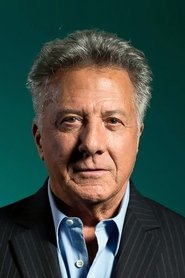 Dustin HoffmanLenny Bruce
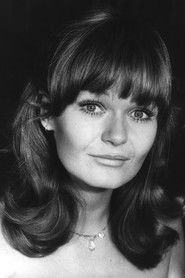 Valerie PerrineHoney Bruce
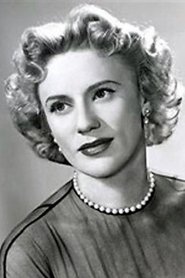 Jan MinerSally Marr
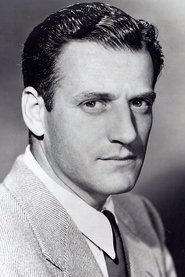 Stanley BeckArtie Silver
- Frankie ManBaltimore Comic
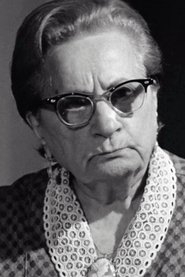 Rashel NovikoffAunt Mema
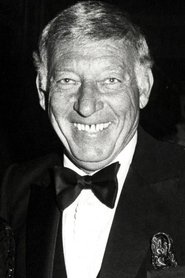 Gary MortonSherman Hart
- Guy RennieJack Goldstein
 Michele YongeNurse
 Kathryn WittGirl
- Monroe MyersHawaiin Judge
 John DiSantiJohn Santi
Directing
- Bob FosseDirector
- Douglas GreenFirst Assistant Director
- Ted ZacharyFirst Assistant Director
- Nicholas SgarroScript Supervisor
- Thomas LofaroSecond Assistant Director
Writing
- Julian BarryScreenplay
- Julian BarryTheatre Play
Production
- Robert GreenhutAssociate Producer
- Beverly McDermottCasting
- Lynette BernayCasting
- Marion DoughertyCasting
- David V. PickerExecutive Producer
- Marvin WorthProducer
- Gail GeibelProduction Secretary
- Neil MachlisUnit Manager
Recommended by
Man on the Moon, Chaplin, Richard Pryor: Live in Concert, Richard Pryor: Live on the Sunset Strip