
Film
The Telephone Book
A 1971 sex comedy about a woman hunting through New York City to find the stranger behind an obscene phone call. Bizarre, gleefully unabashed, and shot through with genuine invention—it's the kind of scrappy indie film that makes you wonder how it got made. For viewers curious about pre-sexual-revolution cinema or who appreciate weird comedies that swing for the fences.
If you liked this
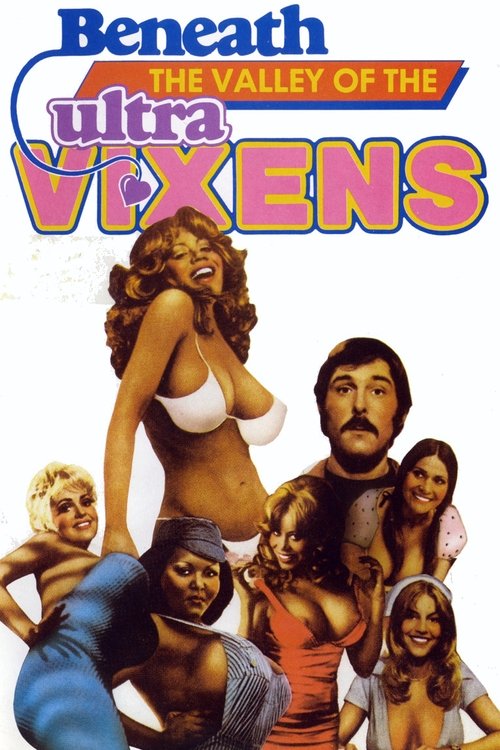
Beneath the Valley of the Ultra-Vixens1979
Russ Meyer's exuberant romp through California with enormous visual ambition, surreal humor, and complete indifference to mainstream taste. Pure comic provocation in service of genuine wild energy.
But The tone is inconsistent—Meyer lurches between deadpan farce and earnest melodrama. It can feel scattershot, and some sexual situations will strike modern viewers as genuinely uncomfortable.
Multiple Maniacs1970
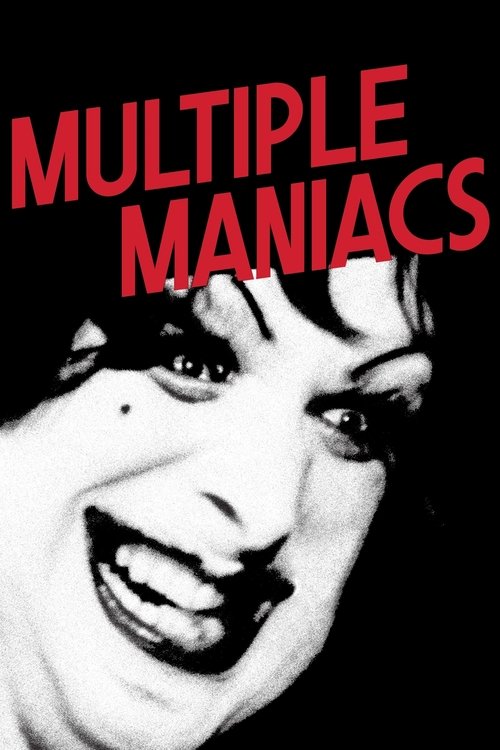
John Waters' debut is a transgressive comedy about criminals and outcasts that finds hilarity in depravity. Utterly original, shocking, and funnier than it has any right to be about such ugly material.
But It's grimy, crude, and genuinely disturbing in places. The production quality is deliberately abysmal. Waters' humor is not for everyone, and the sexual content is explicit and strange.
Greaser's Palace1972
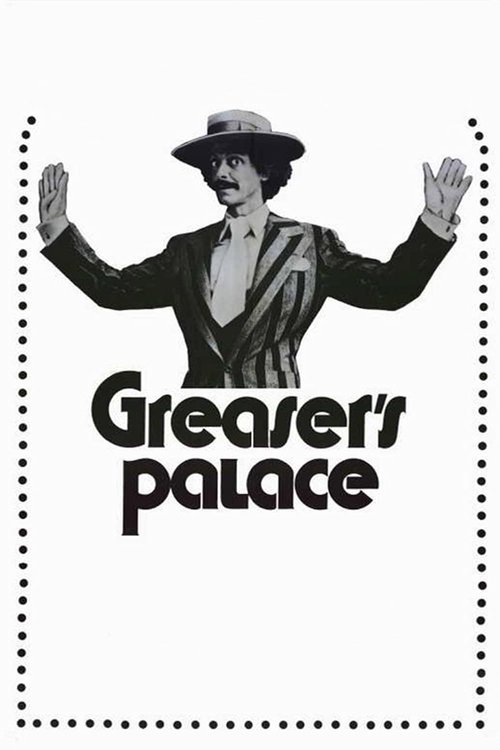
A bizarre musical Western-comedy-satire featuring a young David Naughton. It's so weird and committed to its own absurdity that you can't look away, packed with surreal set pieces and genuine moments of comedy.
But The pacing is uneven and the narrative dissolves frequently into non sequiturs. It's genuinely difficult to sit through, and the humor is so fragmented that long stretches won't land.
Not sure tonight? Get a pick in a minute, starting from The Telephone Book
The wildcard
Something you would not have found on your own.
Blow Job1964
Both films use explicit sexuality and obscenity as their primary comic fuel, treating sexual audacity as a form of artistic freedom and cultural rebellion rather than mere titillation.
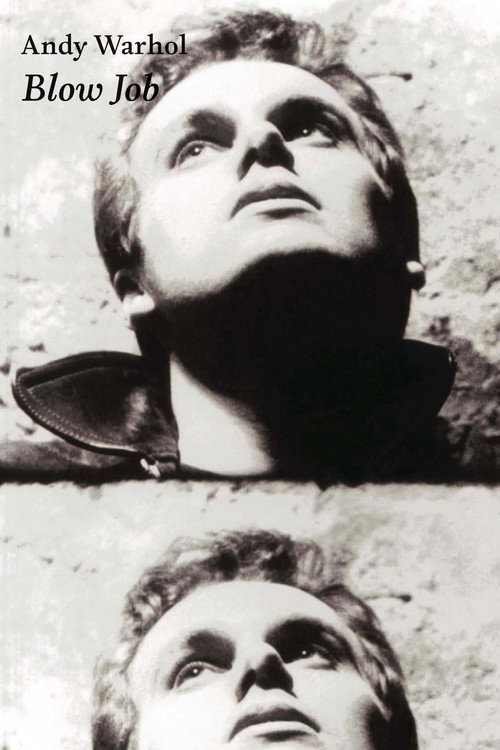
Andy Warhol's four-minute film of a man's face receiving oral sex is the ultimate provocation—a work that uses explicit sexuality as a formal experiment rather than titillation. It forces you to think about what cinema is and what it can be.
But It is literally what the title says. If you're looking for plot, character, or conventional cinema, this is not it. It's designed to make you uncomfortable, and for most viewers it will succeed in that completely.
More like this (6)
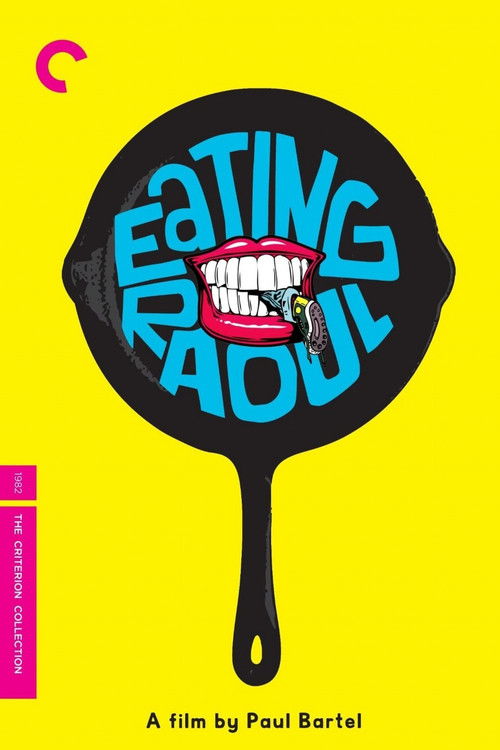
Eating Raoul1982
A deadpan comedy about an uptight couple who stumble into murder and cannibalism in Los Angeles. Brilliant satire of suburban repression with perfectly calibrated dark humor and real chemistry between the leads.
But It's about murder and cannibalism played for laughs. If you need your comedies to be warm or uplifting, this clinical approach to gore will feel like a slog, not a delight.
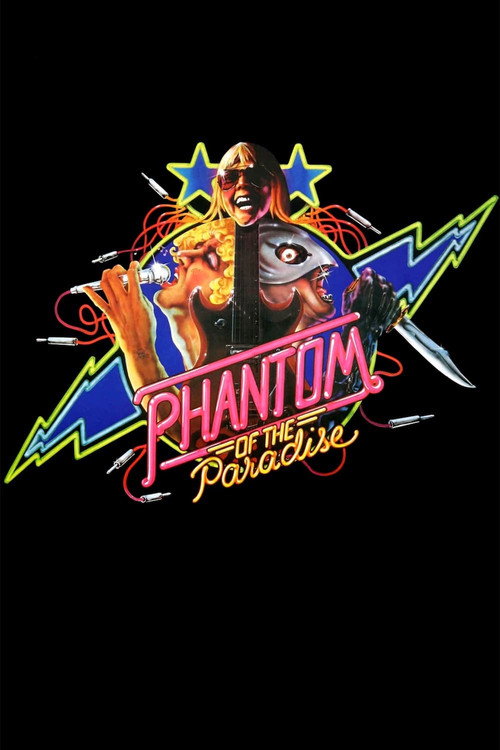
Phantom of the Paradise1974
Brian De Palma's wildly inventive rock opera blends horror, comedy, romance, and genuine artistry into something sui generis. It's genuinely fun, visually dazzling, and unafraid to be campy and sincere simultaneously.
But It's operatic and overstuffed—the tone whiplashes wildly, and the plot is deliberately nonsensical. Viewers who prefer straightforward storytelling will find it exhausting.
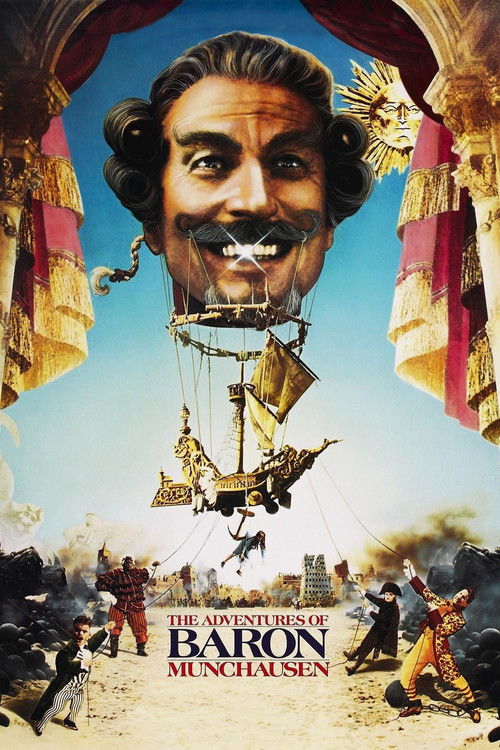
The Adventures of Baron Munchausen1988
Terry Gilliam's maximalist fantasy is crammed with gorgeous absurdist imagery and committed to the sheer joy of telling impossible stories. It's funny, visually stunning, and endlessly inventive in its refusal to make sense.
But It's a mess—expensive, overstuffed, and occasionally loses the thread entirely. The narrative is willfully incoherent, and if you're looking for structure, you won't find it.
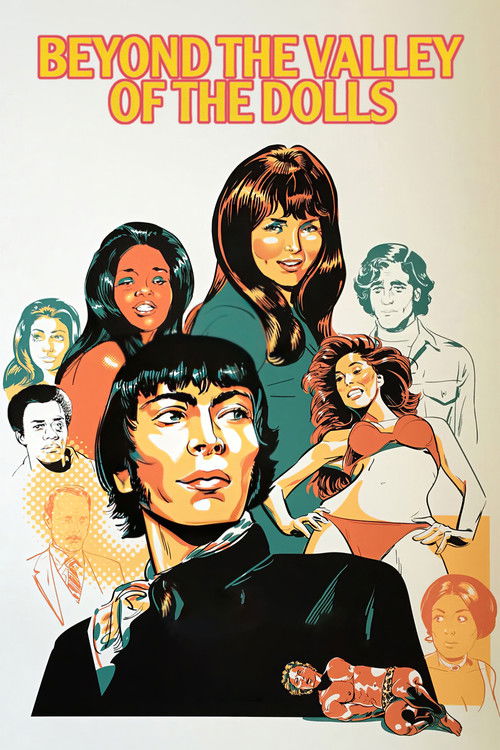
Beyond the Valley of the Dolls1970
Russ Meyer and Roger Ebert collaborated on this glorious sex-comedy-rock-opera about bandmates in Hollywood. It's funny, genuinely weird, and committed to being completely unserious about extremely serious things.
But The plot is nonsensical, the tone lurches constantly, and the sexual content is explicit. The whole enterprise is deeply silly, and that's the point—but it can feel exhausting to sit with that level of chaos.
I'm a Stranger Here Myself1975
Both films center on obsessive desire that drives the protagonist forward, and both use New York City and sexuality as languages for exploring what it means to pursue something you can't quite name or capture.
A documentary portrait of the jazz musician Billie Holiday exploring obsession, desire, and the gap between public persona and private hunger. Formally innovative and genuinely moving in its portrait of longing and need.
But It's a difficult experimental documentary—no conventional narrative, challenging music, and a meditative pace that asks for patience. The connection to the title is abstract, which will frustrate viewers seeking concrete links.
Portnoy's Complaint1972
Both films make their protagonist's sexual obsession and pursuit the entire engine of the narrative, treating desire not as shameful but as the central fact of being alive and searching.
Mike Nichols adapted Philip Roth's novel into a messy, ambitious film about sexual obsession and neurosis. It's genuinely funny about male desire, conflicted about sex in ways that feel honest, and anchored by a committed performance.
But It's tedious and frequently not funny despite trying very hard. The psychoanalytic framework is dated, and watching a man complain about his sexual feelings for ninety minutes is not everyone's idea of entertainment.
People
Cast
 Sarah KennedyAlice
- Norman RoseMr. Smith
- James HarderObscene Caller
 Jill ClayburghEyemask
 OndineNarrator
 Barry MorseHar Poon
 Ultra VioletWhip Woman
 Geri MillerDancer
 Roger C. CarmelAnalyst
 William HickeyMan in Bed
- Matthew TobinMugger
- Jan FarrandWoman in Park
Directing
- David WeismanAssistant Director
- Nelson LyonDirector
- April PollackScript Supervisor
Writing
- Nelson LyonWriter
Production
- Steve SirkinAssociate Producer
- Jay WolfCasting Director
- Merv BlochProducer