
Film
Henri-Georges Clouzot's Inferno
A 2009 documentary excavating Henri-Georges Clouzot's abandoned 1964 masterpiece, *L'Enfer*. Using original footage, screen tests, and dramatizations, it reconstructs what might have been—a visionary psychological thriller that collapsed after three weeks despite unlimited resources. It's a ghost story about artistic ambition, creative collapse, and the films we never got to see.
Should you watch it?
Watch it if you are fascinated by how a film gets made and unmade, and will happily watch an obsessive director's half-built images and screen tests for their own sake, the way you might study a stranger's unfinished sketchbook.
Skip it if you want a documentary that moves briskly toward a clear verdict; this one lingers on fragments, reconstructions and gaps, and some viewers will find the repetition of unfinished material wearing.
What it asks of you: It runs about an hour and forty minutes and asks you to sit with fragments rather than follow a single line, letting the strange, feverish footage build its own slow, unsettled weight.
Not sure? Find tonight's pick in a minute.
If you liked this
Sunset Boulevard1950
Billy Wilder's acid portrait of Hollywood obsession and creative decay. Like *Inferno*, it's fascinated by the gap between artistic vision and the machinery that kills it, told with bitter wit and formal brilliance.
But It's a portrait of decline that can feel airless and claustrophobic. Some find Wilder's cynicism about the industry exhausting rather than bracing.
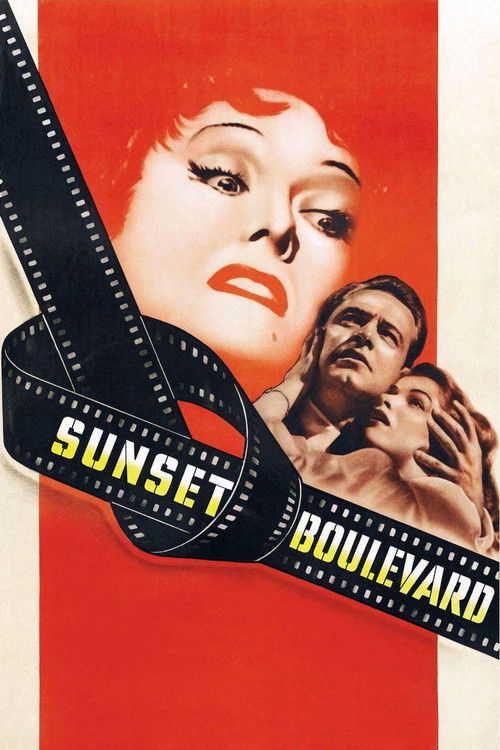
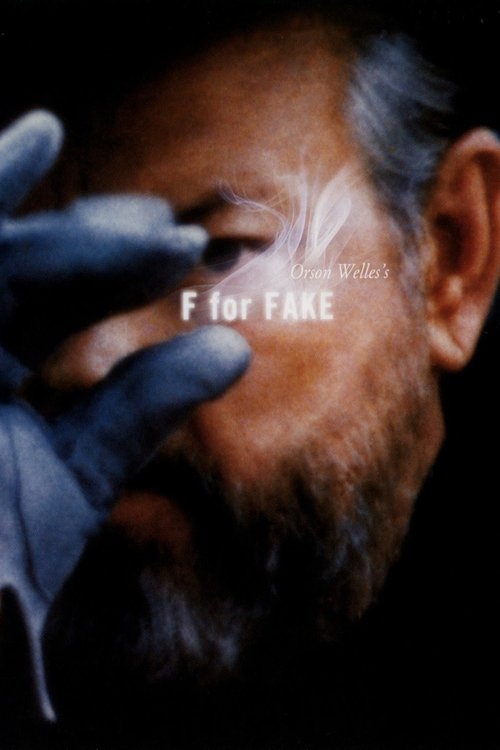
F for Fake1973
Orson Welles' metafictional essay about art, forgery, and the nature of cinema itself. Like this documentary, it plays with found footage and reconstruction to explore what's real, what's performance, and what's lost.
But It's deliberately fractured and digressive. Viewers wanting narrative momentum will find it deliberately evasive.
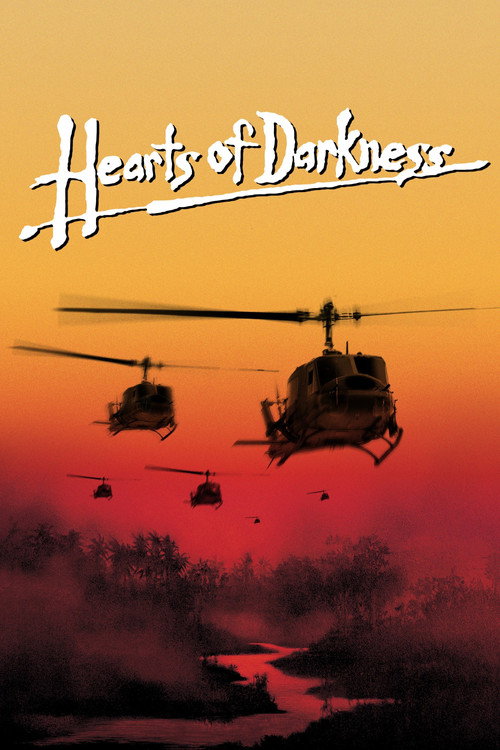
Hearts of Darkness: A Filmmaker's Apocalypse1991
Eleanor Coppola's documentary about *Apocalypse Now*'s catastrophic production. Like *Inferno*, it uses behind-the-scenes footage and candid interviews to show how artistic vision survives (or doesn't) contact with reality.
But It's focused on Coppola's perspective. If you're looking for a complete or neutral account of the production, you won't find it here.
Not sure tonight? Get a pick in a minute, starting from Henri-Georges Clouzot's Inferno
The wildcard
Something you would not have found on your own.
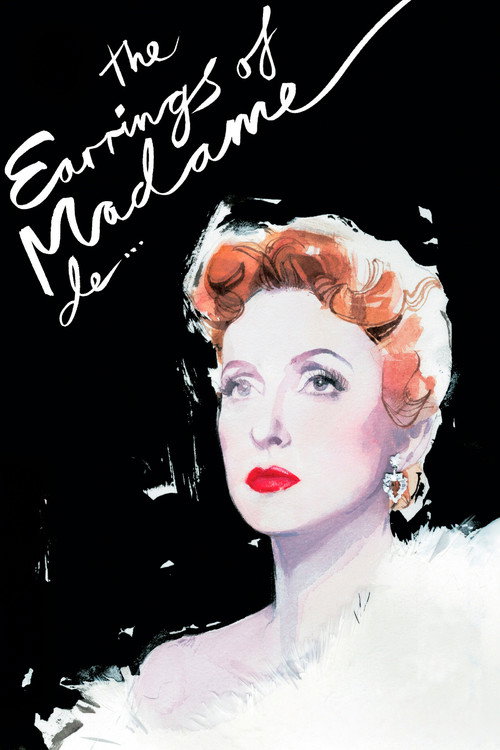
The Earrings of Madame de...1953
Both films attempt to visualize internal psychological states—paranoia, desire, betrayal—through radical camera movement and distortion. Clouzot would have known Ophüls' work; *Inferno* is the apotheosis of that impulse.
Max Ophüls' supreme masterpiece about jealousy, suspicion, and the way desire distorts perception. Like *Inferno*, it's obsessed with filming the invisible—paranoia, obsession, the subjective warping of reality through emotional prism. Its camera work is dazzling and disorienting in similar ways.
But It's in French with no English dubbing option. It's also emotionally sophisticated rather than plot-driven—requires patience with ambiguity and mood over narrative.
More like this (6)
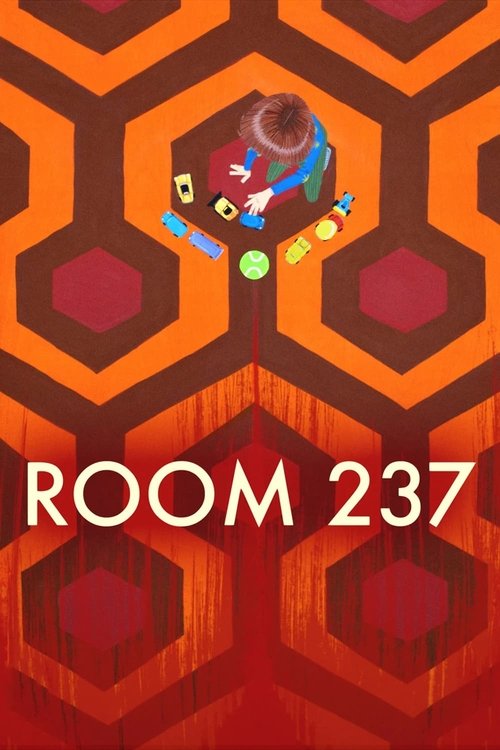
Room 2372012
A documentary built entirely from *The Shining* footage, reimagined through obsessive theory and speculation. Like *Inferno*, it's about what audiences project onto unfinished or mysterious artistic work.
But It's deeply committed to wild conspiracy readings. The interpretations are more Rorschach test than analysis, which some find fascinating and others find silly.
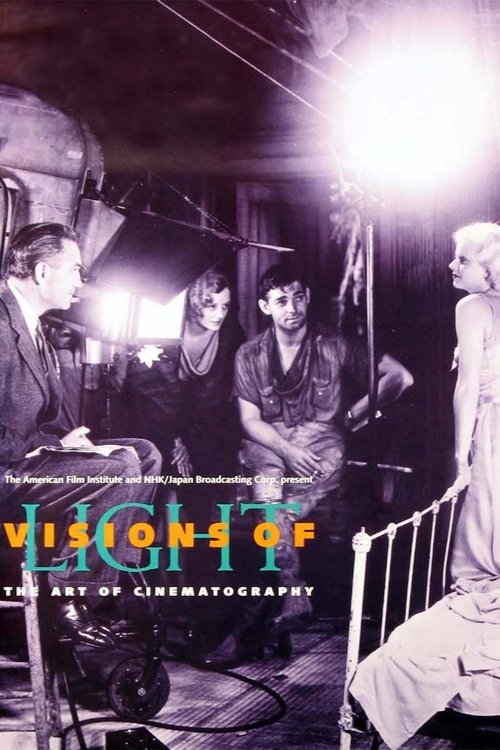
Visions of Light1992
A documentary about cinematography built from classic film clips and interviews with cinematographers. Shares *Inferno*'s reverence for visual technique and the craftspeople who make impossible things visible on screen.
But It's a technical deep dive that requires patience with extended sequences of *how* light works rather than plot momentum.
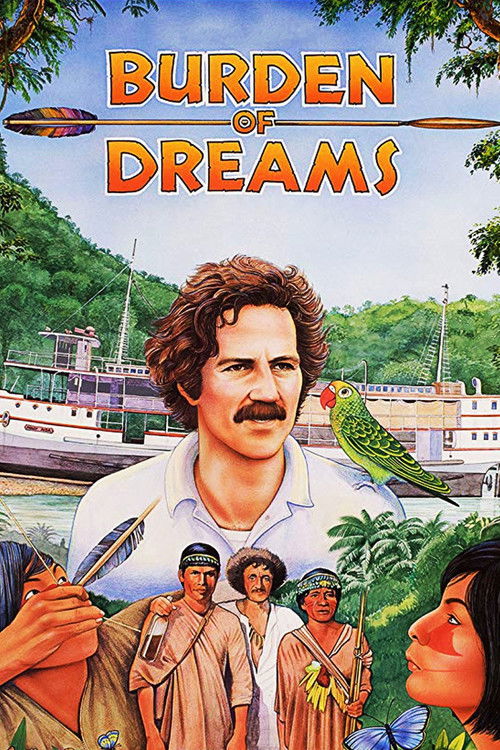
Burden of Dreams1982
Werner Herzog's documentary about the making of *Fitzcarraldo*. Raw, unflinching look at artistic obsession colliding with nature, money, ego—the costs of pursuing a vision when odds are impossible.
But It's a grueling watch about a bruising shoot. Herzog's fatalistic tone and the suffering on display make it feel draining rather than inspiring.
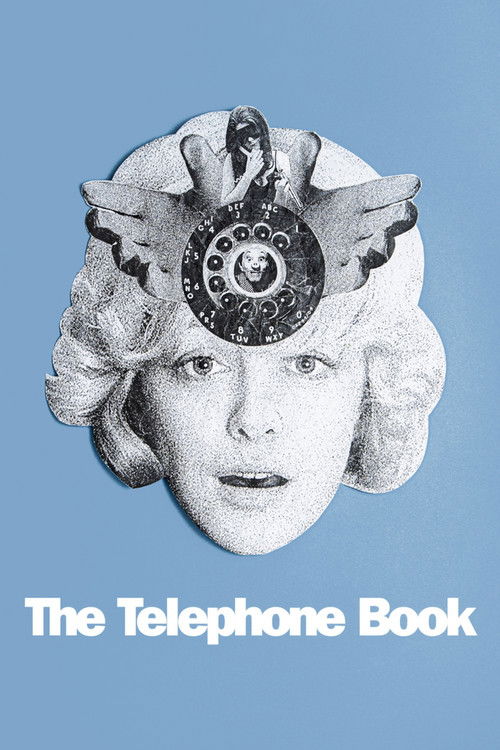
The Telephone Book1971
An obscure experimental film made on minimal budget with maximum ambition and weirdness. Shares *Inferno*'s DNA: a visionary artist trying to realize impossible psychological states through cinema, regardless of commercial sense.
But It's sexually explicit, formally chaotic, and genuinely difficult. Experimental cinema from this era hasn't aged in ways that make it accessible.
Synecdoche, New York2008
Both work is about the gap between artistic vision and what can be realized. *Synecdoche* imagines what happens if that artist never stops trying; *Inferno* shows what happens when forces beyond his control stop him.
Charlie Kaufman's dizzying film about an artist creating an impossibly ambitious work that consumes everything—his health, his money, his sanity. Not a documentary, but structurally it *is* about the collapse of artistic vision under its own weight, told with surreal intensity.
But It's oblique, digressive, and genuinely confusing in ways that frustrate rather than delight many viewers. Kaufman's tone is bleak without much relief.

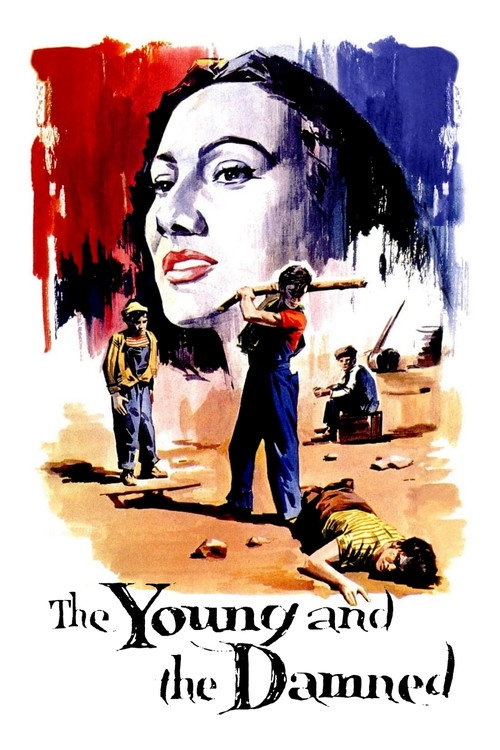
The Young and the Damned1950
Clouzot and Buñuel were contemporaries obsessed with cinema's capacity to express psychological extremity. *Inferno*'s visual style—warped lenses, distorted geometry—echoes Buñuel's surrealist toolkit for making the inner world visible.
Luis Buñuel's surrealist exploration of poverty and childhood in Mexico City, using dream sequences and psychological distortion to convey inner life. Shares *Inferno*'s commitment to expressing the irrational—not narrative clarity, but visual and emotional truth.
But It's a black-and-white film from 1950, visually stark and emotionally brutal. The subject matter—abandoned children, violence—is never softened for comfort.
People
Cast
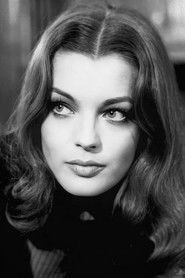 Romy SchneiderOdette (archive footage)
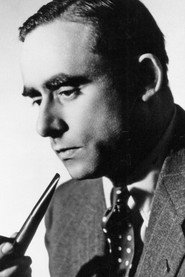 Henri-Georges ClouzotSelf (archive footage)
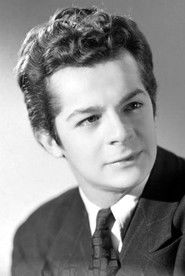 Serge ReggianiMarcel (archive footage)
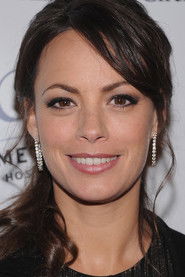 Bérénice BejoOdette
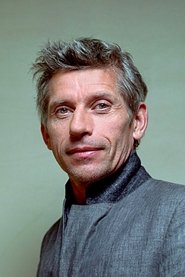 Jacques GamblinMarcel
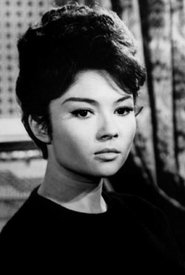 Dany CarrelMarylou (archive footage)
- Jean-Claude BercqMartineau (archive footage)
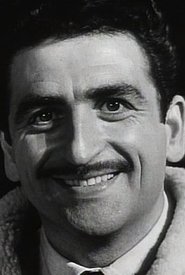 Mario DavidJulien (archive footage)
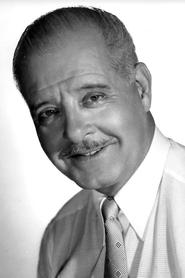 André LuguetDuhamel (archive footage)
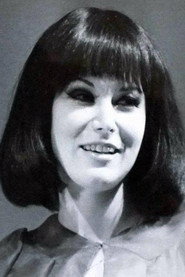 Barbara SommersMme. Bordure (archive footage)
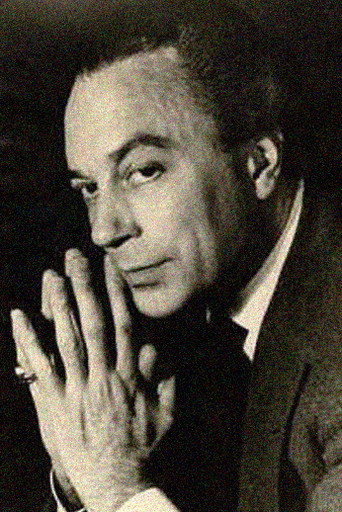 Maurice TeynacM. Bordure (archive footage)
 Blanchette BrunoyClotilde (archive footage)
Directing
- Ruxandra MedreaDirector
- Serge BrombergDirector
Writing
- Serge BrombergWriter
Production
- Marianne LèreExecutive Producer
- Serge BrombergProducer