
Film
Room 237
Five obsessive interpreters explain, in overlapping voiceover, why The Shining is secretly about the Holocaust, or Native American genocide, or the moon landing — while director Rodney Ascher lets Kubrick's own footage illustrate their theories, deadpan. It's less about being right than about watching intelligent people talk themselves into certainty. Funny, uncanny, a little sad. Best enjoyed by anyone who has ever fallen down a wiki rabbit hole at 2am.
If you liked this
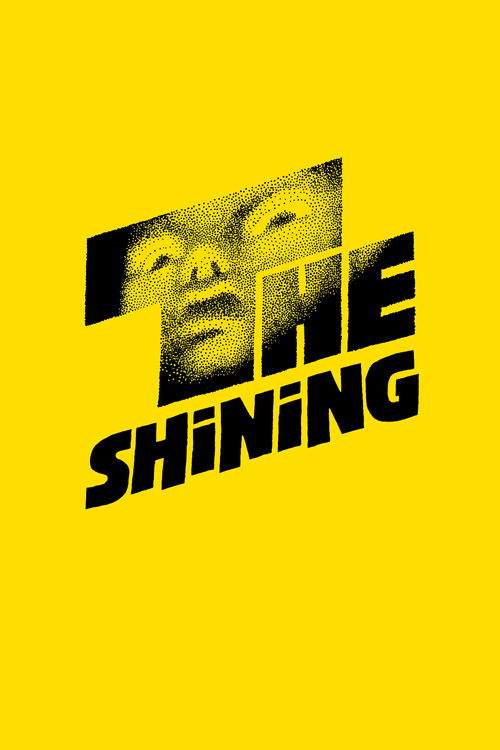
The Shining1980
The primary text. Watching it after Room 237 is a genuinely different experience — you'll catch yourself scanning for continuity errors like they're clues, whether you believe the theories or not.
But If you've seen it a dozen times already, there's nothing new here except your own paranoia.'
Los Angeles Plays Itself2004no page yet
Another feature-length video essay built entirely from other people's footage, this time turning decades of movies shot in LA into a sly, opinionated history of the city itself.
But Nearly three hours of narration over clips is a big commitment, and its politics are more pointed than Room 237's studied neutrality.
Casting JonBenet2017
A true-crime documentary that keeps interrupting itself with actors auditioning to play the case's real people, exposing how many competing stories get projected onto one unsolved mystery.
But The subject is a child's murder, not a horror movie — it's a much heavier, more uncomfortable ride.

The wildcard
Something you would not have found on your own.
F for Fake1973
Room 237 is a documentary about people constructing truth from unreliable evidence; F for Fake got there first, as a documentary that admits it's doing the same thing to you, on purpose.
Orson Welles turns a documentary about an art forger into a essay on his own career of trickery, narrating in first person while footage lies to you in real time. Playful, self-implicating, decades ahead of its moment.
But Welles's editing rhythm is deliberately disorienting, and some viewers find the constant wink exhausting rather than charming.

More like this (8)
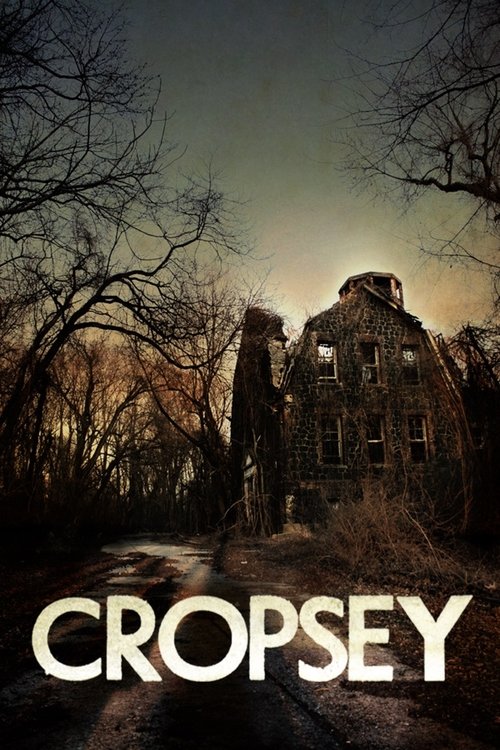
Cropsey2010
Local urban legend, real missing children, and a documentary crew trying to work out where the myth ends and the facts begin. Same appetite for pattern-hunting, aimed at something true and grim.
But It's genuinely disturbing and offers little of Room 237's playful distance.
Full Metal Jacket1987
Another Kubrick film built on precise, deliberate imagery that rewards obsessive rewatching — you'll find yourself doing exactly what the Room 237 subjects do, just to a different film.
But It's a war film with none of The Shining's supernatural pull, so the obsessive urge may not follow you into it.

The Nightmare2015
Rodney Ascher's follow-up, using the same reenactment-plus-voiceover technique on sleep paralysis sufferers instead of film theorists. Same director, same fascination with subjective, unverifiable experience.
But It's more straightforwardly a horror film than a documentary about interpretation, so the intellectual angle is thinner.

American Movie1999
A documentary about a broke, hopeless amateur filmmaker's obsessive quest to finish his horror short. Funnier and sadder than it sounds, and just as interested in obsession outrunning talent or evidence.
But No Kubrick, no conspiracy — the connection is tonal and thematic rather than subject matter.

Winnebago Man2010no page yet
A filmmaker tracks down the man behind a viral outtake reel and finds the internet's obsession with him has calcified into its own mythology, much like the theorists' relationship to Kubrick.
But It's a much lighter, scrappier film with lower stakes than anything involving The Shining.
Lo and Behold: Reveries of the Connected World2016no page yet
Werner Herzog interviewing obsessives of every stripe about the internet, with the same wandering, essayistic curiosity about what happens when belief outpaces certainty.
But It's diffuse by design, hopping between subjects rather than staying locked on one film the way Room 237 does.
Pi1998no page yet
Same phenomenon, different costume: apophenia, the compulsion to find meaningful patterns in noise. Room 237 studies it in real people; Pi dramatizes it from the inside, as a thriller.
Darren Aronofsky's grainy black-and-white debut follows a mathematician convinced a number pattern governs the universe — stock markets, scripture, everything. Feels like the inside of a Room 237 theorist's head, dramatized.
But It's a fiction film with a mounting sense of dread and no reassuring narrator; there's no equivalent of laughing along with the Shining obsessives here.
Behind the Curve2018
Same engine as Room 237 — smart, sincere people building an entire worldview from selective evidence — but played completely straight, with empathy instead of wit, which reveals how much tone shapes whether obsession looks charming or tragic.
A sincere, non-mocking documentary about flat earth believers, following their friendships, their experiments, and the moment some of their own evidence quietly disproves them on camera.
But There's no irony or fun here — it's a patient, sometimes painfully sympathetic look at people who can't let go of a belief, and it stays with you.

People
Cast
- Bill BlakemoreSelf
- Geoffrey CocksSelf
- Juli KearnsSelf
- John Fell RyanSelf
 Jay WeidnerSelf
Directing
- Rodney AscherDirector
Writing
- Rodney AscherWriter
Production
- Andrew HerwitzAssociate Producer
- P. David EbersoleExecutive Producer
- Todd HughesExecutive Producer
- Tim KirkProducer