
Film
David Lynch: The Art Life
- Biopic
- Slow-burning
A rare, unhurried portrait of David Lynch's formative years—from his Midwestern childhood through his art education to early filmmaking. Lynch guides us through the places and experiences that shaped his vision, speaking with unusual openness. It's a meditation on creative genesis rather than a career retrospective, quiet and deeply humane.
Should you watch it?
Watch it if you are drawn to how artists make work out of their own private obsessions, and enjoy hearing a mind talk about its process rather than its finished films.
Skip it if you want a brisk film, since this is gentle, talky and mostly Lynch reminiscing, with little of the strangeness of his features.
What it asks of you: Settle in for a brief, unhurried sitting of under ninety minutes, with long pauses and an interview rhythm, offered at a patient, unforced pace.
Not sure? Find tonight's pick in a minute.
If you liked this
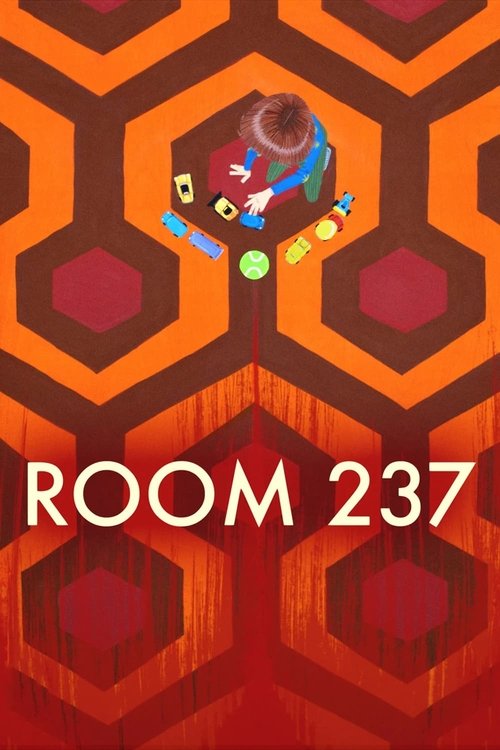
Room 2372012
A documentary essay on obsession and interpretation, where cinephiles excavate the hidden architecture of *The Shining*. If you loved how Lynch describes the accumulation of small images into meaning, this is the mirror held up to that process.
But It's abstract criticism, not narrative—long stretches are just voiceover against film footage. Some theories are... speculative. It requires patience and genuine interest in film analysis.
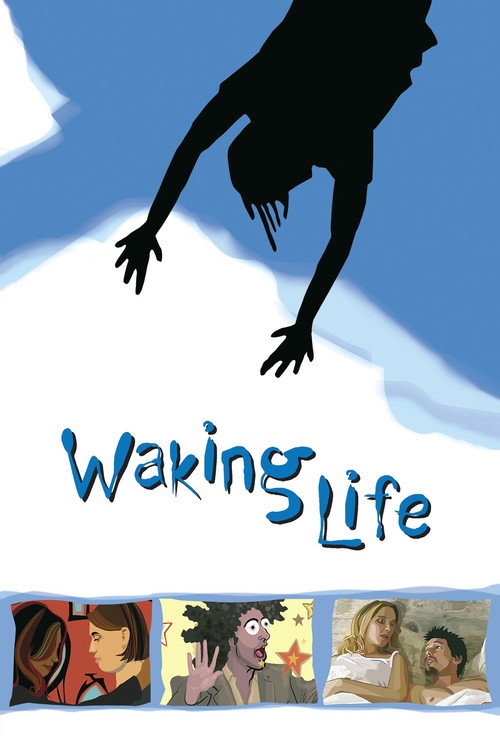
Waking Life2001
Rotoscoped animation of a man moving through dreams, encountering philosophers and artists in conversation. The same fascination with how consciousness works, how images speak, how dialogue can hypnotize. Beautiful and strange without being inaccessible.
But The plot is deliberately insubstantial. If you need narrative propulsion or character arcs, this will feel like philosophy class. Some viewers find the animation style repetitive.
Synecdoche, New York2008
Charlie Kaufman's fever dream about an artist constructing a life-sized replica of New York inside a warehouse. A meditation on creation, obsession, the impossibility of capturing reality—spiritual cousins to Lynch's sensibility about meaning hiding in mundane textures.
But It's deliberately exhausting and can feel pretentious. The narrative spirals inward until it becomes almost impenetrable. Not a comfort watch.

Not sure tonight? Get a pick in a minute, starting from David Lynch: The Art Life
The wildcard
Something you would not have found on your own.
Stalker1979
Both filmmakers understood that cinema's power lies in duration and accumulated detail rather than plot. Both work with the spaces between dialogue, the weight of stillness. Both ask: what does it mean to look at something long enough to truly see it?
Tarkovsky's three-hour meditation on desire, faith, and the impossible search for meaning. A film that moves at the speed of thought, trusting silence and landscape to convey what cannot be said. The spiritual inverse of narrative drive.
But It is almost aggressively slow. Entire scenes are just people walking. If you're watching to stay entertained, you will struggle enormously.

More like this (7)
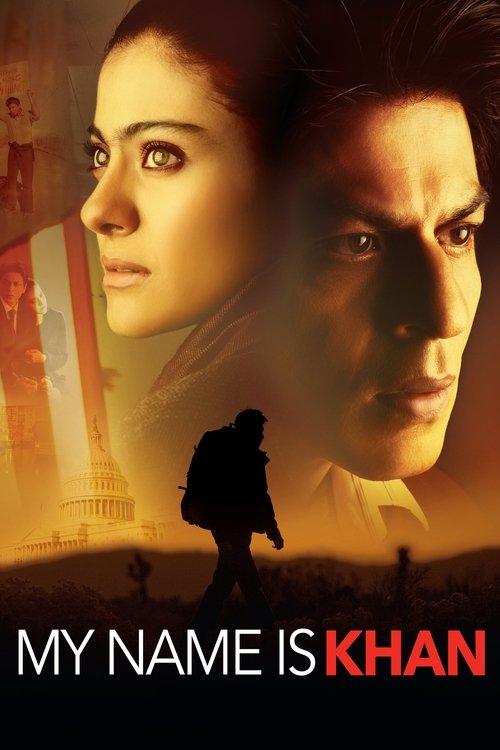
My Name Is Khan2010
A documentary following the reclusive artist Hilma af Klint as she's finally recognized. Like *The Art Life*, it's a portrait of someone working in near-total obscurity, driven by inner necessity rather than recognition, creating from a place most can't access.
But It's a modest, slow film about an obscure artist. If you need dramatic stakes or a compelling personality, the meditative approach might feel static.
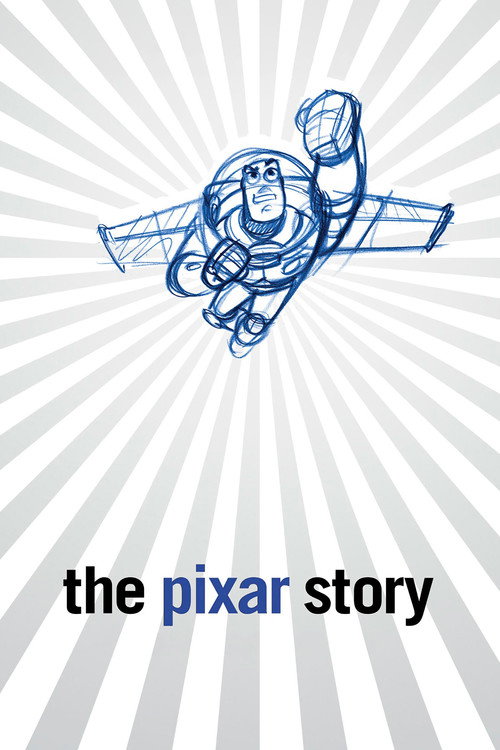
The Pixar Story2007
A behind-the-scenes account of how a group of artists built an empire from scratch, balancing commercial pressure with creative vision. For anyone curious about how the artistic impulse survives in institutional contexts.
But It's essentially a corporate history, occasionally celebratory in ways that flatten complexity. The depth stops at the studio doors.
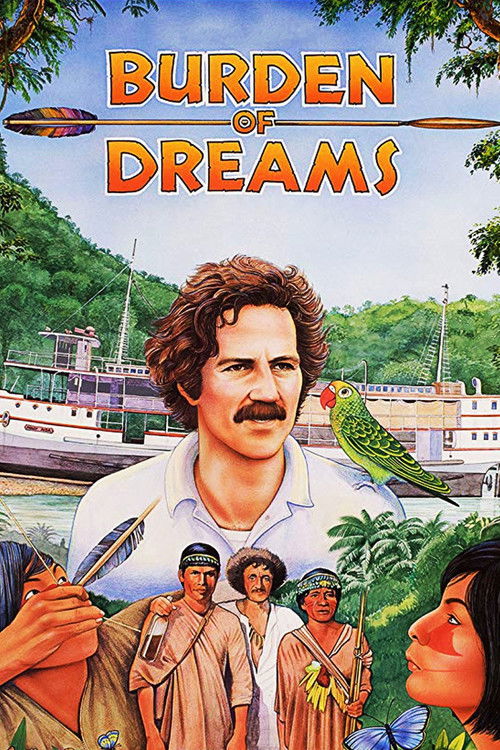
Burden of Dreams1982
Fitzcarraldo's making-of documentary. Werner Herzog's obsessive vision colliding with the Amazon—chaos, ambition, and the director's refusal to compromise. A portrait of artistic madness that doesn't sentimentalize it.
But It's chaotic and can feel antagonistic. Herzog's ego is a constant presence. If you want inspiration without the difficult personality, look elsewhere.
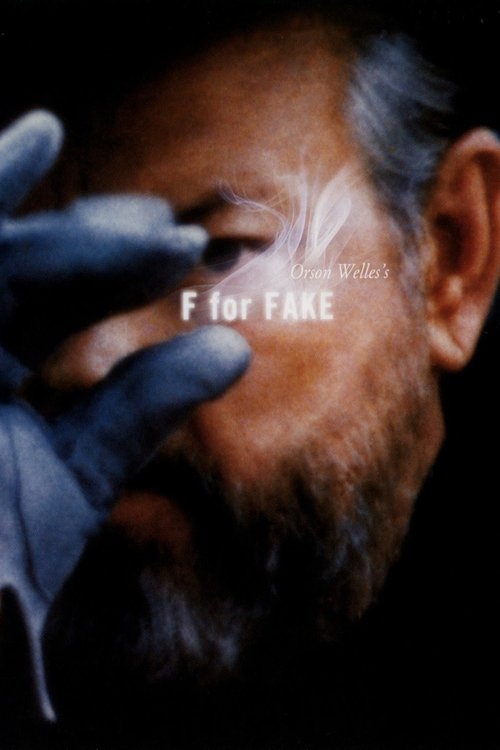
F for Fake1973
Orson Welles playing with documentary form itself—a film about art, forgery, and perception that refuses to settle into any single truth. It's formal experimentation in service of philosophy, exactly Lynch's territory.
But It's fragmented and mischievous in ways that can feel gimmicky. Some find Welles' narration distracting. It doesn't deliver tidy answers.
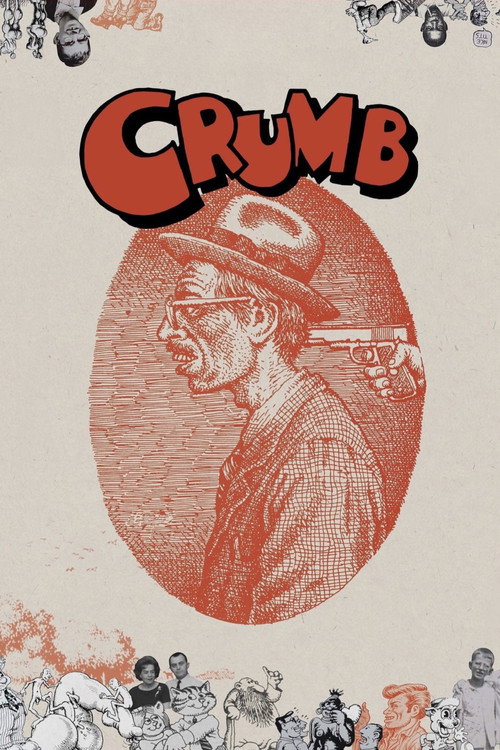
Crumb1995
Terry Zwigoff's portrait of underground cartoonist R. Crumb—a profile of someone making transgressive art from psychological necessity, alone in his apartment. Unsparing, intimate, funny, and deeply sad.
But Crumb is difficult and sometimes repellent. The film doesn't excuse or soften him. It's uncomfortable in ways that feel intentional.
A Ghost Story2017
Like Lynch, David Lowery constructs meaning from the margins of a scene—what exists in the corner of the frame, what time does when no one is watching. Both make metaphysical horror that doesn't announce itself as such. Both trust the audience's patience.
A man dies and returns as a ghost beneath a white sheet, watching time move through his empty house. It's metaphysical and absurd and achingly human—about legacy, forgetting, the persistence of presence. Made with minimal means but maximum emotional weight.
But It's deliberately strange and can seem silly on paper. Long, quiet scenes with minimal dialogue. No conventional catharsis. Some find it pretentious or slow to the point of tedium.

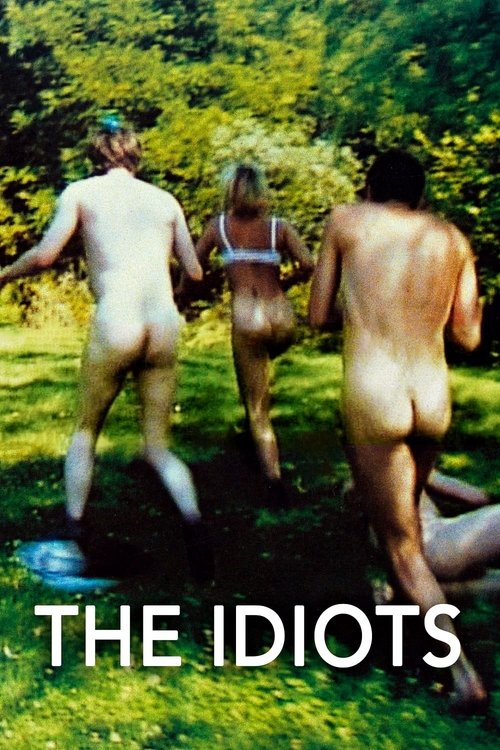
The Idiots1998
Both Lynch and Lanthimos see the everyday as inherently grotesque and uncanny. Both use formalism and distance as a way of seeing clearly rather than hiding. Both understand that discomfort can be a route to truth.
Yorgos Lanthimos's first feature: a bizarre, formal staging of family dysfunction with almost Brechtian distance. Not what Lynch makes, but driven by the same conviction that everyday life contains profound strangeness if you refuse to look away from it.
But It's very stilted and deliberately artificial in its performances. No emotional warmth whatsoever. The humor is cold and alienating. If you want human connection, this rejects it.
People
Cast
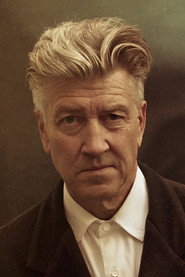 David LynchSelf
- Lula LynchSelf - David Lynch's Daughter
Directing
- Jon NguyenDirector
- Olivia Neergaard-HolmDirector
- Rick BarnesDirector
Writing
- Isabel AndrésScript Consultant
- Pilar AlessandraScript Consultant
Production
- A.D. LianoAssociate Producer
- Adam CrossnoeAssociate Producer
- Adam HardingAssociate Producer
- Airrion CopelandAssociate Producer
- Alain CayrolAssociate Producer
- Alina HolgateAssociate Producer
- Andreas BätzelAssociate Producer
- Brandon DinklageAssociate Producer
- Brett McConnellAssociate Producer
- Carol GrayAssociate Producer
- Chad Miles RomneyAssociate Producer
- Clayt HudsonAssociate Producer
- Collette CarpenterAssociate Producer
- Don ErlandsonAssociate Producer
- Elliot V. KotekAssociate Producer
- Grace June CleereAssociate Producer
- Greg SchulerAssociate Producer
- Henry SelfAssociate Producer
- Herve Gorree WeryAssociate Producer
- Huib SnijdersAssociate Producer
- Igor MasnjakAssociate Producer
- Jacques BurtinAssociate Producer
- Jeremy HobbsAssociate Producer
- Jessica GerlachAssociate Producer
- Joni Steele KimberlinAssociate Producer
- Joseph GribbinAssociate Producer
- Kip PiperAssociate Producer
- Mahlon ChuteAssociate Producer
- Mario Van der MeulenAssociate Producer
- Mark PickenheimAssociate Producer
- Mark ReynoldsAssociate Producer
- Matt BrandsteinAssociate Producer
- Nickie HuaiAssociate Producer
- Palmer Stilwell TaipaleAssociate Producer
- Rory BhandariAssociate Producer
- Scott GriederAssociate Producer
- Stuart Douglas HarrisAssociate Producer
- Thure MunkholmAssociate Producer
- Yasmine MehmetAssociate Producer
- Anders V. ChristensenCo-Producer
- Dominick DudaCo-Producer
- Kristina Maaetoft-UdsenCo-Producer
- Marina GirardCo-Producer
- Adam F. GoldbergExecutive Producer
- Aga WasiakExecutive Producer
- Alexandre GamaExecutive Producer
- Christophe VandaeleExecutive Producer
- Josefine BotheExecutive Producer
- Kurt KittlesonExecutive Producer
- Lawrence MakowExecutive Producer
- Vince Di MeglioExecutive Producer
- Jason S.Producer
- Jon NguyenProducer
- Sabrina S. SutherlandProducer