
Film
Waking Life
Richard Linklater's rotoscoped fever dream follows a young man drifting through a series of lucid dreams, each one populated by strangers holding forth on consciousness, free will, and the nature of reality. There's no plot to speak of, just wandering, talking, and increasingly strange visuals. It's for anyone who likes their movies to feel like a 3am dorm-room conversation that somehow becomes profound.
If you liked this
Before Sunrise1995
Same director, same escalating walk-and-talk rhythm, but here the philosophizing serves a love story instead of a dream. Hawke and Delpy fall for each other in real time, one conversation at a time.
But If the plotlessness of Waking Life wore you out, more unbroken dialogue might not be the palate cleanser you want.

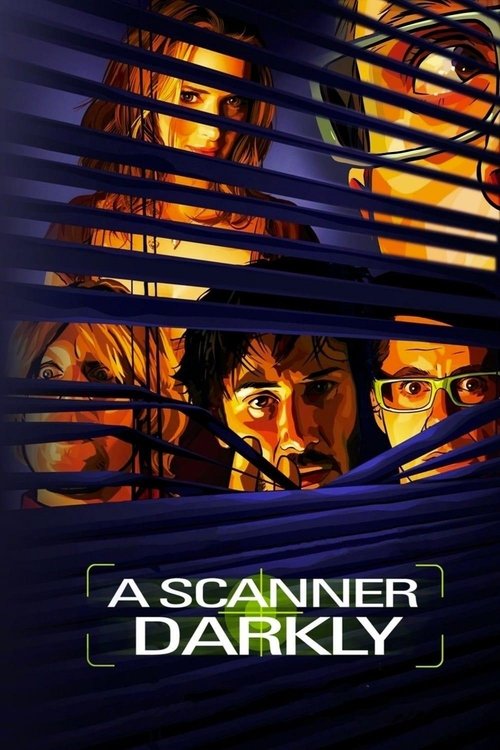
A Scanner Darkly2006
Linklater reuses the same interpolated rotoscope animation for a paranoid Philip K. Dick adaptation about identity dissolving under drugs and surveillance. Same technique, much darker engine.
But It's tighter and grimmer, a genre thriller with dread instead of Waking Life's loose, floating curiosity.
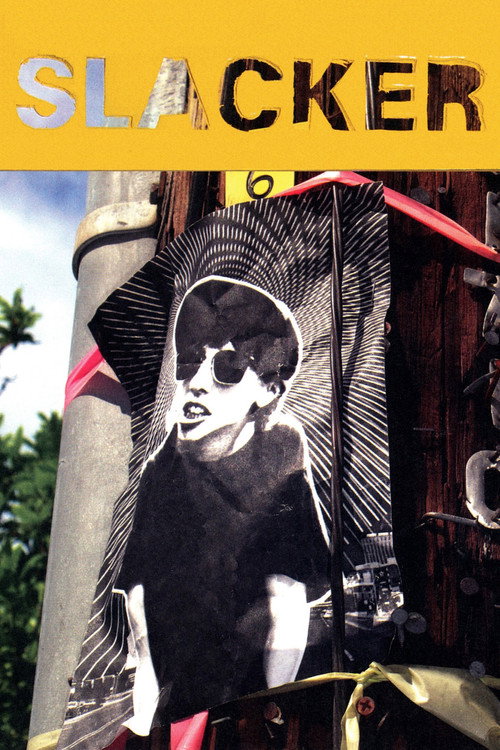
Slacker1990
Linklater's original blueprint: a camera that drifts from stranger to stranger through Austin, eavesdropping on half-baked theories and rants. Funnier and scrappier, the same restless structure.
But No animation, no dream framing, no cosmic stakes—just talkative twentysomethings being talkative.
The wildcard
Something you would not have found on your own.
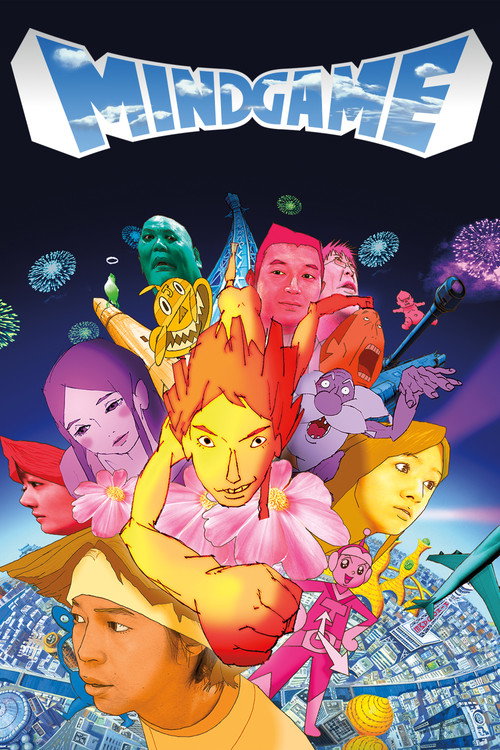
Mind Game2004
Both films suspend a protagonist between life, death, and dream while using animation itself to embody a mind coming loose—Waking Life does it as a hushed seminar, this does it as a fireworks display.
A Japanese animated film about a man given an absurd second chance at life, told through constantly shifting animation styles that mirror his unraveling mental state—ecstatic, strange, and alive in a way few animated films dare to be.
But It's manic and tonally whiplash-inducing, closer to a sugar rush than a meditation—not everyone wants their philosophy delivered at this volume.
More like this (8)
My Dinner with Andre1981
Two men, one dinner table, ninety minutes of pure conversation about theatre, mysticism, and how to live. It's the minimalist ancestor of Waking Life's talking-heads philosophy.
But Completely static and grounded in the real world—no visual invention to soften the density of the talk.

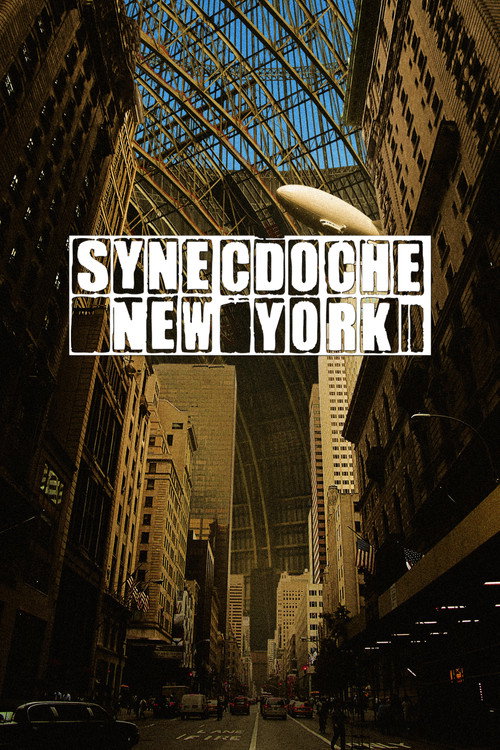
Synecdoche, New York2008
Charlie Kaufman's spiraling meditation on death, identity, and self-deception, where reality keeps folding in on itself much like Waking Life's dream logic, but rooted in grief.
But It's punishing rather than playful—dense, sad, and deliberately disorienting in a way that can feel bleak.
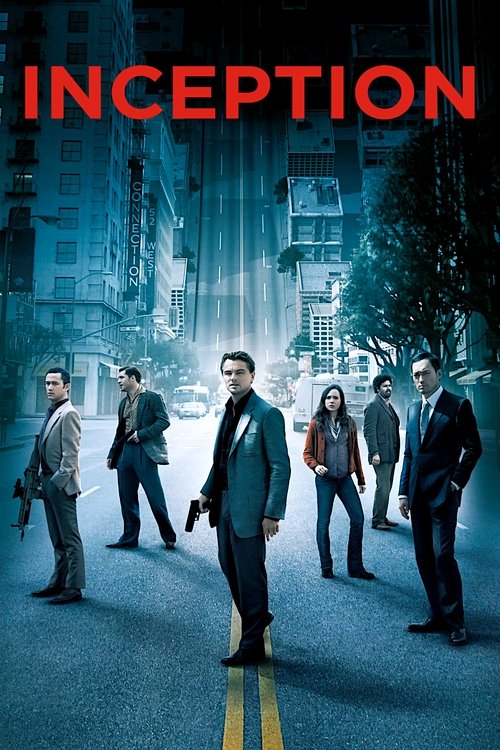
Inception2010
Dream logic and questions of reality turned into a slick blockbuster heist, for when you want the ideas of Waking Life with a plot, stakes, and a score.
But The philosophy becomes plot machinery here—satisfying, but much less contemplative than a wandering dream.
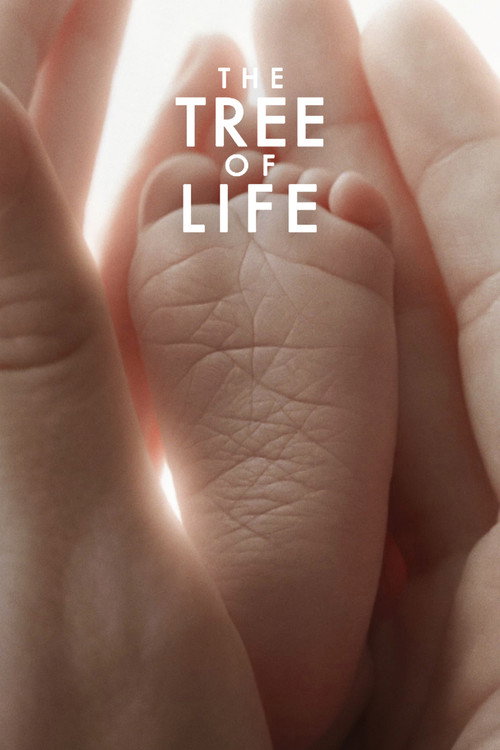
The Tree of Life2011
A visual, near-wordless essay on existence, memory, and cosmic scale, trading Waking Life's chatter for pure image and music to reach for the same big questions.
But Slow, elliptical, and light on dialogue—the opposite of Waking Life's talkiness, which may test your patience.
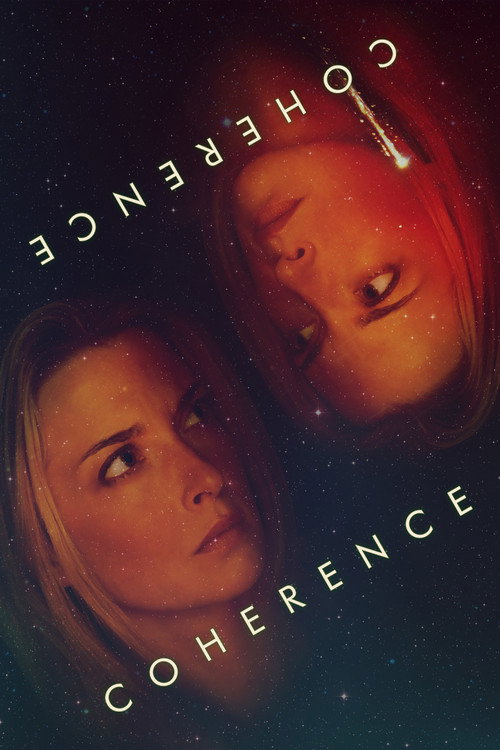
Coherence2014
A tiny, brainy indie about reality splintering during a dinner party after a comet passes overhead—quantum ideas dressed as a low-budget thriller.
But It leans hard into genre tension and paranoia, with none of Waking Life's warmth or open-ended musing.
Mr. Nobody2009no page yet
A sprawling multiverse fantasy about choice, memory, and free will, visually inventive and philosophically restless in the same spirit as Waking Life, just with a plot bolted on.
But It's overlong and occasionally overstuffed, straining under its own ambition in ways Waking Life never does.
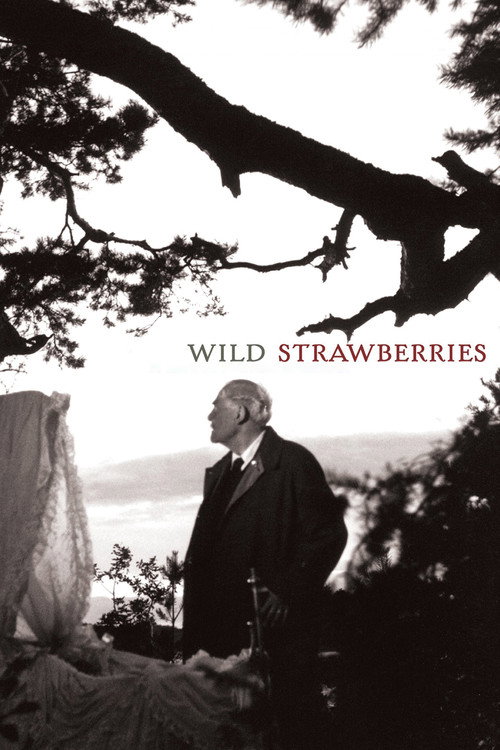
Wild Strawberries1957
Same dissolving boundary between dream and waking life used to ask what a life adds up to—just filtered through grief and old age instead of a college town's coffee shops.
An elderly professor's car journey becomes a passage through memory and dream as he confronts what his life has meant. Bergman was blending waking reality with dream logic to interrogate existence decades before rotoscope existed.
But It's slower, sadder, and black-and-white, with feeling standing in where Waking Life offers argument and chatter.
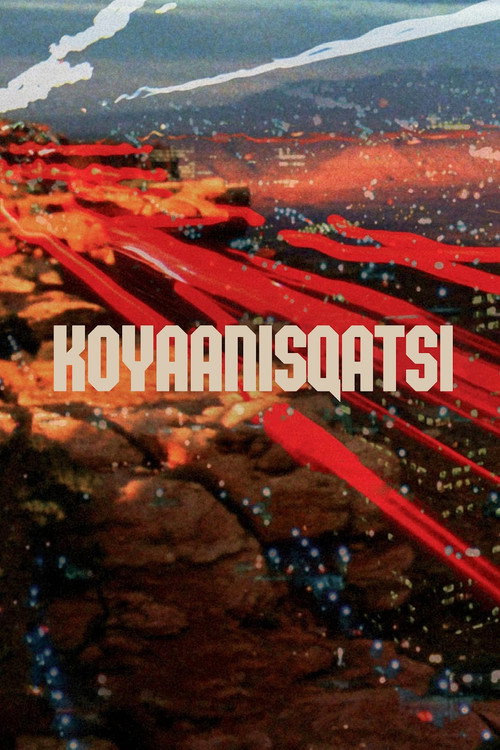
Koyaanisqatsi1983
Where Waking Life tries to loosen your grip on reality through philosophy seminars, this does it purely through rhythm and image, proving you don't need a single word to get there.
A wordless documentary of time-lapse cities and landscapes set to Philip Glass's hypnotic score, built to induce exactly the trance state Waking Life is chasing through conversation—only here, nobody talks at all.
But Zero dialogue, zero narrative—for some it will feel less like a film than an art installation you're stuck watching.
People
Cast
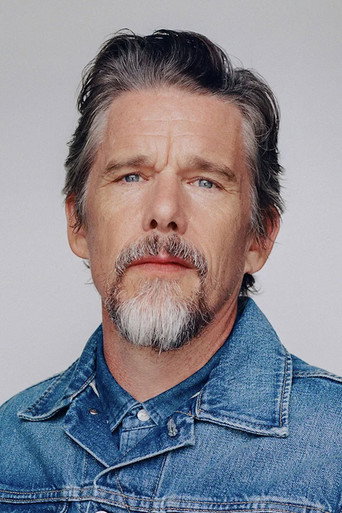 Ethan HawkeJesse
 Julie DelpyCeline
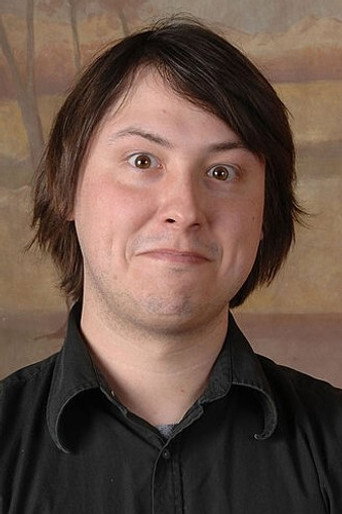 Wiley WigginsMain Character
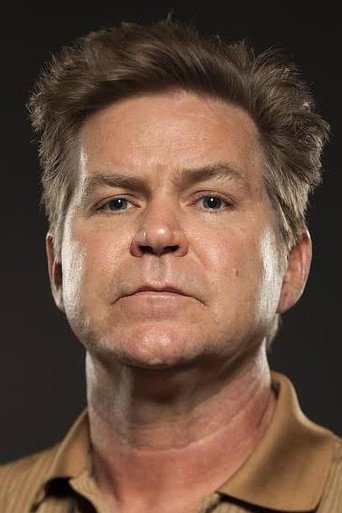 Bill WiseBoat Car Guy
 Alex E. JonesMan in Car with P.A.
 Steven SoderberghInterviewed on Television
 Ken WebsterBartender
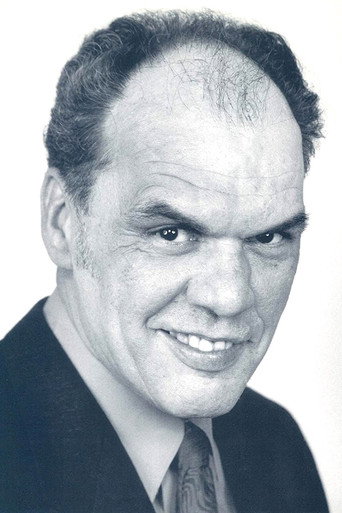 Charles GunningAngry Man in Jail
 Lorelei LinklaterYoung Girl Playing Paper Game
- Trevor Jack BrooksYoung Boy Playing Paper Game
- Glover GillAccordion Player
- Lara HicksViolin Player
Directing
- Richard LinklaterDirector
Writing
- Richard LinklaterWriter
Production
- Lizzie Curry MartinezCasting
- Charlotte WoodCasting Assistant
- Julia HalperinCasting Assistant
- Lindsay DoleshalCasting Assistant
- Caroline KaplanExecutive Producer
- John SlossExecutive Producer
- Jonathan SehringExecutive Producer
- Peter AthertonLocation Manager
- Anne Walker-McBayProducer
- Jonah SmithProducer
- Palmer WestProducer
- Tommy PallottaProducer
- Dave BennettProduction Accountant
- Morgan MilesProduction Accountant
- Kelly WilliamsProduction Assistant
- Laine BatemanProduction Assistant
- Erin FergusonProduction Coordinator
Recommended by
Inception, Paprika, Mind Game, Slacker, My Dinner with Andre, Before Sunrise, The Fountain, Baraka, A Scanner Darkly, Mrs. Dalloway, The Machinist, Undone, Coffee and Cigarettes, Stranger Than Fiction, 20,000 Days on Earth, Fantasia 2000