
Film
Steven Wright: When the Leaves Blow Away
Steven Wright's deadpan genius on full display in this 2006 special. He delivers a relentless stream of absurdist one-liners with zero inflection, turning mundane observations into philosophical puzzles. If you love comedy that trusts the audience to catch every joke—some of which land three seconds after he's said them—this is essential viewing. For people who think funny can be quiet.
If you liked this
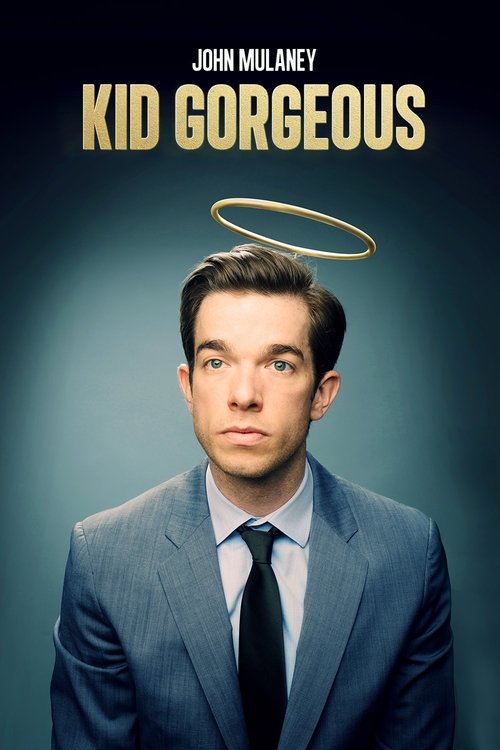
John Mulaney: Kid Gorgeous at Radio City2018
Modern comedy that proves Wright's influence is alive. Mulaney constructs elaborate premises with the same deadpan delivery and unexpected turns. A masterclass in timing and structure.
But It's very polished and theatrical—a different energy than the raw, one-liner-heavy specials of Wright's era.
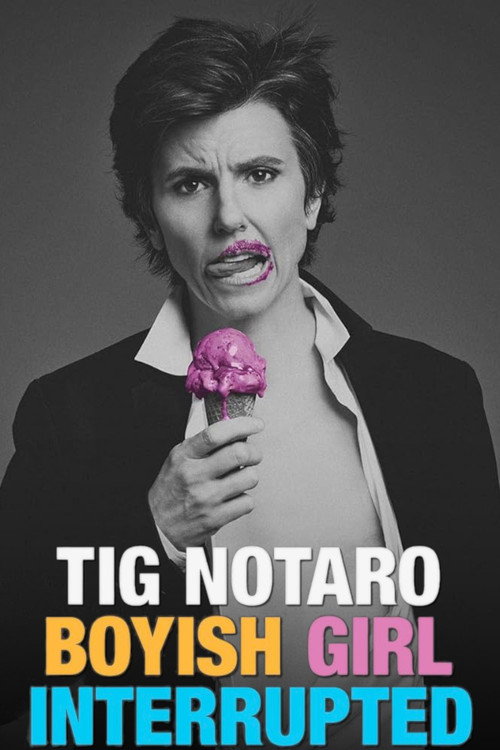
Tig Notaro: Boyish Girl Interrupted2015
Deadpan delivered through an avant-garde lens. Notaro strips comedy down to the bone, trusting silence and discomfort the way Wright trusts the pause. Hypnotic and strange.
But It's experimental and deliberately uncomfortable. If you want traditional joke setup-punchline rhythm, this won't deliver it.
Norm Macdonald: Hitler's Dog, Gossip & Trickery2017
Norm's commitment to dead delivery and non-sequiturs parallels Wright perfectly. He'll spend five minutes on a tangent that seems to lead nowhere, then nail the premise in a single line.
But His style is so oblique that some jokes vanish entirely if you're not paying complete attention. Patience required.

Not sure tonight? Get a pick in a minute, starting from Steven Wright: When the Leaves Blow Away
The wildcard
Something you would not have found on your own.
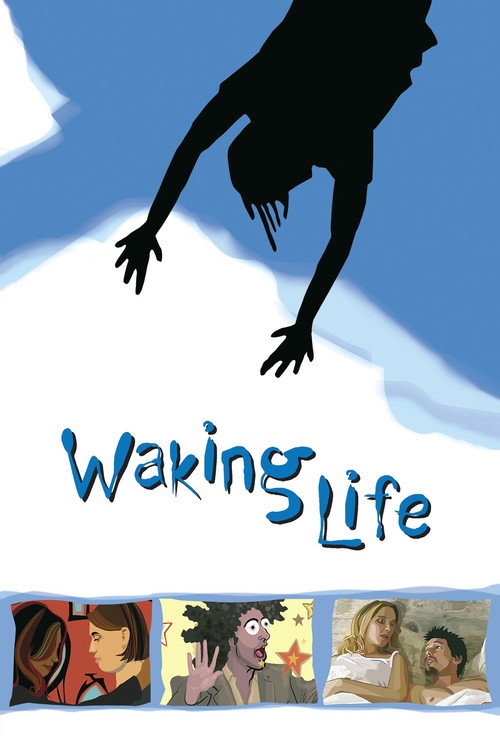
Waking Life2001
Both use deadpan delivery (visual or verbal) to explore how absurd logic and routine observation can open philosophical doors. Neither explains the joke.
Rotoscoped animation of a man moving through dreamlike conversations about free will, consciousness, and meaning. Like Wright's comedy, it trusts the audience to sit with abstract ideas and find meaning in tangents. Both are about how weird ordinary thinking is.
But It's slow, philosophical, and visually disorienting. Zero plot, pure idea-space. Some find it pretentious.
More like this (4)
Dave Attell: Road Work2014
Street-level observations delivered with Wright-like understatement. Attell finds the weird in the everyday, with a looser, more rambling structure that rewards the same kind of attention.
But The pacing is deliberately scattered. It doesn't build to crescendos the way tighter specials do.
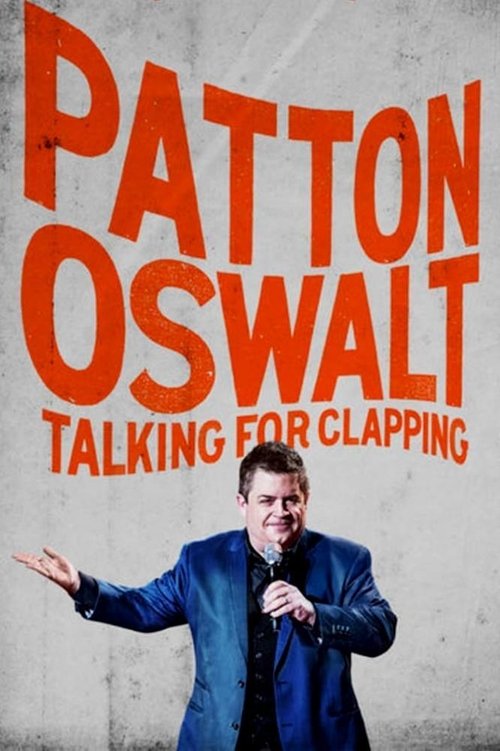
Patton Oswalt: Talking for Clapping2016
Oswalt constructs elaborate comic architectures with meticulous detail. He shares Wright's obsession with finding absurdity in precision and logic.
But At over two hours, it requires serious commitment. Some bits run long and test your patience.
Marc Maron: End Times Fun2020
Maron shares Wright's willingness to sit with discomfort and absurdity. His observations circle ideas rather than punch at them, rewarding close listening.
But The tone is darker and more anxious than Wright's cool detachment. It can feel less fun and more exhausting.

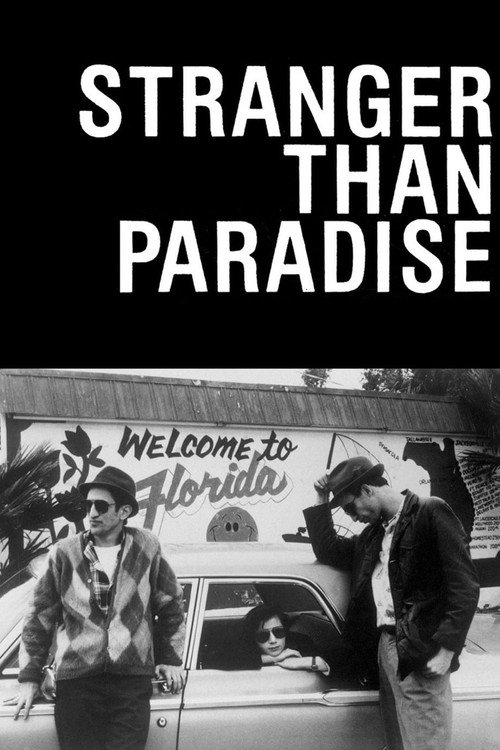
Stranger Than Paradise1984
Both find comedy and humanity in flatness. Jarmusch's visual style mirrors Wright's vocal one: say almost nothing and trust the audience to find the joke in the silence.
Jarmusch's deadpan indie landmark. Long static shots, minimal dialogue, characters who barely emote, humor that emerges from the gap between what's said and what's felt. A film that moves at Wright's rhythm—glacial, precise, quietly hilarious.
But It's deliberately paced to test patience. If you need conventional narrative momentum or obvious jokes, this will feel like nothing is happening.
People
Cast
 Steven WrightHimself
Directing
- Michael DrummDirector
Writing
- Steven WrightWriter