
Film
Tig Notaro: Boyish Girl Interrupted
Filmed in the wake of her cancer diagnosis, breakup, and mother's death, this HBO special finds Tig Notaro back on stage — bone-dry, unhurried, occasionally topless mid-set to show off her double mastectomy scars without ceremony or self-pity. It's stand-up as quiet defiance: funny about Santa impersonators and TSA agents, matter-of-fact about the body underneath. Best for people who like their humour understated and their courage unannounced.
If you liked this
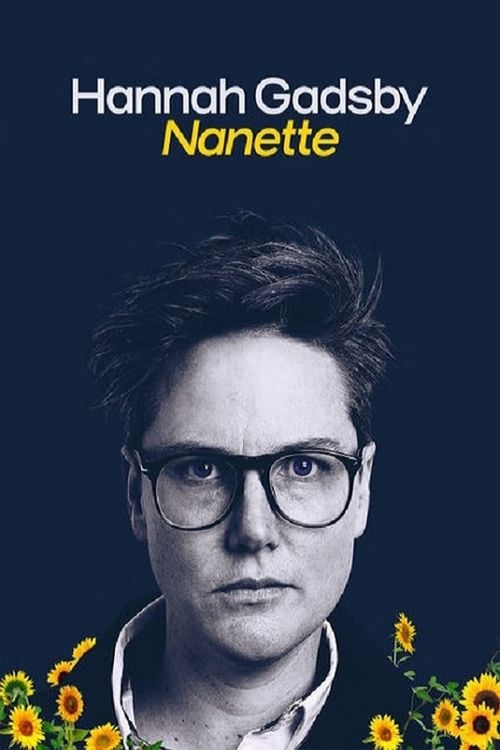
Hannah Gadsby: Nanette2018
A stand-up special that deliberately breaks stand-up, turning jokes about trauma into something closer to a reckoning. Fearless, structurally daring, and impossible to watch passively.
But It gets genuinely furious and uncomfortable by design — not a chill Friday-night watch.
Maria Bamford: Old Baby2017no page yet
Surreal, deadpan, filmed in wildly mismatched rooms (living rooms, a Renaissance fair), Bamford turns mental illness and self-doubt into something both hilarious and strange. A kindred deadpan spirit to Notaro.
But Her rhythms are jumpier and weirder — less measured pause, more sudden left turn.
Mike Birbiglia: The New One2019no page yet
A filmed one-man show about reluctantly becoming a father, told with the same plain-spoken, story-first honesty. Gentle, specific, and quietly devastating in places.
But It's a slow-burn narrative rather than joke-per-minute stand-up, so it asks for patience.
The wildcard
Something you would not have found on your own.
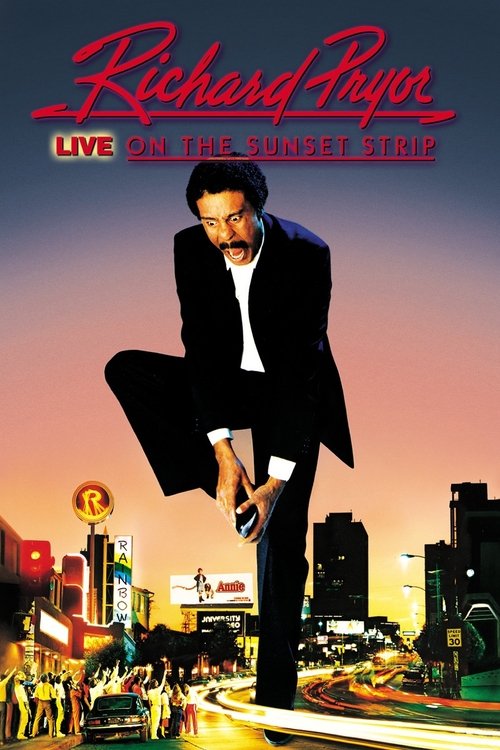
Richard Pryor: Live on the Sunset Strip1982
Pryor invented the move Notaro perfected: walking onstage to talk, unflinchingly and with real jokes, about the thing that almost killed you.
Decades before confessional stand-up was a genre, Pryor stood on stage and turned freebasing, self-immolation, and near-death into some of the most electric comedy ever filmed.
But It's dated in places and far rawer in language and subject than modern specials — this is the source code, not the polished descendant.
More like this (7)
Marc Maron: End Times Fun2020no page yet
Cranky, confessional, and unafraid of dead air, Maron works through anxiety and mortality with the same unhurried candor Notaro brings to her sets.
But His delivery is more agitated and rant-shaped — less serene, more grumbling.
Norm Macdonald: Hitler's Dog, Gossip & Trickery2017no page yet
Macdonald's flat, absurdist timing and refusal to land jokes where you expect them makes for a strange comic cousin to Notaro's pause-heavy style.
But It's shaggier and more digressive — less personal disclosure, more shambling non-sequitur.
Ali Wong: Baby Cobra2016no page yet
Wong is loud, filthy, and heavily pregnant onstage, turning body and motherhood into unapologetic material — a good jolt of energy if you want autobiographical comedy with more bite.
But Tonally it's the opposite of dry — brash, crude, and much faster-paced.
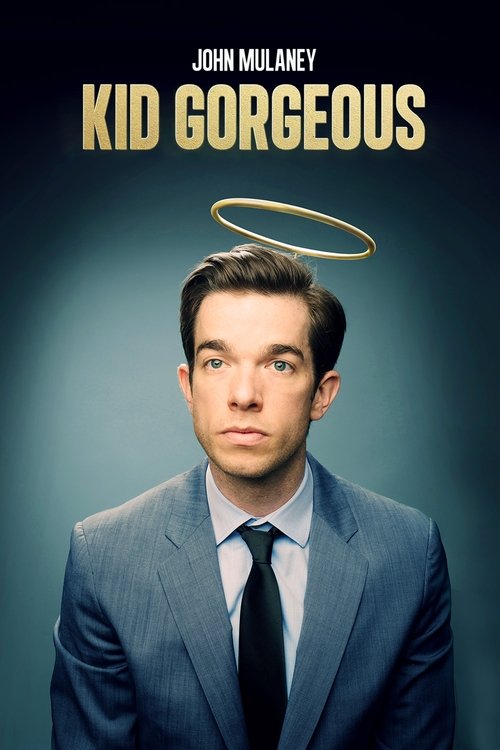
John Mulaney: Kid Gorgeous at Radio City2018
Tightly written, high-energy, and endlessly quotable, Mulaney's precision-engineered stand-up is a satisfying contrast to Notaro's loose, conversational style.
But It's polished where Notaro is raw — more crafted bit, less lived-in vulnerability.
Bo Burnham: Make Happy2016
A self-aware, half-musical dissection of performing and anxiety that ends up somewhere surprisingly personal, if you want a comic exploring similar exhaustion through spectacle instead of stillness.
But Heavily produced and musical — the furthest thing from Notaro's bare-stage minimalism.
50/502011no page yet
Same raw material — cancer, mortality, the absurdity of hospitals — reshaped into genre: a buddy comedy instead of a monologue.
A fictionalized comedy-drama about a 27-year-old facing a cancer diagnosis, written by someone who actually went through it. Funny, sad, and never sentimental about either.
But It's a scripted narrative with actors and a plot, not a person alone on a stage telling you the truth — a very different kind of intimacy.
Everything Is Copy2015no page yet
It's the intellectual backbone of what Notaro does onstage: the belief that turning your worst moment into a story is not exploitation but survival.
A documentary essay on Ephron's credo that everything, including your own divorce and diagnosis, is material — told through her friends, family, and her own sharp prose.
But There's no stand-up in it at all — this is a quieter, more reflective film about the philosophy behind the joke, not the joke itself.
People
Cast
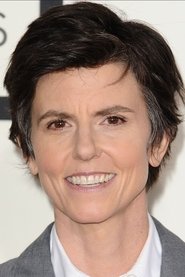 Tig NotaroSelf
Directing
- Jay KarasDirector
- Tig NotaroDirector
Writing
- Tig NotaroScreenplay