
Film
Chris Gethard: Career Suicide
Chris Gethard's raw one-man show about depression, alcoholism, and mental illness, filmed for HBO. He's brutally honest without self-pity, mining dark material for genuine laughs and unexpected tenderness. For anyone who's felt isolated by their own brain or just appreciates comedians willing to sit with real pain.
If you liked this
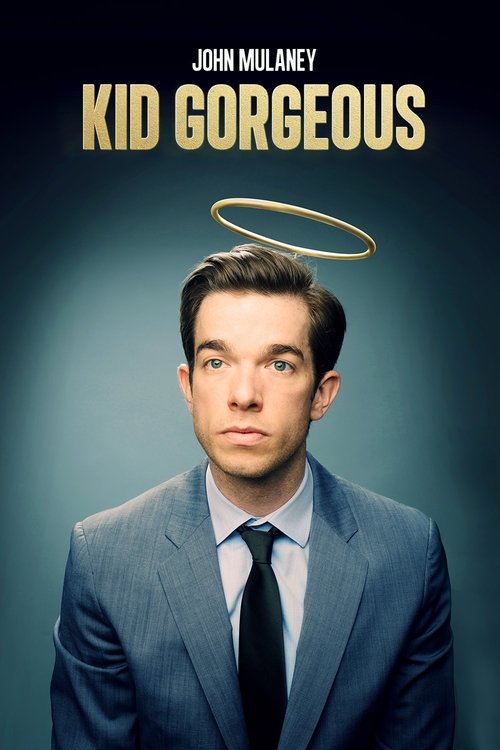
John Mulaney: Kid Gorgeous at Radio City2018
Mulaney's observational brilliance applied to childhood trauma and anxiety. Perfectly constructed jokes that land while covering serious ground. A masterclass in making difficulty digestible.
But It's polished and mainstream-friendly in a way that might feel slicker than what you're looking for if you prefer rawer vulnerability.
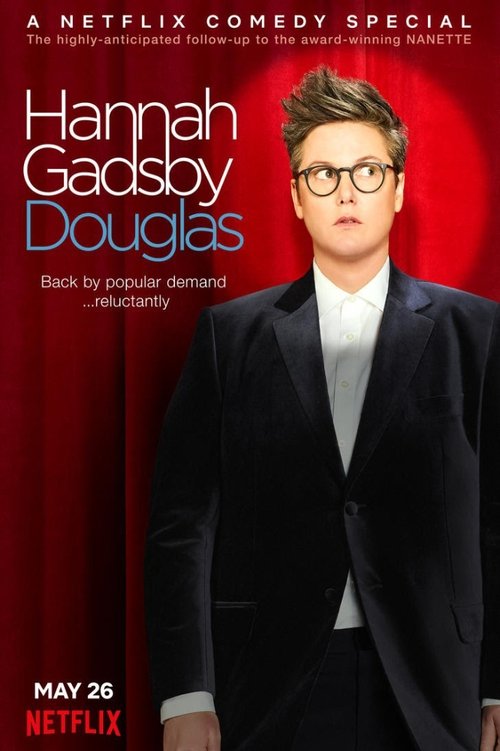
Hannah Gadsby: Douglas2020
Gadsby returned after *Nanette* with a show that's both funnier and equally unflinching about mental health, shame, and the pressure to perform healing. Sharp and surprisingly joyful.
But The first ten minutes feel like they're setting up a lecture, which might test your patience before it opens up.
Marc Maron: End Times Fun2020
Maron's conversational style makes existential dread feel like a chat with an old friend. He's angry and sad and hilarious without ever performing enlightenment he hasn't actually found.
But Some bits meander; his neurotic energy isn't for everyone, and the pacing can feel loose compared to tighter specials.

Not sure tonight? Get a pick in a minute, starting from Chris Gethard: Career Suicide
The wildcard
Something you would not have found on your own.
Crazy Ex-Girlfriend2015
Both refuse the redemption fantasy. Gethard and Crazy Ex both argue you don't get better because you're funny or self-aware—you get better (or you don't) despite everything, and that's the actual story.
A musical dramedy about mental illness, obsession, and self-sabotage that moves between comedy and genuine psychological crisis without losing either. Rebecca's breakdown feels earned and terrifying and real in ways most TV won't touch.
But The earlier seasons play some aspects for laughs that feel uncomfortable in hindsight; the tonal shifts between camp and darkness aren't always graceful.

More like this (8)
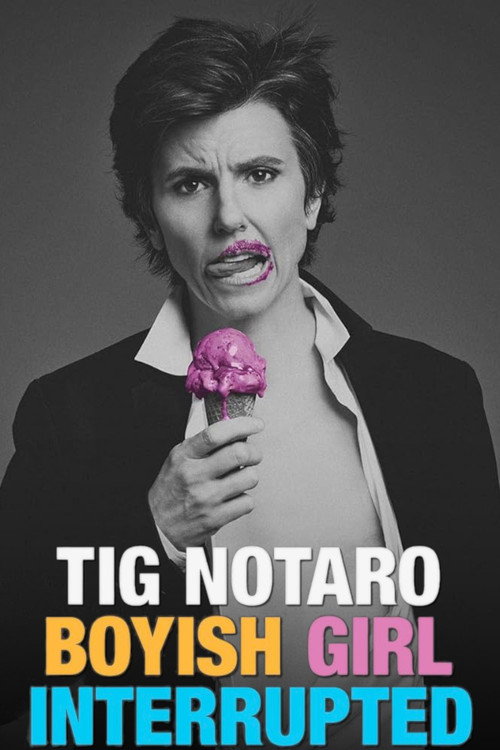
Tig Notaro: Boyish Girl Interrupted2015
Notaro's deadpan delivery makes profound observations about identity, loss, and survival feel inevitable rather than preachy. Her comedy whispers instead of shouts, which makes it cut deeper.
But The minimalist approach and dry tone might feel too understated if you're used to louder comedians demanding your attention.
Maria Bamford: The Special Special Special!2012
Bamford has lived with bipolar II and made a special partly about hospitalisation that's genuinely inventive—animated sequences, multiple versions of herself, raw honesty about medication and survival.
But The experimental format and rapid shifts between tones can feel scattered rather than cohesive to some viewers.

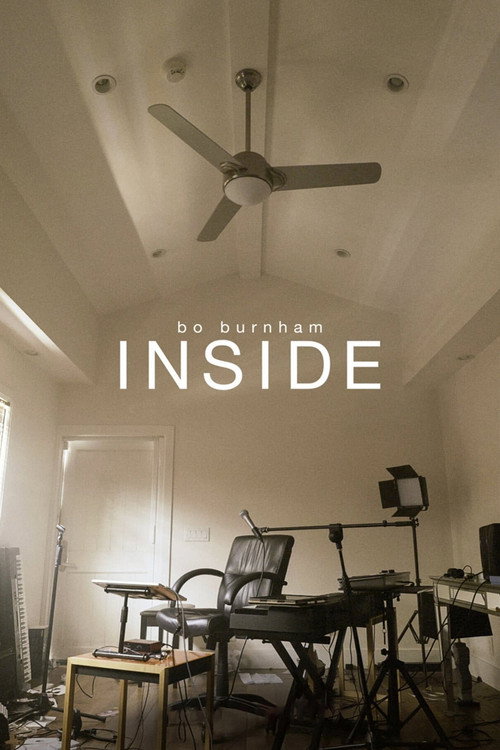
Bo Burnham: Inside2021
Burnham locked himself in a room during the pandemic and made something that's part special, part art project, entirely about loneliness and creative desperation. Visually stunning and emotionally devastating.
But It's more of an experience than a traditional comedy special; long stretches have minimal jokes, which breaks the form some expect.
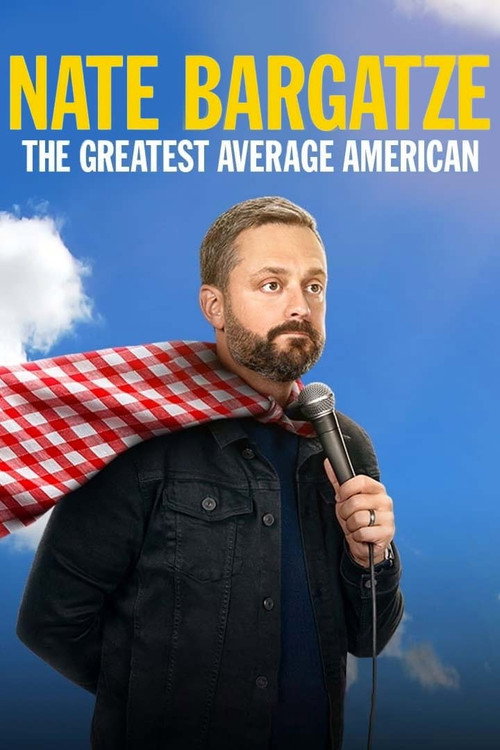
Nate Bargatze: The Greatest Average American2021
Bargatze talks about his bipolar diagnosis, family, and depression with Southern warmth that makes vulnerability feel natural rather than performative. Genuinely funny without punching down.
But His gentle delivery might read as less urgent or impactful compared to comedians with harder edges.
Dave Attell: Road Work2014
Attell's gruff, self-deprecating style turns addiction, loneliness, and failure into pure comedy. He's lived a hard life and finds humour in it without redemption arcs or lessons learned.
But The comedy is darker and meaner than most modern specials; some will find it callous even if that's not the intent.
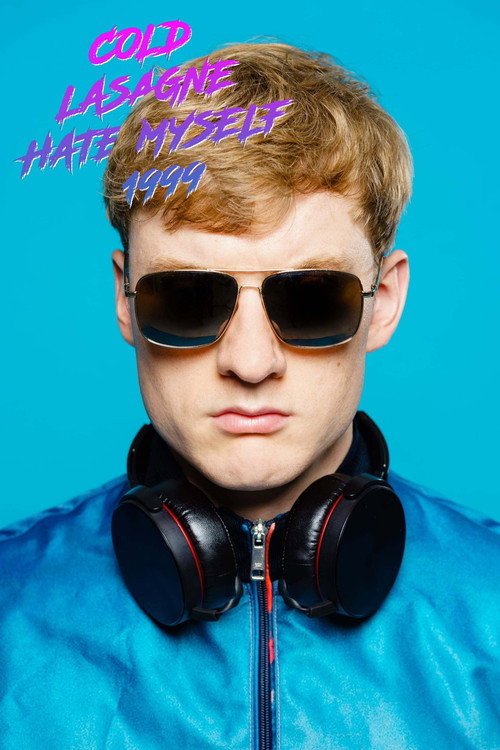
James Acaster: Cold Lasagne Hate Myself 19992020
Acaster talks about depression, therapy, and the gap between who you appear to be and who you actually are. Chaotic and warm, incredibly funny but also genuinely moving.
But It's structured more like a story than a joke delivery, so if you're looking for tight punchlines throughout, the pacing may frustrate you.
Requiem for a Dream2000
Both understand that depression and addiction aren't stories that resolve into punchlines. Both sit in the darkest part of that experience without offering false comfort.
Aronofsky's film about addiction, desperation, and the fantasies we construct to escape reality. Shot in a way that makes mental and substance abuse feel visceral and inescapable. Genuinely upsetting in ways that matter.
But It's punishing cinema designed to make you uncomfortable. No warmth, no hope, no jokes—just the slow destruction of four people. Most viewers watch it once.

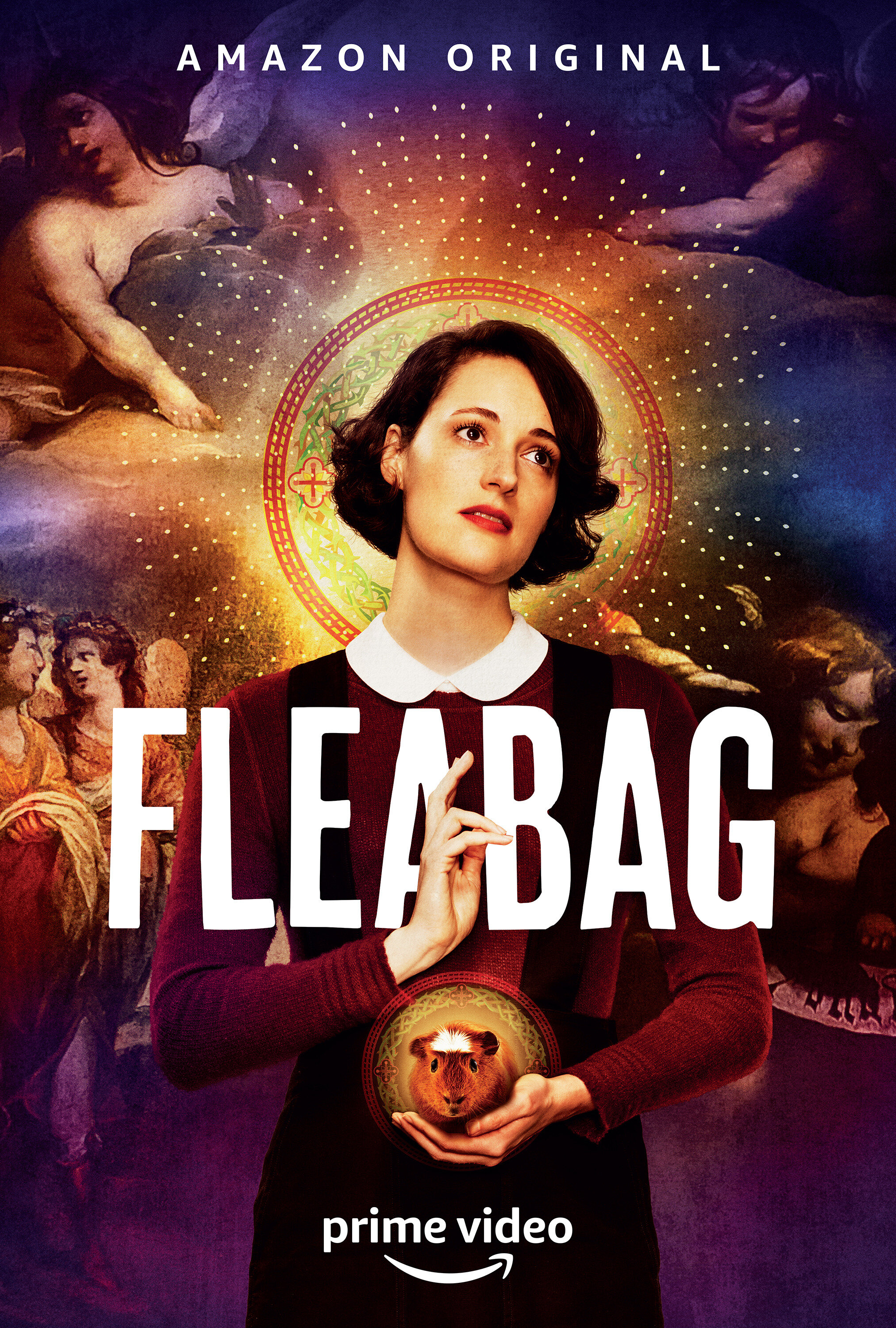
Fleabag2016
Both understand that the funniest people are often the ones in the most pain, and both refuse to let you choose between laughing and believing the hurt is real.
Fleabag breaks the fourth wall and uses comedy as armour against abandonment, shame, and depression. The entire season is about someone using wit to survive emotional disintegration, and it's brutally smart about how comedy functions as survival.
But If you haven't seen Season 1, you'll be lost. And the rapid tonal shifts between crude jokes and genuine trauma can feel manipulative if you resent being made to care.
People
Cast
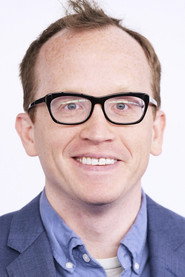 Chris GethardHimself
Directing
- Kimberly SeniorDirector
Writing
- Chris GethardWriter
Production
- Anna WengerExecutive Producer
- Brian SternExecutive Producer
- Chris GethardExecutive Producer
- Judd ApatowExecutive Producer
- Marcus RaboyExecutive Producer
- Mike BerkowitzExecutive Producer
- Emily CohenProducer
- Danny SanchezProduction Manager