
Film
Hannah Gadsby: Nanette
Not so much a comedy special as a controlled demolition of one. Gadsby spends the first half being very funny about being a gay woman from Tasmania, then stops, turns around, and shows you exactly how comedy defuses trauma by refusing to finish the story. What's left is furious, precise, and genuinely upsetting in the best way. Not a relaxing watch — a necessary one.
If you liked this
Tig Notaro: Boyish Girl Interrupted2015no page yet
Notaro turns cancer, breakups and a double mastectomy into something disarmingly matter-of-fact, refusing the sentimentality you'd expect. Like Gadsby, she uses stillness as a punchline.
But Cooler and drier than Gadsby's fury — if you want righteous anger, this is closer to deadpan shrug.
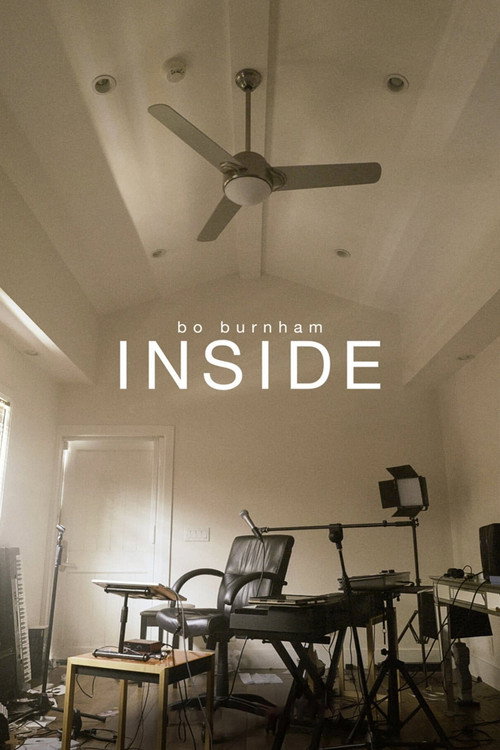
Bo Burnham: Inside2021
Made alone in a room during lockdown, it dismantles the special-as-format the way Nanette dismantles the joke — using the medium itself as the argument.
But Self-aware to the point of exhausting; some find its cleverness a wall rather than a window.
Mike Birbiglia: The New One2019no page yet
A gentler cousin — storytelling stand-up about fatherhood and resentment that trusts long, uncomfortable pauses instead of easy laughs.
But Much lower stakes than Gadsby's material; domestic grumbling rather than structural rage.
The wildcard
Something you would not have found on your own.
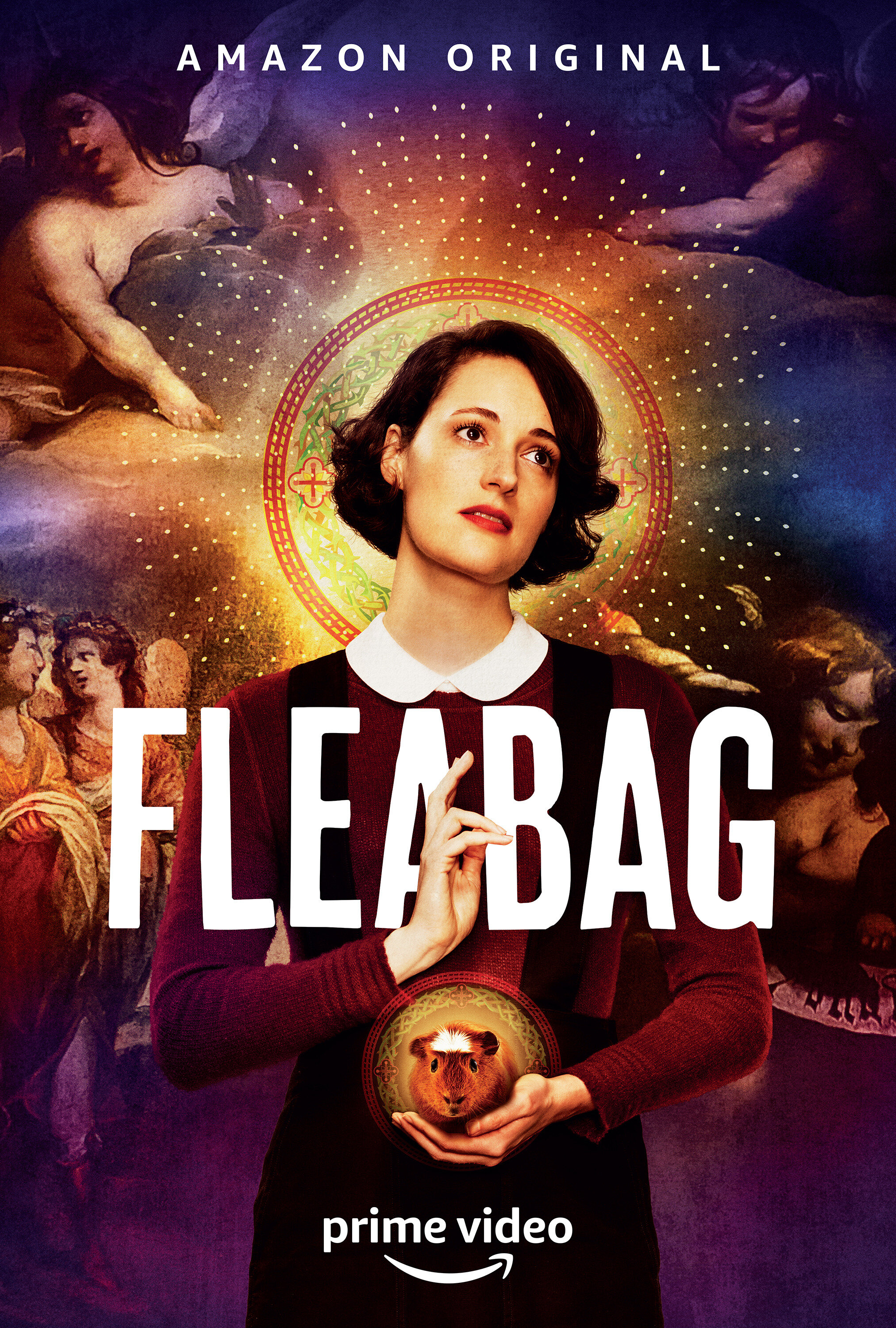
Fleabag2016
Both use direct address and comic deflection as a survival mechanism, then deliberately strip it away to show you what the laughter was covering.
A woman breaks the fourth wall to make you laugh at her own pain — until the show stops letting her get away with it and the joke curdles into grief, exactly like Nanette's second act.
But It's a sitcom-drama, not stand-up, so the connection is structural rather than obvious on the surface.
More like this (8)
Ali Wong: Baby Cobra2016no page yet
Filthy, pregnant, and utterly unbothered — proof that raw honesty about womanhood can also just be a great time.
But No deconstruction here; if you came for the meta-commentary on comedy, this isn't it.
James Acaster: Repertoire2018no page yet
Four hours of increasingly strange, structurally daring stand-up that turns out to be about a breakdown you didn't see coming.
But Very British, very odd pacing — patience required before the emotional gut-punch lands.
Maria Bamford: Old Baby2017no page yet
Bamford performs the same set in wildly different rooms, turning format itself into commentary on mental illness and audience — adjacent formal ambition to Gadsby's.
But Deliberately disorienting; some will find the repetition more baffling than illuminating.
Wanda Sykes: Not Normal2019no page yet
Sharp, political, unafraid to make a room uncomfortable about race and sexuality without losing the laughs.
But More conventional in structure — the anger is there, but it stays inside the joke.
Chris Rock: Tamborine2018no page yet
A masterclass in traditional stand-up craft, using divorce and fatherhood to say something bigger about masculinity.
But Plays it straight — no formal rebellion, just excellent old-fashioned joke-telling.
John Mulaney: Kid Gorgeous at Radio City2018no page yet
Pure, precise craft — if you want a palate cleanser after Gadsby's intensity, this is stand-up doing exactly what it says on the tin, brilliantly.
But Zero interest in interrogating the form; it's comfort food, not confrontation.
Richard Pryor: Live on the Sunset Strip1982no page yet
Same act — trauma converted directly into stand-up material — performed a generation earlier, before anyone thought to question whether the form could hold it.
The granddaddy of turning personal catastrophe — addiction, self-immolation, near-death — into stand-up. Pryor is raw where Gadsby is analytical, but he got there first.
But He still gives you the release Gadsby refuses; it's cathartic where Nanette is deliberately not.
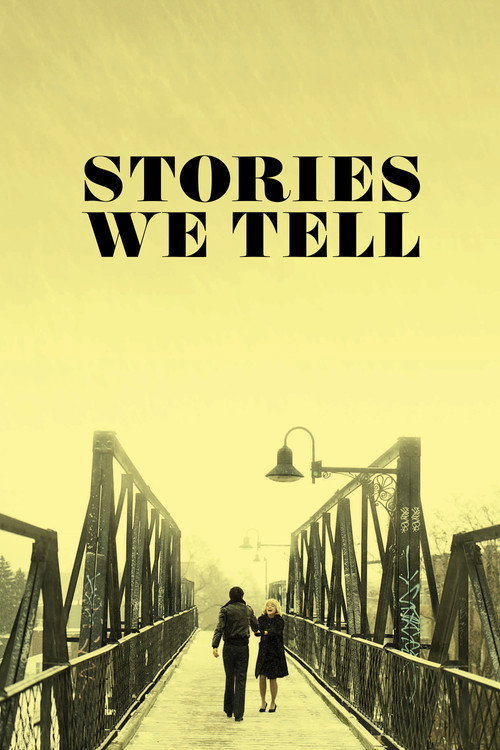
Stories We Tell2012
Where Gadsby dismantles the comedy set as a container for trauma, Polley dismantles the documentary as a container for family history — both asking what storytelling itself does to the truth.
Sarah Polley's documentary about her own family secret, told through competing narrators, interrogates how personal stories get shaped and who gets to shape them — no jokes at all, same nerve.
But Slow, quiet, and completely without punchlines; a real tonal 180 from anything comedy-adjacent.
People
Cast
 Hannah GadsbySelf
Directing
- Jon OlbDirector
- Madeleine ParryDirector
Writing
- Hannah GadsbyWriter
Production
- JoAnn GrigioniExecutive Producer
- Kathleen McCarthyExecutive Producer
- Kevin WhyteExecutive Producer
- Lisa NishimuraExecutive Producer
- Robbie PrawExecutive Producer
- Frank BruzzeseProducer