
Film
John Leguizamo: Freak
- Comedy
- Strange
John Leguizamo's 1998 one-man performance blurs autobiography with outrageous fiction, cycling through a bewildering cast of family characters—overbearing mothers, absent fathers, eccentric uncles—each embodied by Leguizamo in rapid-fire costume changes. It's theatrical, profane, and deliberately untrustworthy. For anyone who loves performative comedy that treats truth as a suggestion and family dysfunction as material.
Should you watch it?
Watch it if you like solo performers who play a whole cast of eccentric relatives, and you enjoy comedy that is openly rooted in a painful childhood without going soft about it.
Skip it if you want a tight plot, since this is a loose string of voices and sketches where the father story often slips out of view.
What it asks of you: Roughly ninety minutes of fast, constant switching between voices, with little room to breathe, so it wants your full attention the whole way through.
Not sure? Find tonight's pick in a minute.
If you liked this
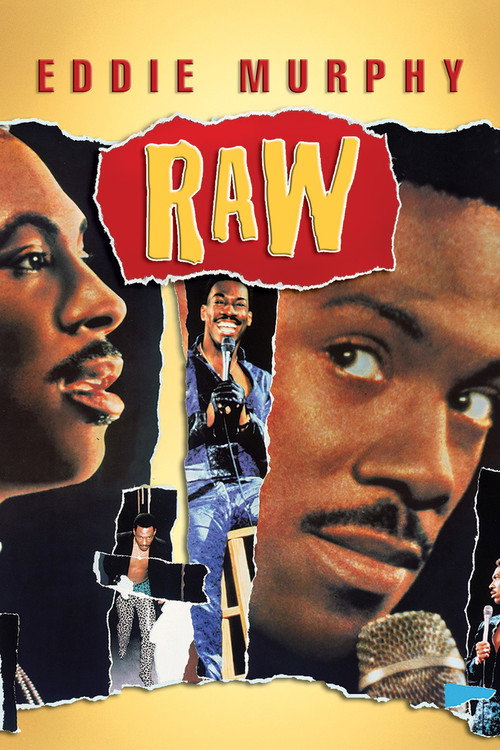
Eddie Murphy Raw1987
Murphy at peak confidence, commanding a stage with roaring sexuality and fearlessness. Like Leguizamo, he's a virtuoso of character work and voices, mining comedy from rage and vulnerability without apology.
But Comedy specials from the '80s haven't aged uniformly well; some bits land harder as period pieces than as jokes. It's also brutally long at 90 minutes of high intensity.
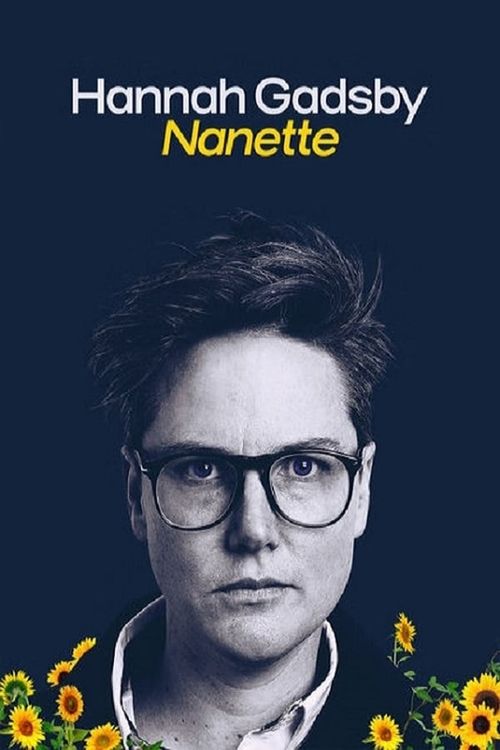
Hannah Gadsby: Nanette2018
A one-person performance that deconstructs comedy itself while refusing to let trauma be funny. It shares Leguizamo's formal ambition and his refusal to stay in a comfortable lane.
But It's not built to entertain in the traditional sense. Some find the last half preachy; it explicitly rejects the comfort of a punchline.
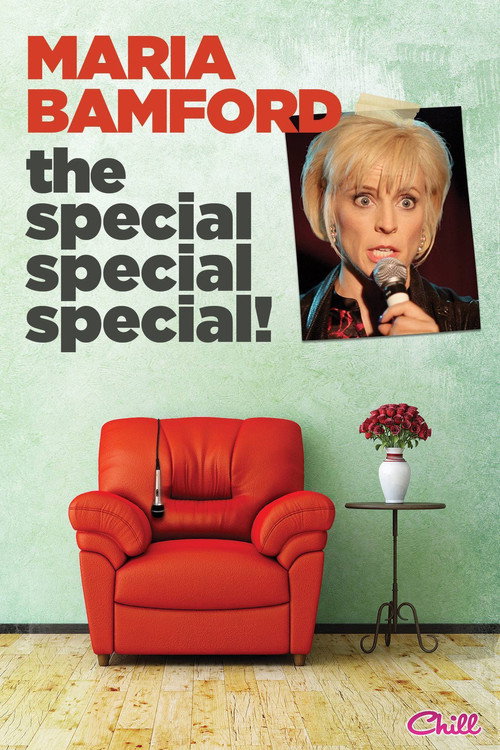
Maria Bamford: The Special Special Special!2012
Bamford breaks sitcom form with multimedia absurdity and mental-health honesty. Like Leguizamo, she refuses a single coherent reality, treating performance as permission to be strange.
But It's deliberately disjointed and can feel more experimental than funny. Some viewers find the fragmentation frustrating rather than liberating.
Not sure tonight? Get a pick in a minute, starting from John Leguizamo: Freak
The wildcard
Something you would not have found on your own.
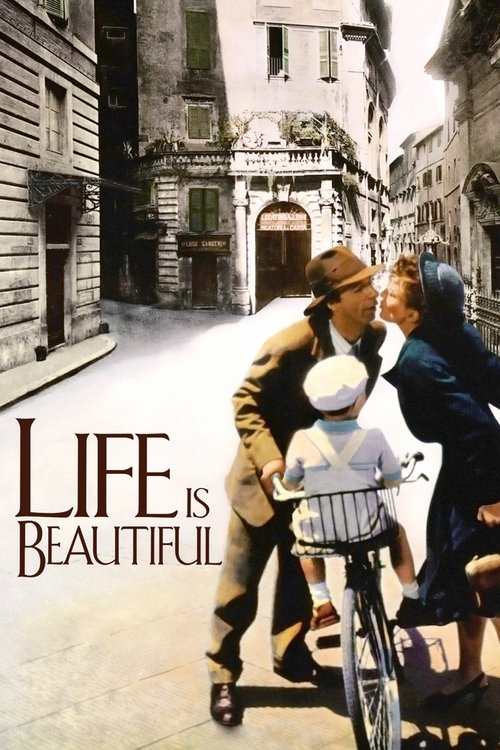
Life Is Beautiful1997
Both men collapse the boundary between comic performer and subject, using themselves as instruments for rapid character transformation and tonal whiplash. Both make autobiography into theater rather than confession.
Roberto Benigni performs his own life story through theatrical transformation, playing multiple characters, shifting tone from farcical to devastating within minutes. Like Leguizamo, he treats autobiography as permission for formal wildness, but does it across an entire fictional universe rather than a stage.
But It's a Holocaust narrative that refuses seriousness for long stretches. Some find the tonal mixture disrespectful; others find it emotionally manipulative. It won't sit still and let you feel safely sad.
More like this (3)
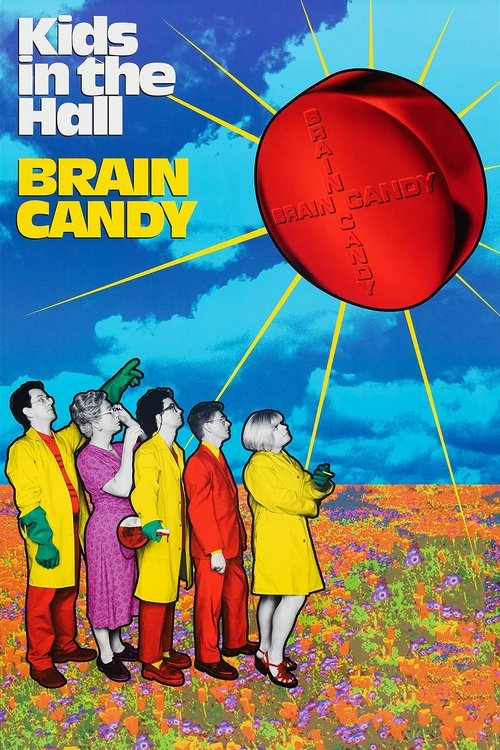
Kids in the Hall: Brain Candy1996
A sketch troupe performing rapid-fire characters and identities with genuine theatrical ambition. Same energy as Leguizamo's character carousel, but distributed across five people instead of one.
But Sketch comedy is its own beast—rhythms are different, premises can be thin. Some of it is self-indulgent in ways that won't connect with everyone.
The Idiots1998
The same thematic engine: a sensitive outsider navigating family cruelty and his own status as a misfit, cycling through characters and situations that feel both ridiculous and unbearable. Leguizamo makes it funny; Dostoevsky makes it existential.
Dostoevsky adapted into a Russian miniseries: family dysfunction, shame, the impossible weight of trying to be accepted, all performed at maximum theatrical intensity. It has Leguizamo's same obsession with social humiliation and parental failure, but as pure tragedy and Russian philosophy instead of jokes.
But It's three and a half hours of people suffering in Russian. There are no laughs. If you approach it as Freak but sad, you'll be disappointed—it's infinitely slower and more punitive.
Synecdoche, New York2008
Both collapse the distance between performer and subject through constant formal invention. But where Leguizamo uses character work to liberate comedy from truth, Kaufman uses cinema to trap autobiography in impossibility.
Charlie Kaufman's film about a theater director creating an autobiographical play-within-a-film that keeps expanding and warping until reality dissolves entirely. It's obsessed with the same question Leguizamo is playing with: where does autobiography end and fiction begin? Can you ever tell the truth about yourself, or only perform versions of it?
But It's a three-hour puzzle that asks exhausting questions and provides no comfort. If you watch Freak for pleasure, not for existential vertigo, this will feel like homework. It's deliberately cold.

People
Cast
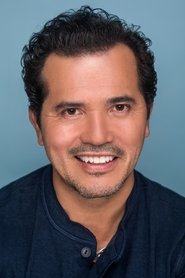 John LeguizamoSelf
Directing
- Spike LeeDirector
Writing
- David Bar KatzWriter
- John LeguizamoWriter
Production
- John LeguizamoExecutive Producer
- Robert MortonExecutive Producer
- Denis BiggsProducer