
Film
Kids in the Hall: Brain Candy
Kids in the Hall: Brain Candy is a sketch-comedy film where five Canadian performers play dozens of characters in a loose narrative about a happiness pill with dark consequences. It's absurdist, fast-paced, and genuinely weird—less interested in punchlines than in sustained bits that spiral into the surreal. For people who love sketch comedy that commits fully to its premise.
Should you watch it?
Watch it if you already love the Kids in the Hall's odd recurring characters and want loose, sketchy absurdism that trusts you to keep up with its tangents.
Skip it if you need a tight plot with steady momentum, since this drifts between bits and wears thin when a sketch outstays its welcome.
What it asks of you: At 88 minutes it moves briskly, switching gears often and staying loose, so the odd logic has to be accepted rather than solved.
Not sure? Find tonight's pick in a minute.
If you liked this
Monty Python and the Holy Grail1975
Sketch comedy elevated to narrative cinema with the same fearlessness and willingness to abandon conventional structure. Funny, strange, and built on the same principle of intelligent performers trusting their material completely.
But It's been mythologized to death, and the reverence around it can feel exhausting. Some bits have aged into incomprehensibility.
The Kentucky Fried Movie1977
Rapid-fire sketch comedy in film form, with no obligation to character consistency or plot logic. It shares Brain Candy's anarchic energy and willingness to waste no time on setup when the absurdity is the point.
But Comedy from that era can feel scattered and uneven. Some sketches will land harder than others, no matter your taste.
Wet Hot American Summer2001
Ensemble comedy with performers playing multiple roles and a plot that's essentially window dressing for character riffs. The same gleeful tone of people having fun making each other laugh on camera.
But The humor is very specific to a moment in comedy history. If meta references and deadpan delivery aren't your language, it'll feel pointless.
Not sure tonight? Get a pick in a minute, starting from Kids in the Hall: Brain Candy
The wildcard
Something you would not have found on your own.
The Eric Andre Show2012
Both films/shows build comedy from the collision of sketch absurdity with a threadbare plot meant to contain it. The story is almost incidental to the joy of watching skilled performers play multiple characters and escalate bit-logic to surrealism.
Late-night sketch comedy that understands the pleasure of committed weirdness and character building across a loose frame. Same anarchic DNA as Brain Candy but updated for a new generation of performers who grew up on it.
But It's deliberately uncomfortable and often cringeworthy. The humor is built on the audience's discomfort, which isn't everyone's wavelength.
More like this (7)
The State1994
Sketch-comedy series with an ensemble that commits absolutely. The bits build and repeat and morph the way Brain Candy does, with the same trust in absurdity and character repetition as comedy fuel.
But Sketch comedy on TV meant shorter pieces and less time to breathe into weird territory. Not quite as unhinged as the best cinematic comedy.
The Crying Game1992
Dark comedy with genuine pathos underneath, and a willingness to make serious points while maintaining comedic tone. Shows that sketch-adjacent humor can coexist with real stakes and emotional depth.
But It's more restrained and serious than Brain Candy. If you want pure chaos, this commitment to narrative might feel limiting.
WKRP in Cincinnati1978
Ensemble comedy where recurring characters and situations spiral into absurdity. The repeated-bit structure and willingness to let scenes breathe make it a spiritual cousin to sketch comedy on TV.
But It's very much of its era, with pacing and sensibilities that feel slow by modern standards. Requires patience.
Sid and Nancy1986
Comedy buried inside tragedy, with the same punk-rock refusal to be likeable or clean that Brain Candy carries. Shows that anarchic energy doesn't require jokes to work.
But It's punk rock in every sense—deliberately abrasive and designed to alienate casual viewers. The humor is secondary to the attitude.
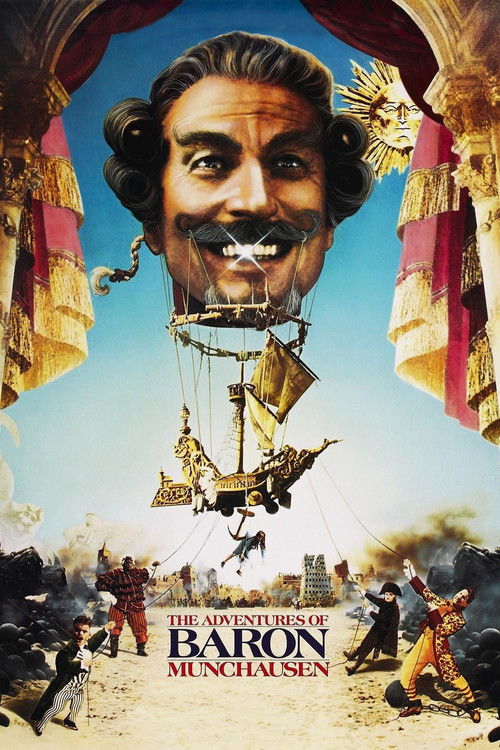
The Adventures of Baron Munchausen1988
Terry Gilliam's commitment to visual absurdity and character repetition across a loose narrative. The same willingness to prioritize aesthetic weirdness over conventional storytelling.
But It's baroque and expensive in a way that can feel self-indulgent. The plot is genuinely difficult to follow, and that's by design.
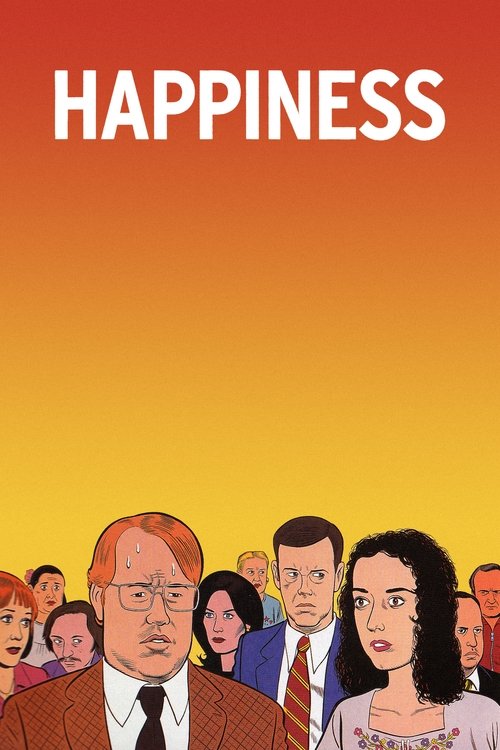
Happiness1998
Both interrogate happiness as a concept—one through farce and pharmaceutical intervention, one through unflinching character study. Both use ensemble casts to ask: what if we actually got what we wanted, and it was terrible?
A comedy about unhappiness that uses the same ensemble-cast structure and multiple-character approach. Todd Solondz commits to the same idea: that happiness is more interesting when you interrogate what it really means.
But It's deeply dark and genuinely disturbing in ways that go well beyond Brain Candy's tone. This is comedy as weaponized sadness.
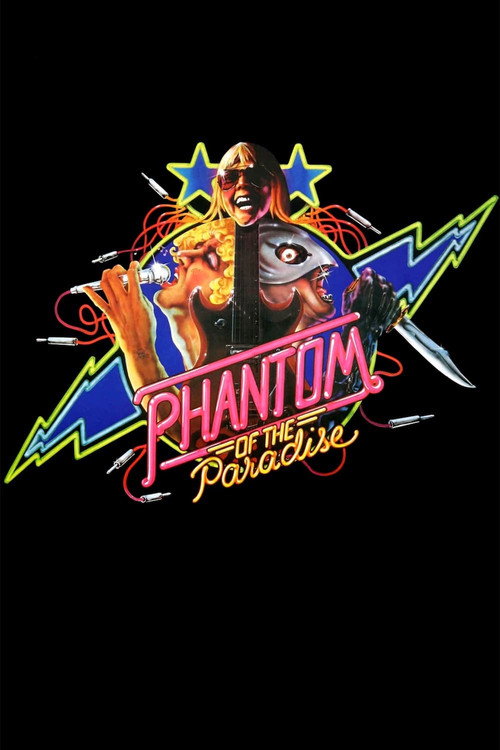
Phantom of the Paradise1974
Both are ensemble pieces (in spirit and structure) that refuse the neat resolution their own premises are setting up. Both value the pleasure of committed performers exploring tone over coherence.
Musical comedy-horror that hijacks genre expectations and runs them into the weeds, the way Brain Candy hijacks the pharmaceutical-thriller premise. Brian De Palma's commitment to weirdness is total and ecstatic.
But It's shaggy and sometimes incomprehensible, and the rock-opera pastiche hasn't aged into universal appeal. Requires a tolerance for genuinely messy filmmaking.
People
Cast
 Dave FoleyMarv / Psychiatrist / New guy / Raymond Hurdicure
 Bruce McCullochAlice / Cisco / Grivo / Worm pill scientist / Cop #2 / Cancer boy / White-trash man
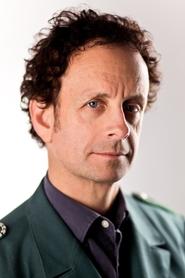 Kevin McDonaldDr. Chris Cooper / Doreen / Chris' dad / Lacey
 Mark McKinneySimon / Don Roritor / Cabbie / Gunther / Cop #1 / Nina Bedford / Melanie / Drill sergeant / White-trash woman
 Scott ThompsonBaxter / Mrs. Hurdicure / Wally Terzinsky / Malek / Big Stummies scientist / The Queen / Raj / Clemptor
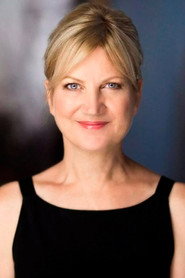 Kathryn GreenwoodGinny
- Amy SmithRaymond's Kid
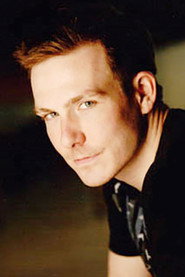 Lachlan MurdochRaymond's Kid
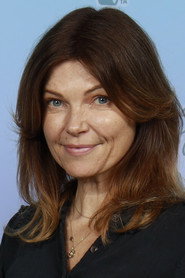 Nicole De BoerGroupie
 Krista BridgesGroupie
 Christopher RedmanWally's Son
- Erica FairfieldWally's Daughter
Directing
- Anthony TedescoAssistant Director Trainee
- Kelly MakinDirector
- Walter GasparovicFirst Assistant Director
- Kathryn BuckScript Supervisor
- Rose TedescoSecond Assistant Director
- Harry MakinSecond Unit Director
- Jennifer DeatheThird Assistant Director
Writing
- Bruce McCullochWriter
- Kevin McDonaldWriter
- Mark McKinneyWriter
- Norm HiscockWriter
- Scott ThompsonWriter
Production
- Neil LumlockAssistant Location Manager
- Kathryn DawAssistant Production Coordinator
- Ross ClydesdaleCasting
- Stephen PetrieCasting Assistant
- Barnaby ThompsonCo-Producer
- Richard S. WrightCo-Producer
- David SteinbergExecutive Producer
- Sigurjón SighvatssonExecutive Producer
- Tom RosenbergExecutive Producer
- Donna DupereExtras Casting
- Martin WaltersLine Producer
- Mathew HartLocation Manager
- Heidi GerberPost Production Coordinator
- Lorne MichaelsProducer
- Mary PantelidisProduction Coordinator
- Armand LeoProduction Manager
Recommended by
I Am Chris Farley, Human Giant, John Leguizamo: Freak, Saturday Night Live: The Best of Will Ferrell, Billy Crystal: Don't Get Me Started