
Film
Sid and Nancy
- Biopic
- Tragic romance
- Very dark
Sid and Nancy is a visceral, unflinching portrait of two damaged people spiralling together through heroin and the wreckage of punk rock in late-70s New York. Gary Oldman gives a career-defining performance as Sid Vicious, all raw nerve and desperate vulnerability. It's a love story and a tragedy, shot with kinetic energy and genuine pathos—a film that refuses to romanticize its subjects even as it breaks your heart for them.
Should you watch it?
Watch it if you want a bleak, unglamorous love story told with raw physical intensity, where the performances carry the weight and you're happy to sit inside a messy, self-destructive relationship.
Skip it if you need a clear plot or a sense of uplift, since this drifts through squalor in long, hazy stretches and rarely lets the mood lift.
What it asks of you: Settle in for nearly two hours of sustained unease; it rewards staying put rather than dipping in and out.
Not sure? Find tonight's pick in a minute.
If you liked this
Requiem for a Dream2000
A parallel descent into addiction told with even greater formal inventiveness. Aronofsky's visual language turns drug use into pure cinema, and the emotional devastation lands harder because the film never looks away.
But The repeated montage sequences and split-screen technique can feel didactic. It's relentlessly bleak, and the final act is genuinely punishing to sit through.

The Wrestler2008
Another portrait of a self-destructive performer trying to matter in a world that's moved on. Aronofsky again, but quieter—Rourke's Randy is Sid if he'd lived another thirty years, still chasing the high of being needed.
But It meanders deliberately, and the wrestling footage can feel repetitive. Some find the ending ambiguous to the point of frustration.

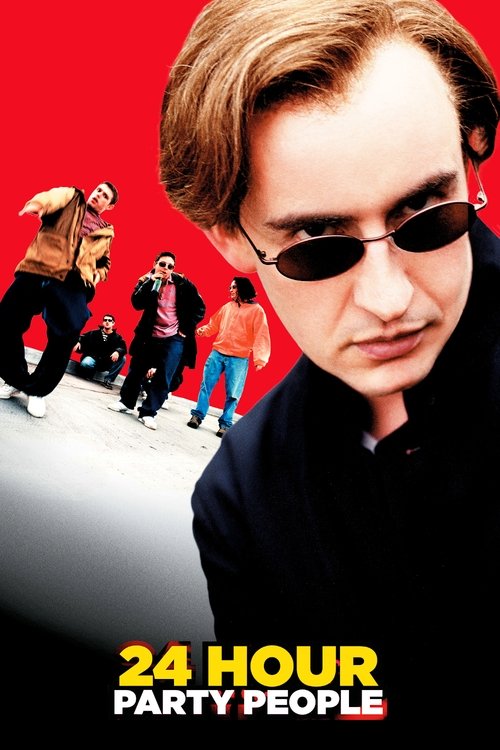
24 Hour Party People2002
A raucous, darkly funny romp through Manchester's music scene that shares Sid and Nancy's anarchic energy and its fascination with how scenes destroy the people who create them. Steve Coogan is brilliant.
But The tonal shifts between comedy and genuine tragedy don't always land. It can feel scattered, like the film itself is wasted.
Not sure tonight? Get a pick in a minute, starting from Sid and Nancy
The wildcard
Something you would not have found on your own.
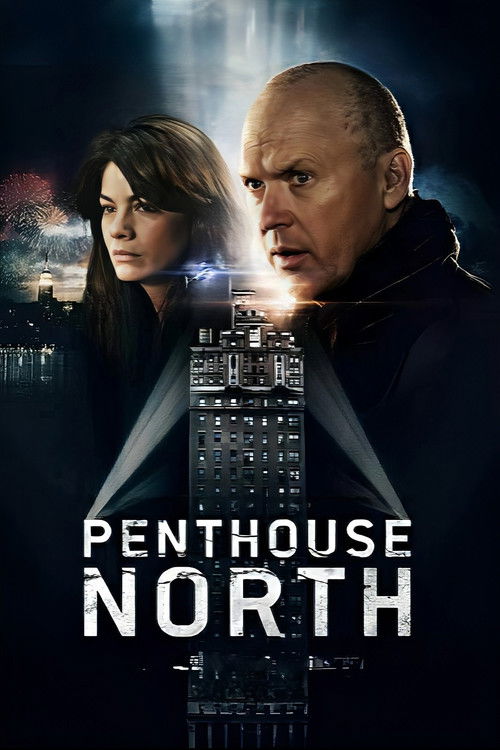
Penthouse North2013
Chloë Webb doesn't appear, but Sevigny carries Nancy's haunted quality into a genre where that darkness becomes tactical rather than self-annihilating. Both films use female damage as their emotional engine.
Actually: Chloë Sevigny (Nancy-adjacent energy, damaged romance) in a completely different genre—a heist thriller where she plays against type as a damaged woman with agency. It's stylish and pulpy, a tonal shift that recontextualizes how you think about destructive relationships and performance.
But It's a mid-budget thriller from the 2010s, which means it's sometimes slick where it means to be gritty. The plot mechanics can feel TV-movie obvious if you've seen heist films before.
More like this (7)
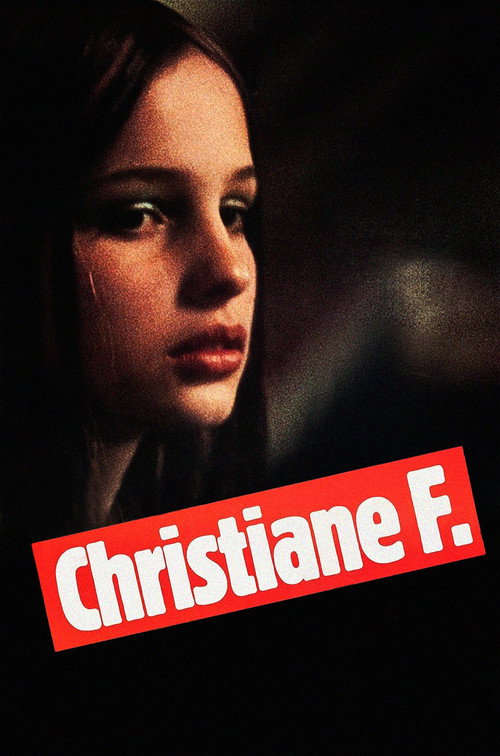
Christiane F.1981
A brutal, unsentimental German film about teenage heroin addiction in Berlin. It's a companion piece to Sid and Nancy—less rockstar glamour, more social realism, but equally devastating about how addiction erases identity.
But The pacing is deliberately slow and oppressive. It's not entertaining; it's meant to horrify, and some viewers find it unbearably grim without sufficient payoff.
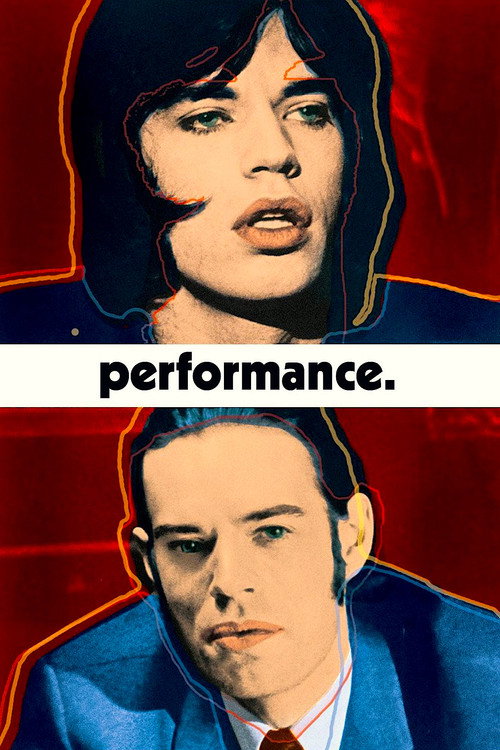
Performance.1970
Nic Roeg's hallucinogenic collision between a gangster and a reclusive rock star. It's the spiritual ancestor of Sid and Nancy—equally obsessed with the blurred line between authenticity and performance, identity and dissolution.
But The narrative is deliberately fragmented and obscure. It's more interested in mood and metaphor than plot, which can feel pretentious or simply incomprehensible on first viewing.
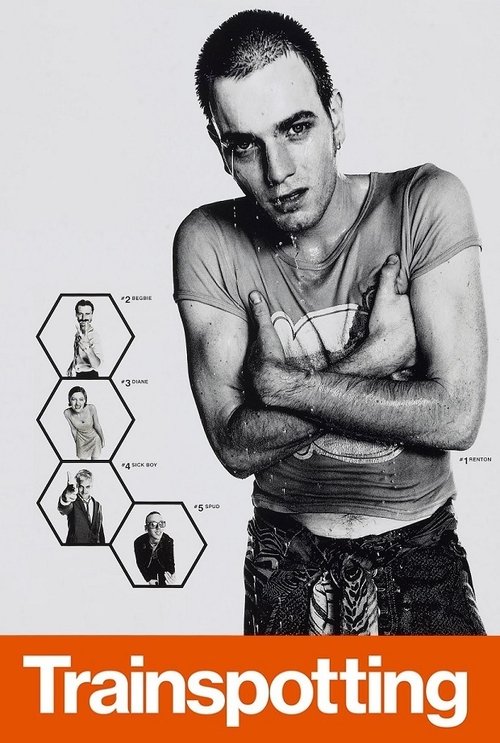
Trainspotting1996
A kinetic, darkly comic descent into Scottish heroin culture that shares Sid and Nancy's unflinching look at addiction, though told from the inside with more black humour. The stylistic inventiveness is dazzling.
But The graphic depiction of drug use and some disturbing content might overshadow the film's intelligence for viewers seeking something less provocative. The accents can be impenetrable.
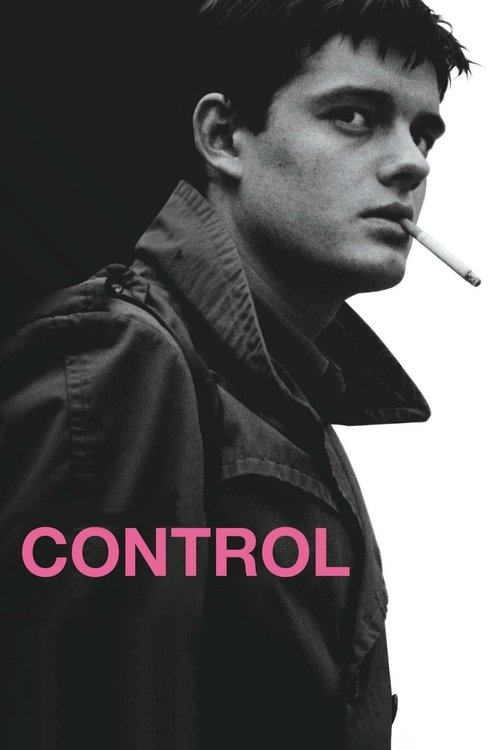
Control2007
Anton Corbijn's austere film about Ian Curtis and Joy Division captures the same suffocating intensity of talented self-destruction. It's quieter than Sid and Nancy but equally tragic, with superb performances and a visual restraint that builds dread.
But The black-and-white cinematography and measured pacing won't appeal to those wanting kinetic energy. The tragic ending is foregone knowledge for most viewers, which dulls suspense.
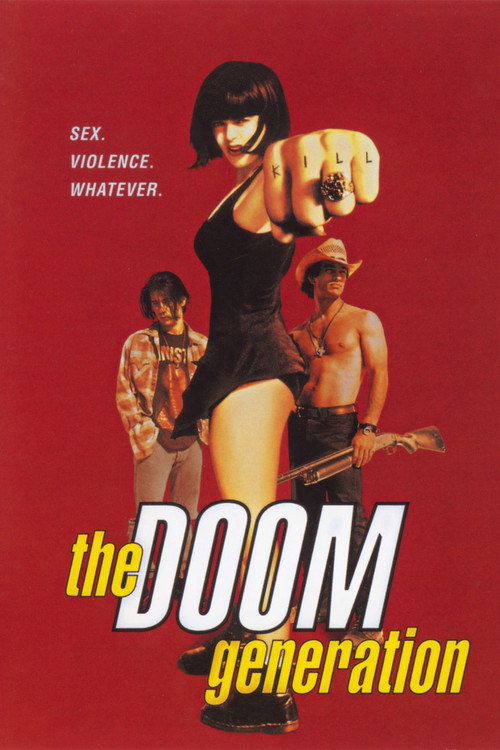
The Doom Generation1995
Gregg Araki's transgressive road movie about doomed youth and obliteration. It channels punk energy and visual chaos, with a similar refusal to sentimentalize its characters' self-destruction.
But It's deliberately provocative and sometimes crosses into gratuitousness. The narrative is thin, and the shock value can feel like an end in itself rather than a means to something deeper.
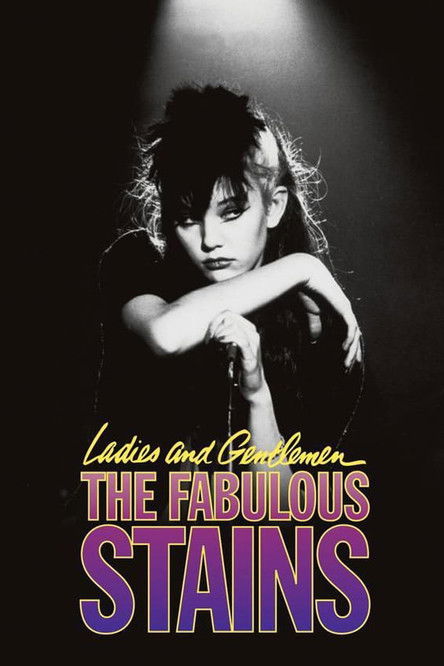
Ladies and Gentlemen, the Fabulous Stains1982
It's the punk scene's overlooked sibling—contemporary to Sex Pistols mythology but from the female perspective punk claimed to want but didn't actually give space to. Where Sid and Nancy documents punk's self-destruction, Fabulous Stains imagines what punk might have meant if it had given women real power.
A punky proto-feminist teen film about girls starting a fake band during the actual punk moment. It's a time capsule of 1982 (made during the tail end of punk) with genuine verve and anarchic energy, shot like a fever dream.
But It's become a cult object precisely because it vanished; the copy quality is often rough, and the narrative is deliberately slippery. It won't appeal to those wanting traditional narrative structure or current production polish.
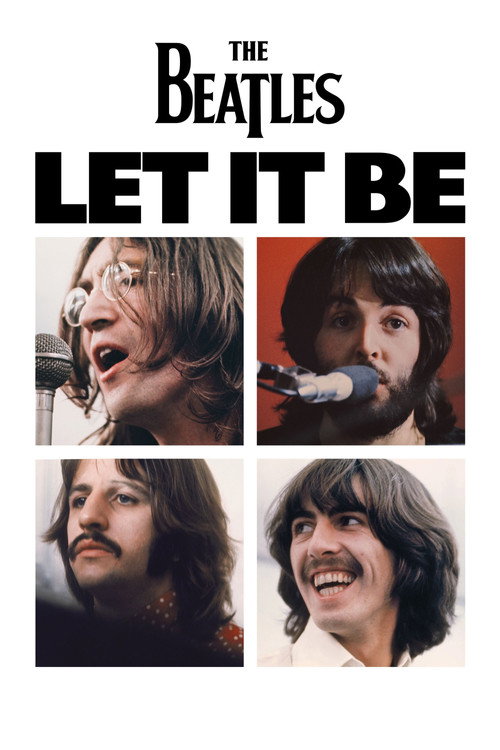
Let It Be1970
Both are studies of groups self-destructing in real time, but Let It Be strips away the punk glamour entirely. Sid and Nancy romanticizes its tragedy; Let It Be refuses to, showing you the mundane horror of genius curdling into resentment.
Michael Lindsay-Hogg's documentary of The Beatles' final sessions is the anti-narrative version of Sid and Nancy—real footage of brilliant, exhausted people failing to connect, surrounded by chaos and ego. It's hypnotic and utterly tragic without being melodramatic.
But It's a long sit in a cold studio watching four men not speak to each other. There's no narrative arc, no climax, just slow dissolution. Viewers seeking drama or resolution will find it painfully static.
People
Cast
 Gary OldmanSid Vicious
 Chloe WebbNancy Spungen
 David HaymanMalcolm McLaren
 Debby BishopPhoebe
 Andrew SchofieldJohnny Rotten
 Xander BerkeleyBowery Snax
 Perry BensonPaul
- Tony LondonSteve
 Sandy BaronHotelier USA
 Sy RichardsonMethadone Caseworker
 Edward Tudor-PoleHotelier UK
 Biff YeagerDetective
Directing
- Alex CoxDirector
- Libbie BarrScript Supervisor
Production
- Abbe WoolAssociate Producer
- Peter JaquesAssociate Producer
- Lucy BoultingCasting
- Victoria ThomasCasting
- Peter McCarthyCo-Producer
- Margaret MathesonExecutive Producer
- Scott MillaneyExecutive Producer
- Eric FellnerProducer
- Andrew Z. DavisProduction Manager
Recommended by
Trainspotting, The Panic in Needle Park, Control, End of the Century: The Story of the Ramones, The Dirt, The Basketball Diaries, The Libertine, Wadd: The Life & Times of John C. Holmes, Backbeat, The Rose, Barfly, Pink Floyd: The Wall, Repo Man, The Filth and the Fury, Drugstore Cowboy, The Doors, Bukowski: Born Into This, Basquiat, The Buddy Holly Story, Look Back in Anger, CBGB, Young Guns, Suburbia, Another State of Mind, The Great Rock 'n' Roll Swindle, Punk: Attitude, Less Than Zero, Ladies and Gentlemen, the Fabulous Stains, Rude Boy, The Runaways, Smithereens, Jimi: All Is by My Side, Kill Your Idols, The Living End, American Hot Wax, Eat the Rich, Superstar: The Karen Carpenter Story, London Kills Me, Kids in the Hall: Brain Candy, Cheech & Chong's Next Movie, The Clash: Westway To The World, Stardust, El Cantante, Howl, Skate Witches, Love Is the Devil: Study for a Portrait of Francis Bacon, Protecting the King, Wish You Were Here