
Film
The Filth and the Fury
Julien Temple's furious, funny corrective to his own earlier Pistols film, told almost entirely through archive footage and shadowy new interviews with the surviving band, their faces hidden until the story demands otherwise. It's less about music history than about reclaiming a narrative from Malcolm McLaren's mythmaking — angry, sad, and unexpectedly moving by the end. For anyone who thinks punk was just noise.
Should you watch it?
Watch it if you love the messy, first-hand texture of a band's own version of events, with rehearsal room chatter, grainy live footage and former bandmates arguing over who did what.
Skip it if you want a tidy, neutral history with a clear narrative spine, since this is a collage of memories and self-mythologising that won't stay in order.
What it asks of you: It runs just under two hours of talking heads cut against footage, so it wants patience and a tolerance for jumping around in time rather than a steady build.
Not sure? Find tonight's pick in a minute.
If you liked this
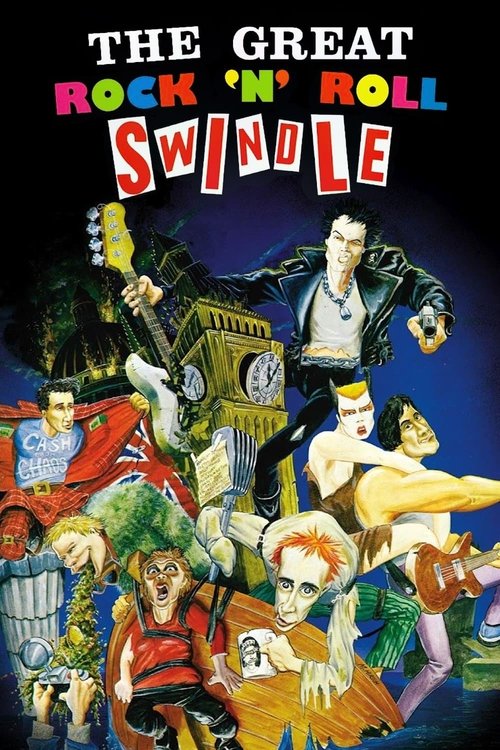
The Great Rock 'n' Roll Swindle1980
Malcolm McLaren's own gleefully cynical counter-history, made twenty years earlier — watch this right after and you'll see exactly which version of events Temple spent his second film trying to dismantle.
But It's a shameless self-mythologising mess, more about McLaren's ego than the band, and deliberately unreliable as history.
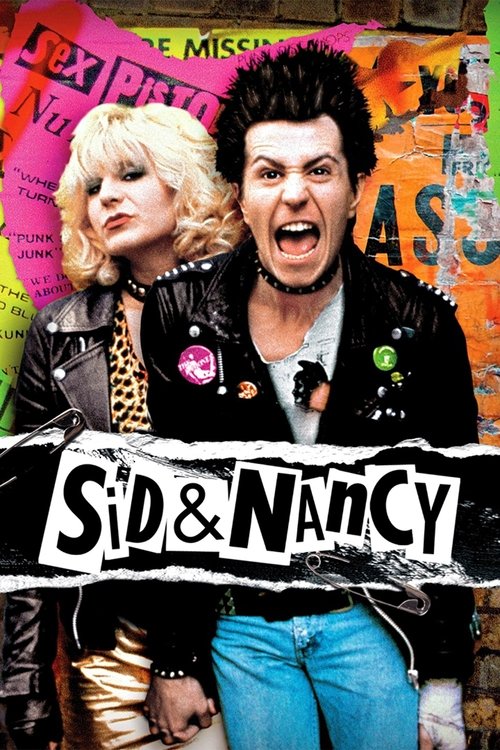
Sid and Nancy1986
Gary Oldman's breakout performance turns Sid Vicious's slow-motion collapse into something genuinely tragic rather than just squalid, and Alex Cox never lets the romance excuse the wreckage.
But It's bleak, drug-soaked and unglamorous by design — not a fun watch, and factually loose in places.
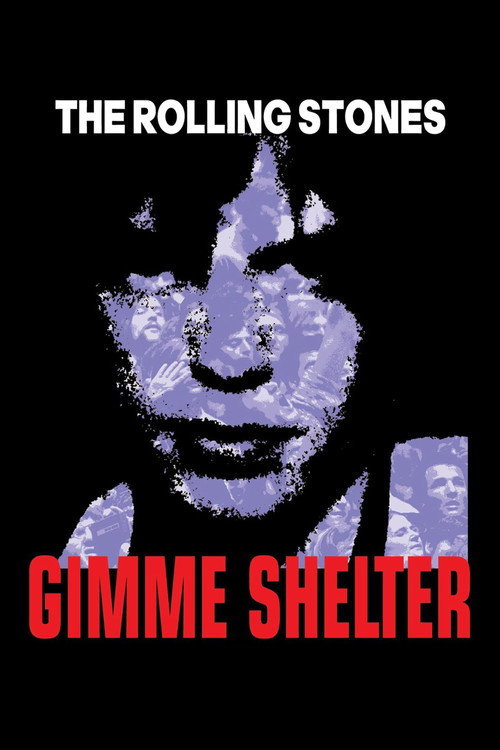
Gimme Shelter1970
The Rolling Stones at Altamont, filmed as the sixties curdle in real time — the same queasy thrill of watching a youth movement's myth collapse on camera that powers Temple's film.
But Slower and more detached than a punk doc, and the violence at its centre is genuinely upsetting, not thrilling.
Not sure tonight? Get a pick in a minute, starting from The Filth and the Fury
The wildcard
Something you would not have found on your own.
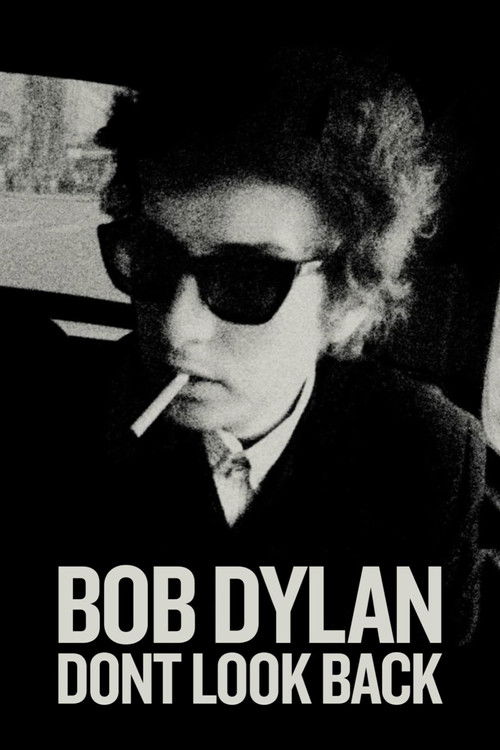
Bob Dylan – Don't Look Back1967
This is the ancestor of Temple's whole approach: the rock star as unreliable, combative narrator of his own myth, filmed rather than interviewed into submission, decades before punk made hostility a genre.
D.A. Pennebaker's fly-on-the-wall Dylan tour film invented the mode Temple is riffing on decades later — no narration, no explanation, just a young man being magnificently hostile to journalists who don't understand him yet.
But Black and white, meandering, and defiantly uninterested in giving you context — it demands you already care.
More like this (8)
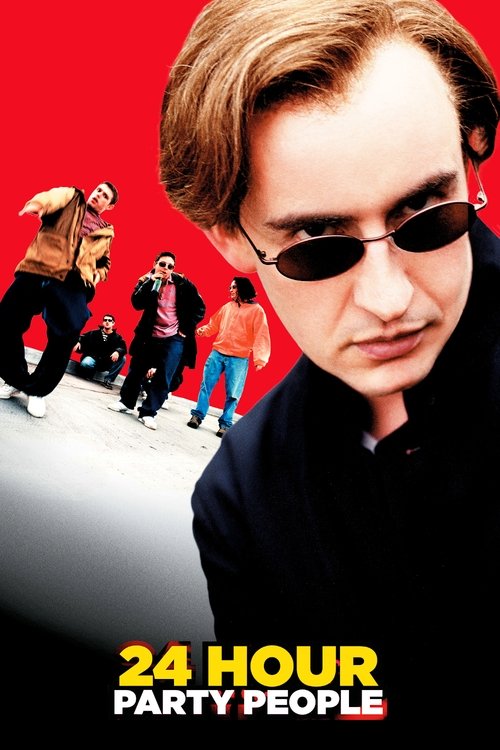
24 Hour Party People2002
Steve Coogan narrates the birth of Manchester's music scene, which the film insists began the night the Sex Pistols played a nearly empty room there — a lovely, funny sequel of sorts.
But It's a comic dramatisation rather than documentary, so the facts are treated as raw material, not gospel.
Amy2015
Asif Kapadia builds an entire life from archive footage and phone recordings, no talking heads on camera — the same technique Temple uses, applied to a tragedy much harder to laugh at.
But There's no punk irreverence here to leaven it; it's a genuinely devastating watch about addiction and fame.

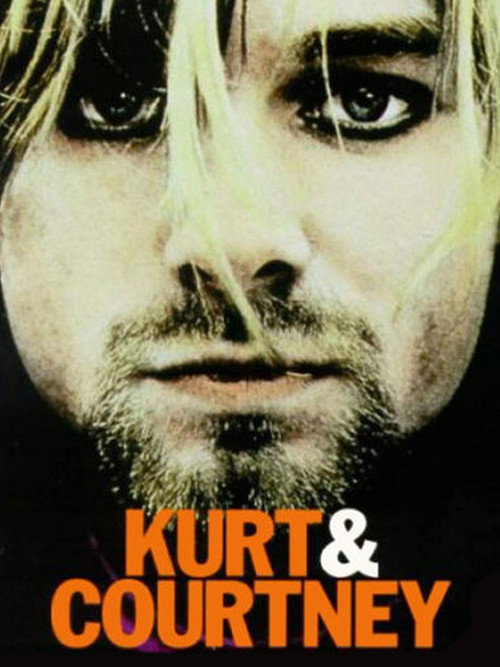
Kurt & Courtney1998
Nick Broomfield's scrappy, self-inserted investigation into Kurt Cobain's death has the same appetite for myth-busting and messy access as Temple's film, minus the archive-footage polish.
But Broomfield's on-camera fumbling and conspiracy-adjacent digging will frustrate anyone wanting a clean, respectful portrait.
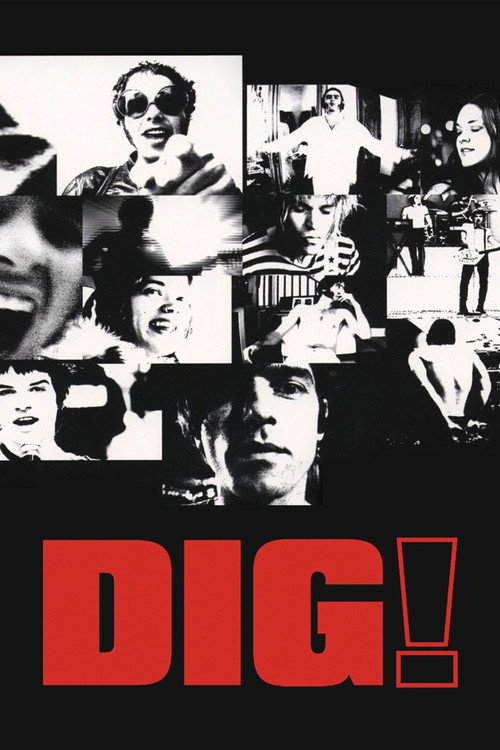
Dig!2004
Ondi Timoner's rock rivalry documentary — between the Brian Jonestown Massacre and the Dandy Warhols — is funnier and sadder than it has any right to be, and just as suspicious of its subjects' self-mythologising.
But Neither band is anywhere near as famous as the Pistols, so the stakes feel smaller from the start.
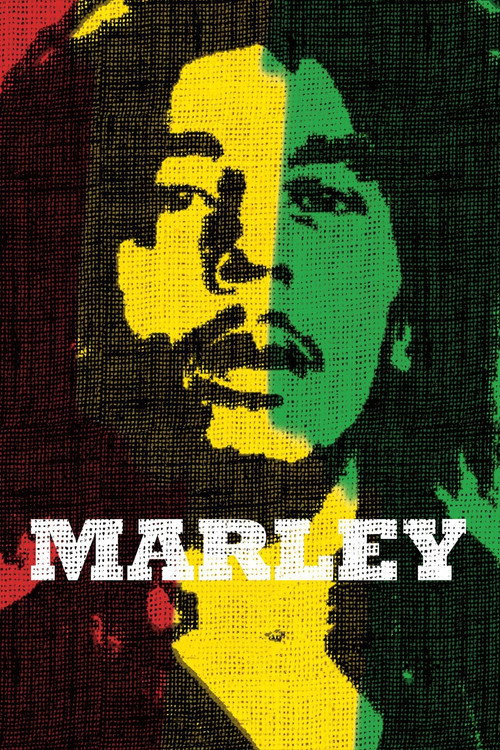
Marley2012
Kevin Macdonald's patient, generous portrait of Bob Marley shows what the archive-and-interview format looks like when the aim is reverence rather than reckoning.
But It's a much gentler, more hagiographic film — little of the anger or score-settling that drives Temple's version of events.
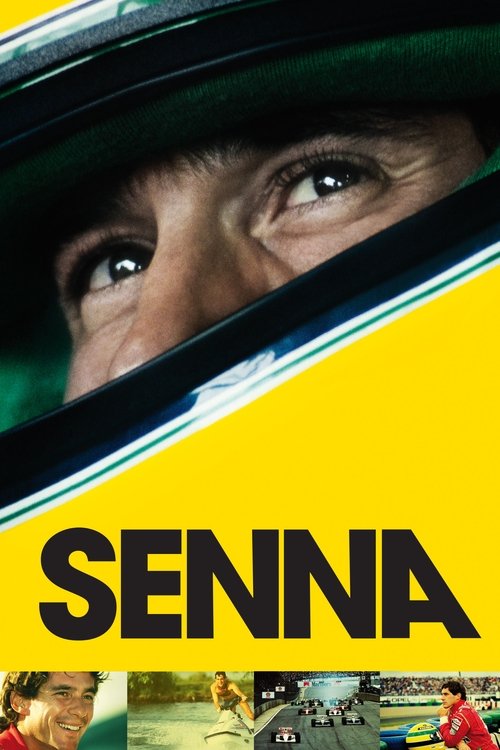
Senna2010
Another archive-only documentary with no on-camera interviews at all, just voices over footage — proof the technique can turn any obsessive, doomed figure into tragedy, F1 driver or punk icon alike.
But You'll need patience for motor racing, and zero interest in music — this is a completely different world.
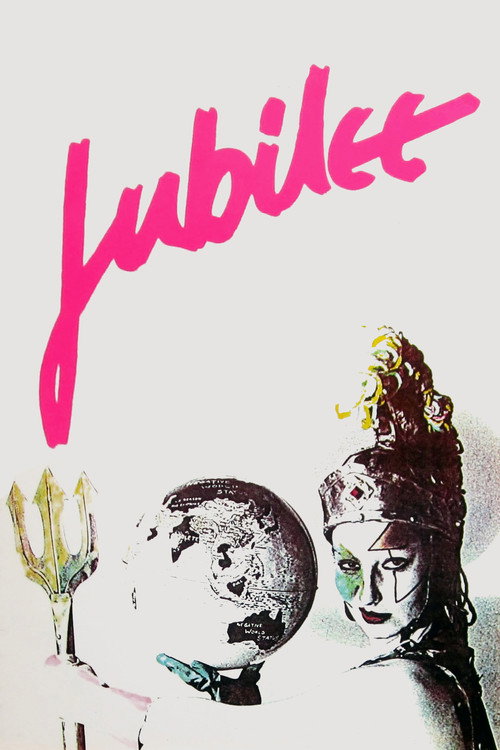
Jubilee1978
Same moment, same anger, same milieu — but told as invented myth instead of recovered fact, by a filmmaker who saw punk as an art movement rather than a music scene, which is the argument Temple spends his whole documentary having with McLaren.
Derek Jarman's fever-dream fiction, shot while punk was still happening, casts real scene figures like Adam Ant and Toyah Willcox as a violent, prophetic vision of Britain — anger imagined as art-house sci-fi rather than reported as fact.
But It's willfully strange, plotless and arty — closer to a fashion film than a rock documentary, and some will find it insufferable.
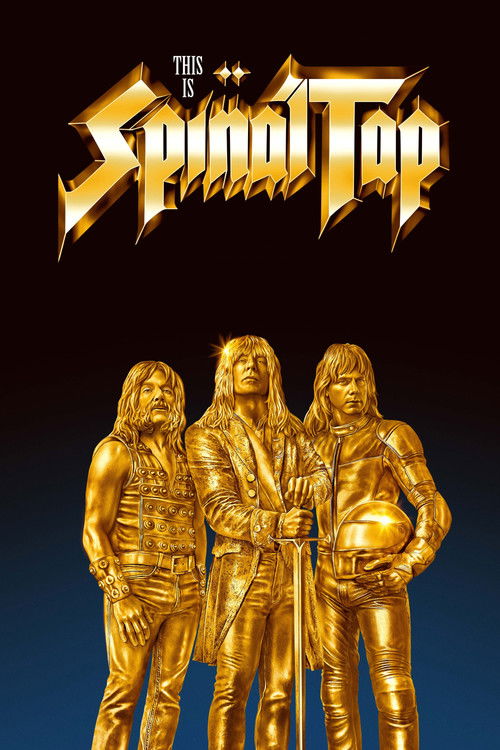
This Is Spinal Tap1984
Malcolm McLaren's self-mythologising svengali act, which Temple spends the whole film trying to puncture, is almost identical to Spinal Tap's clueless manager — one film sends it up as comedy, the other has to live through it as fact.
Rob Reiner's mockumentary about a fictional band's slow collapse is so structurally identical to real rock docs that it's basically a satire of Filth and the Fury's entire genre, including the scheming manager who thinks he invented the band.
But It's a straight comedy with none of the real anger or grief — a palate cleanser, not a companion piece.
People
Cast
 John LydonSelf
 Steve JonesSelf
 Paul CookSelf
 Glen MatlockSelf
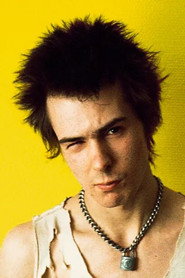 Sid ViciousSelf (archive footage)
 Malcolm McLarenSelf
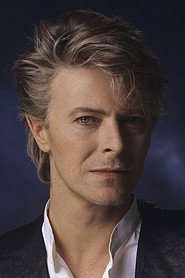 David BowieSelf (archive footage)
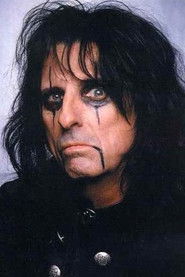 Alice CooperSelf (archive footage)
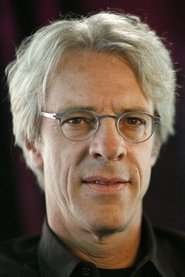 Stewart CopelandSelf (archive footage)
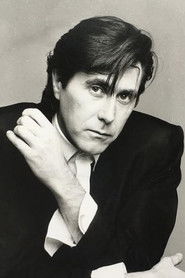 Bryan FerrySelf (archive footage)
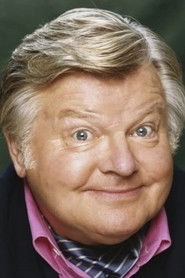 Benny HillSelf (archive footage)
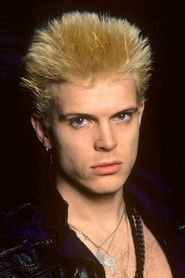 Billy IdolSelf (archive footage)
Directing
- Julien TempleDirector
Writing
- Julien TempleWriter
Production
- Eric GardnerExecutive Producer
- Jonathan WeisgalExecutive Producer
- Nick HuntleyExecutive Producer
- Amanda TempleProducer
- Anita CamarataProducer
Recommended by
The Young Ones, Vinyl, The Decline of Western Civilization, American Hardcore